Departments
 Departments
Departments
Departments

 Emirates East Mall Wines & Spirits

New to Slowsip? Create Account
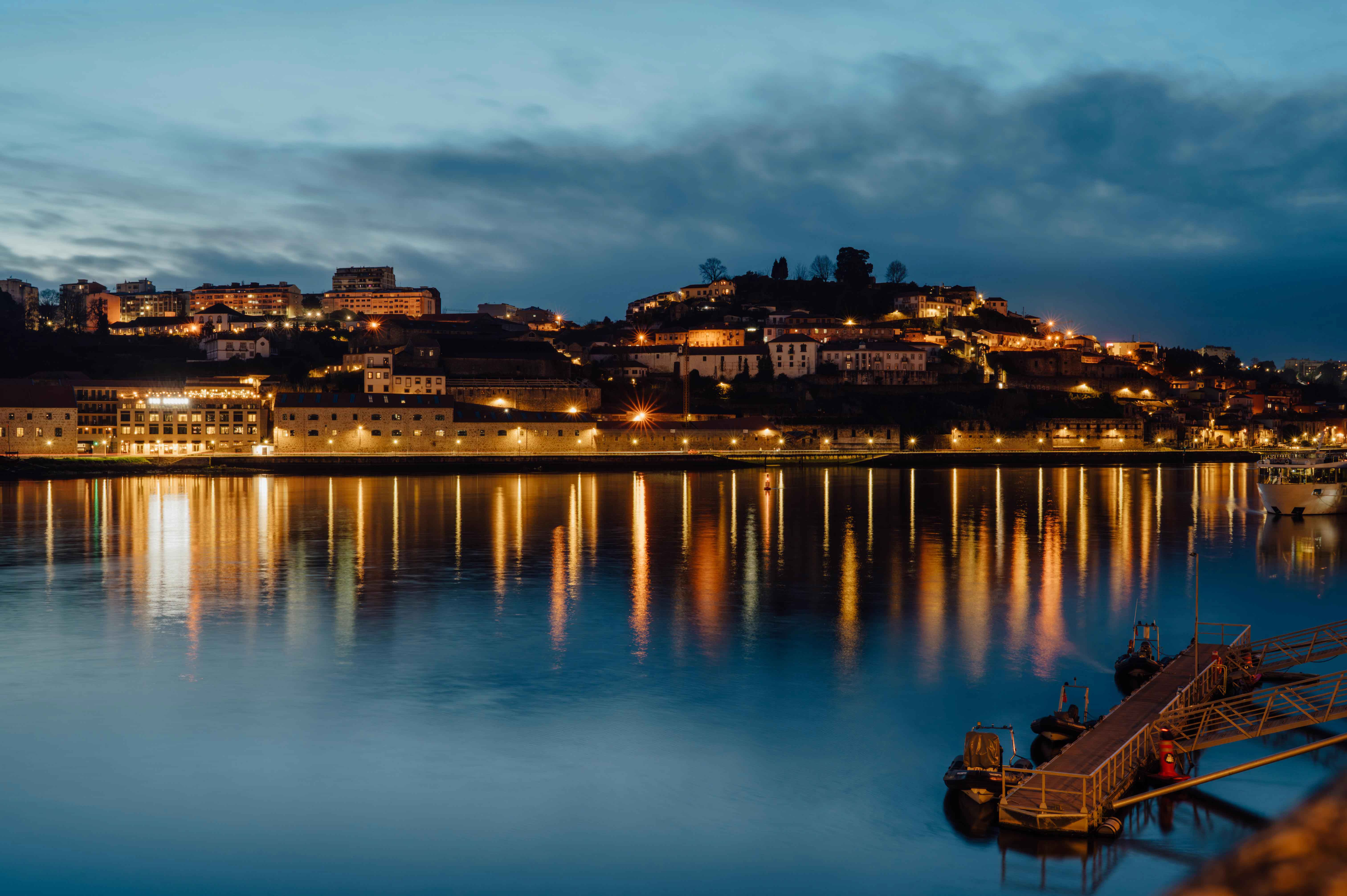
There are places that ask you to arrive politely. The Douro does not.
It grabs you by the collar somewhere past Peso da Régua, drags you into the heat, and dares you to keep up.
The river cuts through the valley like a lazy blade, wide and reflective, pretending it hasn’t shaped everything around it. Terraced vineyards climb impossibly steep hillsides, stacked stone on stone, as if built by men who either didn’t fear gravity or simply didn’t care. This is not postcard wine country. It’s harsher. Older. Proudly inconvenient.
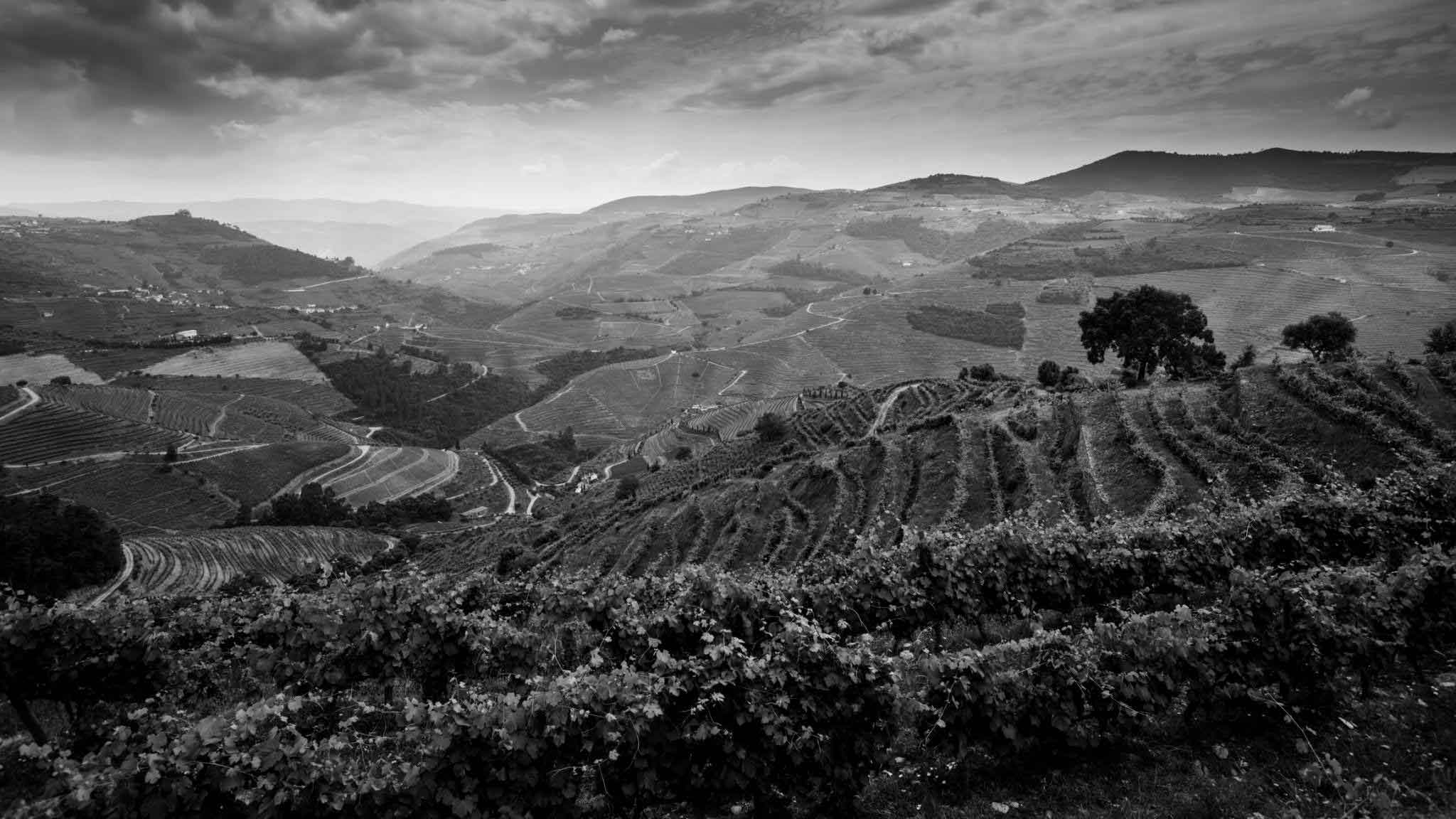
You feel it immediately — the dust, the schist underfoot, the sun that presses rather than shines. Vines grow where logic says they shouldn’t, roots clawing deep into fractured rock in search of something worth holding onto. They’ve been doing this for centuries. No irrigation. No sympathy. Just survival.
That struggle is the point.
Most people arrive from Porto, easing their way upriver by train or car, watching the city loosen its grip mile by mile. The train is the romantic choice — slow, rattling, pressed tight to the riverbank. You see the valley open gradually, like a curtain being drawn back with intent. Driving is more aggressive. Switchbacks, sharp climbs, sudden drops. You earn the view.
Either way, by the time you reach the heart of the Douro, time has already slowed. Lunch becomes an event. Dinner becomes a commitment. You stop checking your phone because there’s nothing it can offer that the valley isn’t already giving you for free.
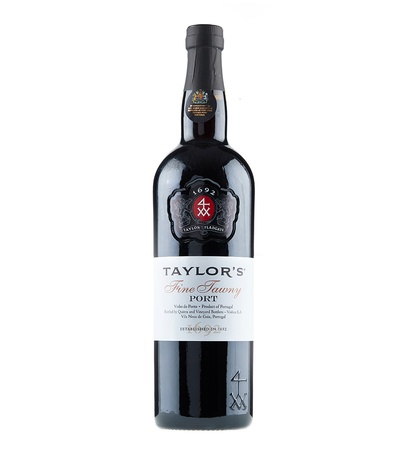
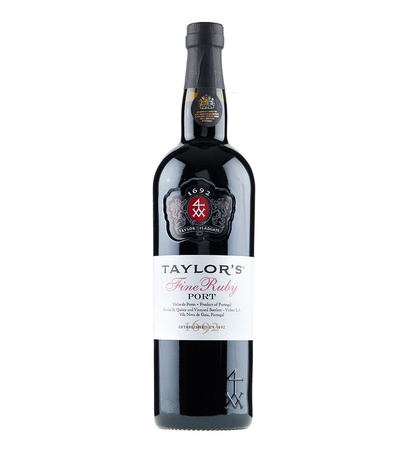
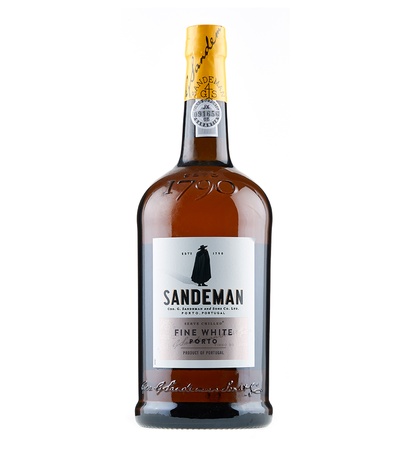
Port is the name everyone knows, but it’s not the whole story — and it hasn’t been for some time. Yes, the fortified wines are still here: ruby, tawny, vintage, colheita. Rich, brooding, unapologetically indulgent. Wines that were designed to survive sea journeys and British obsession.
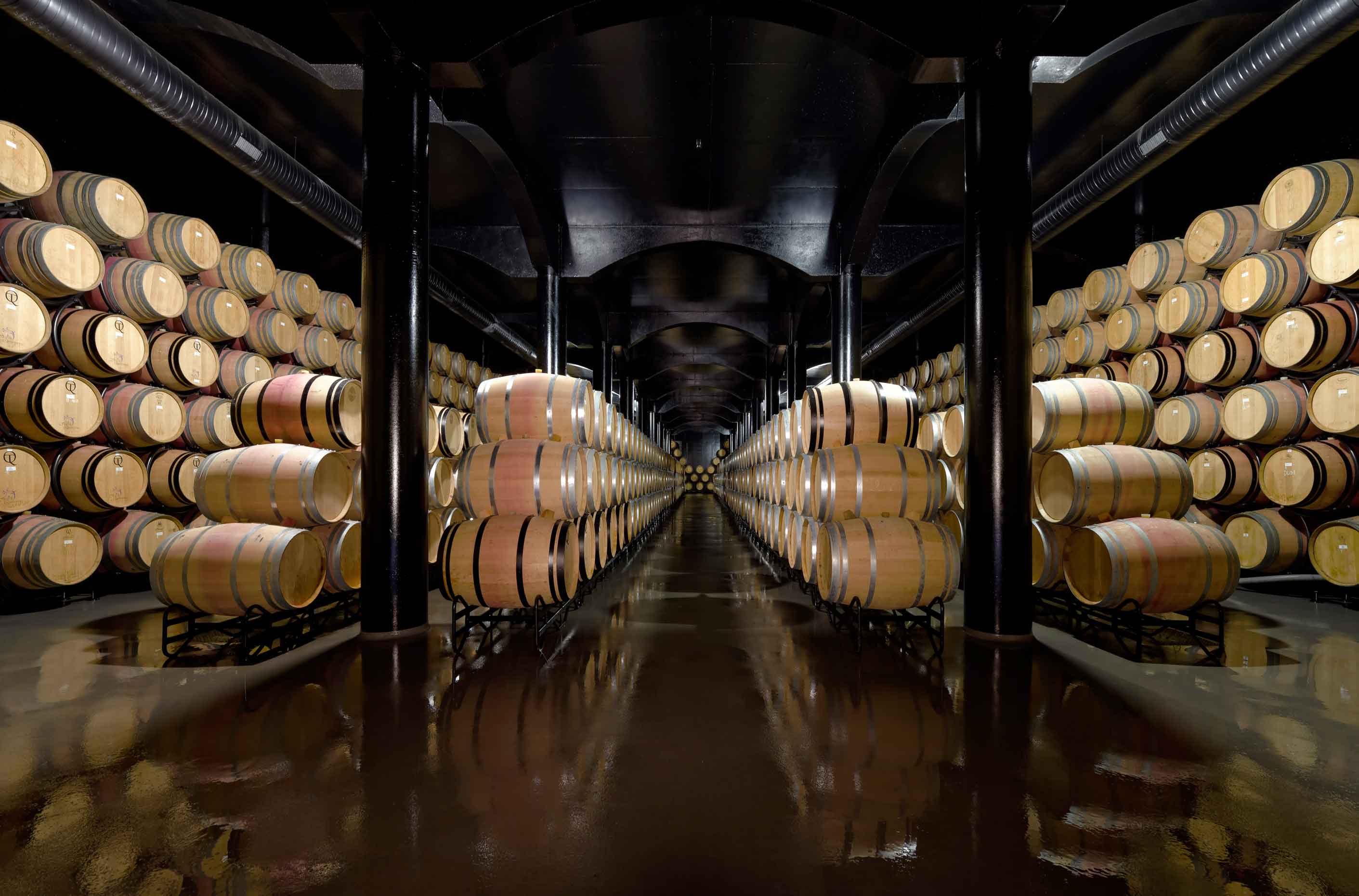
But the modern Douro is just as serious about its table wines. Touriga Nacional leads the charge — floral, structured, muscular without shouting. Tinta Roriz brings grip and spice. Touriga Franca adds perfume and ease. Blends dominate, because they always have. The Douro never cared for single-variety purity. Balance mattered more.
What’s striking is how contemporary these wines feel without losing their spine. There’s restraint now. Precision. Less oak bravado, more honesty. The valley hasn’t softened — the winemaking has simply grown up.
The quintas — working wine estates — are the true anchors of the region. Some are grand, polished, unapologetically historic. Others feel almost invisible, accessed by dirt tracks and guarded by little more than a dog asleep in the shade.
Many are still family-run, knowledge passed down with the same seriousness as land deeds. Harvest is chaos. Fermentation can still involve foot-treading in granite lagares, a ritual that feels both ceremonial and brutally practical. You don’t forget the sight of purple-stained legs moving in rhythm, sweat mixing with grape juice, tradition refusing to die quietly.
Hospitality here isn’t performative. You’re fed because it would be rude not to feed you. You’re poured another glass because the conversation isn’t finished yet.
Meals in the Douro are built for stamina. Salted cod, roasted goat, slow-cooked pork, rice dishes heavy with flavour and intent. Olive oil everywhere. Bread that matters. This is food designed to match the wines — robust, grounded, occasionally unforgiving.
You learn quickly not to rush. The valley doesn’t respond well to impatience. Coffee comes when it comes. Lunch ends when it ends. There is no schedule worth arguing over.
The Douro stays with you in ways other wine regions don’t. Maybe it’s the severity of the landscape. Maybe it’s the sense that this place existed long before you and will carry on without noticing your absence. There’s no desperation here, no need to impress.
It’s a region comfortable in its contradictions — wild yet controlled, historic yet evolving, generous yet indifferent.
You leave with dust on your shoes, tannin on your tongue, and the quiet understanding that some places aren’t meant to be consumed quickly. They’re meant to be returned to.
And the Douro, once it has you, tends to insist.