Departments
 Departments
Departments
Departments

New to Slowsip? Create Account
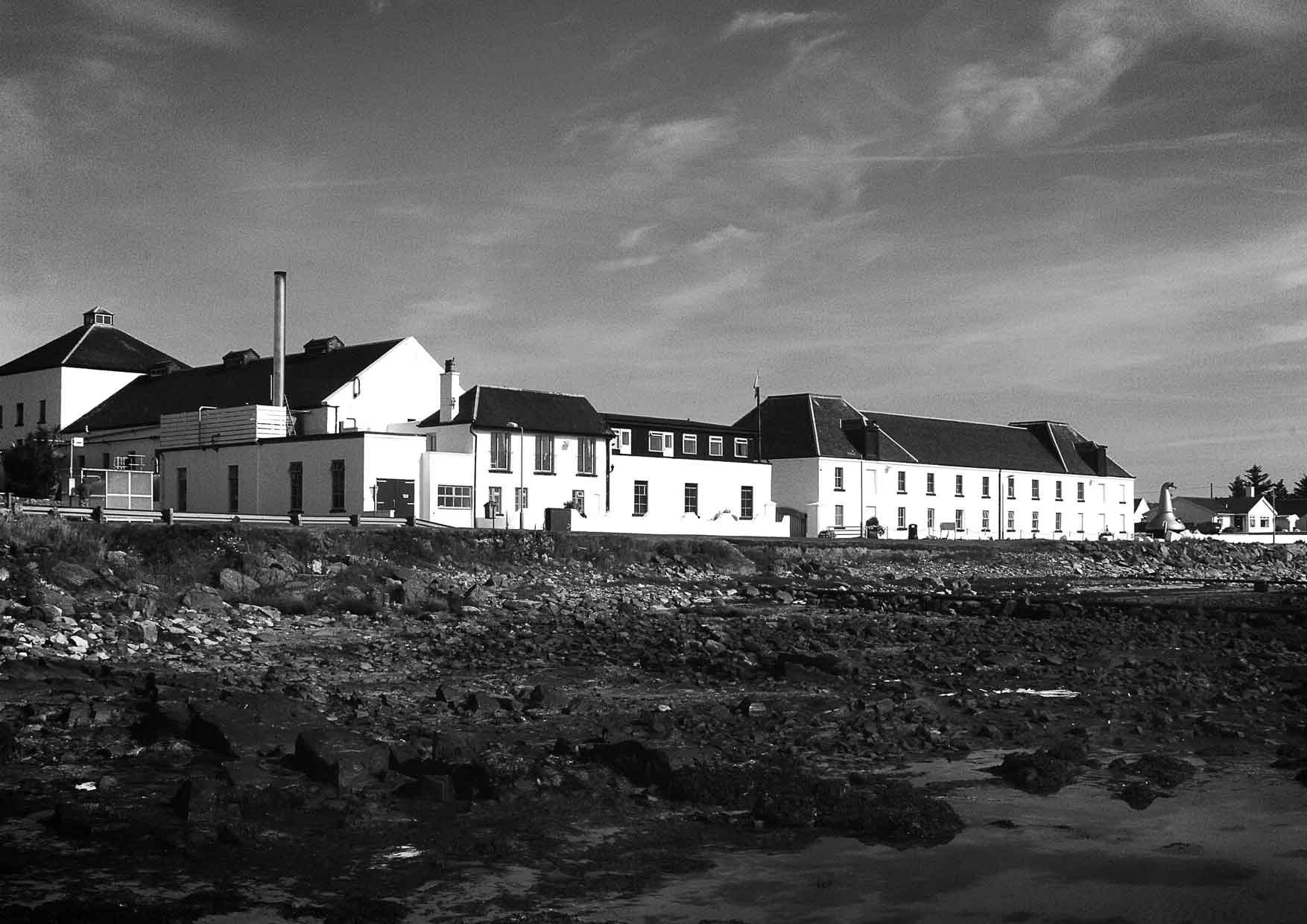
There was a moment, not so long ago, when the windswept island of Islay decided it might have something to say about rum.
It sounded improbable then. It still does now. After all, Islay is the spiritual home of peat smoke, sea air and stubbornly individual whisky. Rum belongs to warmer waters — the sugar islands of the Caribbean, where molasses and cane ferment under a different sun entirely.
And yet, in the late 2000s, the team behind Bruichladdich Distillery launched something quietly radical: a series of single-vintage Caribbean rums bottled in Scotland under the name Renegade Rum.
The idea wasn’t to make rum on Islay. That would have been gimmickry. Instead, the distillery approached rum the way Scotch had long treated whisky — with an obsession for provenance, cask character and the belief that the spirit deserved to be understood on its own terms.
For rum drinkers at the time, this was something of a revelation.
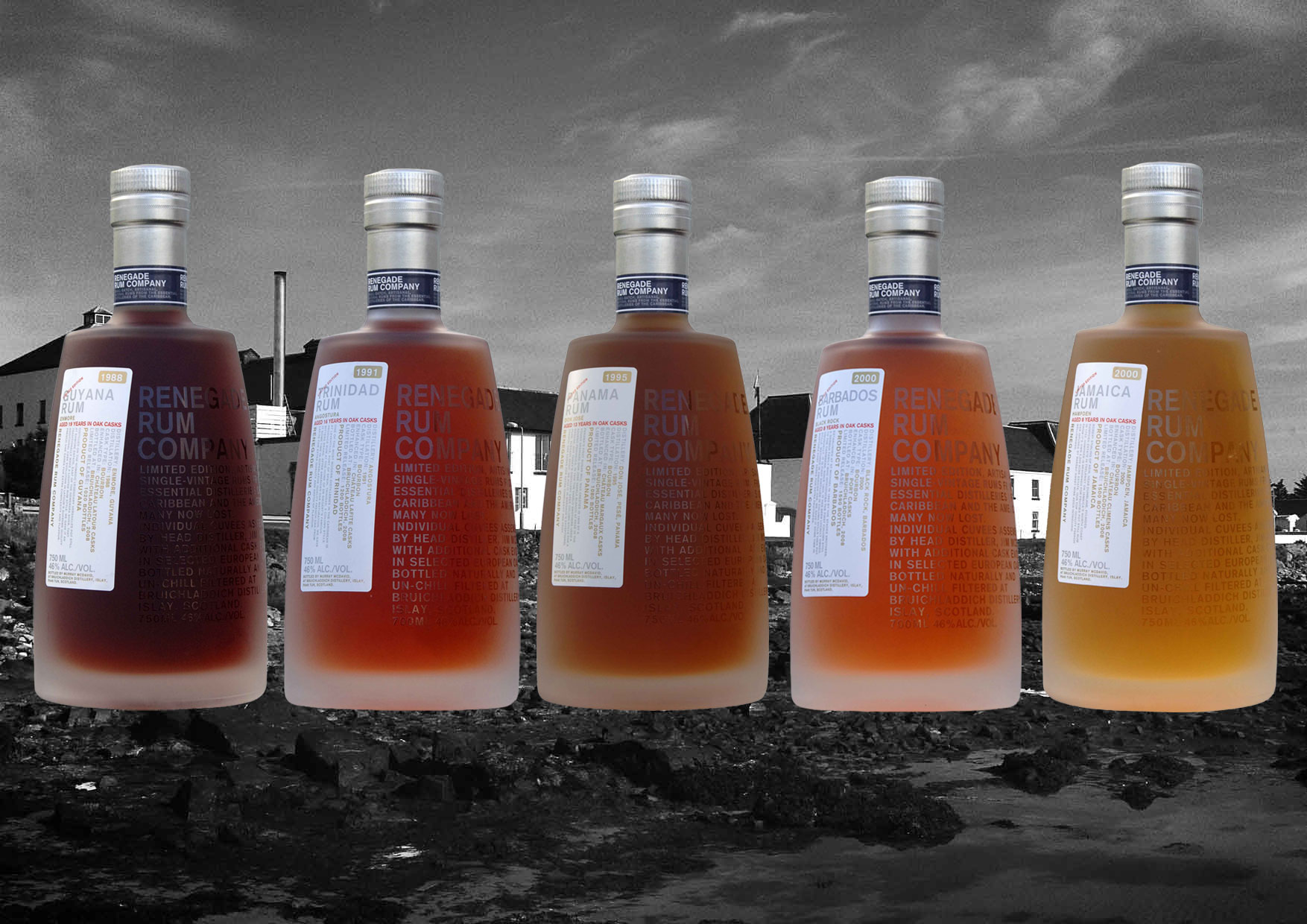
The Renegade bottlings appeared between 2008 and the early 2010s, at a moment when rum was still largely marketed as a cocktail ingredient rather than a spirit worth studying.
Most supermarket bottles were blends built for sweetness and consistency. Age statements were vague, provenance even vaguer. What Bruichladdich proposed was something altogether different: single distillery rums, from individual Caribbean estates, bottled much like a single malt.
Barbados. Guyana. Jamaica. Grenada. Trinidad. Panama.
Each release was drawn from a specific distillery and vintage, often sourced from stocks that had spent years quietly maturing in oak before being shipped to Scotland for further ageing and bottling.
The numbers were small — often between 900 and 1,500 bottles — and each cask was treated as an individual personality rather than something to be blended away.
For collectors and curious drinkers alike, it offered a rare glimpse into rum’s diversity.
One of Renegade’s more unusual touches was a maturation technique they called Additional Cask Evolution, or simply ACE.
Rather than leaving the rums entirely in their original American oak casks, some were finished in French oak barrels previously used for wine, Port or Madeira. The idea was not to disguise the spirit but to coax something extra from it — a secondary layer of texture and aroma that might otherwise remain hidden.
The work was overseen by Jim McEwan, Bruichladdich’s famously inventive master distiller at the time. McEwan had spent a lifetime around oak — he began as a cooper in his teens — and his instinct for how wood interacts with spirit was central to the project.
All Renegade rums were bottled without chill-filtration or artificial colouring and typically reduced to around 46% ABV with Islay spring water.
These were not designed for cola.
The project was championed by Mark Reynier, the entrepreneur who had revived Bruichladdich in the early 2000s.
Reynier saw parallels between the whisky industry’s past and rum’s present. Both had been shaped by small estates and distinctive stills before gradually becoming dominated by large international brands and blended spirits designed for mass appeal.
Rum, he believed, deserved the same respect that single malt whisky had slowly earned.
There was also a historical symmetry to the idea. Scottish families had long been involved in Caribbean rum estates, and many distilleries carried unmistakably Scottish names — Hampden, Westerhall, MacFarquharson among them.
Renegade was less an invasion than a conversation.
The Renegade bottlings themselves were produced for only a few years. Bruichladdich was sold to Rémy Cointreau in 2012, and the independent rum project quietly faded soon after.
Today the original Renegade releases remain collector curiosities — a snapshot of a moment when rum was just beginning to be discussed with the same seriousness as whisky.
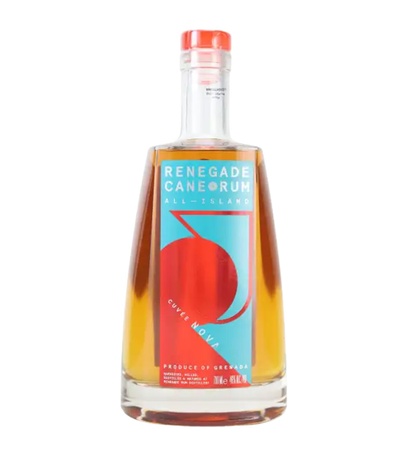
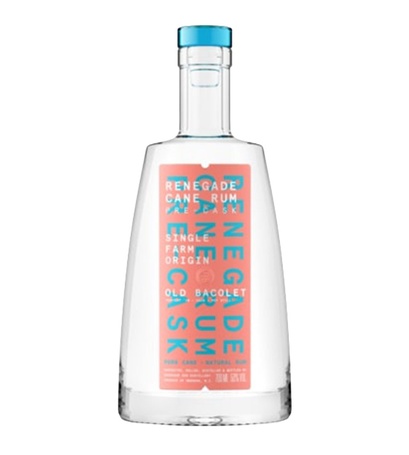
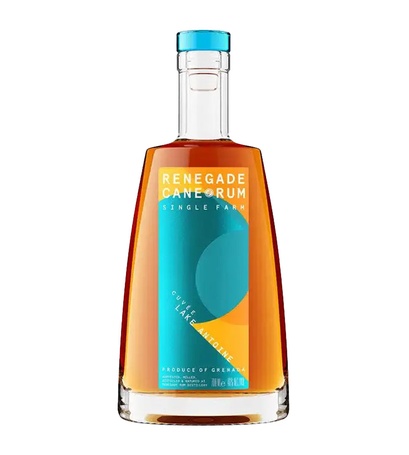
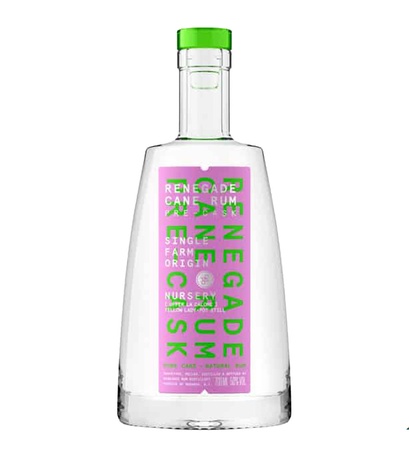
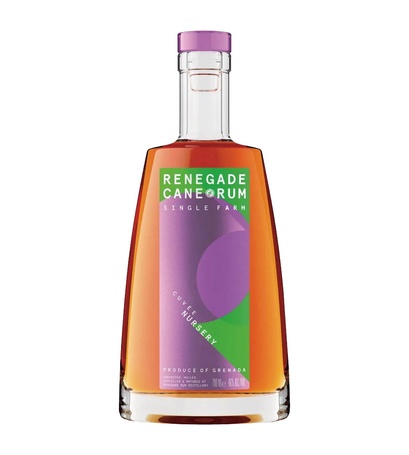
In a twist worthy of the name, Reynier would later return to rum in a very different way, founding Renegade Rum Distillery in Grenada. That project, launched in the 2020s, produces terroir-driven cane-juice rums grown, distilled and matured on the island itself.
A more complete circle is difficult to imagine.
Looking back, the Islay Renegade rums feel less like a commercial experiment and more like an early signal.
They arrived before the current wave of serious rum — before independent bottlers became fashionable, before drinkers began asking where their rum actually came from.
Bruichladdich didn’t invent that movement. But for a brief moment on a Scottish island better known for peat smoke than sugar cane, they helped nudge it forward.
And in the world of spirits, that kind of quiet provocation tends to age rather well.