Departments
 Departments

New to Slowsip? Create Account
Scotland's near-monopoly on serious whisky lasted roughly two centuries and ended, depending on how you count it, sometime in the last twenty years. Japan broke the monopoly first and has now been making world-class whisky for long enough that nobody seriously disputes it. What is less widely understood is how many other countries have followed — not by imitating the Scottish template, but by asking what whisky can become when it's made somewhere the climate, the water, and the cultural relationship with the spirit are all completely different.
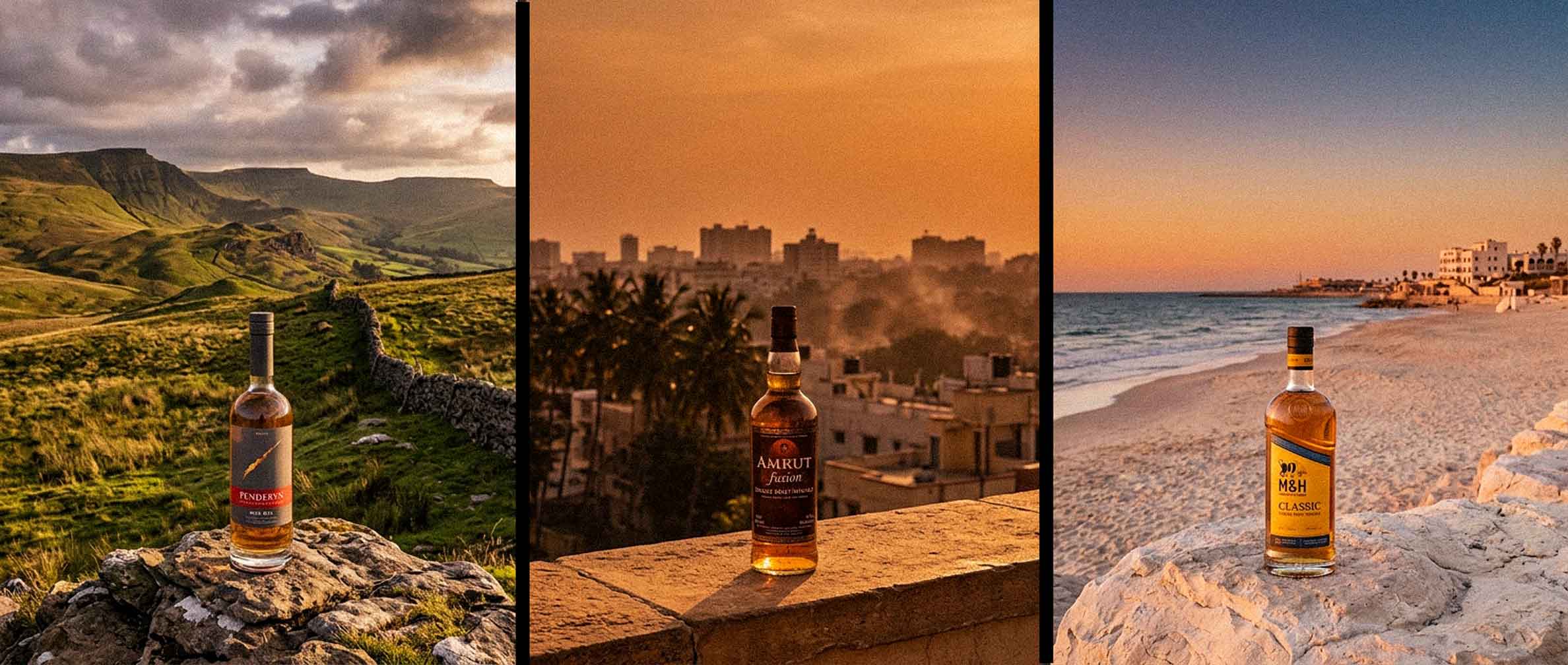
Wales, India, and Israel make an unlikely trio, and that is rather the point. None of these countries had any whisky-making tradition to speak of a generation ago. All three now produce expressions that stand up to serious critical scrutiny — not 'impressive for a new whisky country' scrutiny, but genuine comparison with the world's most respected single malts on the whisky's own terms.
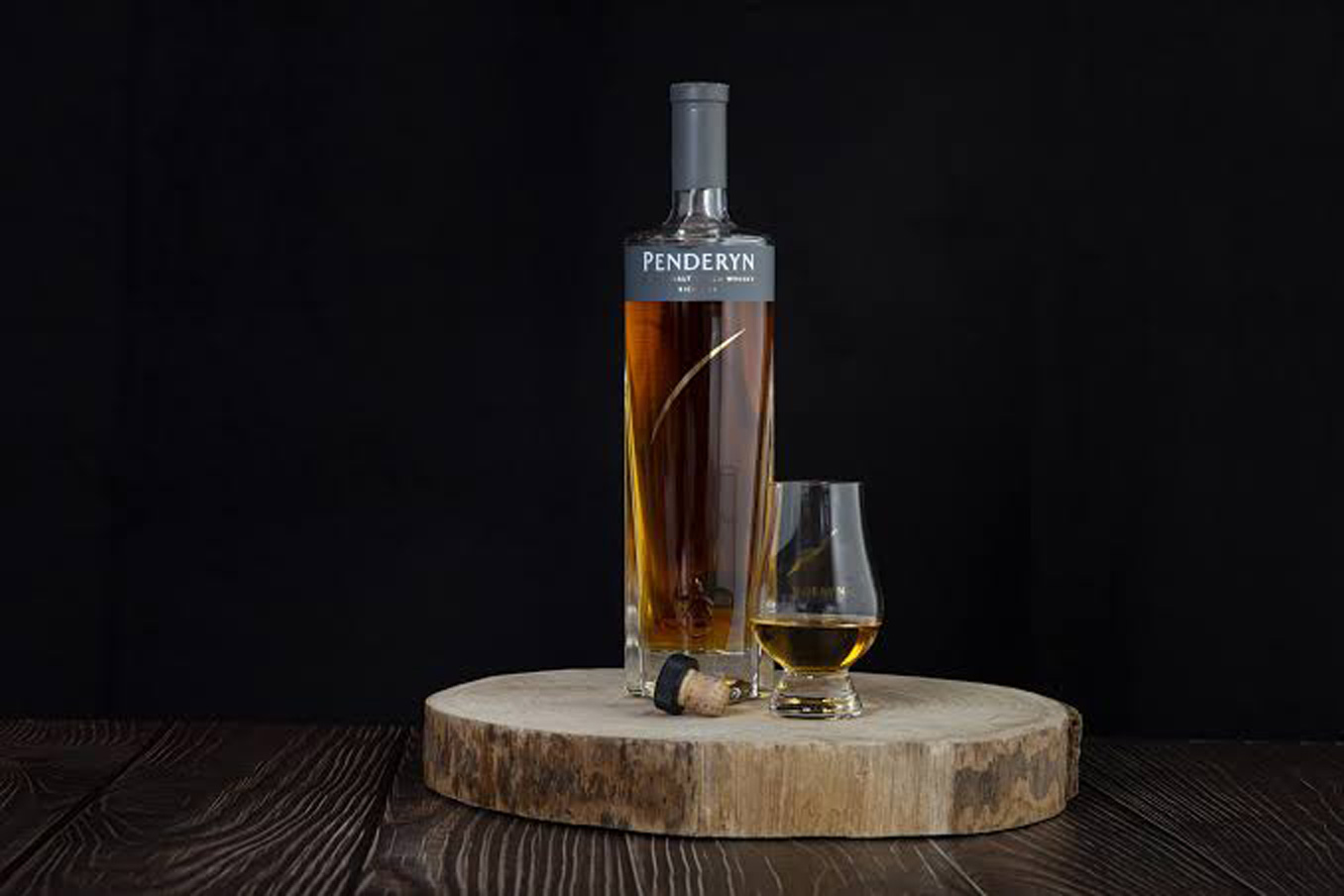
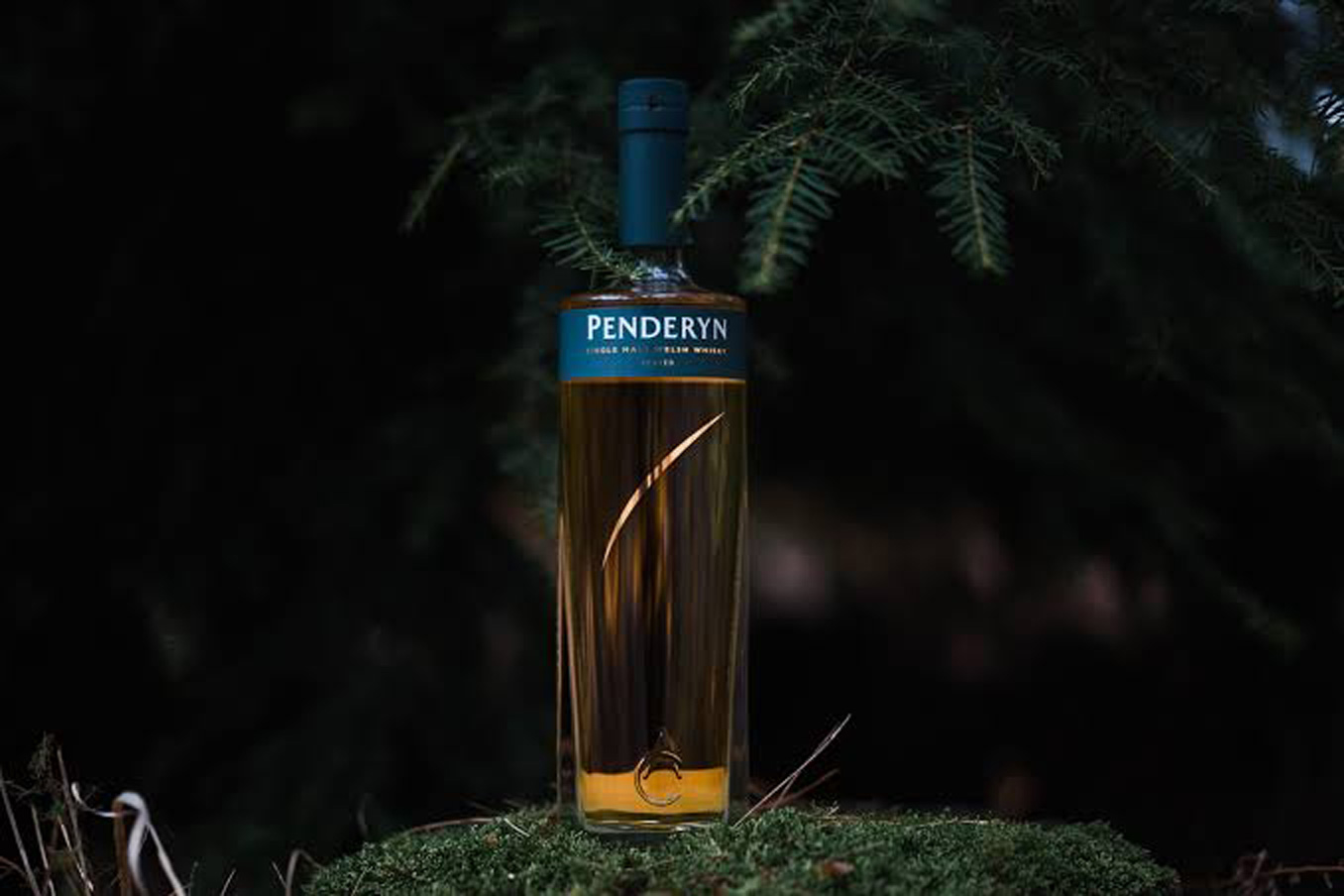
Wales stopped producing whisky in 1894 and did not start again for 106 years. The Welsh Whisky Company, founded in 2000 in the village of Penderyn in the Brecon Beacons, changed that — releasing the first commercially available Welsh whisky in over a century in 2004. The distillery draws its water from the Brecon Beacons National Park and uses a single continuous copper still of an unusual design, developed with input from Surrey University, that performs the work of several traditional pot stills in one pass. The result is a spirit of unusual purity that the distillery then finishes across a range of cask types to produce a family of expressions with a clean, fruity signature running through all of them.
Penderyn's achievement is not simply that Welsh whisky exists again. It is that the whisky is genuinely good enough to be judged on quality rather than novelty — the distillery's Celt and Rich Oak expressions have both won Double Gold at the San Francisco World Spirits Competition, one of the industry's most closely watched awards.
Rich Oak is matured in a combination of ex-bourbon and ex-sherry casks, producing the fullest and most classically structured expression in the core range: vanilla and toffee from the bourbon influence, dried fruit and a gentle spice from the sherry, and the clean, fruity base spirit running through both. At £42 it is the clearest single expression of what the distillery's unusual still produces, and the right starting point for anyone approaching Welsh whisky for the first time.
The Peated expression takes the same base spirit and matures it after using peated malt in production, adding a smoke character that sits more delicately than the assertive peat of Islay. It is Penderyn's argument that the clean, fruity character of the house style can accommodate smoke without losing what makes it distinctive. At £41 it is a genuinely interesting variation on the core range and a useful demonstration of the distillery's range.
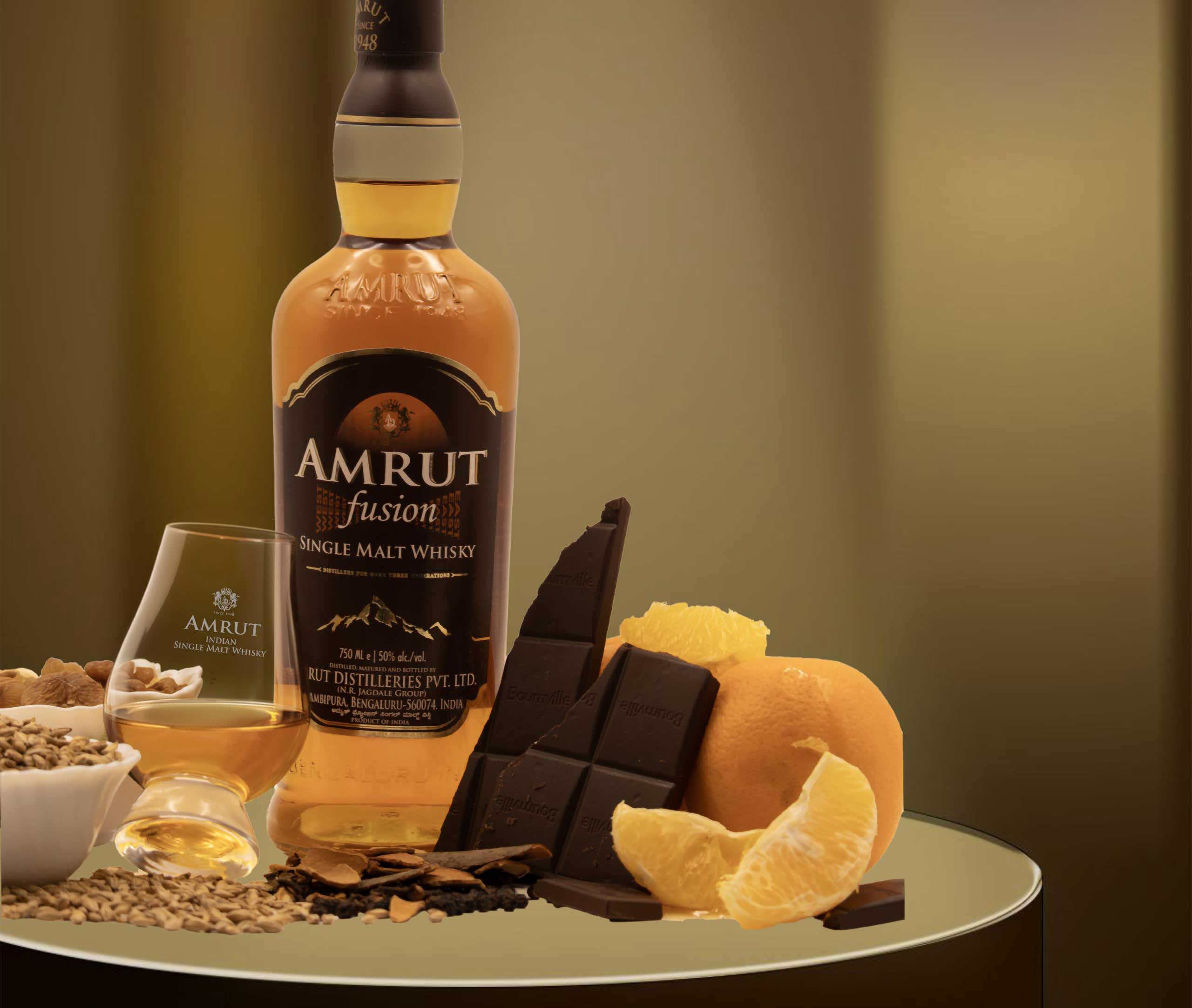
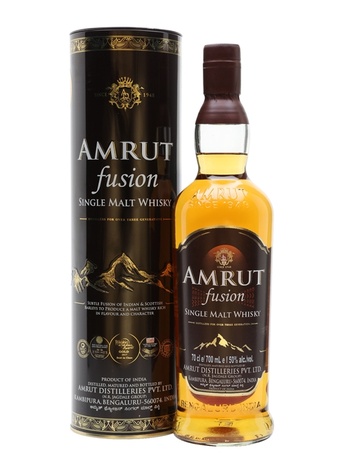
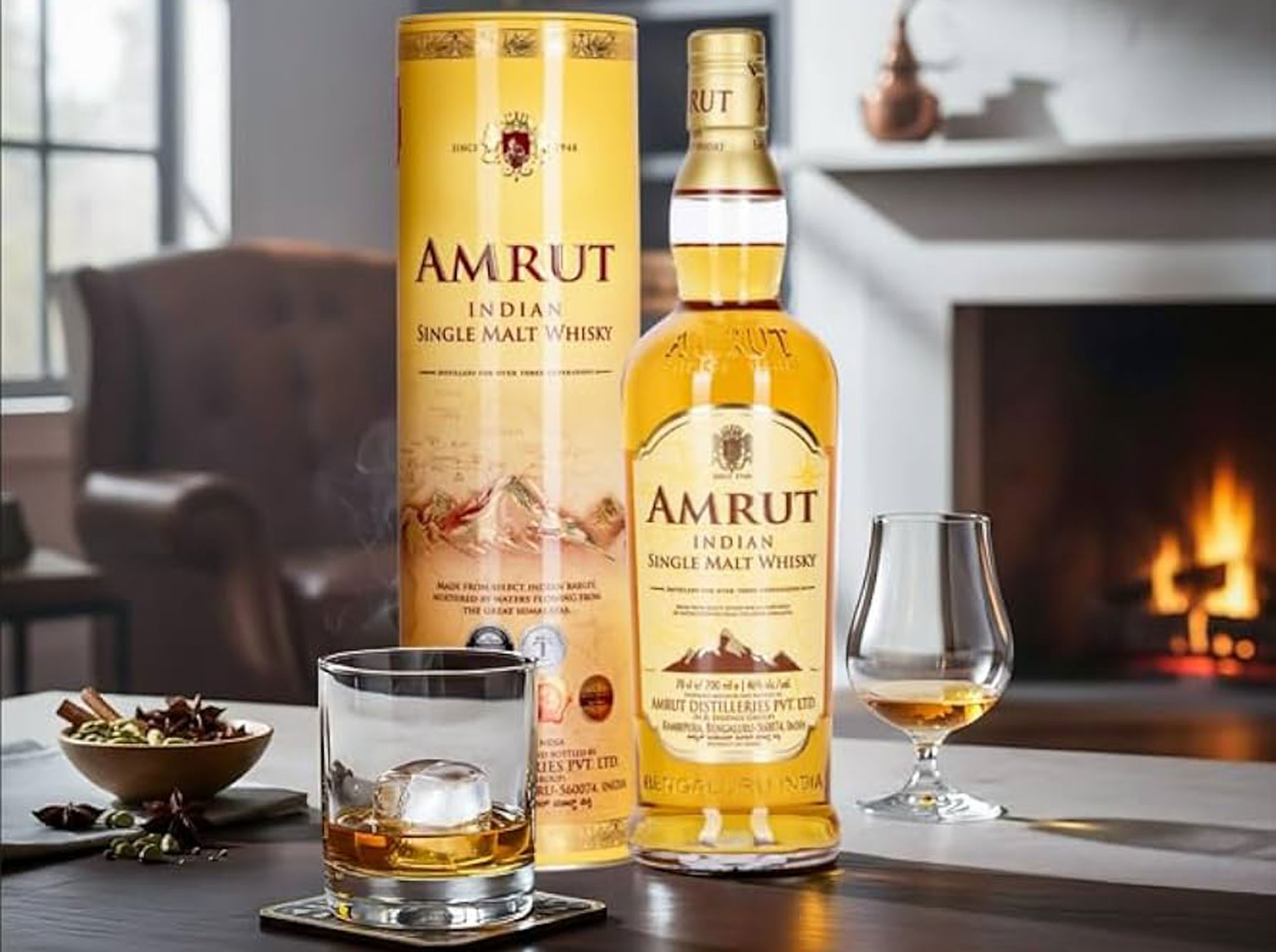
Amrut Distilleries was founded in Bangalore in 1948, initially producing rum and other spirits, and did not release a single malt whisky until 2004 — the same year, coincidentally, that Penderyn released its first bottle on the other side of the world. What happened next is one of the more remarkable stories in modern whisky. In 2010, the influential and famously demanding whisky writer Jim Murray named Amrut Fusion the third best whisky in the world, ahead of dozens of long-established Scottish distilleries with centuries of accumulated reputation. The ranking startled the whisky world and put Indian whisky on a map it had never previously occupied.
The reason Amrut can produce whisky of this character in a fraction of the time a Scottish distillery requires comes down to climate. Bangalore's tropical heat dramatically accelerates the interaction between spirit and cask — the wood expands and contracts more violently with the heat, drawing the spirit in and out of the oak far more actively than the cooler, more stable Scottish climate allows. A six-year-old Amrut can carry the depth and complexity of a Scotch twice or three times that age, though it develops a different character in the process: more immediate, more overtly fruity, less reliant on decades of patience to arrive at complexity.
Amrut Fusion is the whisky that made the distillery's international reputation, and the bottle to buy if you want to understand the specific claim that Indian whisky can compete with anything Scotland produces. The 'fusion' in the name refers to the blend of Indian and Scottish barley used in production — a genuinely distinctive approach that produces a spirit balancing tropical fruit intensity with a more familiar cereal backbone. Honey, dried fruit, and a spiced oak note that has clearly done a great deal of work in a relatively short maturation. At £64 it remains one of the most interesting whiskies available at the price, regardless of country of origin.
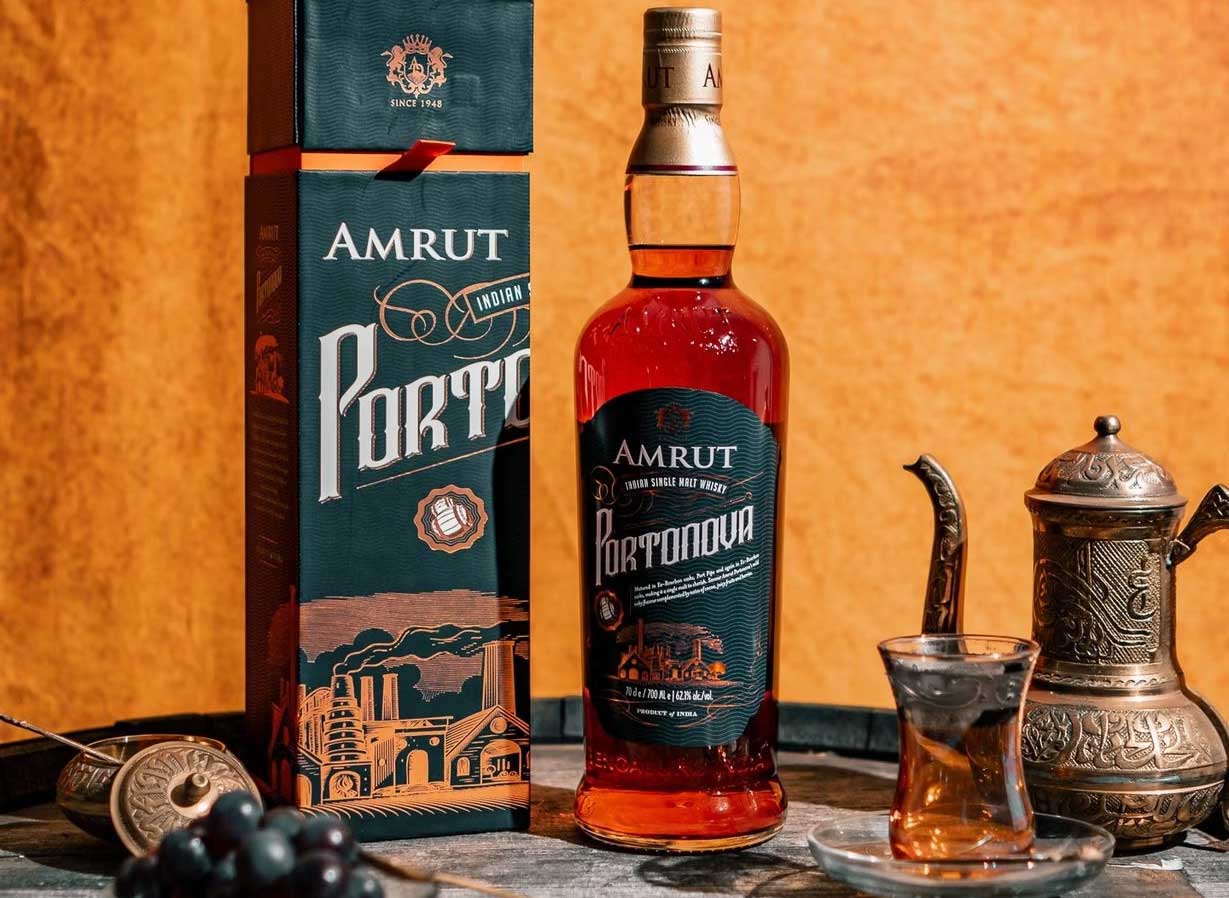
Portonova finishes the Fusion base in port pipes, adding a deep purple-red fruit character to the already intense tropical profile — dark berries, plum, a rich sweetness that never tips into cloying because the underlying spirit has enough structure to carry it. At £85 it is Amrut's more ambitious statement, and one that rewards the kind of attention usually reserved for much older and more expensive Scotch.
Rangi is matured using a rye finish, a departure that most Scotch producers rarely attempt and that suits Amrut's intense base spirit particularly well — the rye brings a peppery, spiced dryness that cuts through the tropical richness and adds a savoury dimension. At £75 it is the most adventurous bottle in Amrut's core range and a useful demonstration that the distillery's ambitions extend well beyond replicating a Scottish template.
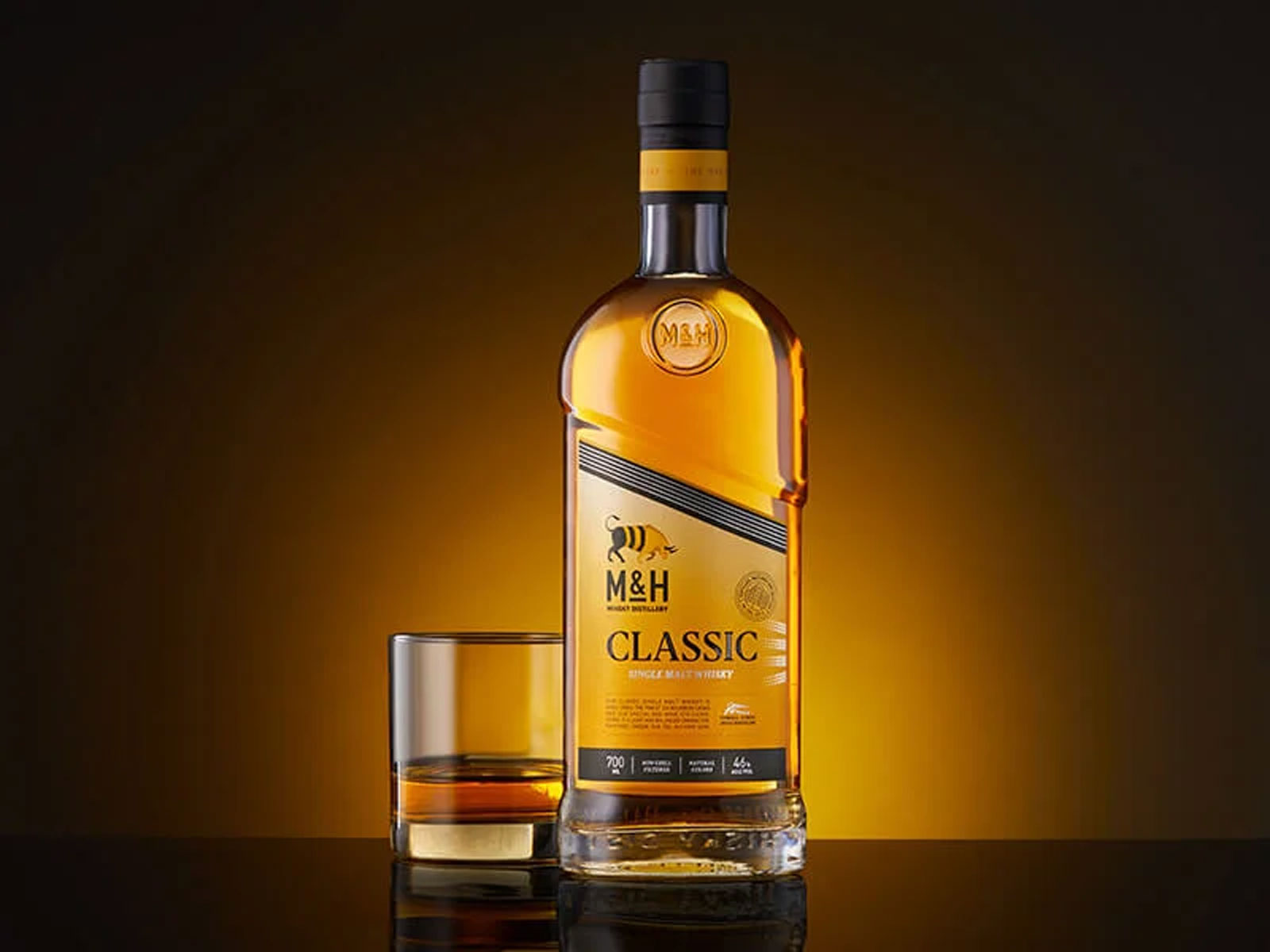
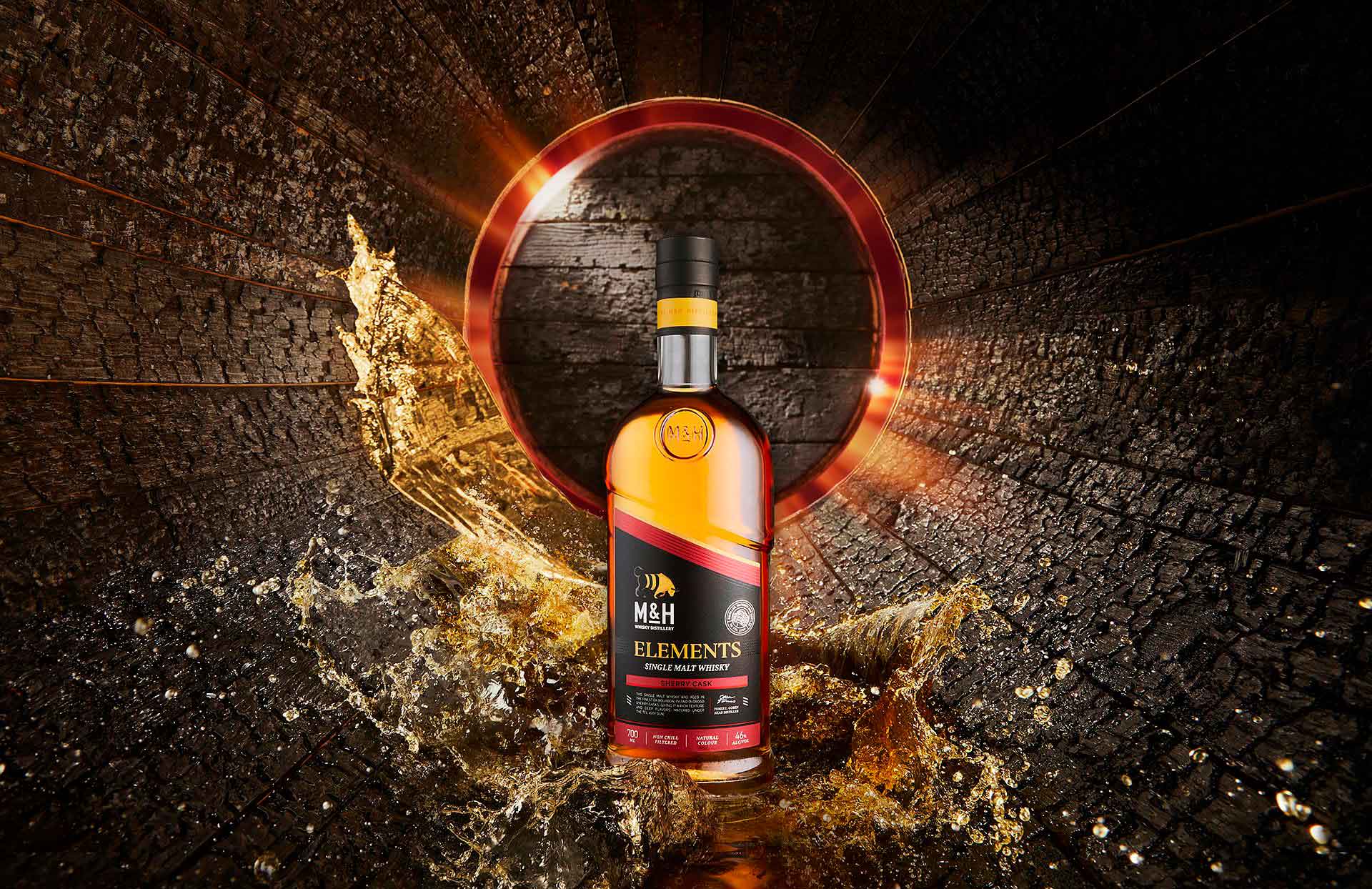
Milk & Honey — M&H — is the youngest of the three producers covered here, founded in Tel Aviv in 2013 and releasing its first single malt only in 2018. What it lacks in history it has been making up for in ambition: Israel's climate is, if anything, more extreme than Bangalore's, and the distillery has leaned into rapid maturation in much the same way Amrut has, while also drawing on Israel's wine industry for cask finishing options that few other whisky producers have access to.
The Classic Single Malt is M&H's core expression and the clearest statement of house style: matured in ex-bourbon and STR (shaved, toasted, re-charred) red wine casks, it carries vanilla and stone fruit alongside a gentle spice that reflects both the accelerated maturation and the local wine cask influence. At £55 it is a serious young whisky from a distillery that has moved with unusual speed from founding to genuine critical respectability.
The Elements Sherry brings a fuller, more traditional sherry-cask character to the M&H house style — dried fruit and dark chocolate against the tropical intensity the climate produces. At £64 it demonstrates that M&H's rapid maturation approach can accommodate the classic Scotch cask profile as readily as it handles more experimental finishes.
The common thread across Penderyn, Amrut, and M&H is not shared technique or shared climate — those differ considerably between a Welsh valley, an Indian city, and an Israeli coastal plain. The common thread is that all three producers arrived at whisky-making without the burden of two centuries of Scottish convention, and made decisions about production, maturation, and finishing based on what worked in their specific conditions rather than what tradition dictated. The results are not approximations of Scotch. They are answers to a different question: what does whisky become when the place making it is allowed to shape the outcome rather than disguise itself?
Scotland will remain the reference point for single malt whisky for the foreseeable future, and nothing here argues otherwise. But the reference point is no longer the only serious conversation. Penderyn's clean, fruit-forward Welsh style, Amrut's tropical intensity, and M&H's rapid, wine-cask-influenced Israeli approach are each making a specific and increasingly well-supported case that geography, once treated as a limitation, has become one of the most interesting variables in whisky.