Departments
 Departments
Departments
Departments

New to Slowsip? Create Account
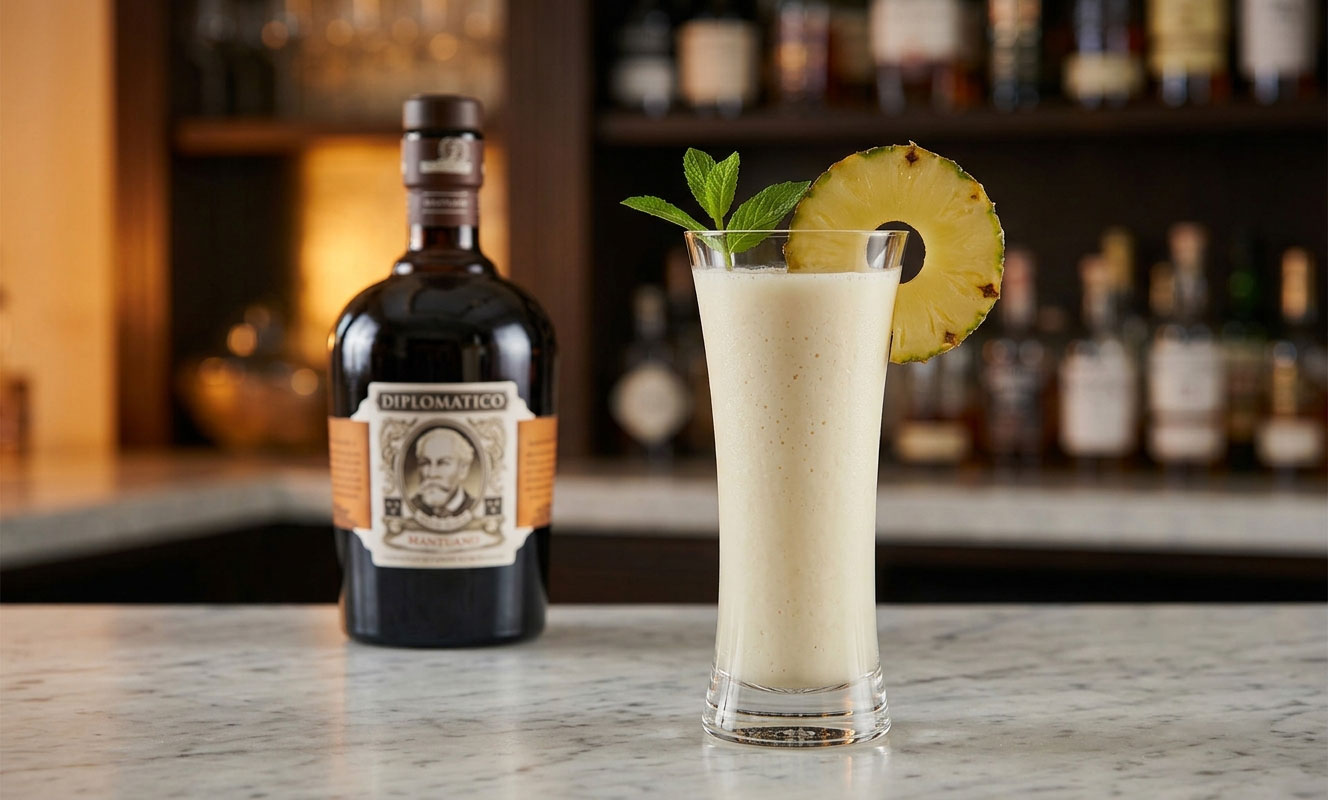
The Piña Colada was invented in 1954 at the Caribe Hilton in San Juan, Puerto Rico, by bartender Ramón 'Monchito' Marrero — a fact worth knowing, because it reframes the drink entirely. This was not a holiday gimmick. It was a serious bartender applying craft to three ingredients — rum, coconut, pineapple — that happen to work together with unusual precision. What happened next was that the industrial food system got involved: tinned pineapple, sweetened coconut cream from a packet, cheap white rum from a plastic bottle, and a blender applied at high speed until the whole thing tasted of nothing in particular. The recipe below undoes that damage.
Add the rum, coconut cream, pineapple juice, lime juice, and sugar (if using) to a blender with one cup of ice.
Blend on high for 20–25 seconds — long enough to achieve a smooth, consistent texture without over-diluting. The drink should be thick but pourable, not watery.
Taste before pouring. The balance should be: tropical and coconut-forward, with the rum present but not dominant, and the lime providing a clean bright edge that stops it being cloying. Adjust with a small amount of additional lime if it needs lift, or a touch more coconut cream if it needs body.
Pour into a chilled glass.
Garnish with a thin pineapple wheel resting on the rim and a sprig of fresh mint alongside it. Serve immediately — this drink does not hold.
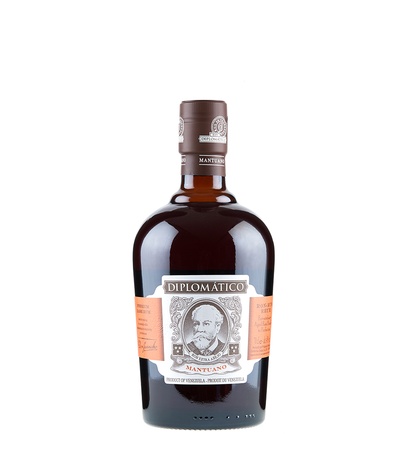
The Piña Colada was always intended to be made with aged rum. The coconut and pineapple are rich, sweet, and tropical — they need a rum with enough character to hold its own rather than disappear into the blend. A good white rum makes a cleaner, lighter drink. A good aged rum makes a better one. Diplomatico Mantuano (£30) is the recommended choice: aged, Venezuelan, with a caramel sweetness that complements the coconut without competing with it. Bacardi 8 Years (£40) is the more traditional choice — slightly drier, with less sweetness, producing a cleaner and more spirit-forward result. Captain Morgan Black Rum (£26) works well for a fuller-bodied, spiced variation that leans into the tropical character. All three are on the site — the choice depends on what you want the drink to emphasise.
Some bartenders insist on shaking rather than blending a Piña Colada — a technique that produces a more texturally interesting drink with better aeration and a cleaner flavour. It also requires significantly more effort and a cocktail shaker with a fine strainer. If you have both and the inclination: shake hard with ice for 15 seconds, double strain into a chilled glass over crushed ice. The blended version above is more consistent and more forgiving, which is why it's the method specified here.