Departments
 Departments

New to Slowsip? Create Account
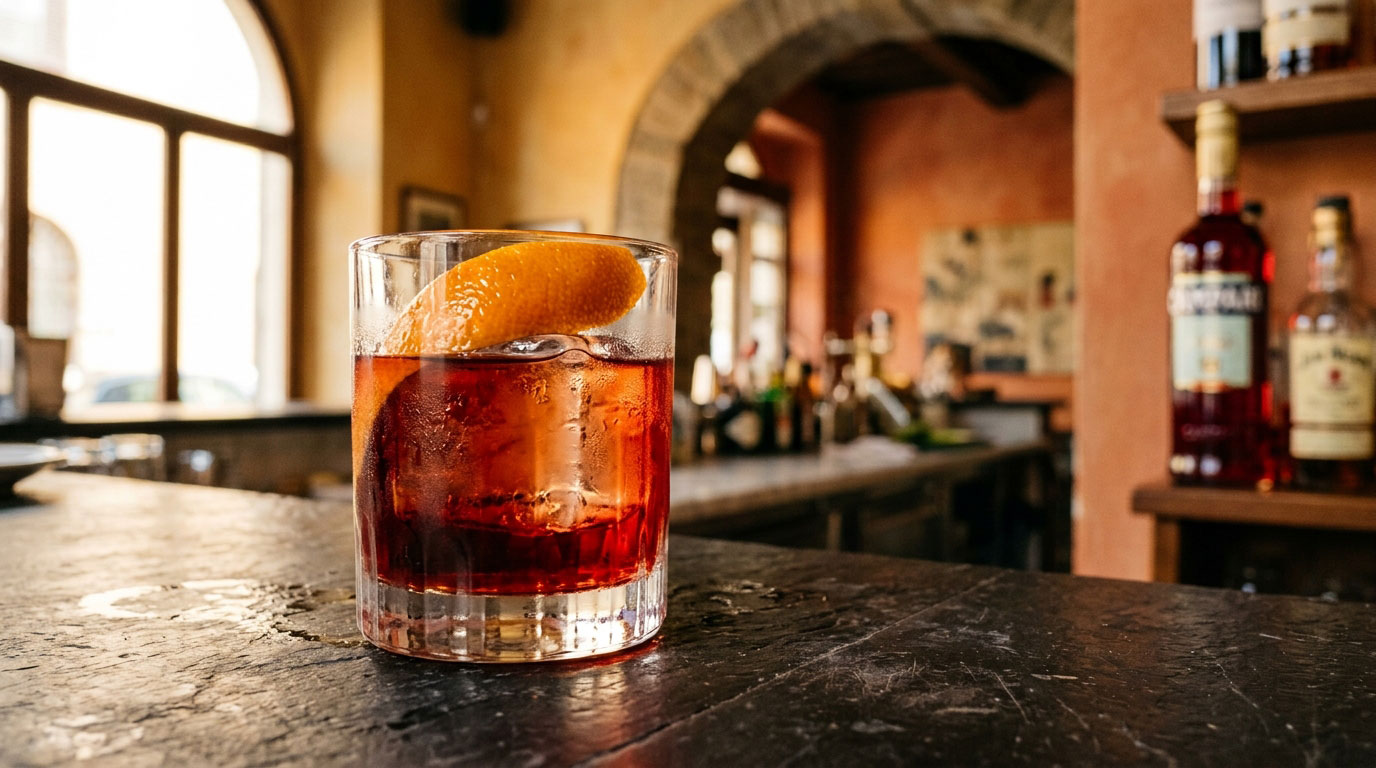
The Negroni was invented, according to the most widely accepted account, in Florence in 1919, when Count Camillo Negroni asked a bartender at Caffè Casoni to strengthen his usual Americano by replacing the soda water with gin. It took several decades to appear in print under its current name, and considerably longer to become the fixture it is today — but the structure has not changed since that first request. Equal parts gin, Campari, and sweet vermouth, stirred over ice, garnished with orange. Three ingredients, one ratio, and more disagreement about how to execute it than almost any other classic cocktail. The disagreements are mostly worth having. Here is where they land.
Combine the gin, Campari, and vermouth in a mixing glass with plenty of ice — the mixing glass should be at least two-thirds full.
Stir for 20–25 seconds. The Negroni benefits from slightly less dilution than a Martini; it is a lower-proof drink to begin with, so over-diluting it flattens the flavour rather than sharpening it.
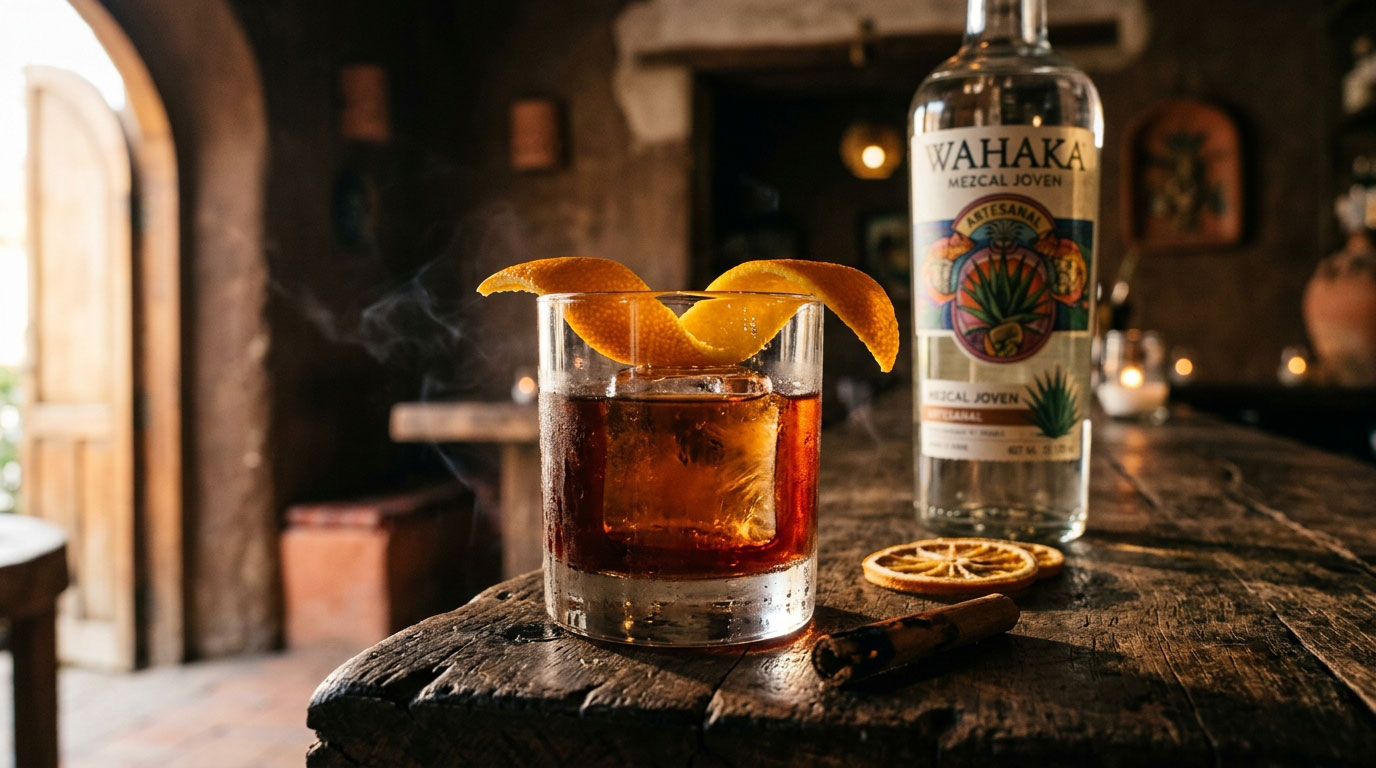
Strain into a rocks glass over one large ice cube.
Express the orange peel over the surface of the drink — hold it skin-side down, squeeze firmly so the oils spray across the top, then run it around the rim before dropping it in or resting it on the rim.
Serve immediately. The Negroni is not a drink to leave sitting; the ice will do its job whether you're paying attention or not.