Departments
 Departments
Departments
Departments

New to Slowsip? Create Account
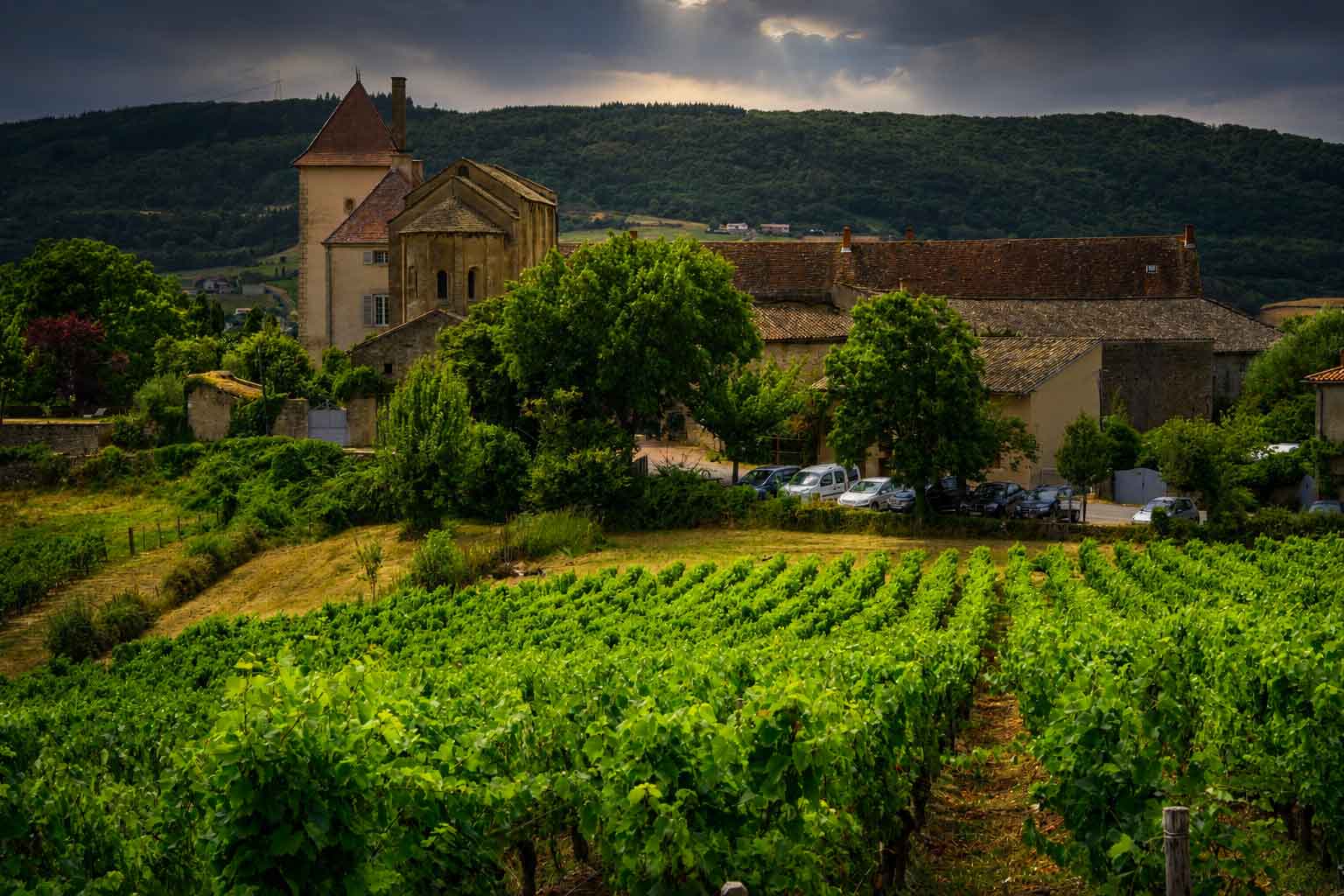
There is a peculiar madness to Burgundy. No other wine region generates quite the same volume of opinion, reverence, resentment, and argument per square kilometre. Talk to a collector and you'll hear about the grands crus — the Romanée-Contis and Musignys and Chambertin Clos de Bèzes — spoken of with the kind of hushed authority usually reserved for Old Masters. Talk to a sommelier who has spent time in the region, who has walked the vines at dawn and eaten in the village bistros and understood, slowly, what's actually happening here, and you'll get a different story entirely.
The names at the top are exceptional. They're also, for most people, irrelevant. A bottle of La Tâche costs more than a weekend in Paris. A Premier Cru from a village grower whose family has farmed the same 1.2 hectares since the 1950s costs considerably less — and in the right vintage, from the right producer, offers something equally difficult to forget.
That's the argument Burgundy keeps having with itself, and with the world: whether the hierarchy is real, whether the price makes sense, whether the mystique has become detached from the liquid. The honest answer is complicated, which is probably why the conversation never ends.
What makes it different is not the grape, at least not on paper. Pinot Noir and Chardonnay are grown everywhere now — New Zealand, California, Oregon, Champagne, Alsace. They can be magnificent in all those places. But Burgundy remains the reference point, and not out of nostalgia.
The geology here is extraordinary. The Côte d'Or — the golden slope that runs from Dijon south through Nuits-Saint-Georges, Beaune, and into the Côte Chalonnaise — is a narrow band of exposed limestone and clay laid down over millions of years. The vines go deep. In some plots, the roots are navigating rock 15 metres below the surface, drawing minerals from formations that predate almost everything we know. The result, in wine terms, is a kind of specificity that doesn't translate. You can replicate a Burgundy style. You cannot replicate a Burgundy terroir.
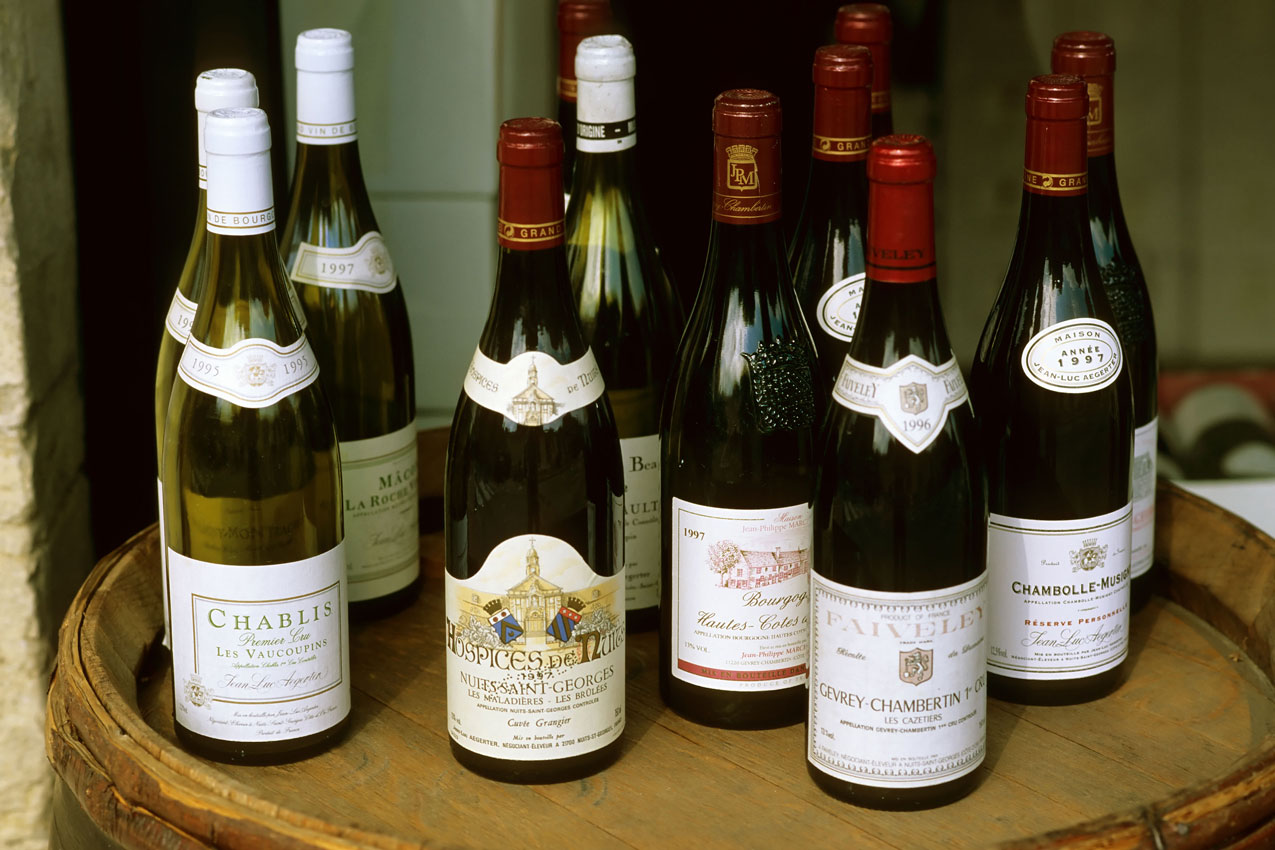
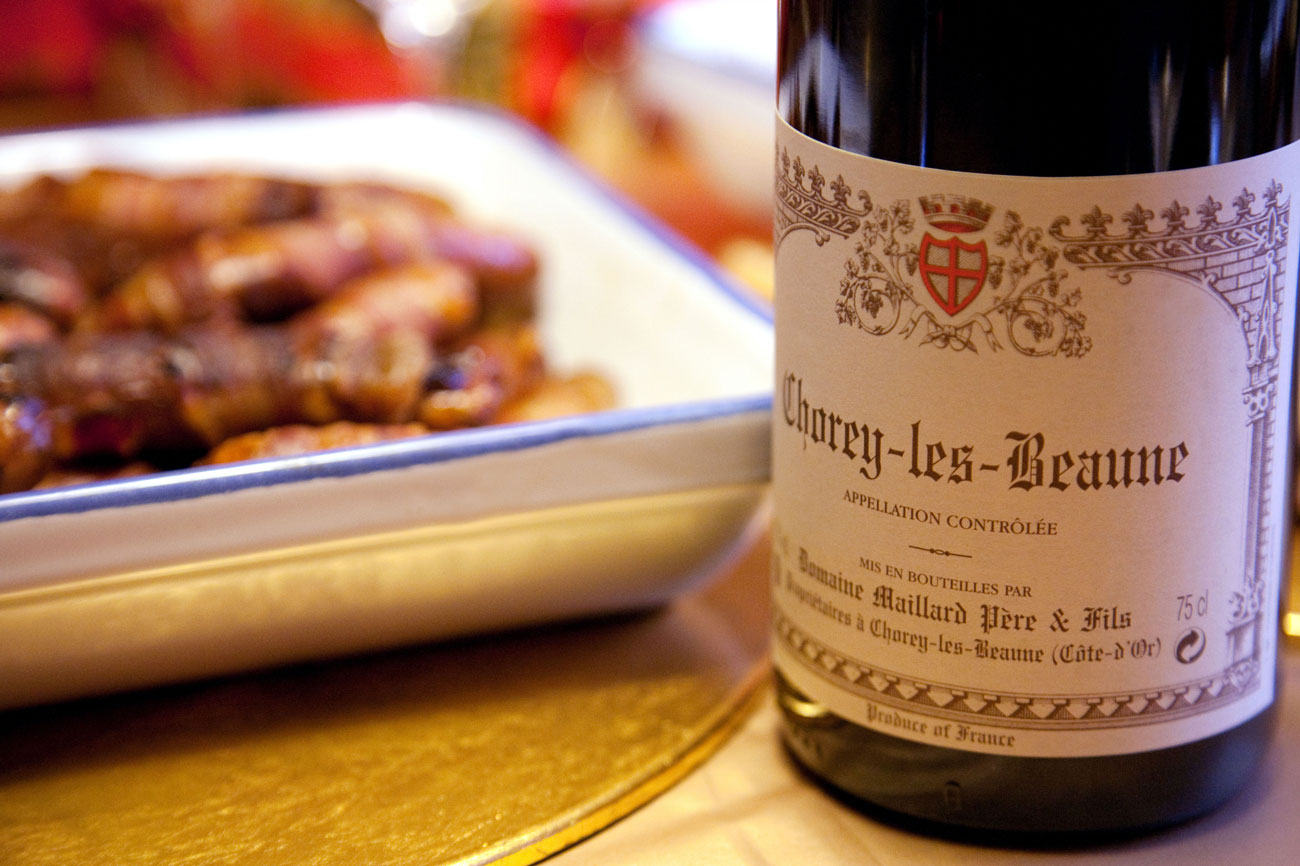
Pinot Noir in this context does something remarkable. It becomes translucent, almost fragile looking in the glass — pale ruby, occasionally with a faint garnet edge — but structurally intricate in a way that reveals itself over hours. Pour it at 7pm and come back to it at 9pm and it will be a different wine. The aromatic shift from cherry and violet to forest floor and game and something almost meaty is one of the more compelling experiences wine offers. It is not easy drinking. It is something better than that.
Chardonnay, in the villages of the Côte de Beaune — Meursault, Puligny-Montrachet, Chassagne-Montrachet — does something equally precise. This is mineral wine, built on tension rather than richness, with an acidity that structures everything and a finish that persists longer than seems possible. It has nothing in common with the Chardonnay people think they don't like.
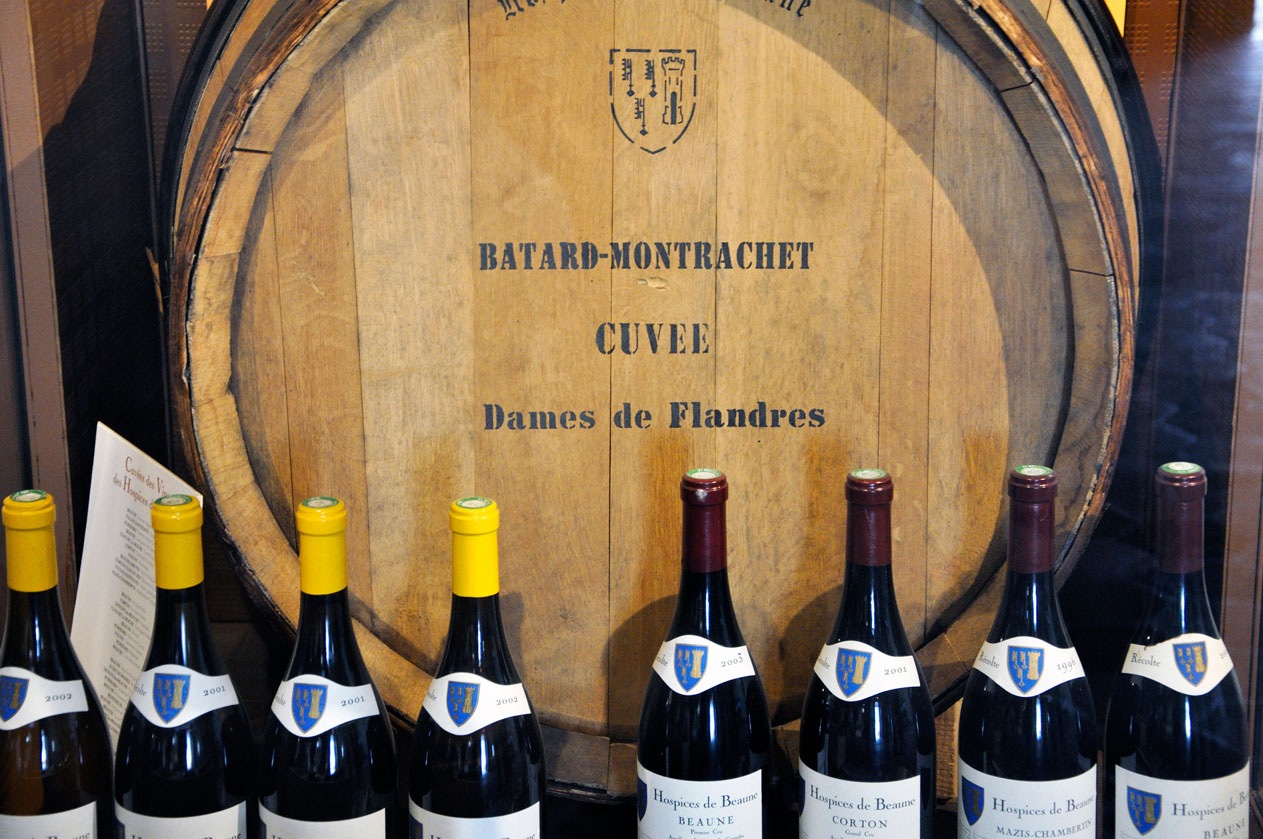
he growers worth knowing are not necessarily the ones with the highest auction prices or the most column inches in the international wine press. They are, often, people operating modest domaines in villages that don't appear on the tourist maps — Auxey-Duresses, Saint-Aubin, Monthélie, Marsannay. Places where the land costs a fraction of Gevrey or Vosne, where the wines are not trying to be grand crus and are not priced as such, and where the winemaking is attentive, personal, and unhurried.
This is where Burgundy rewards the curious over the credulous. The person who arrives with a list of famous names will find the wines either unavailable or priced beyond reason. The person who arrives willing to ask questions — who that grower is, what that village produces, why this parcel has its own identity — will find something that the auction market cannot value, because it hasn't been discovered yet.
The window doesn't stay open indefinitely. Burgundy has been subject to the same tide of international attention that has swept through fine wine generally, and prices across the appellation have risen accordingly. But the villages are still there. The families are still farming. And the wines, in a good vintage — 2023 looks quietly excellent, 2022 before it was extraordinary — are still being made with the kind of patient craft that takes decades to learn.
There's a version of this story that becomes a lament about money and scarcity and the way prestige distorts everything. We're not especially interested in that version. The region is complicated and occasionally maddening, but it is also, at every level below the top, full of wine worth drinking — wine that repays attention, that ages in ways nothing else quite manages, and that continues, stubbornly, to justify the argument.
We've written about the region properly. The growers, the villages, the vintages that matter, and the cases where the price-to-quality relationship still makes sense.