Departments
 Departments
Departments
Departments

New to Slowsip? Create Account
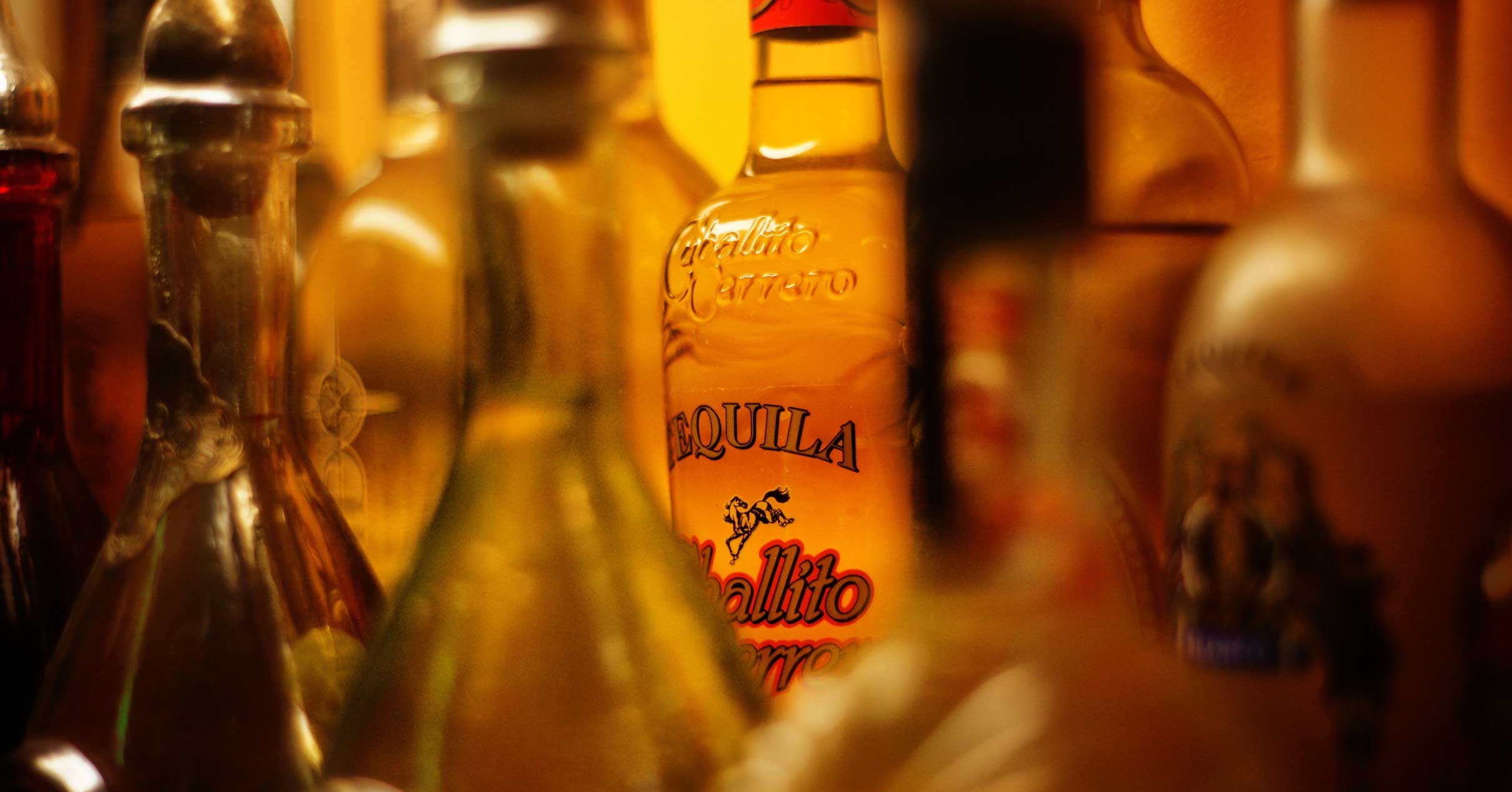
The answer is one of the more interesting stories in drinks. Tequila has, in the space of roughly two decades, undergone a transformation so complete that the spirit's former reputation — the one associated with lime wedges, salt, and regret — barely registers now among serious drinkers. What has replaced it is something altogether more considered. Premium, aged, estate-produced tequilas that demand to be poured into a decent glass and approached with the same attention you would give a single malt or a fine Cognac.
The parallel with whisky is not an accident. It is, in fact, the most useful frame for understanding where tequila has arrived.
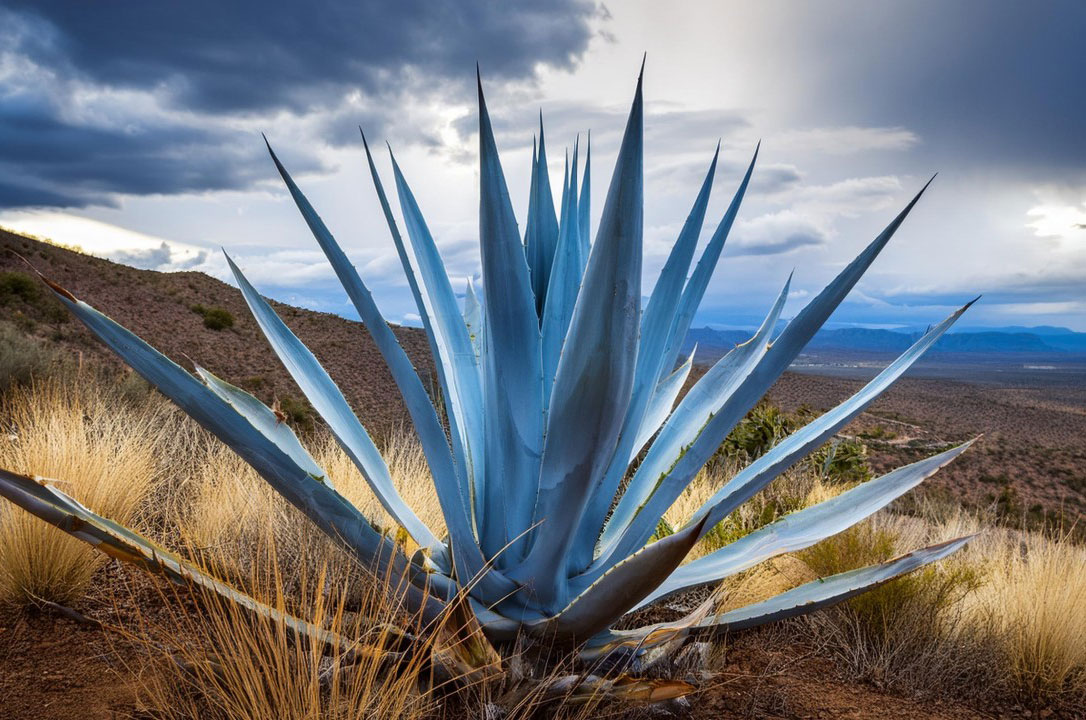
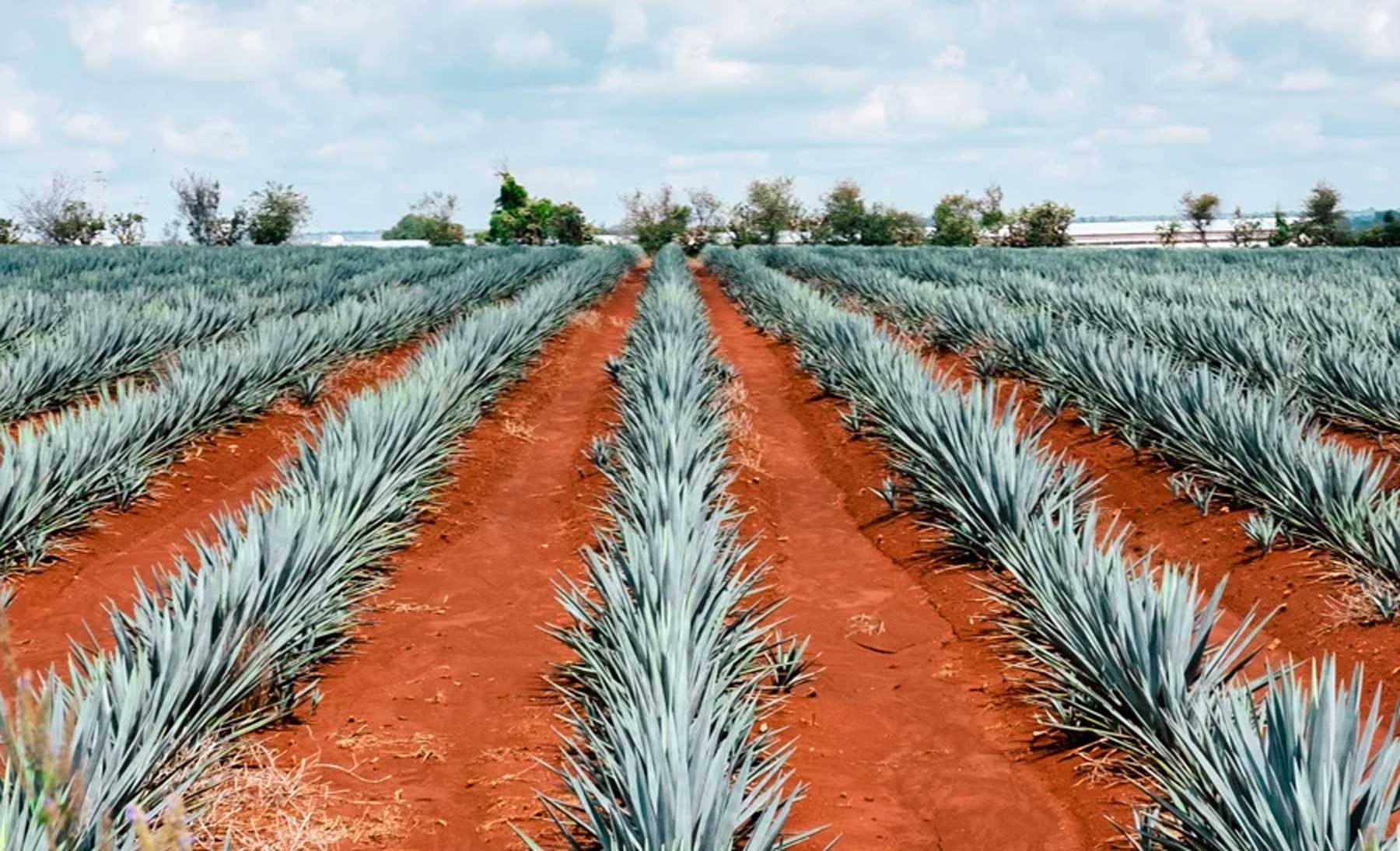
Blue Weber agave — the only variety permitted in the production of tequila — grows slowly. In the highlands of Jalisco, the red volcanic soil and the elevation push that maturation period to eight years or more. In the lowlands, the conditions are different: richer earth, faster growth, a more herbaceous character. The highland plant produces something with more sweetness, more fruit, more of the floral precision that distinguishes a properly made tequila from the industrial product that dominated the category for so long.
This is terroir. Not as a marketing device, but as a genuinely operative concept — the specific combination of place, plant, and process that produces a flavour profile you cannot replicate elsewhere. It is the same argument that runs through Burgundy, through Scotch whisky's regional character, through the finest Cognac houses of the Grande Champagne.
The producers who understand this are the ones building something that will last.
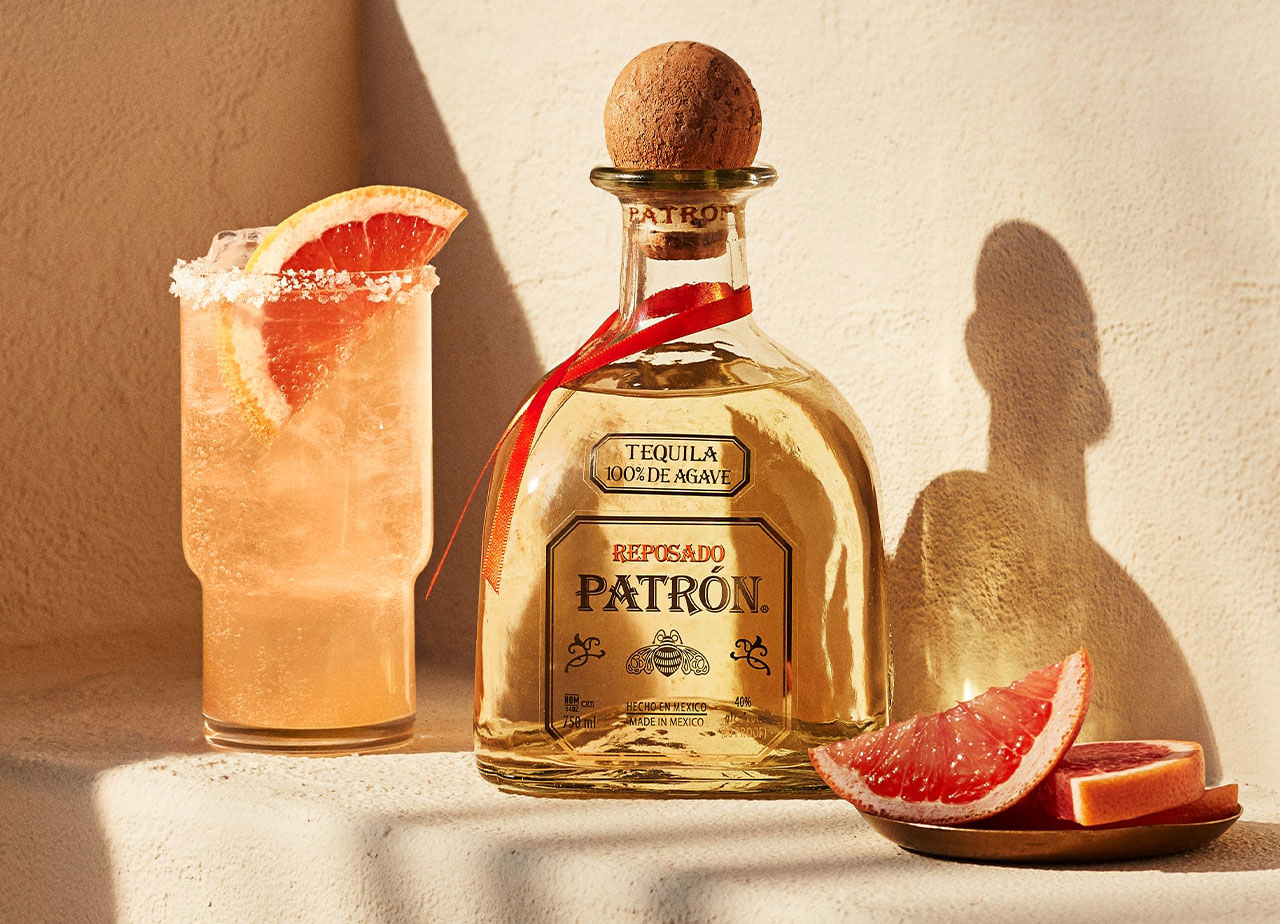
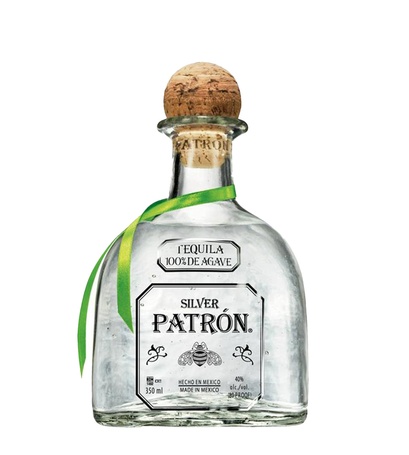
Patron Silver remains the blanco benchmark for a reason. The production is meticulous: 100 per cent blue agave, a slow fermentation, a small-batch double-distillation that preserves the plant's natural aromatics rather than burning them off for efficiency. The result is precise and clean — a glass that opens with citrus and pepper, settles into green agave and white floral notes, and finishes without the heat that characterises lesser expressions. It is the reference point. If you are new to sipping tequila, this is where the education begins.
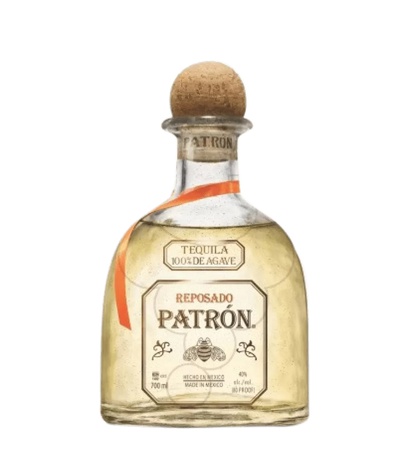
Patron Reposado moves the conversation forward. Two months in American and French oak introduce a warmth and a slight vanilla weight that rounds the blanco's sharper edges without obscuring the agave. It is a more accommodating glass — easier to hold for an hour, easier to return to.
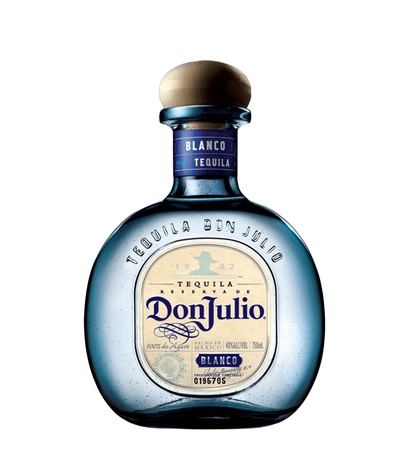
Don Julio Blanco sits at the other pole of the blanco argument. Where Patron is precise and citrus-forward, Don Julio is more immediate — a richer, more overtly agave-sweet expression that makes its character known immediately. It has been one of the most consistently excellent blancos in the category for years. Its place in the canon is earned.
Don Julio 1942 occupies a different position entirely. This is the bottle that sold a generation of whisky drinkers on the idea that tequila could be a sipping spirit. An anejo aged for a minimum of two and a half years in American white oak, the 1942 delivers vanilla, butterscotch, and a dried fruit complexity that reads, to an uninitiated nose, like something that has nothing to do with the agave plant at all. It is a statement bottle — the kind that changes how someone thinks about a category.
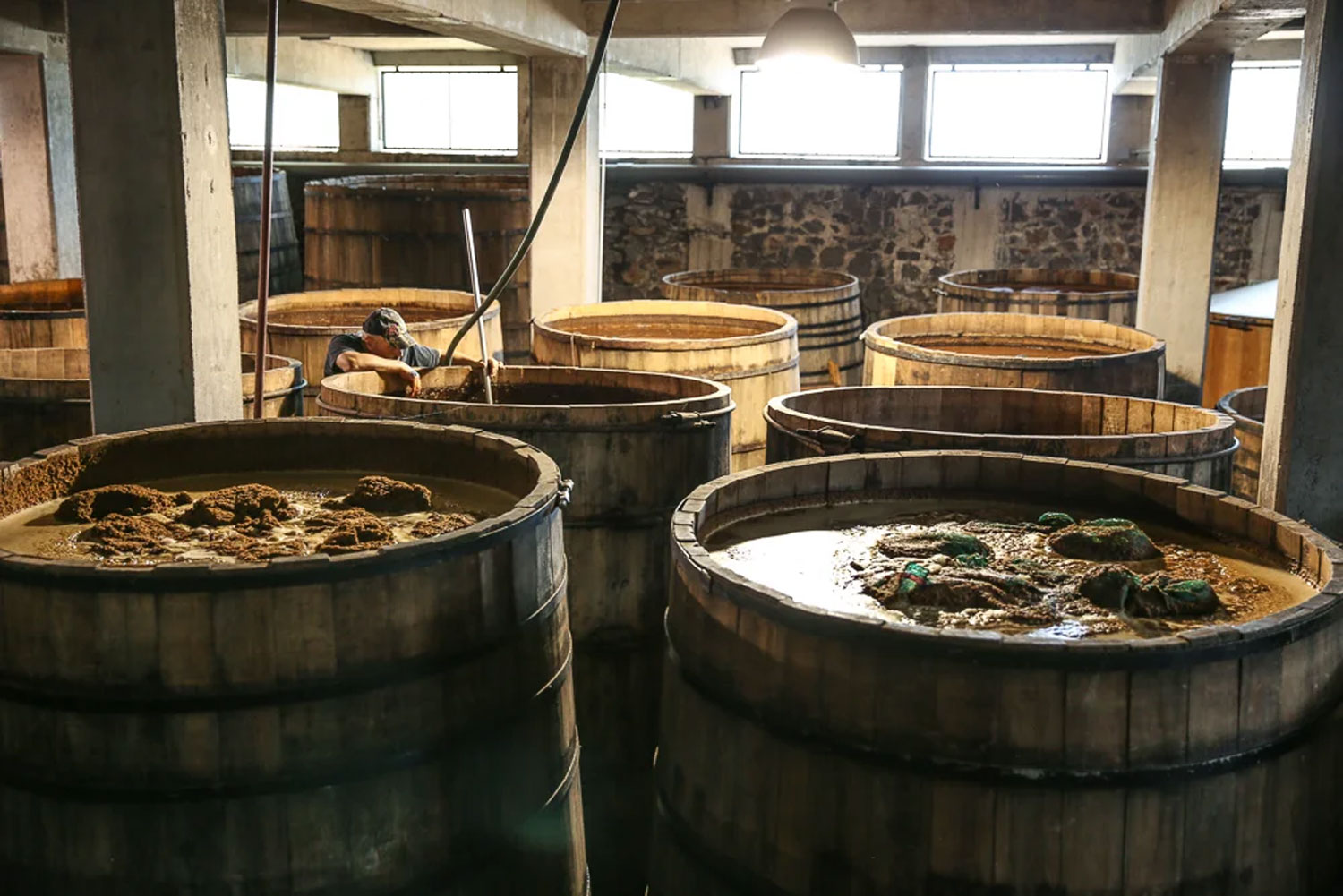
El Tesoro Reposado is the production purist's choice. Made at La Alteña Distillery in the Jalisco highlands by the Camarena family, who have been growing agave on the same land since 1937, it uses a traditional tahona — a two-tonne volcanic stone wheel — to crush the cooked agave rather than the industrial shredder that most modern producers rely on. The result is a slightly more textured, rounder expression that carries more of the plant's fibrous character into the glass. Aged for eight to eleven months in ex-bourbon barrels, it develops a restrained oakiness that supports rather than dominates. This is tequila for people who care how it is made.
Codigo 1530 Rosa has built its reputation on an unusual finishing decision: the tequila spends time in untoasted French rosa wine barrels sourced from Napa Valley, producing a faint pink blush and a flavour profile that introduces a berry sweetness over the base agave character. It is a polarising expression — some find the fruit influence a complication; others find it the most interesting thing in the reposado category. Either way, it is worth trying.
Corazon Anejo and Cava Antigua Reposado round out the exploration for those willing to move beyond the headline names. Both represent the category's quieter achievements — less marketed, more focused, the kind of expressions that reward curiosity over brand recognition.
The transformation of tequila into a serious sipping spirit is not simply a question of taste. It is the latest iteration of a pattern that repeats across the history of premium drinks: a category defined by its cheapest expressions is gradually reclaimed by producers who care more about the result than the volume, and serious drinkers who are paying attention follow.
It happened with Scotch whisky in the 1980s and 1990s, when the emergence of single malts changed what the category meant to the world. It happened with rum, more recently and less completely, though the same forces are at work. And it is happening with tequila now, in a way that feels particularly urgent — because the window before the category becomes overcrowded and over-hyped is still, if narrowing, open.
The bottles worth knowing are the ones produced by people who were doing this before the attention arrived. The methods that matter are the ones that sacrifice efficiency for character. And the best time to start paying attention, as with most things in drinks, was some years ago. The second best time is now.