Departments
 Departments
Departments
Departments

New to Slowsip? Create Account
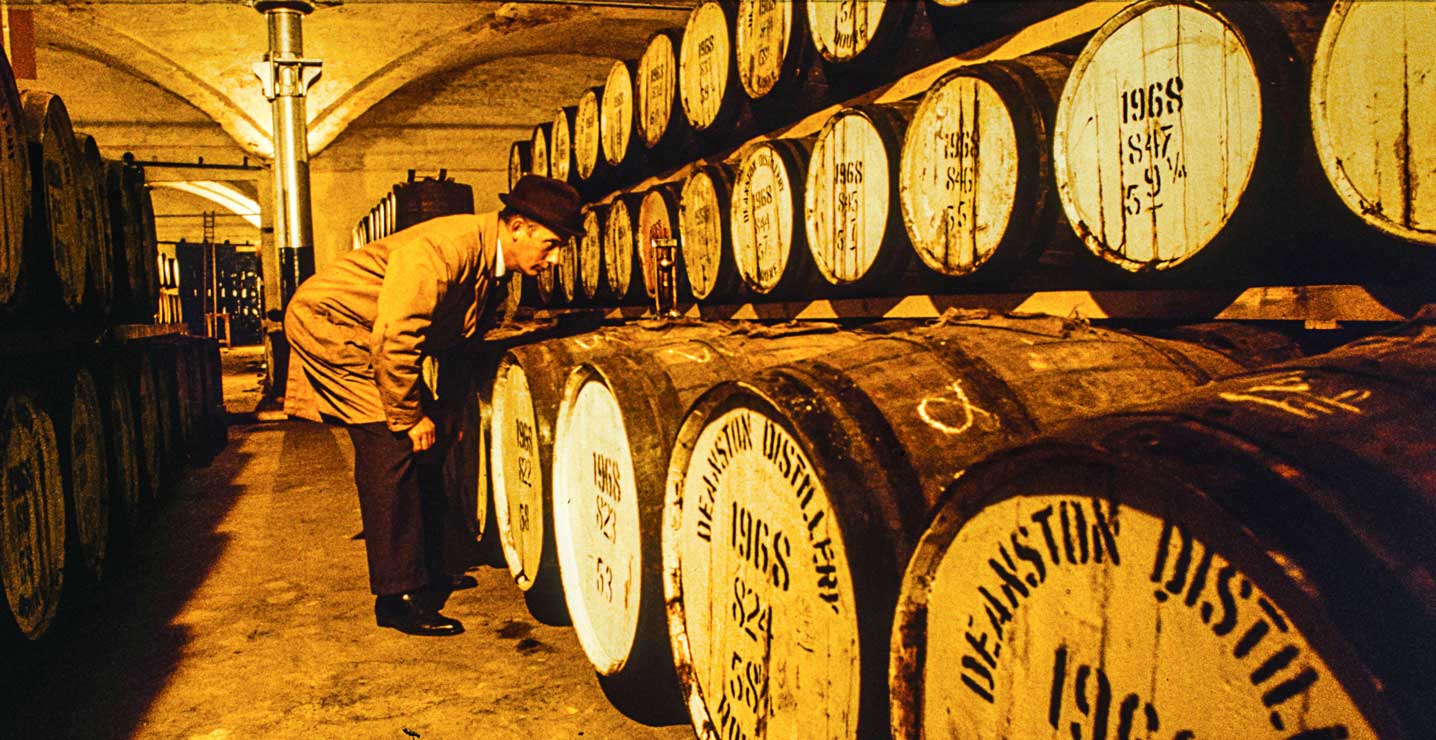
There is a quiet authority to an age statement. It sits on the label like a declaration — twenty-one years, twenty-five years — and most of us read it as a direct measure of quality. The higher the number, the better the whisky. It's an instinct that makes sense, up to a point. And then it doesn't.
An age statement tells you the minimum time the youngest whisky in the bottle has spent in oak. Nothing more, nothing less. It says nothing about the quality of the cask, the character of the distillery, the climate of the warehouse, or the judgment of the person who decided when the spirit was ready. It is a piece of information — useful, but partial.
Consider two whiskies matured for the same twenty-one years. One has spent that time in first-fill sherry butts, absorbing dried fruit, cocoa and spice from the wood. The other in tired refill hogsheads, developing more slowly, building structure rather than drama. They share a number. They share almost nothing else.
Oak is not a passive container. It breathes, contracts, expands with temperature, and over years it gives and it takes — imparting vanilla, toffee, spice and tannin while simultaneously drawing out harsher new-make character. How much transformation occurs depends on the wood type, previous contents, size of the cask, and the conditions of the warehouse. A 21-year-old from a damp, cool Scottish coastal warehouse will develop differently from the same spirit sitting in a warmer inland dunnage store. Time is one variable among many.
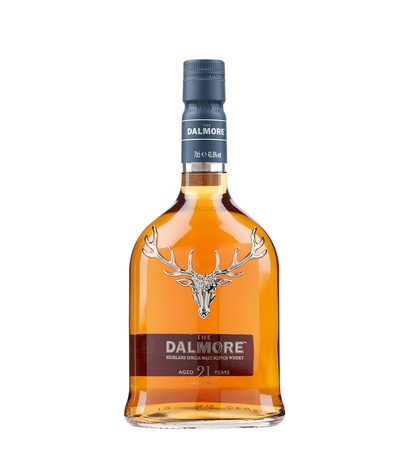
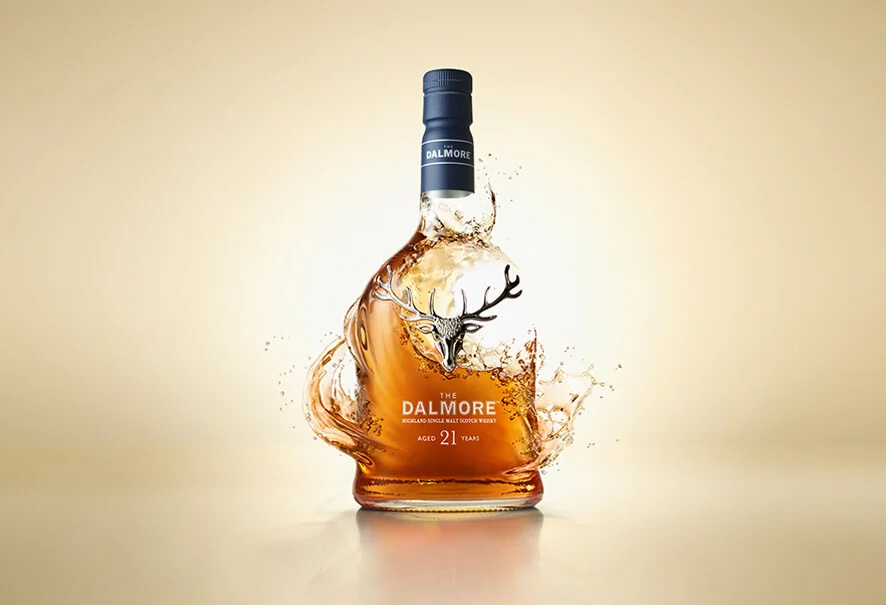
That said, age does matter — particularly with single malts from distilleries whose spirit is built for the long haul. The Dalmore 21yr is a case in point: its robust, oily new make requires years to integrate, and the extended maturation in a combination of casks delivers a richness that simply couldn't exist at ten or twelve years. Similarly, the Glenlivet 25yr earns its number honestly — layers of dried fruit, nutmeg and aged oak that accrue gradually, never feeling forced.
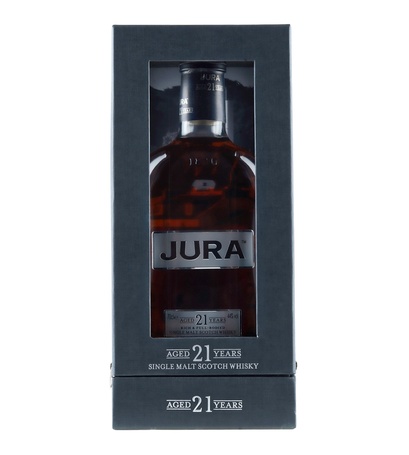
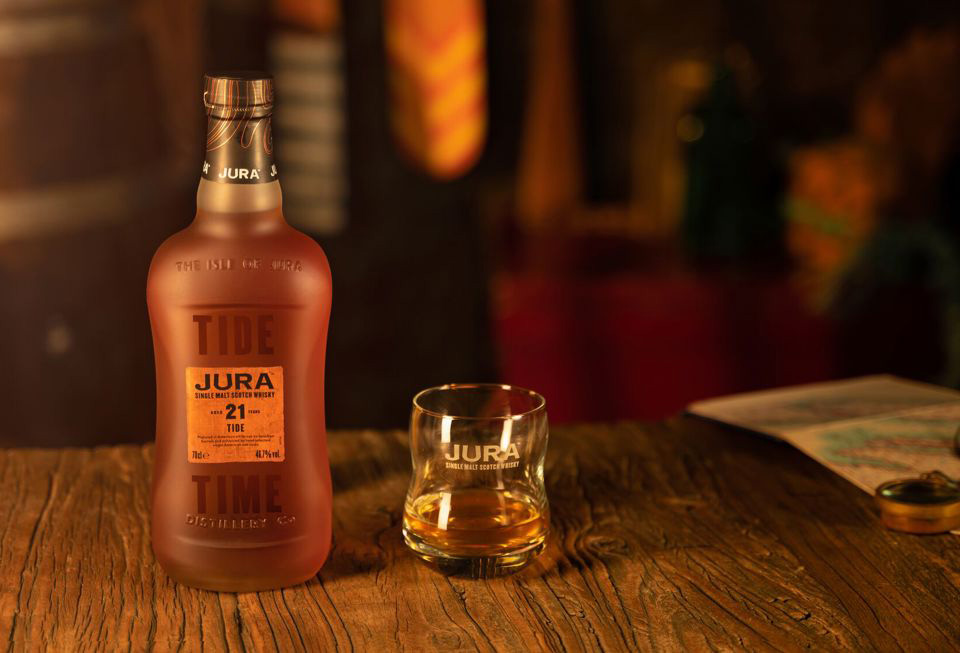
The Jura 21yr offers another kind of patience rewarded. Jura's spirit is lighter in character, and the extended time in cask is what gives it complexity that youth couldn't provide — a subtle coastal salinity alongside ripe orchard fruit and warming spice.
Where age statements can mislead is in encouraging a kind of label arithmetic — the assumption that 21 automatically outperforms 18, or that a 25-year-old is inherently superior to one without a statement at all. Neither is reliably true.
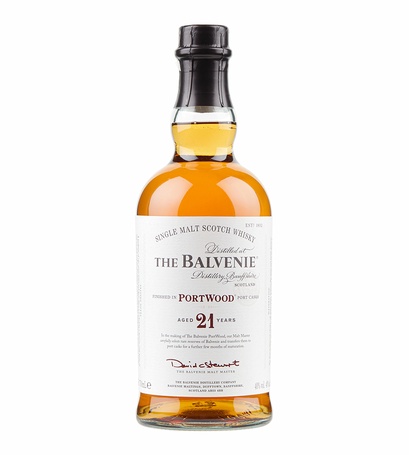
The Balvenie 21yr Port Wood makes its case through finish rather than duration: the final maturation in vintage port pipes adds a layer of richness and red fruit complexity that defines the whisky entirely. Remove those pipes, add five more years in plain oak, and you'd have something categorically less interesting. The age statement is the beginning of the conversation, not the conclusion.
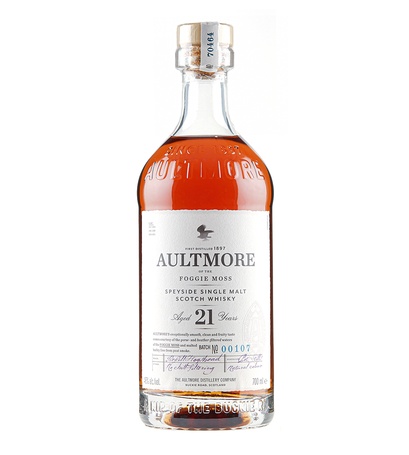
The Aultmore 21yr is perhaps the most instructive example here. Aultmore is not a distillery that trades on reputation — it is a quiet, meticulous producer whose spirit rewards those who seek it out. The 21yr expression carries a clean, grassy elegance with honey and citrus that speaks of careful distillation and well-chosen casks. It would be easy to overlook beside louder names at the same age. That would be a mistake.
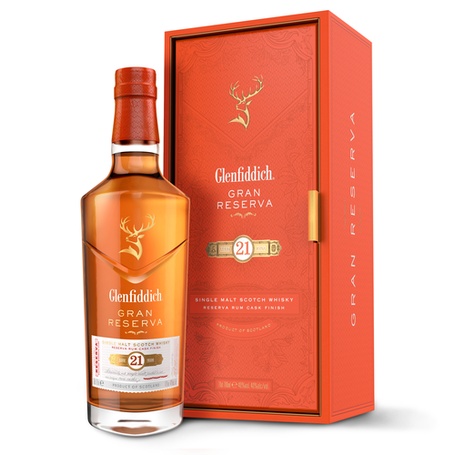
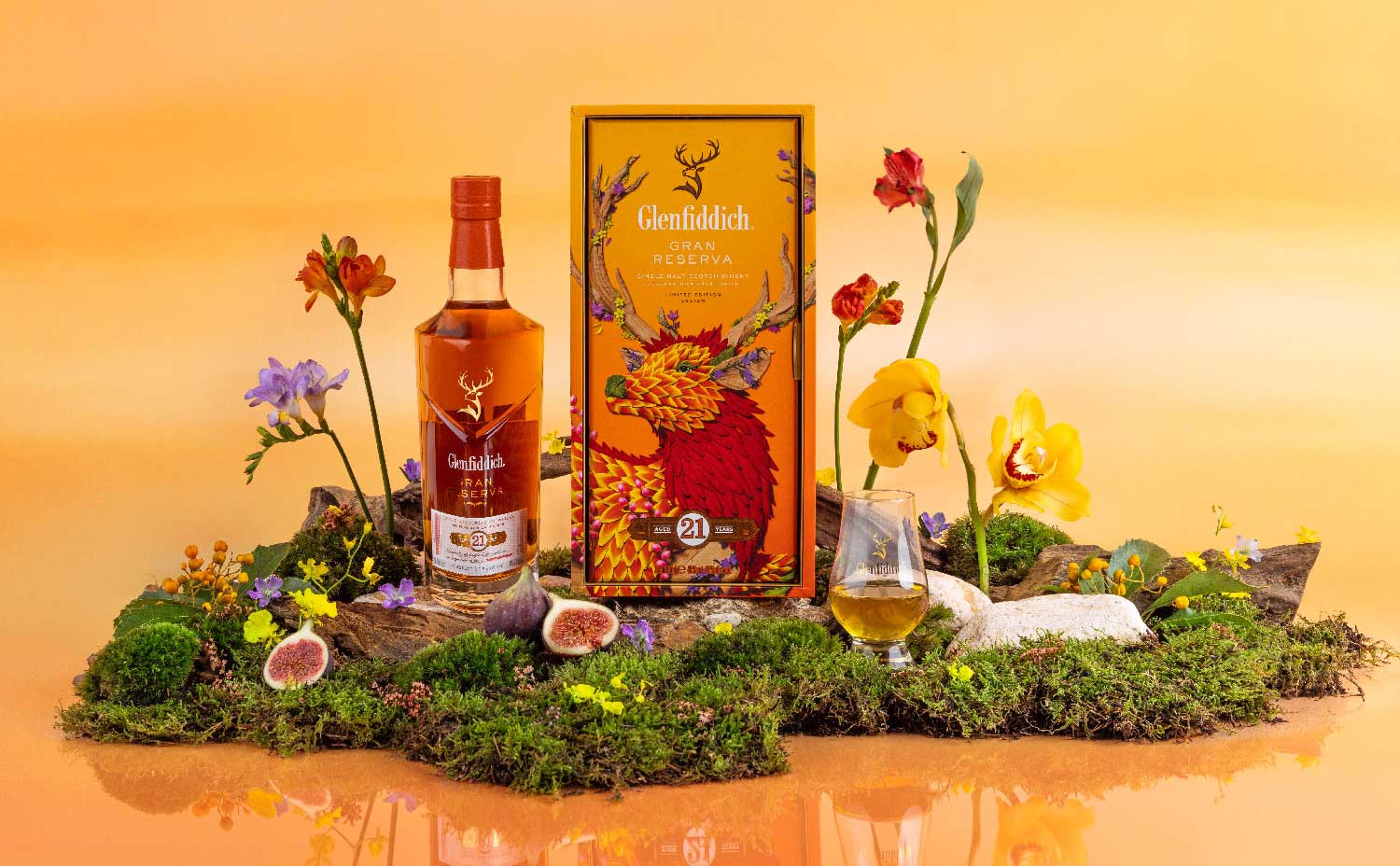
The Glenfiddich 21yr Gran Reserva rounds out this group with confidence — rum cask finishing lending a tropical warmth that is distinctly its own, a reminder that the final cask a whisky touches can reframe everything that came before it.
Rather than using age as a proxy for quality, use it as context. Ask what those years were spent doing. Ask who made the decision about when to bottle, and why. Ask which casks were involved, and in what sequence. A whisky with a high age statement and no story behind it is harder to trust than one whose producers can account for every year.
The number on the label is worth knowing. It just isn't worth stopping at.