Departments
 Departments
Departments
Departments

New to Slowsip? Create Account
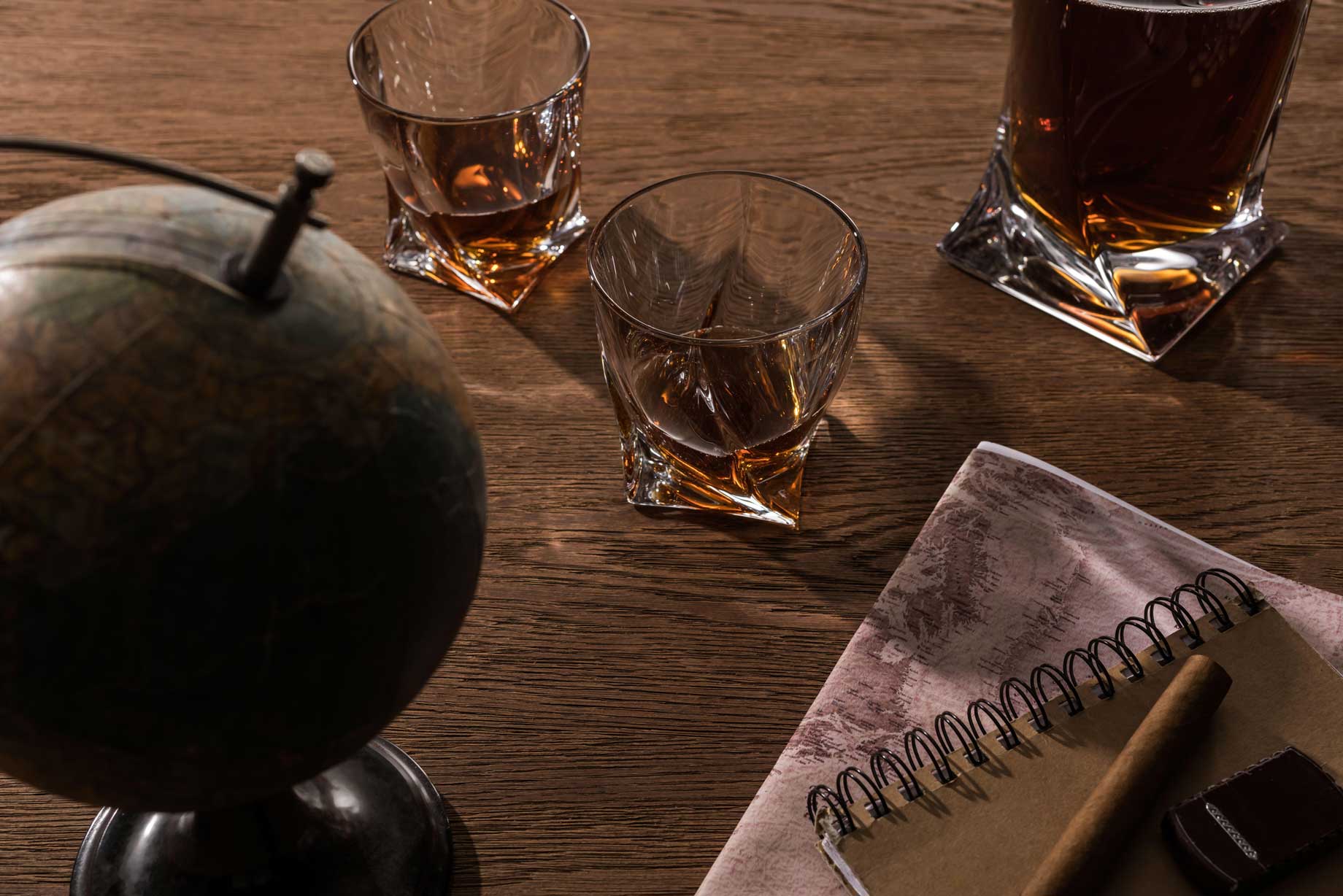
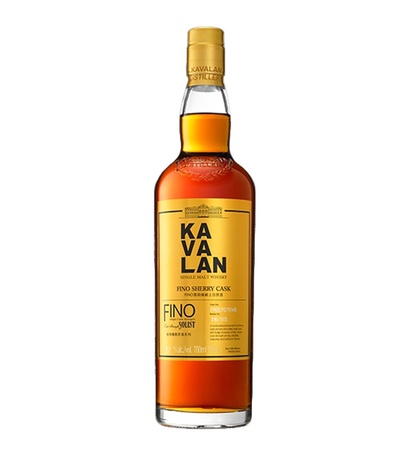
There is a bottle on the back shelf of a bar in Edinburgh that has been causing quiet discomfort for the better part of a decade. It is not from Speyside or Islay or the Highland glens that gave Scotch whisky its mythology. It is from Taiwan — a sub-tropical island whose summers are measured in weeks of near-unbearable heat, where the usual rules of maturation simply do not apply, and where a distillery opened in 2005 and proceeded to win the top prize at the World Whiskies Awards before most people had learned to pronounce its name. The bottle is Kavalan. And it has company.
The world whisky story is not a new one, but it is entering a different phase — less novelty, more authority. What began as a curiosity for collectors and a talking point for judges has matured into something harder to dismiss: a body of spirits from India, Israel, Japan, Spain, and beyond that are not merely competing with established traditions but reshaping what whisky can taste like, where it can come from, and who gets to define it.
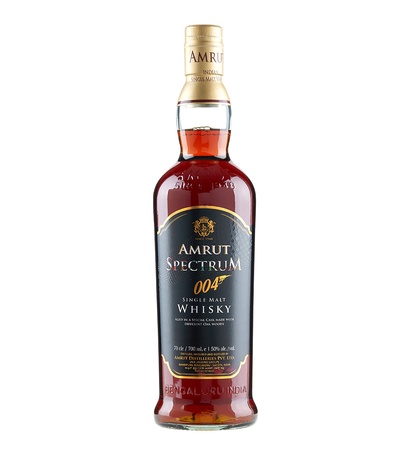
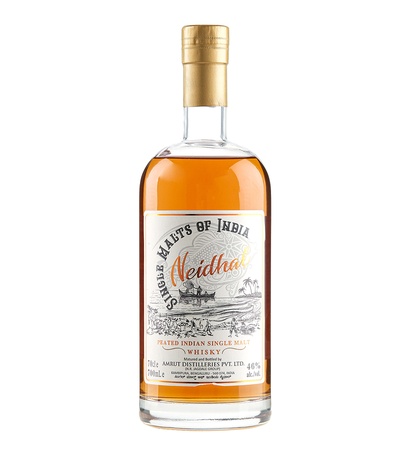
The received wisdom about age statements — that older is inherently better, that time is the measure of quality — dissolves quickly when you spend time thinking about tropical maturation. Amrut Distillery, operating out of Bangalore at an altitude of nearly 1,000 metres, works in conditions that accelerate everything. The oak influence is profound and rapid. Angel's share losses run significantly higher than in Scotland. What emerges after a relatively short period is a spirit that carries genuine depth — not the depth of patience, but the depth of intensity.
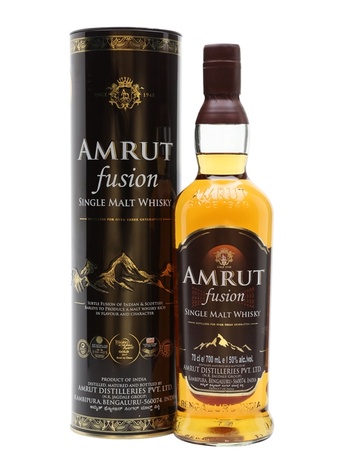
Amrut Fusion, the distillery's signature release, blends Indian barley with Scottish peated malt. On the nose: ripe orchard fruit, a gentle coastal smoke, vanilla and a spice note that lingers far longer than it has any right to. On the palate it is full and structured, moving from toffee sweetness into a long, warming finish. It is, by any serious measure, a remarkable whisky — not remarkable for its price point or its provenance, but simply remarkable. Jim Murray gave it 97 points. The conversation largely moved on from whether Indian whisky could be good after Fusion made its case.
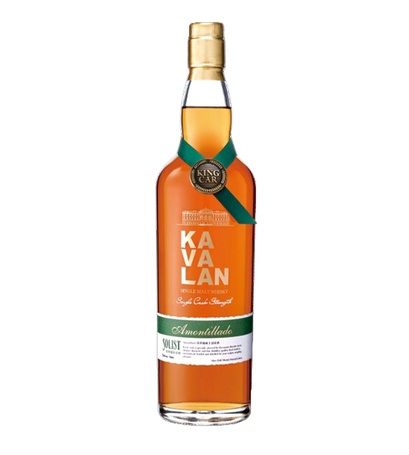
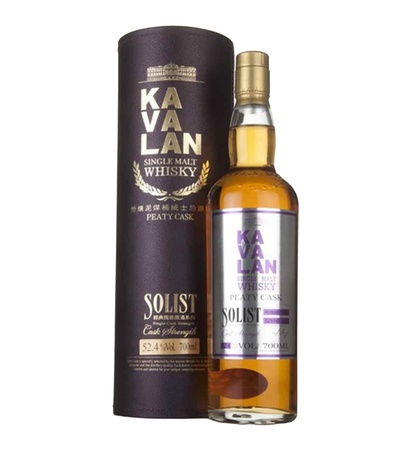
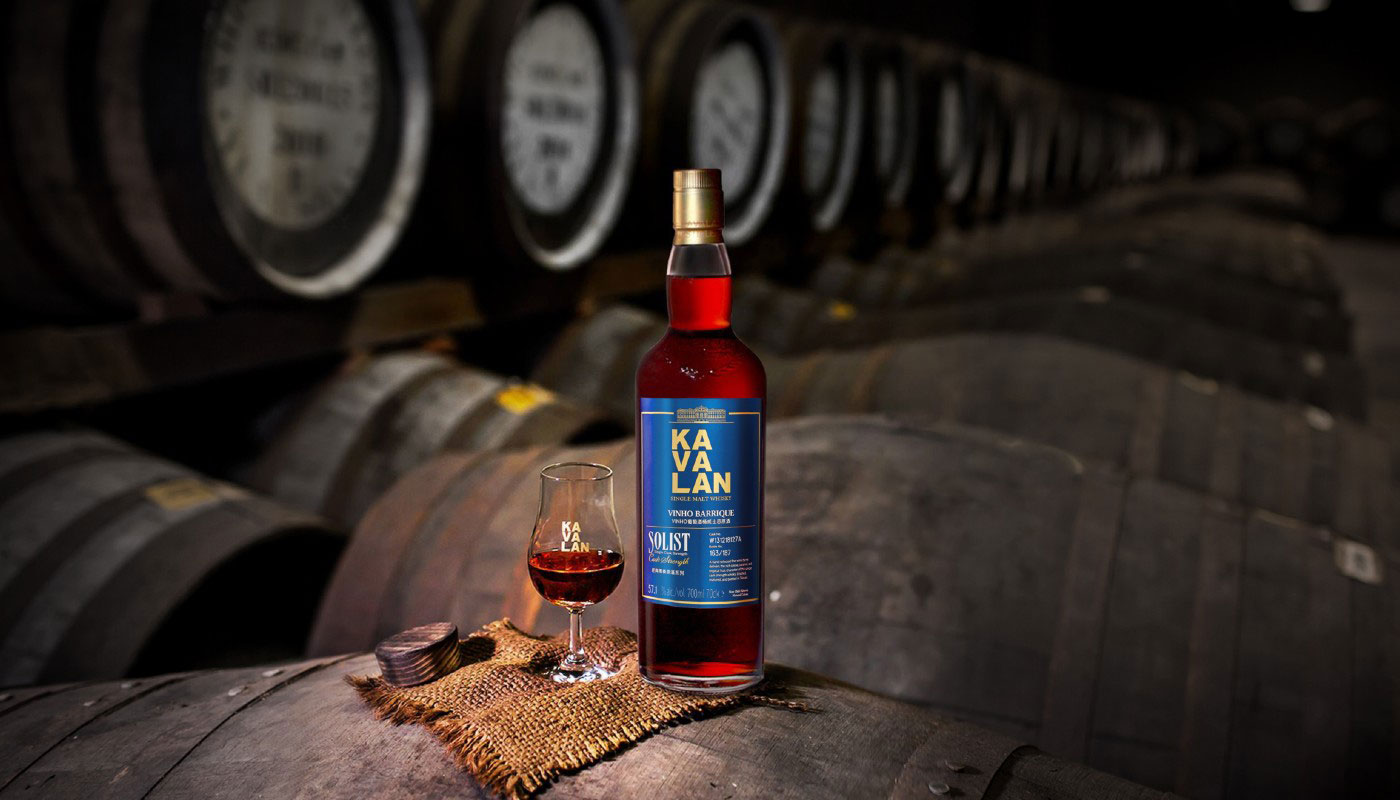
Kavalan's Solist series represents the distillery at its most uncompromising: single cask, cask strength, no apology. The Vinho Barrique expression — aged in former Portuguese wine casks — is a study in tropical maturation done with surgical intent. The wood influence is managed rather than simply allowed to happen, and the result is a whisky of unusual elegance: dried fruits, dark chocolate, something almost port-like in its weight, with a sweetness that never tips into excess.
What Kavalan proved — and continues to prove with each release in the Solist range — is that the geography of great whisky is not fixed. The Yilan valley in northeastern Taiwan is no one's idea of a traditional distilling landscape, and that is precisely the point. The distillery built its reputation without borrowing anyone else's heritage, which is a rarer achievement than it sounds.
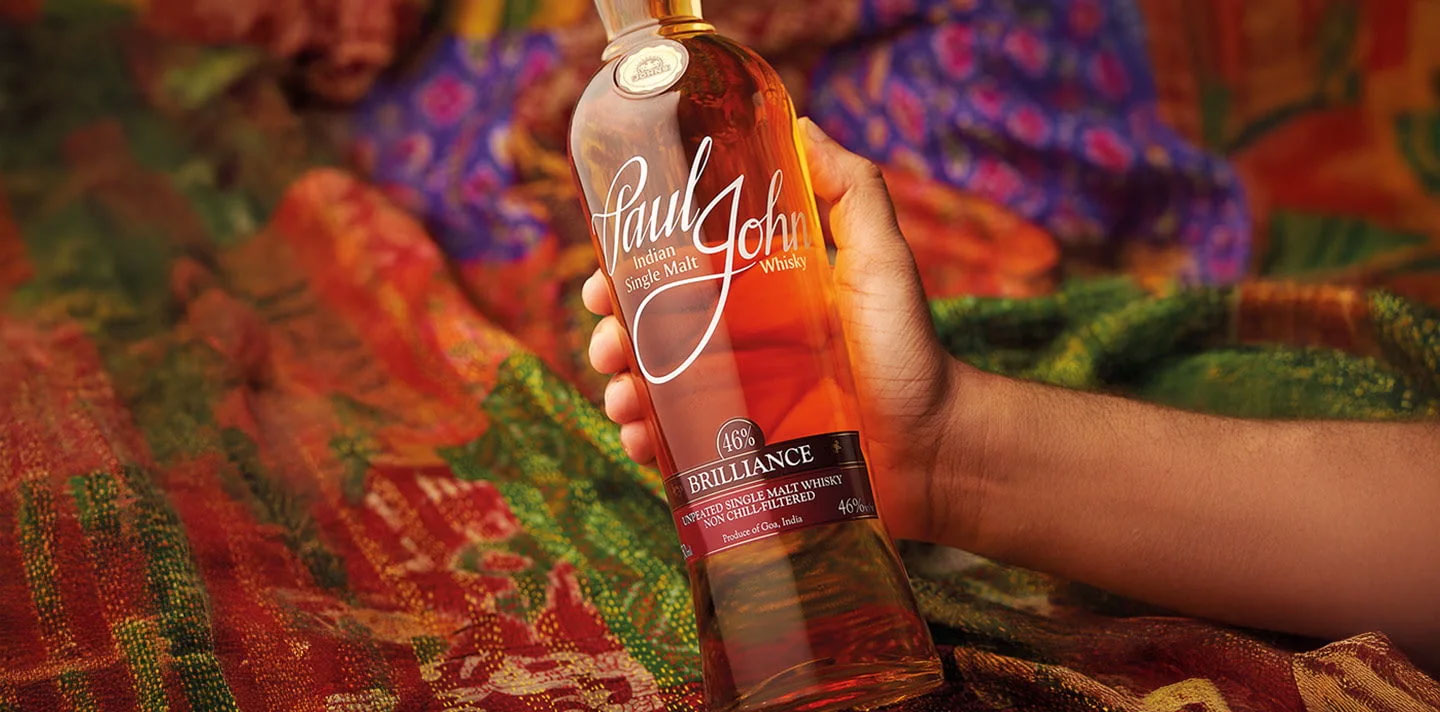
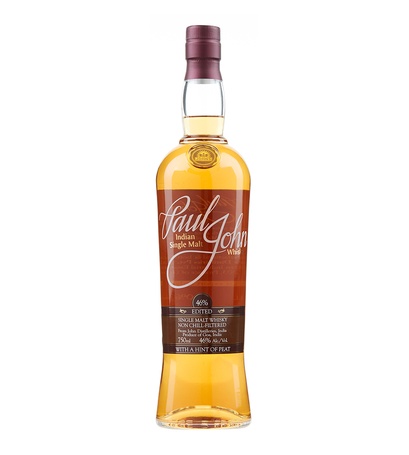
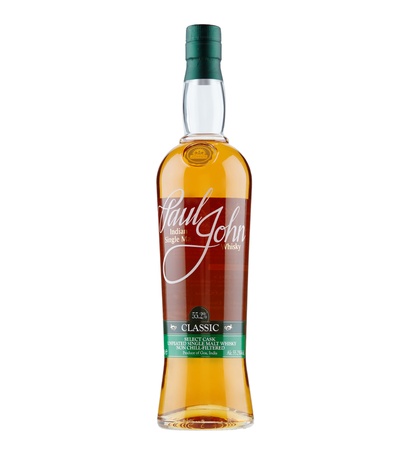
Amrut established the template; Paul John, operating from Goa on India's western coast, refined it. The distillery works with Indian six-row barley — a grain that behaves differently from European two-row, giving the new make spirit a distinctive cereal quality that persists through maturation. The Brilliance expression offers the best entry point: approachable, clean, with a honeyed softness that makes the case without demanding expertise from the drinker. The Bold, by contrast, is peated and uncompromising — smoke held in balance with tropical fruit in a way that feels uniquely Goan.
Paul John's production is meticulous. The distillery has been as serious about its cask programme as about its grain sourcing, and it shows in a consistency that newer distilleries sometimes struggle to achieve. These are whiskies with a point of view.
The Milk & Honey Distillery in Tel Aviv is the least likely entry on any world whisky shortlist, and that is part of what makes it interesting. Israel's climate is not so different from India's in its demands on a cask — hot summers, significant angel's share losses, accelerated maturation — but the Israeli grain bill, the local STR (shaved, toasted, recharred) casks that the distillery pioneered, and the specific water profile of the region produce something genuinely distinct. The Elements series, matured in ex-bourbon, ex-red wine, and STR casks, is the best expression of that distinctiveness: each expression a different argument about what Israeli whisky can be.
M&H is also the distillery that most explicitly links whisky to place in a way that extends beyond the liquid. The story is part of the product — and at a moment when provenance matters as much as flavour to a certain kind of drinker, that is not a trivial advantage.
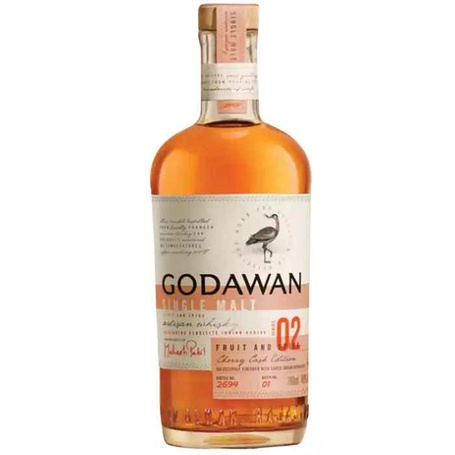
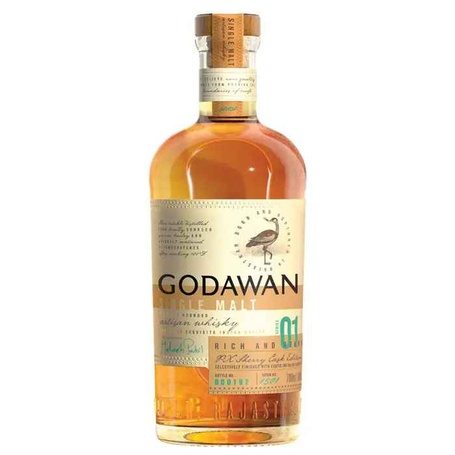
The most recent addition to this conversation is Godawan, a single malt from Rajasthan that carries its desert origins in its name and its bottle — named for the Great Indian Bustard, a critically endangered bird from the region. The distillery operates in conditions that are extreme by any standard: dry heat, minimal humidity, and temperature swings that put the oak to work immediately. The resulting spirit is bold and expressive, moving through dried spice, desert botanicals, and a warmth that is geographical as much as alcoholic. It is a whisky that tastes like where it comes from, which is increasingly rare and increasingly valuable.
What Godawan also represents is the third generation of Indian whisky ambition — the distilleries that came after Amrut proved the concept and Paul John refined it, and are now building their own languages within the tradition. The category has depth now. It has succession.
The world whisky revolution — if we must call it that — is less a revolution than a correction. Whisky has always been shaped by the conditions in which it is made: the grains available, the water, the wood, the weather. Scotland built a tradition around its particular version of those variables. What the distilleries explored here have demonstrated is that other variables, differently combined, produce spirits of equal and sometimes greater complexity. The rules were never universal. They were local, and localness was repackaged as universality for long enough that it began to look like law.
That is changing. Not because Scotland's whiskies are diminishing — they are not — but because the conversation around them is expanding. The back shelf in Edinburgh no longer looks quite so uncomfortable. It looks, if anything, like the beginning of something.