Departments
 Departments
Departments
Departments

New to Slowsip? Create Account
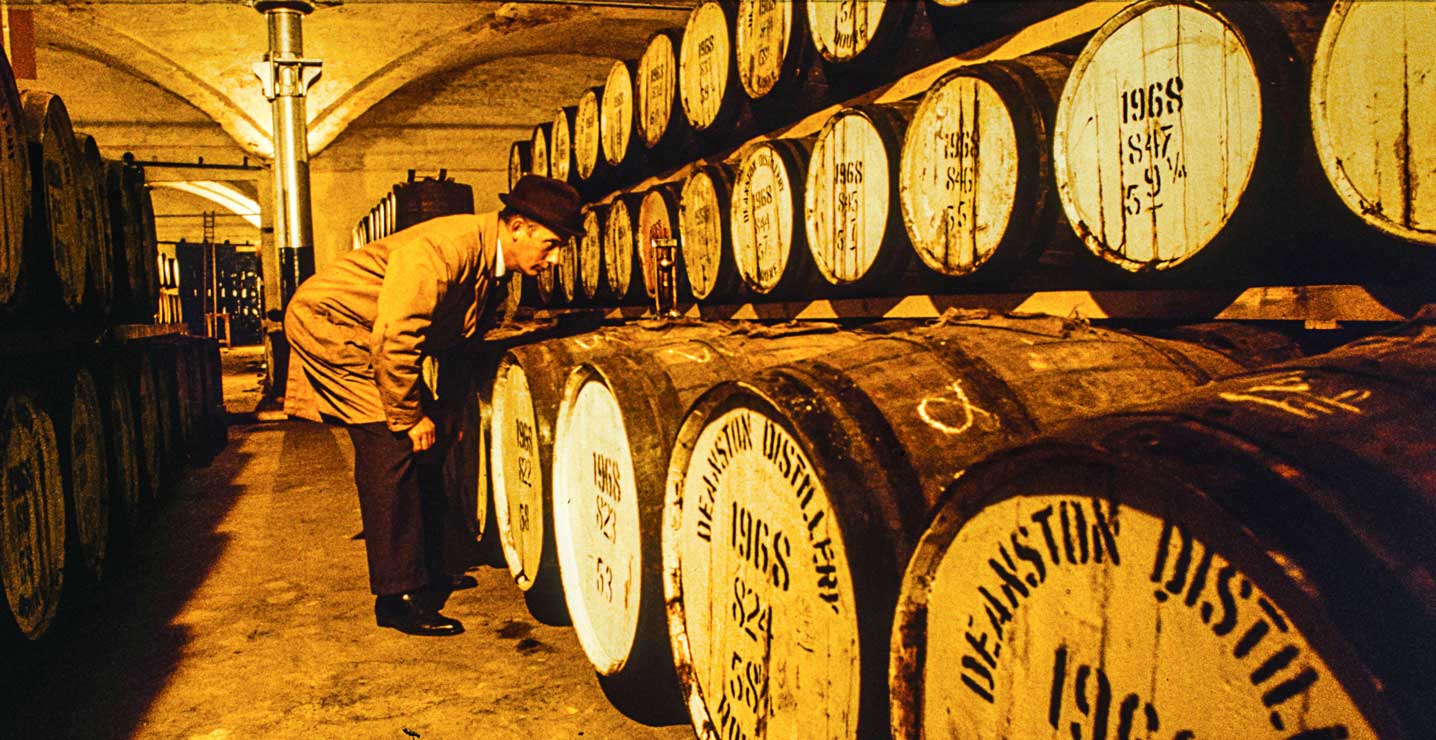
A cask is not a passive vessel. It breathes. In summer heat it pushes whisky deeper into the wood; in winter cold it draws it back. Over years — sometimes decades — the spirit takes on colour, texture, and flavour from what came before. Bourbon, Sherry, Port, Sauternes, rum, wine — each leaves its signature behind, soaked into the grain, waiting. Cask finishing is the art of choosing which signature to invite in, and for how long. Get it right and the result is a whisky that surprises you halfway through the glass. Get it wrong and you're drinking a floor cleaner with ambitions above its station.
The practice of finishing has been part of the industry for decades, though it gained mainstream visibility in the 1990s when Glenmorangie began experimenting systematically with secondary maturation. Today it's standard across the industry — from flagship bottlings to highly limited releases — and understanding it is the difference between picking bottles at random and buying with genuine intent.
To understand a finish, it helps to understand what came before it. The first fill — the primary maturation cask — does the heavy lifting. For most Scotch single malts, that means ex-bourbon American oak barrels, which impart vanilla, coconut, and a gentle sweetness. The finish is a second act: a shorter period in a different cask, typically anywhere from a few months to a couple of years, designed to layer additional character over that foundation.
The variables are numerous. The type of cask matters — a Sherry butt carries concentrated dried fruit and spice, a Sauternes cask brings honeyed stone fruit and floral lift, a Caribbean rum cask adds tropical sweetness and a warmth that lingers. The size matters too: a smaller cask means more wood contact per litre of spirit, accelerating the exchange. And the history of the cask — how many times it's been used, how long it sat empty — determines how much it still has left to give.
None of this is guesswork at the serious end of the industry. The master blender knows, from decades of working with wood, exactly what a particular cask will do to a particular spirit over a particular period of time. The best finishes feel inevitable — as though this was always where the whisky was headed.
If there is a finishing style that defined the category, it's Sherry — specifically the Oloroso and Pedro Ximénez casks from Jerez that have been part of Scotch whisky production for well over a century. The relationship is symbiotic: Sherry bodegas used the casks to transport their wine to Britain, Scotch distillers bought them secondhand, and somewhere in that arrangement discovered that the residual wine did something rather useful to the spirit inside.
Sherry finishing adds depth. Dark dried fruit — raisin, fig, prune — alongside rich baking spice, dark chocolate, and a mahogany colour that no artificial colouring quite replicates. The effect varies with the style of Sherry: Oloroso brings savoury, nutty dryness; PX adds a thick sweetness that can border on treacle. Both work. Both reward patience.
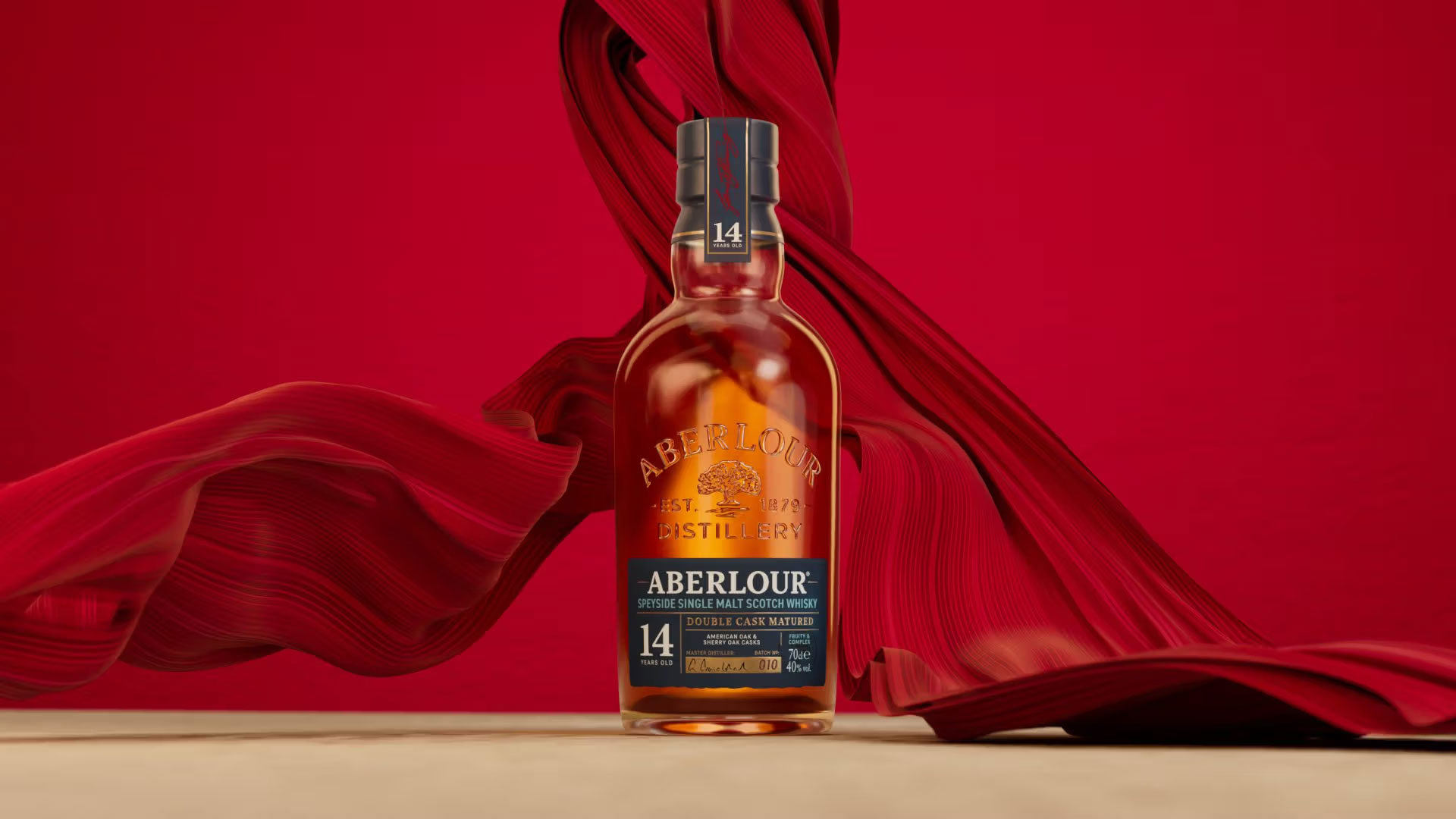
Aberlour's double cask approach — first-fill Sherry and first-fill bourbon matured simultaneously — is a masterclass in balance. The Sherry contribution is felt but not overbearing; it sits alongside the vanilla warmth of the bourbon wood rather than competing with it. This is finishing as dialogue, not monologue.

Wine cask finishes are a more recent development, and they divide opinion in the way that new techniques often do. The purists find them unnecessary; the curious find them revelatory. The truth, as usual, lies in execution. A wine finish applied to a whisky that lacks the structure to absorb it results in something confused and thin. Applied to a spirit with genuine backbone, it can open up a dimension that was always latent but never expressed.
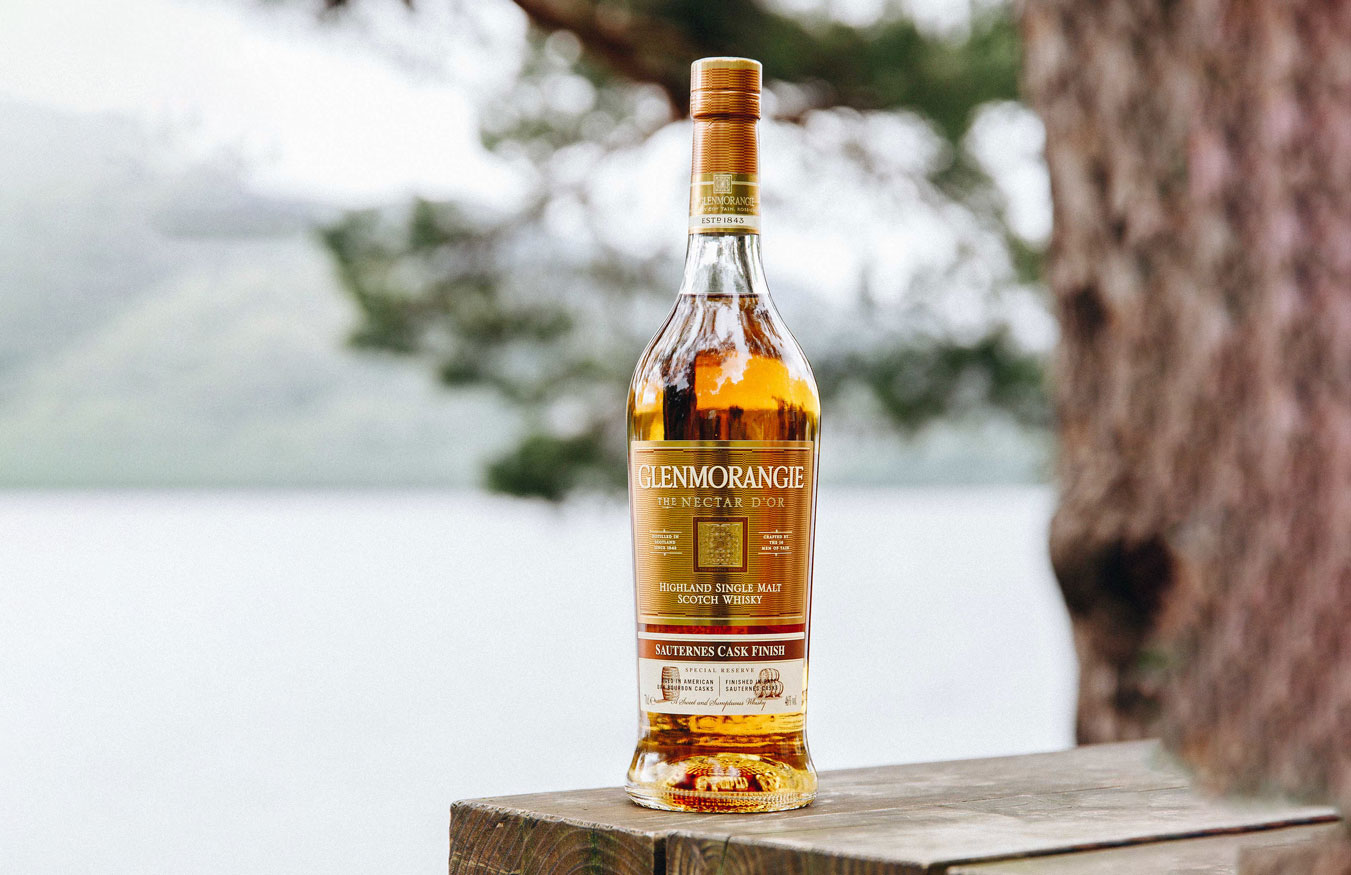
Glenmorangie Nectar D'Or is the canonical example of a Sauternes cask finish done right. The distillery spent two years in their Tall Stills — the tallest in Scotland, producing an unusually light and delicate spirit — before moving the whisky into casks that once held the great sweet wines of Bordeaux. The result is extraordinary: waves of citrus blossom, ripe peach, and honeyed richness over a clean, floral base. It is a whisky that reads like summer.
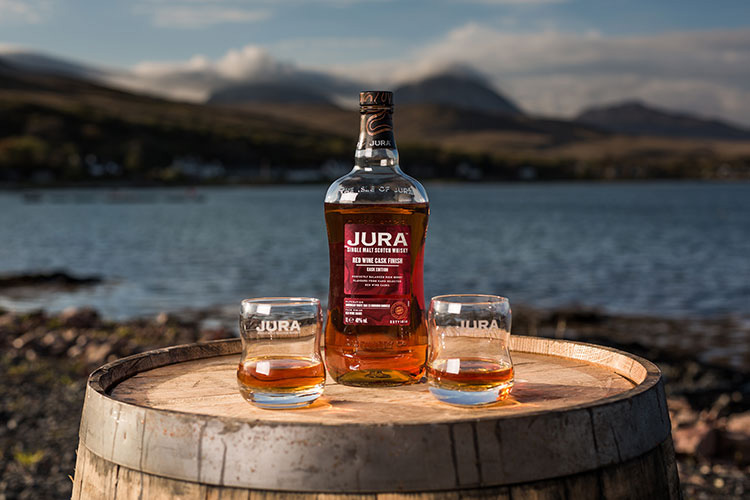
Jura takes a different approach with their Red Wine Cask expression, using French red wine barrels to add dark berry fruit and a subtle tannic grip. The island character — lightly briny, earthy — sits in interesting tension with the wine influence. It's a finish that asks something of the drinker: slow down, pay attention, and let the two halves of the flavour resolve.
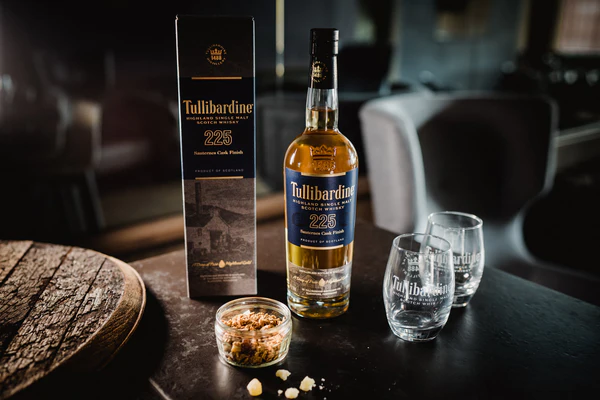
Tullibardine's Sauternes Finish uses casks sourced from Château d'Yquem's neighbours in Bordeaux — the same sweet wine tradition as Glenmorangie's Nectar D'Or, but applied to a Perthshire malt with its own particular character. Stone fruit and barley sweetness are the dominant registers; the wine cask amplifies rather than redirects. A restrained and elegant finish in the best sense.
Caribbean rum cask finishes bring warmth in the most literal sense: a heat that starts in the chest rather than the throat, built on sugarcane molasses and tropical fruit. They work best with whiskies that already carry some sweetness in their primary maturation — the rum note becomes an intensification rather than an addition.

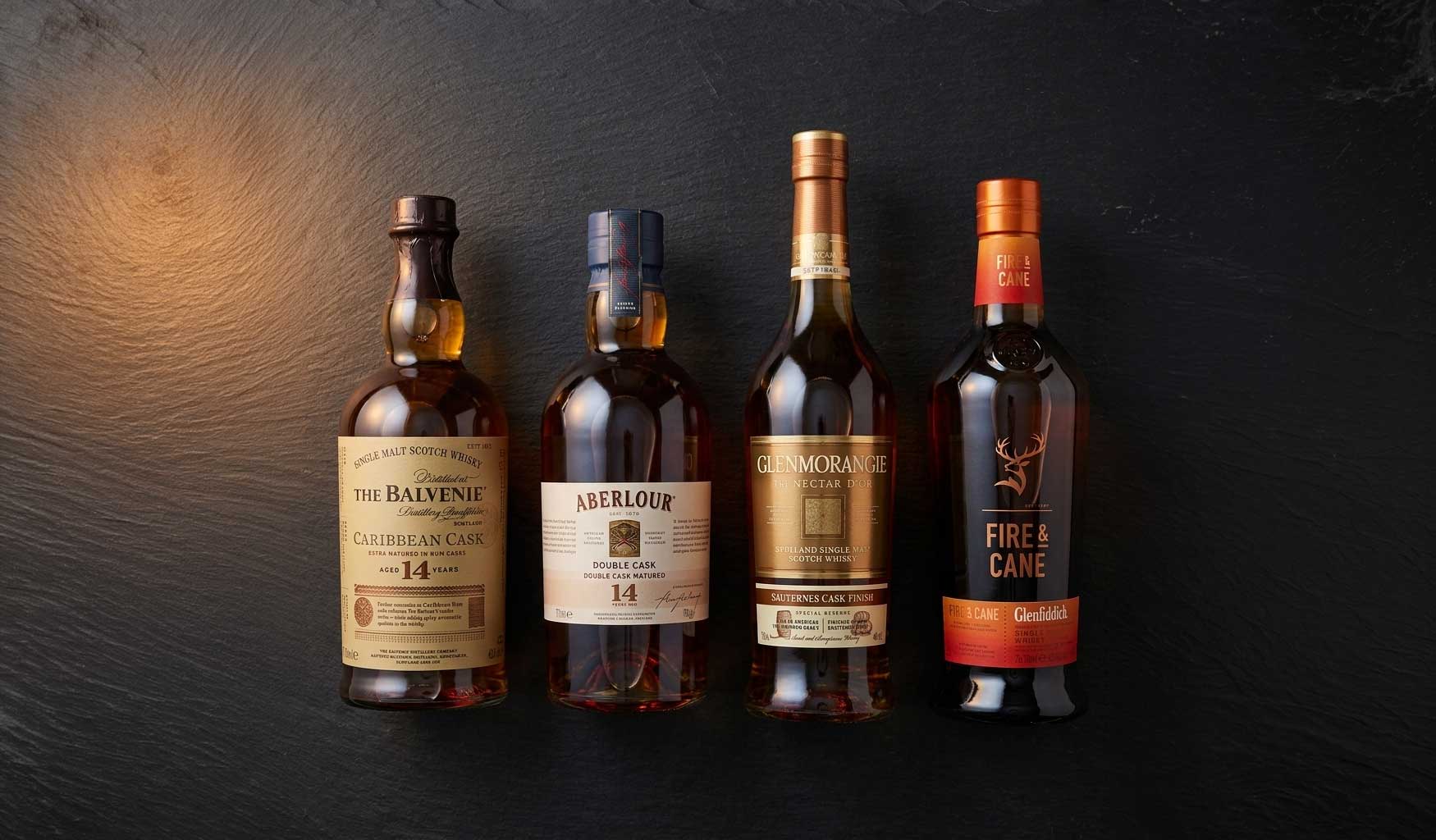
The Balvenie Caribbean Cask is arguably the most successful commercial rum finish in Scotch whisky. Fourteen years in traditional oak barrels, followed by a final period in casks that previously held Caribbean rum. The result is one of the most immediately approachable expressions in the Balvenie range: ripe banana, toffee, a hint of vanilla oak, and a warmth on the finish that makes this a particularly easy malt to love. Its accessibility is not a compromise — it's the point.
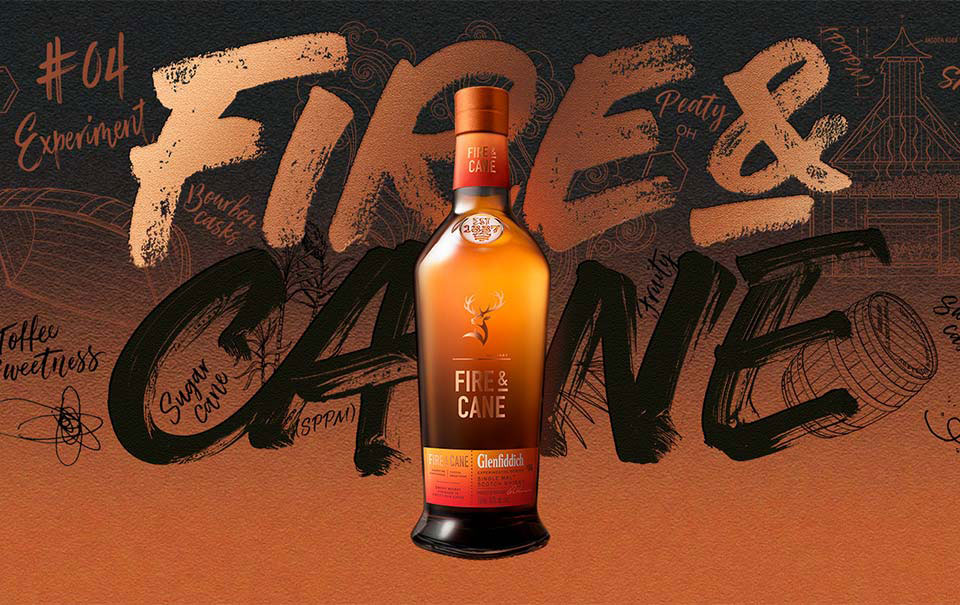
Glenfiddich Fire & Cane occupies an unusual position in the finishing conversation — it brings peat into the equation. The core spirit is lightly peated, then finished in Latin American rum casks, and the interaction between smoke and tropical sweetness is genuinely startling. The peat doesn't bully the finish; the rum doesn't obscure the smoke. They coexist in a way that suggests Glenfiddich's distillers spent considerable time at the blending table before being satisfied.
It is also a useful entry point for drinkers who are curious about peated whiskies but find full-throttle Islay smoke intimidating. The rum cask softens the edge without removing it — training wheels, but elegant ones.

Glenlivet's Nadurra range — the name means 'natural' in Scottish Gaelic — presents something of a philosophical counterpoint to the finishing conversation. These are cask strength, non-chill-filtered whiskies that make very little attempt to be polished. The Peated Whisky Matured expression uses first-fill American oak casks seasoned with peated whisky, which is a form of finishing by another name. The result is raw, bold, and unapologetic. Not a finishing wine, not a finishing rum — just the honest character of the wood and the spirit, turned up loud. It is a useful reminder that finishing is a tool, not a virtue. The question is always whether the whisky needed it.
Every whisky you drink has spent years in conversation with wood. The cask is patient, unhurried, indifferent to deadlines. It gives what it has, takes what it can, and returns the spirit changed. A well-chosen finish is not decoration — it is the final chapter of a story that began when grain met water and water met fire. The best finishing casks don't impose themselves on a whisky; they reveal what was already there, waiting to be drawn out. Hold a glass of Glenmorangie Nectar D'Or up to the light sometime, or pour a measure of Aberlour Double Cask on a cold evening, and pay attention to the moment the flavour shifts. That shift is time, made drinkable.