Departments
 Departments
Departments
Departments

 SlowSip

New to Slowsip? Create Account
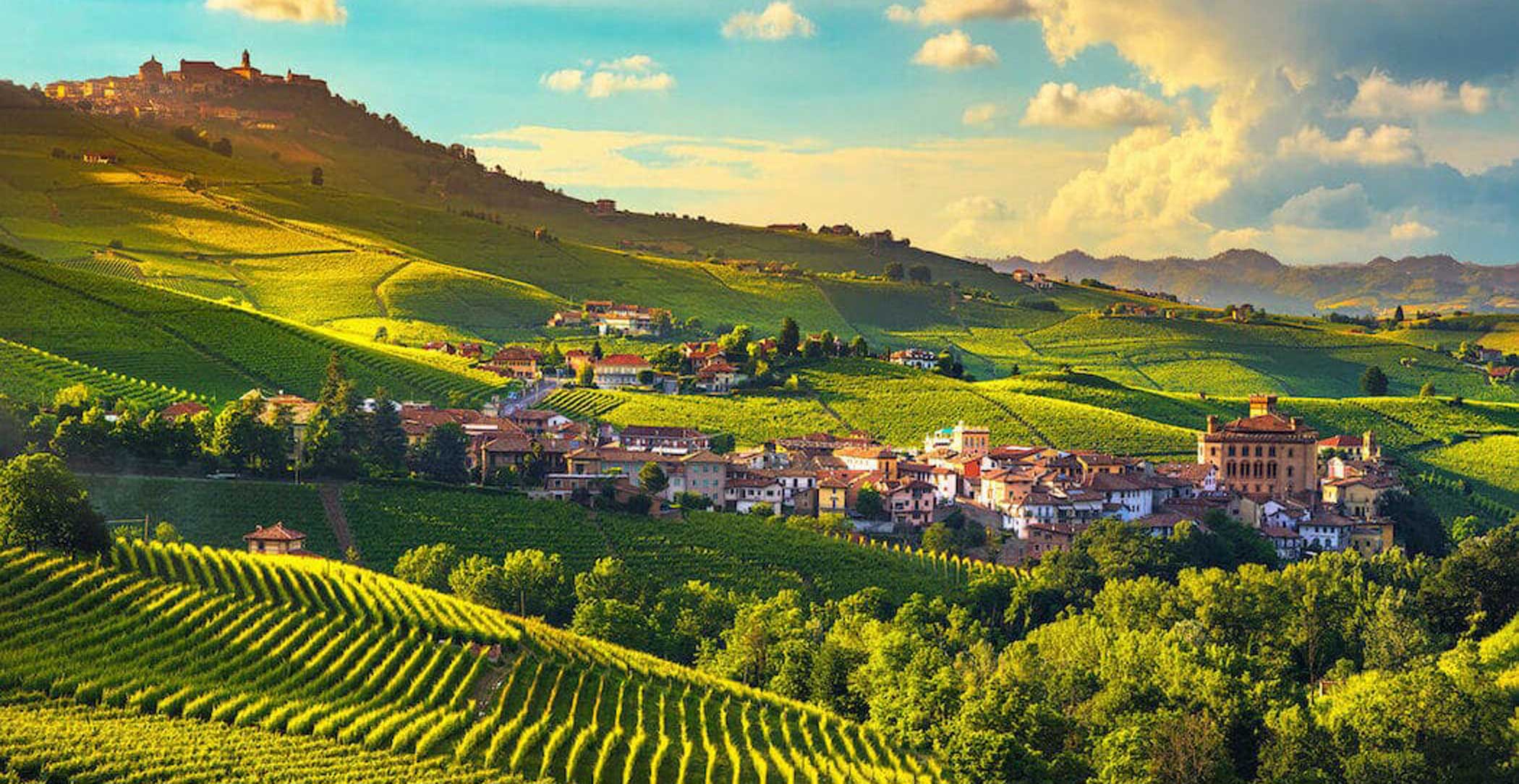
Italy has a wine problem that is entirely a perception problem. The country produces more wine than any other nation on earth, across more grape varieties than any serious drinker can hope to track, from regions so geographically varied that a bottle from the Piedmontese foothills of the Alps and a bottle from the volcanic soils of Sicily might as well come from different continents. This breadth is Italy's strength and Italy's curse simultaneously: it makes the country thrilling to explore and nearly impossible to summarise, which means that the serious conversation about Italian red wine tends to get crowded out by the casual assumption that it's all Chianti in a straw basket and cheap Pinot Grigio.
The assumption is wrong, and correcting it is both straightforward and rewarding. Italy has produced three red wine styles that can reasonably be described as among the most serious in the world: Barolo from Piedmont, Brunello di Montalcino from Tuscany, and Amarone from the Veneto. These are wines of extraordinary ambition and complexity, made from indigenous grape varieties that grow nowhere else, in territories whose character is stamped into every bottle. Understanding them doesn't require any particular expertise. It requires paying attention.
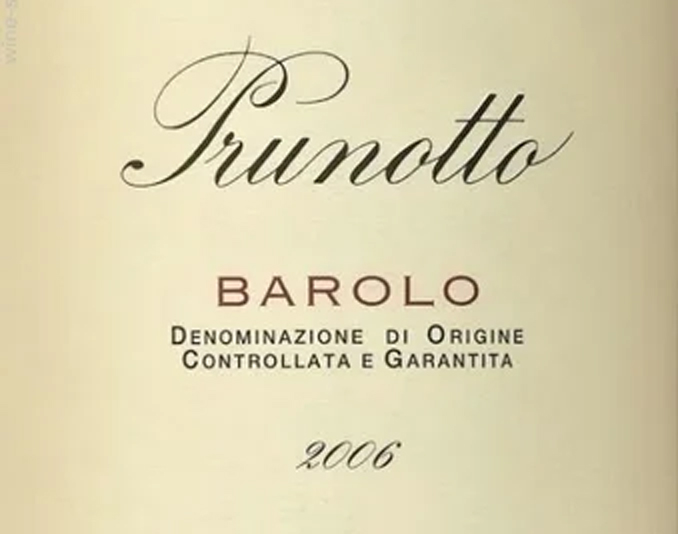
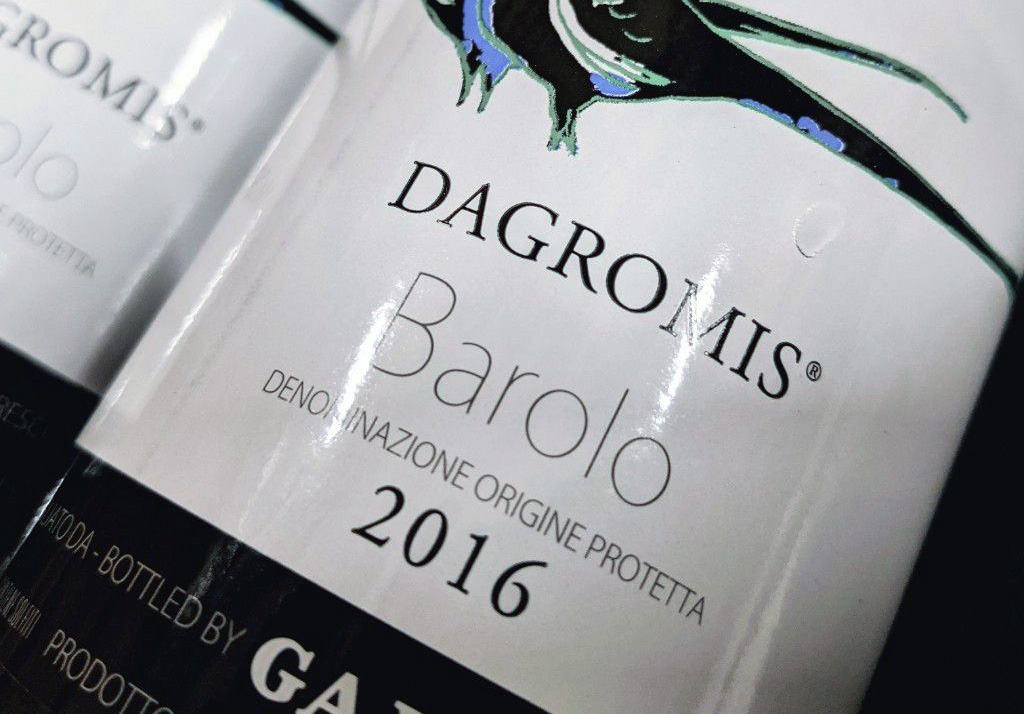
Barolo comes from the Langhe hills of Piedmont, in the northwest corner of Italy, where the October harvest fog that gives the region its name — Nebbia, fog, which also names the grape Nebbiolo — rolls in from the Ligurian coast and hangs between the vineyard rows. Nebbiolo is one of the most difficult grapes in the world to grow and to vinify: thin-skinned and prone to oxidation, prone to disease, ripening late into autumn when the weather is uncertain. The wines it produces in the Barolo DOCG are among the most age-worthy reds in existence, capable of evolving over decades in bottle and arriving at a complexity that no other Italian wine quite matches.
The flavour profile of a young Barolo is famously demanding: high tannin, high acidity, a structure that can seem harsh without enough time to soften. Barolo producers joke that the wine needs to be punished before it becomes pleasurable — the traditional phrase is that you need to be patient or poor, since the wines worth drinking are either very old or very cheap, and the wines worth buying are neither. What emerges with time is something quite different: rose petal, tar, dried cherry, leather, a savoury depth that earns every comparison with the great Burgundies.
Prunotto has been producing wine in the Langhe since 1904 and their Barolo is one of the more reliable expressions of the classic style at a price point below the prestige houses. The 2017 vintage was warm and generous — earlier drinking than most Barolo, with riper tannins and more forward fruit — making this an excellent introduction to the appellation for drinkers approaching it for the first time. The characteristic Nebbiolo signature is present: the rose petal on the nose, the dried cherry and tar on the palate, the long savoury finish that keeps evolving for minutes after the glass is empty.
Prunotto has been producing wine in the Langhe since 1904 and their Barolo is one of the more reliable expressions of the classic style at a price point below the prestige houses. The 2017 vintage was warm and generous — earlier drinking than most Barolo, with riper tannins and more forward fruit — making this an excellent introduction to the appellation for drinkers approaching it for the first time. The characteristic Nebbiolo signature is present: the rose petal on the nose, the dried cherry and tar on the palate, the long savoury finish that keeps evolving for minutes after the glass is empty.
Chianti has a reputation problem that Barolo doesn't share. The straw-covered flask — the fiasco — that became the symbol of cheap Italian restaurant wine in the 1970s and 1980s was technically a Chianti, and the association has been difficult to shift. What most people who dismiss Chianti on this basis don't know is that Chianti Classico — the historic heart of the appellation, between Florence and Siena — is a completely different proposition: serious Sangiovese wine, made by producers who have been farming the same hillside plots for generations, and who take the Classico designation seriously enough to have created a sub-tier, Gran Selezione, for single-vineyard expressions that invite comparison with Burgundy premier cru.
Sangiovese is Italy's most planted red grape, which means the quality range within Chianti is enormous. The best expressions carry the variety's characteristic acidity and cherry fruit alongside a structural firmness that makes them excellent food wines — designed for the table rather than sipping alone.
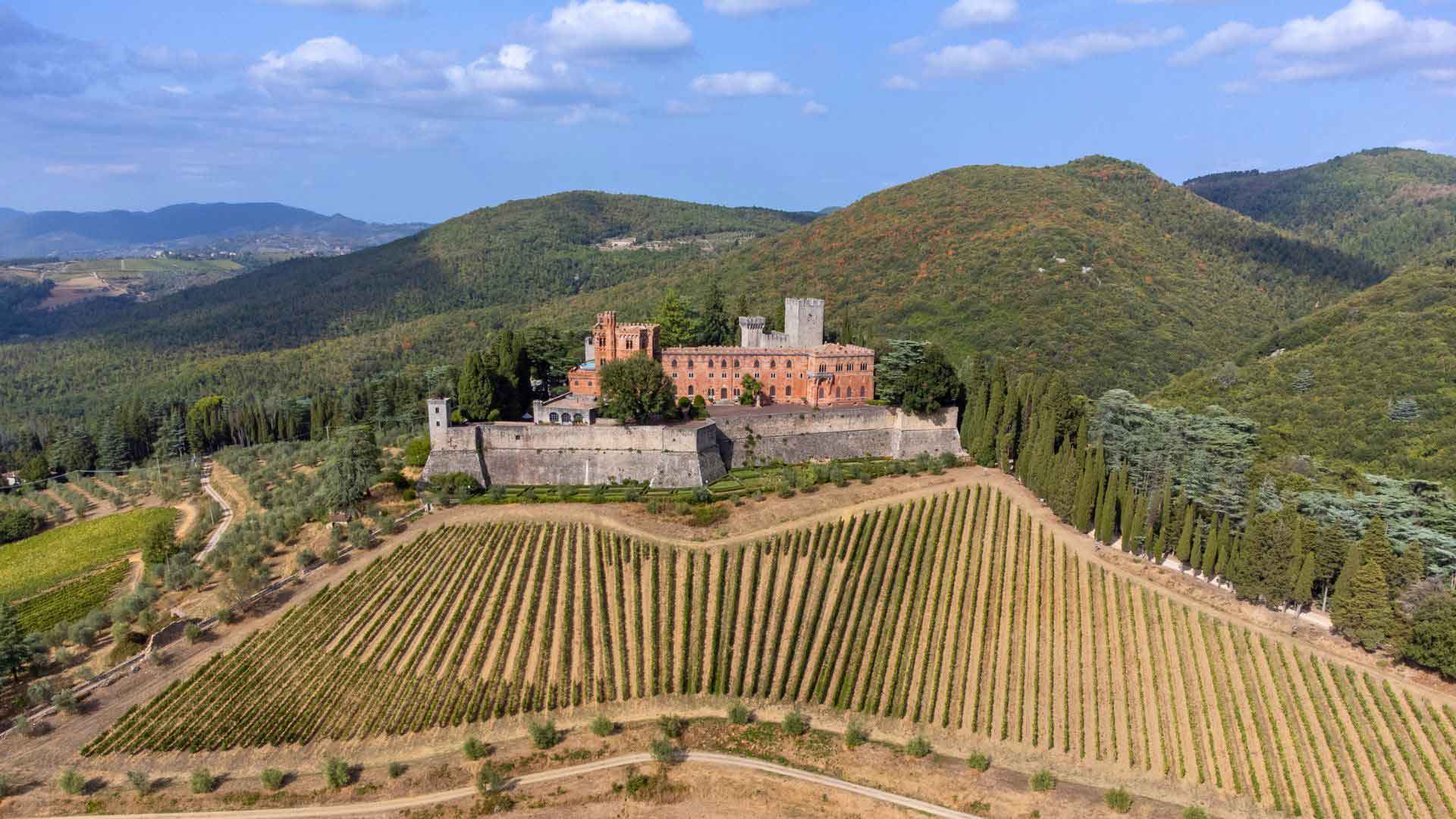
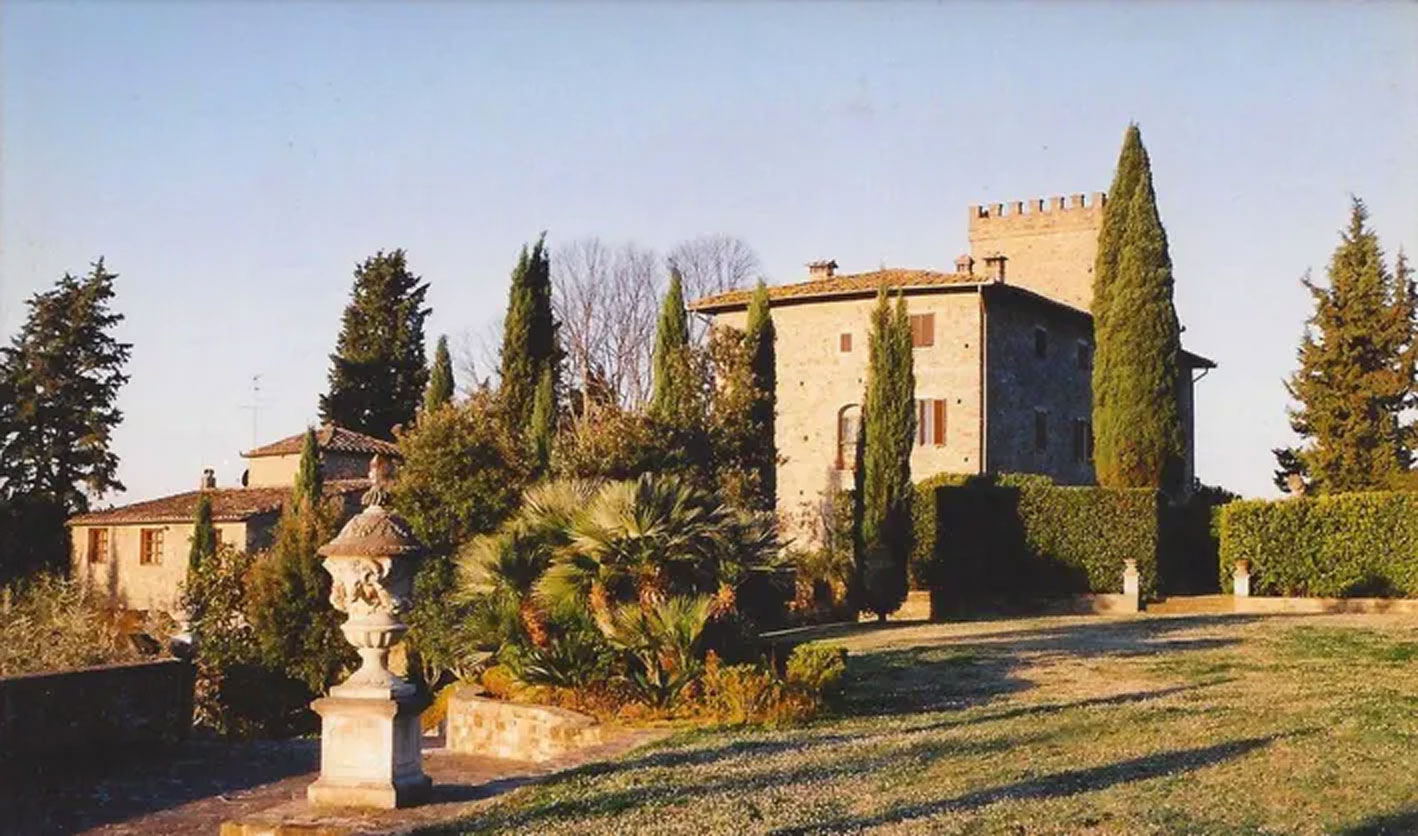
Il Poggio from Castello di Monsanto is a single-vineyard Chianti Classico Riserva that has been produced from the same plot since 1962 — one of the longest continuous single-vineyard bottlings in the appellation. The wine is a reliable and characterful expression of what Chianti Classico looks like with serious intent behind it: dark cherry, tobacco, a herbal note that speaks to the Sangiovese variety, and a structure that earns the Riserva designation. Drink with grilled lamb or aged hard cheese.
Recine is a smaller estate than Monsanto but one of the more interesting addresses in the Chianti Classico appellation: biodynamic farming, indigenous yeasts, minimal intervention in the winery. The result is a Chianti that tastes distinctly of its place — earthy, mineral, with the kind of specificity that natural wine producers in France pursue at considerably higher prices. At £20 it is one of the better value bottles in the SlowSip Italian range and a useful demonstration that seriousness of intent doesn't necessarily require a prestige price point.
Amarone della Valpolicella is Italy's most unusual serious red wine and one of the most unusual serious red wines in the world. Made from Corvina, Corvinone, and Rondinella grapes grown in the hills around Verona, the wine's distinctiveness comes not from the grape varieties or the terroir but from the production method: the grapes are harvested in October and then dried on bamboo racks in special lofts called fruttai for three to four months, concentrating their sugars and flavours before pressing and fermentation. The result is a wine of extraordinary density — typically 15% alcohol or above, with a depth of dried fruit, chocolate, and spice that no conventionally produced wine can replicate.
Amarone divides opinion in the way that all genuinely concentrated wines do: those who find richness and power compelling regard it as one of Italy's greatest expressions; those who prefer elegance and finesse find it too much. Both positions are reasonable. What is not reasonable is assuming, as many casual wine drinkers do, that richness equals lack of complexity. The best Amarone bottles carry as many different and evolving flavours as the best Burgundy — just louder.
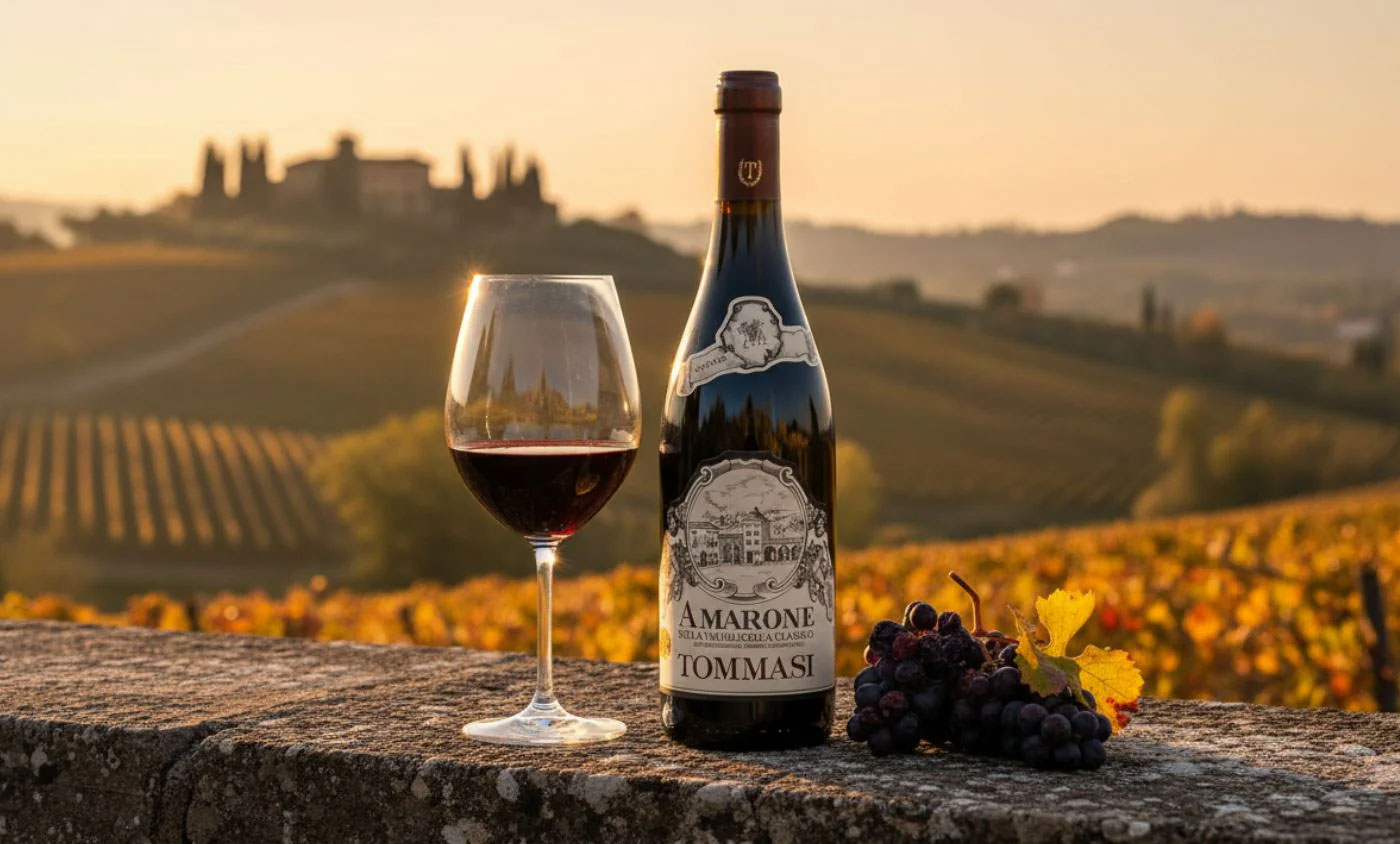
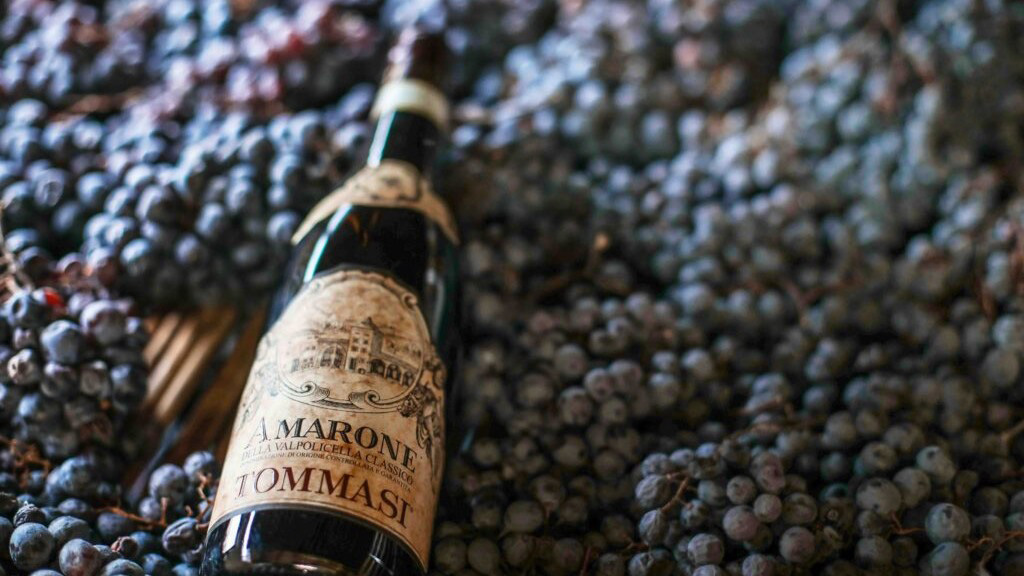
Tommasi is one of the Valpolicella's most respected family estates, farming vineyards across the appellation since 1902. The Ca' Florian Riserva is the top of the house range: a single-vineyard Amarone from the estate's oldest vines, aged for a minimum of seven years before release. The concentration is extraordinary — dried fig, dark chocolate, tobacco, a warmth that builds gradually through the finish and stays for a long time. This is a wine for a cold evening with something robust alongside it: braised beef, aged hard cheese, or — most correctly — on its own, slowly, with enough time to let it open properly in the glass. At £75 it is, against any comparable standard, a serious bottle at a reasonable price.
The standard Tommasi Amarone is the more accessible entry point to the house's Amarone programme — aged for a shorter period, from a broader selection of vineyards, and at a price point that invites regular drinking rather than occasion-only reverence. The dried cherry and dark spice are there; the concentration is slightly less overwhelming than the Ca' Florian. A useful introduction to the style for those approaching Amarone for the first time.
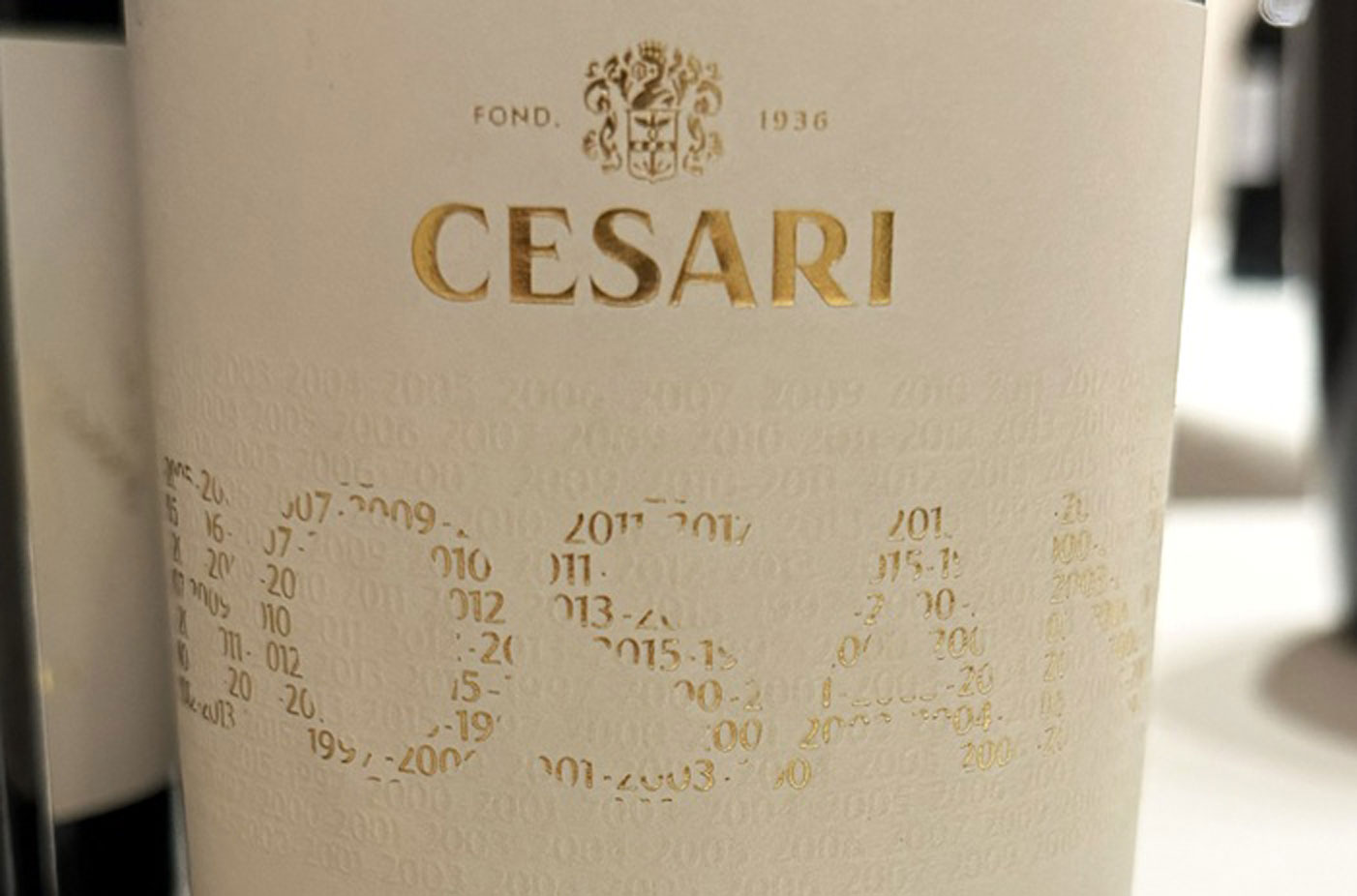
Gerardo Cesari's Bosamarone takes a different approach to Amarone within the same appellation: a more open and aromatic style, with the dried fruit character more prominent than the dark chocolate and tar notes that dominate the Tommasi range. This is Amarone as a dinner wine rather than a contemplative sipping wine — approachable enough to serve with food without requiring the meal to pause around it.
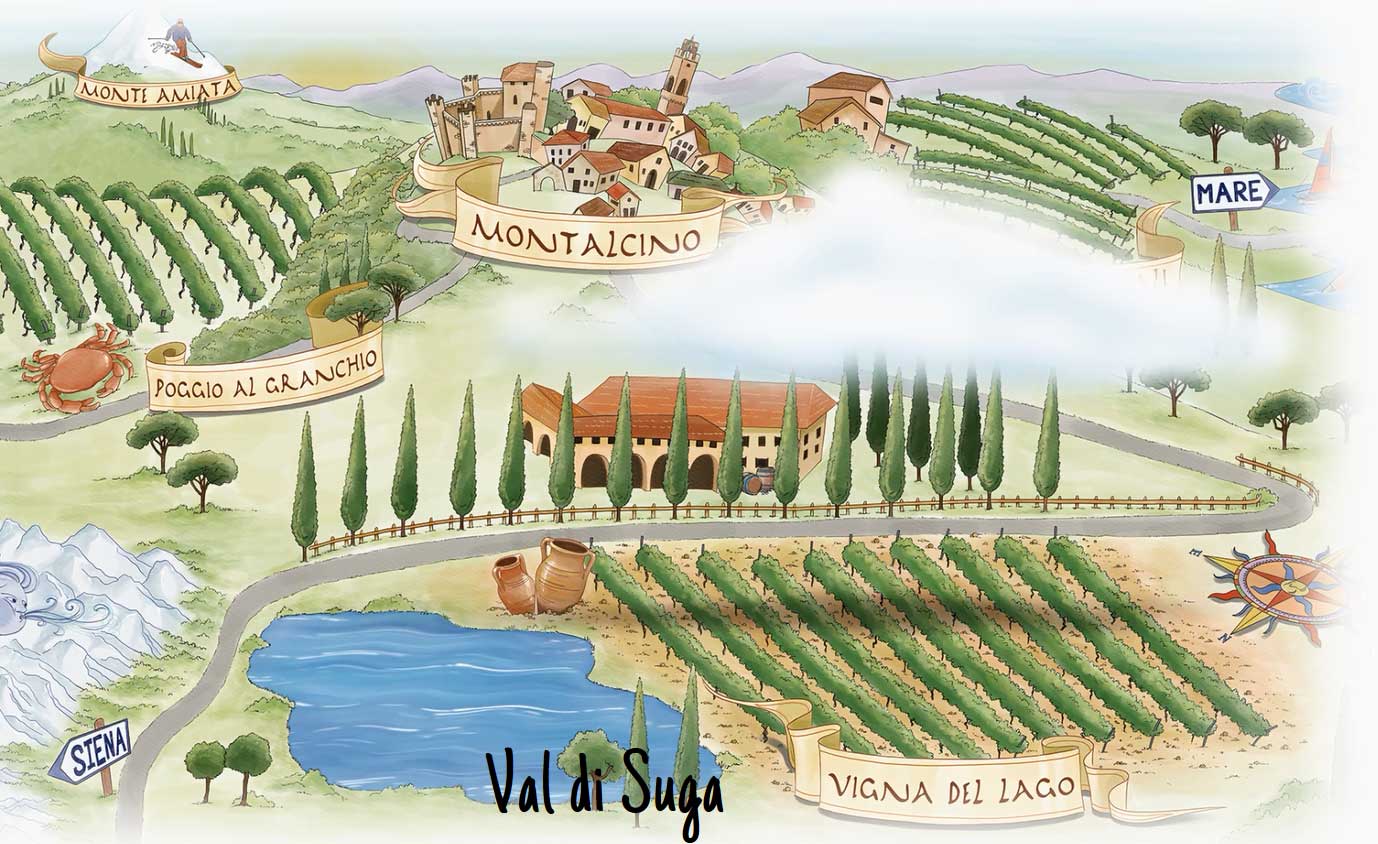
Brunello di Montalcino is the most expensive and most age-worthy of Italy's great red wines — made exclusively from Sangiovese Grosso (locally called Brunello) in a small DOCG zone around the hilltop town of Montalcino in southern Tuscany. By law, Brunello must be aged for a minimum of five years before release, including two in oak and four months in bottle; Riserva expressions require six years. The result is a wine that arrives on the market already elderly by most red wine standards, and that continues to develop in bottle for decades afterwards.
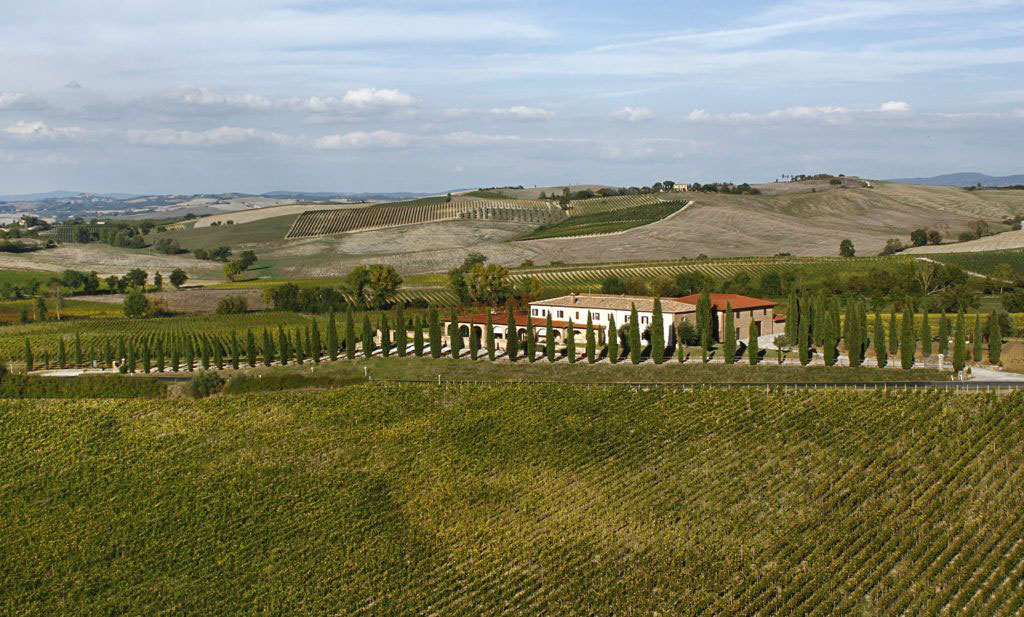
Val di Suga is a consistently reliable producer in the Montalcino appellation, farming vineyards at three different altitudes across the zone. The standard Brunello carries the appellation's characteristic register: dried cherry and violets on the nose, a structural firmness from the extended oak ageing, a long finish with earthy and spice notes that develop slowly through the glass. This is not an immediately gratifying wine — it asks something of the drinker — but the return on attention is substantial.
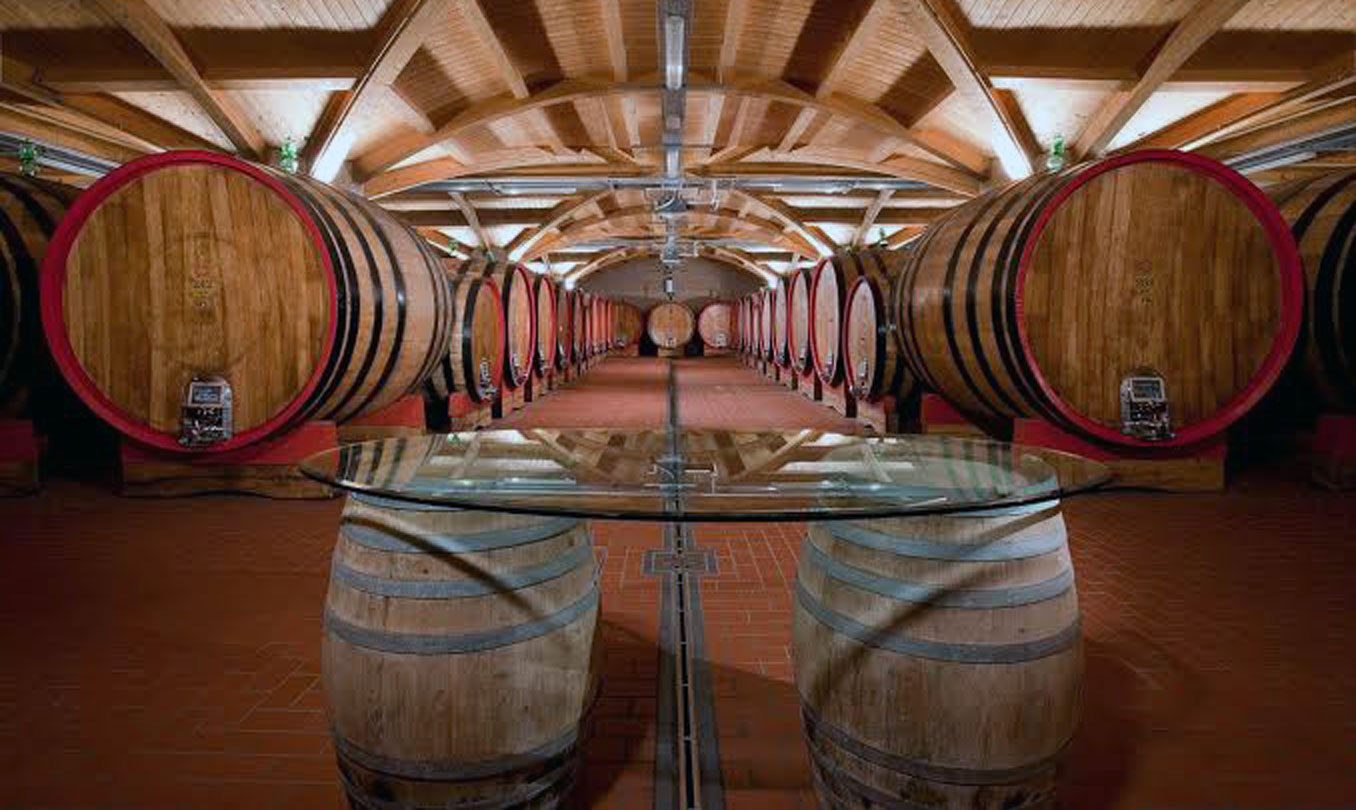
Cantina di Montalcino is a co-operative producer that draws on growers across the appellation and offers some of the most accessible pricing in the Brunello category without compromising on the appellation's essential character. At £38 it is the most affordable route into serious Brunello and a useful demonstration that the appellation's quality floor is consistently high.
The Super Tuscans are Italian wine's great act of defiance. In the 1970s and 1980s, producers in Tuscany who wanted to use non-indigenous grape varieties — Cabernet Sauvignon, Merlot, Syrah — were forced to declassify their wines to the lowest IGT designation, since the DOCG rules required traditional varieties only. Rather than abandon their experiments with international varieties, producers like Antinori and Sassicaia released wines under the humble table wine designation that were, by any measure, superior to most of what the official appellations were producing. The market responded accordingly: the table wine designation became a byword for quality, and the rules eventually changed to accommodate what the producers had demonstrated.
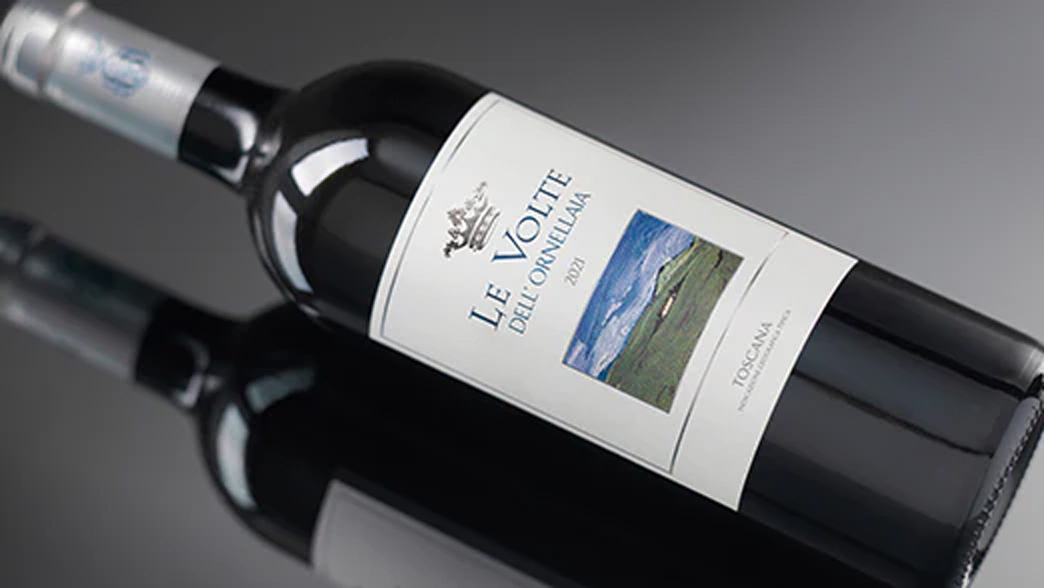
Ornellaia is one of the most celebrated estates in Bolgheri — the coastal Tuscan appellation that has become synonymous with Super Tuscan production. Le Volte is the estate's entry-level wine: a blend of Merlot, Cabernet Sauvignon, and Sangiovese that offers access to the Ornellaia philosophy without the Ornellaia price tag. Dark fruit, cedary oak, a Tuscan earthiness that the international varieties don't quite eliminate — this is a wine that makes the case for the estate's ambition at a price point that rewards regular drinking. At £30 it overdelivers relative to its position in the range.
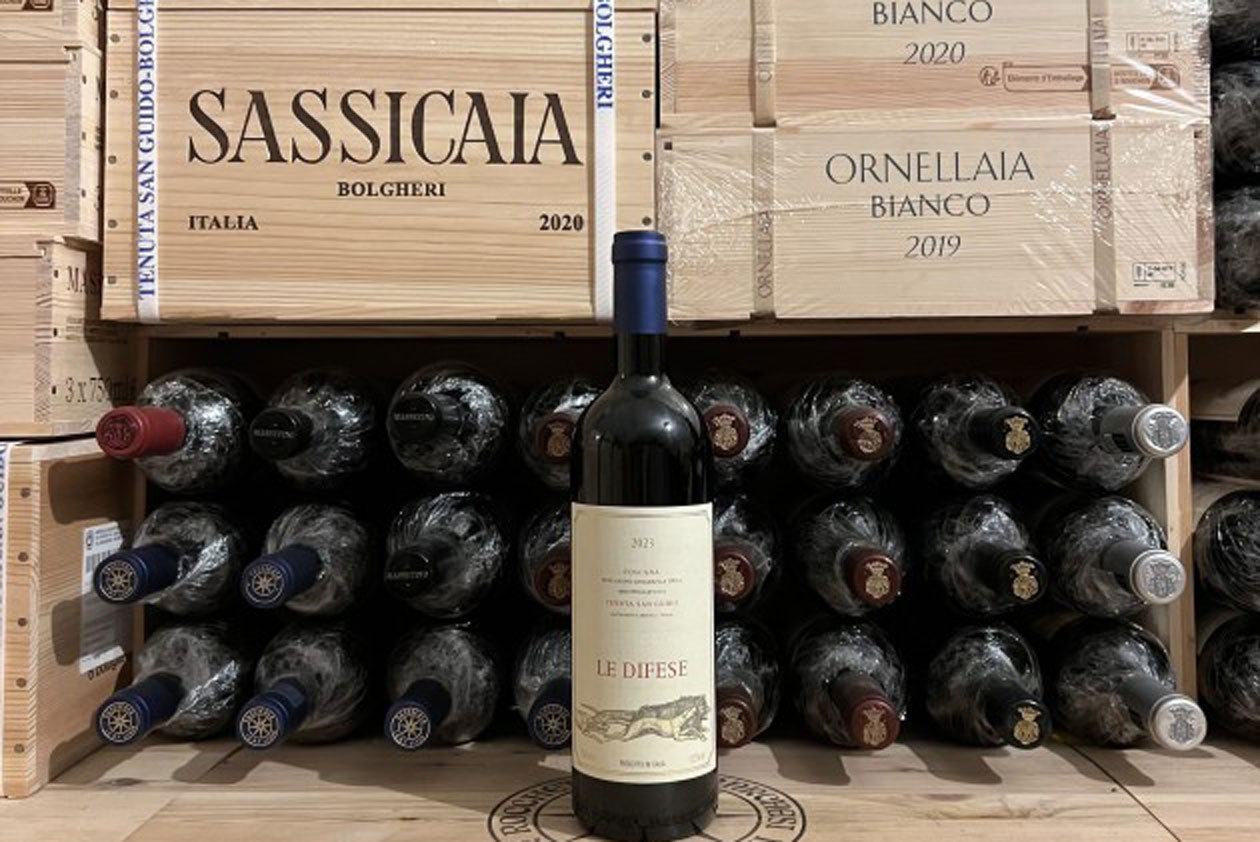
Le Difese comes from Tenuta San Guido — the estate that produces Sassicaia, the wine that effectively created the Super Tuscan category. Like Le Volte at Ornellaia, Le Difese is the entry-level expression from a prestige producer: Cabernet Sauvignon and Sangiovese in roughly equal measure, sourced from younger vines on the estate. The Sassicaia character — precise, structured, Cabernet-forward with a Tuscan warmth underneath — is recognisable even at this level. A bottle that earns its place on any serious table.
The comparison with Burgundy that opened this piece is worth revisiting at the close. Burgundy's greatness is, at this point, uncontested — the Pinot Noir of the Côte d'Or produces wines of a transparency and complexity that no other region has replicated. But the comparison has been limiting for Italy in the way that all benchmark comparisons are limiting: by measuring Italian wine against a French standard, we have been asking the wrong question. Barolo does not taste like Burgundy. Brunello does not taste like Bordeaux. Amarone does not taste like anything else on earth. These are wines that are making their own argument about what red wine can be — and the argument, examined on its own terms rather than against an imported standard, is a compelling one. The bottles above are the evidence. The judgement is yours.