Departments
 Departments
Departments
Departments

New to Slowsip? Create Account
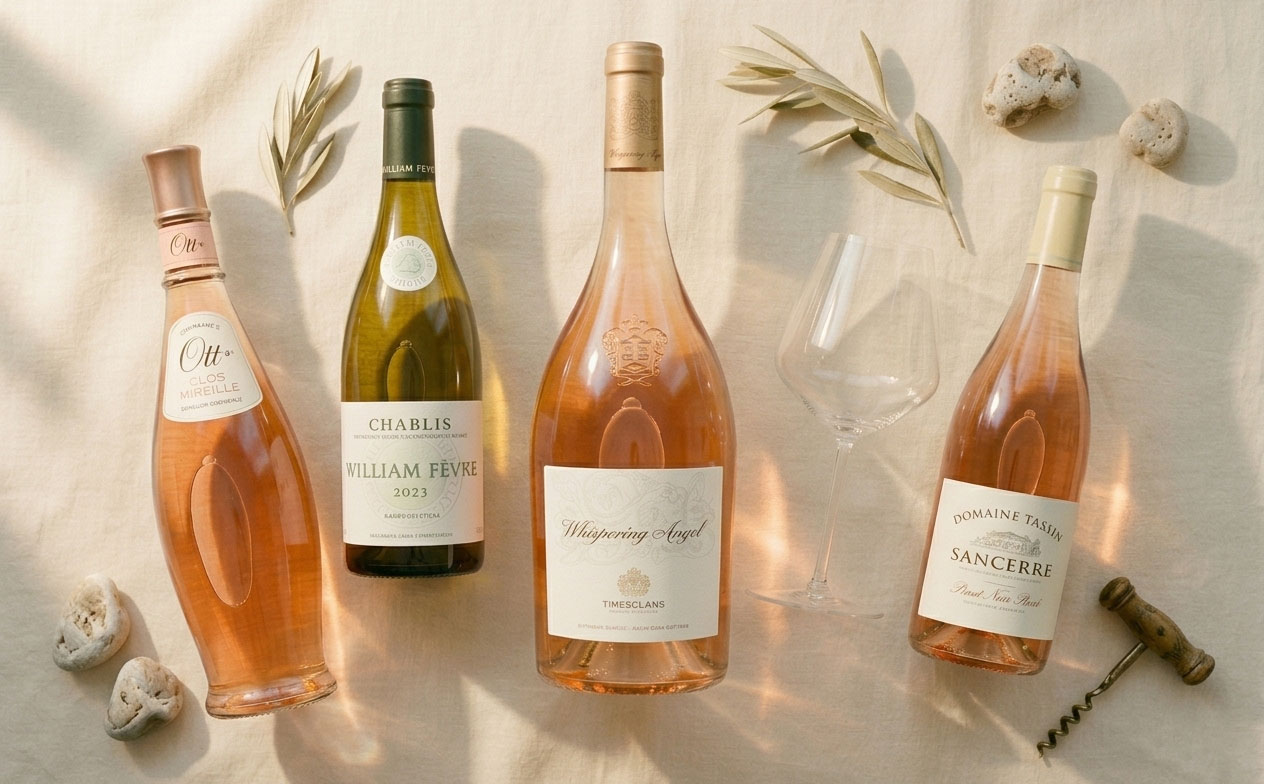
June is the month that separates the wine drinkers who plan from those who panic-buy at the supermarket on the way to a barbecue. This is the SlowSip edit for the former: a considered selection of rosé and white wines for the table, the terrace, and the long unhurried afternoon.
There is a particular tyranny to June wine buying. The sun appears, the invitations arrive, and suddenly everyone needs a case of something pale and cold before the weekend. The result — in most households and most off-licences — is a grab for whatever Provence rosé is on promotion, which is fine as far as it goes. It doesn't go very far.
June deserves better than reflex buying. The range of rosé and white wine available to a considered drinker in 2026 is broader and more interesting than it has ever been — from the benchmark pale pinks of the Var to the mineral whites of Chablis, the aromatic complexity of Sancerre, and the understated precision of a good Italian Vermentino. This is the edit that earns its place on the table.
Provençal rosé has become so dominant in the category that it risks being taken for granted — which would be a mistake. The pale, dry, garrigue-scented style that the Var produces at its best is one of the most food-versatile wines made anywhere in France, and the gap between a bottle chosen with care and one grabbed from a promotional stack is considerable.
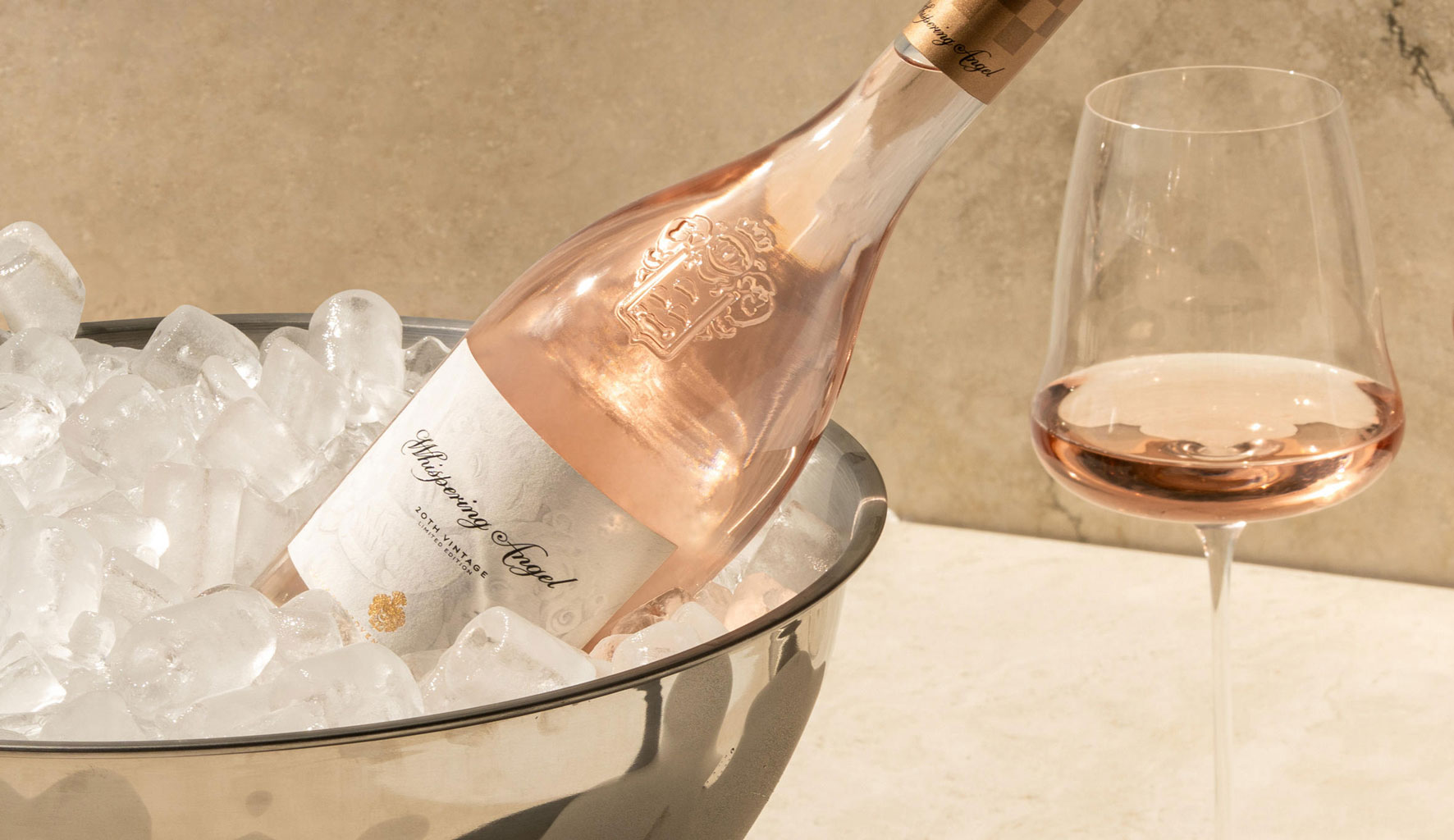
Whispering Angel is the bottle that defined premium Provençal rosé for a generation of drinkers, and the magnum format is the correct choice for a summer table of four or more. The wine is pale copper-pink, dry, and built around Grenache with Vermentino and Rolle for aromatic lift. Stone fruit, white flowers, and a clean mineral finish. This is the benchmark because it earned the position — not because it has the best marketing, though it has that too. Serve very cold.
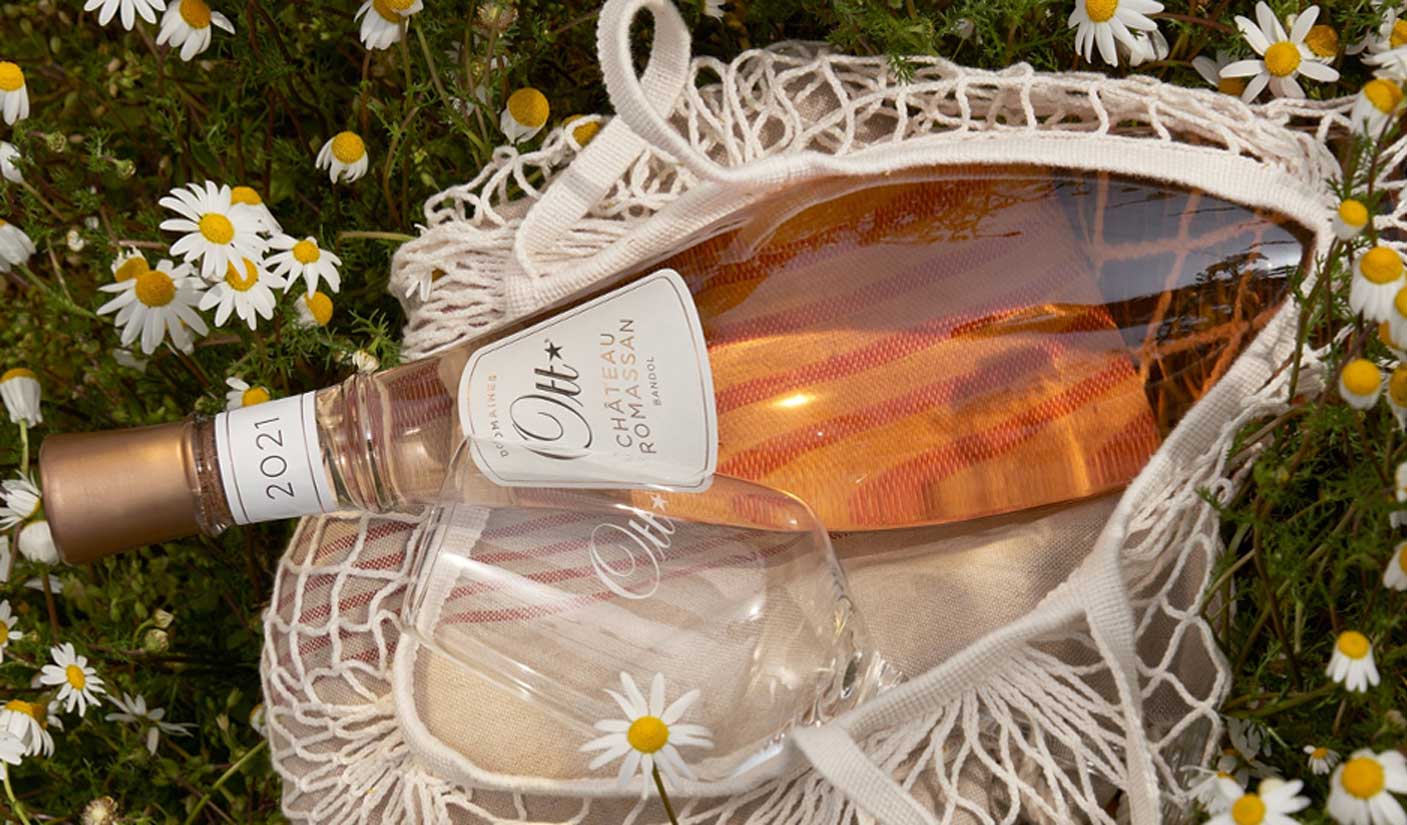
Domaines Ott is the other name that serious rosé drinkers reach for, and with good reason. The Ott family have been making wine in Provence since 1896, and their rosé — produced across three estates — carries an authority that newer entrants to the category have spent decades attempting to replicate. Finer-boned than Whispering Angel, with a saline, almost flint-edged quality that rewards slow drinking. This is not a poolside wine; it is a wine for a properly laid table with good food alongside it.
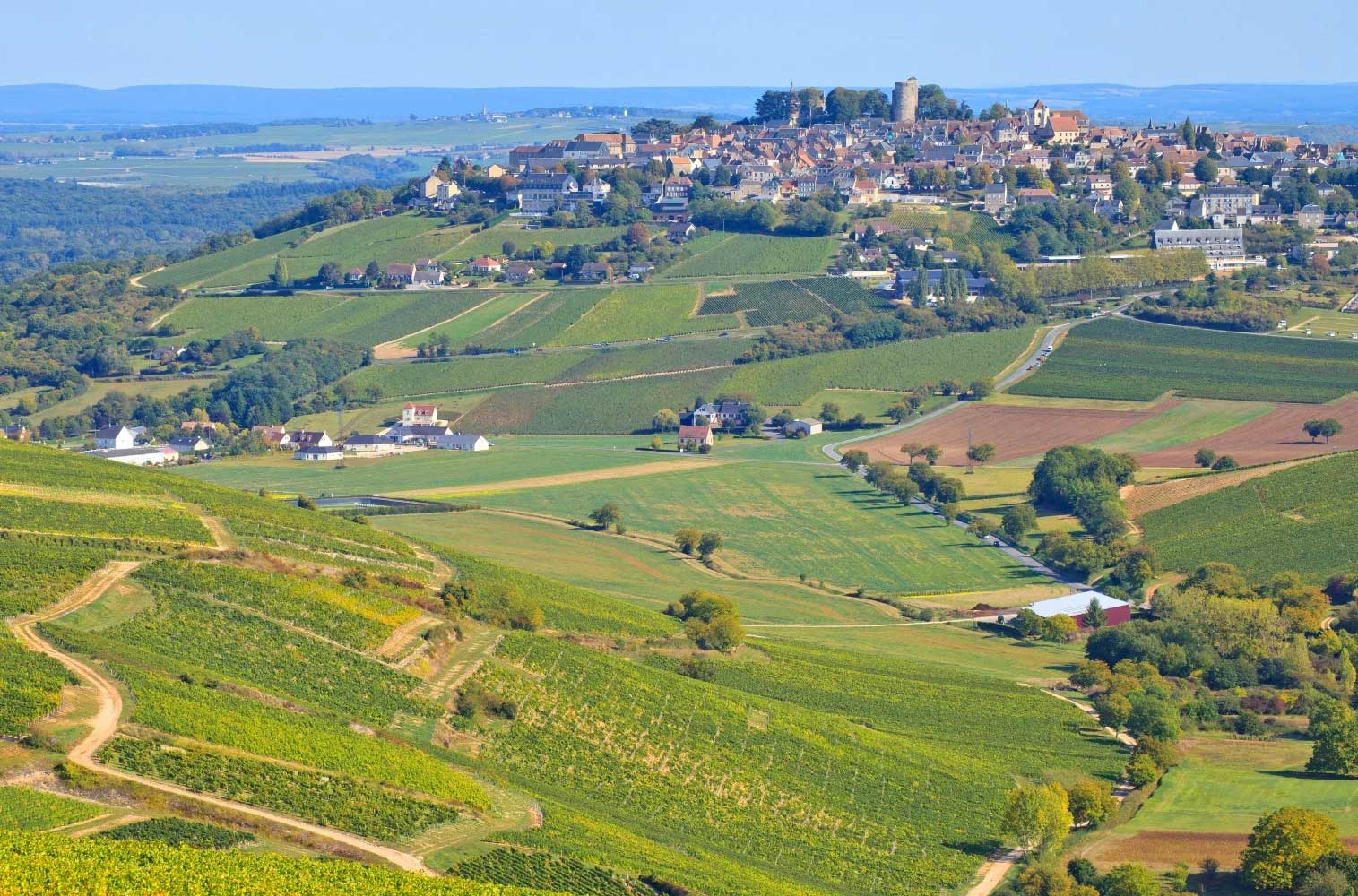
Sancerre rosé is a different proposition entirely — made from Pinot Noir rather than Grenache, in the Loire rather than Provence, and with a vinous depth that the pale Provençal style deliberately avoids. Domaine Tassin's version is one of the category's more reliable expressions: red cherry and raspberry with a characteristic Loire minerality, and enough structure to sit comfortably at the table rather than simply alongside it. A bottle for those who find straight rosé too light and straight red wine too heavy for June.
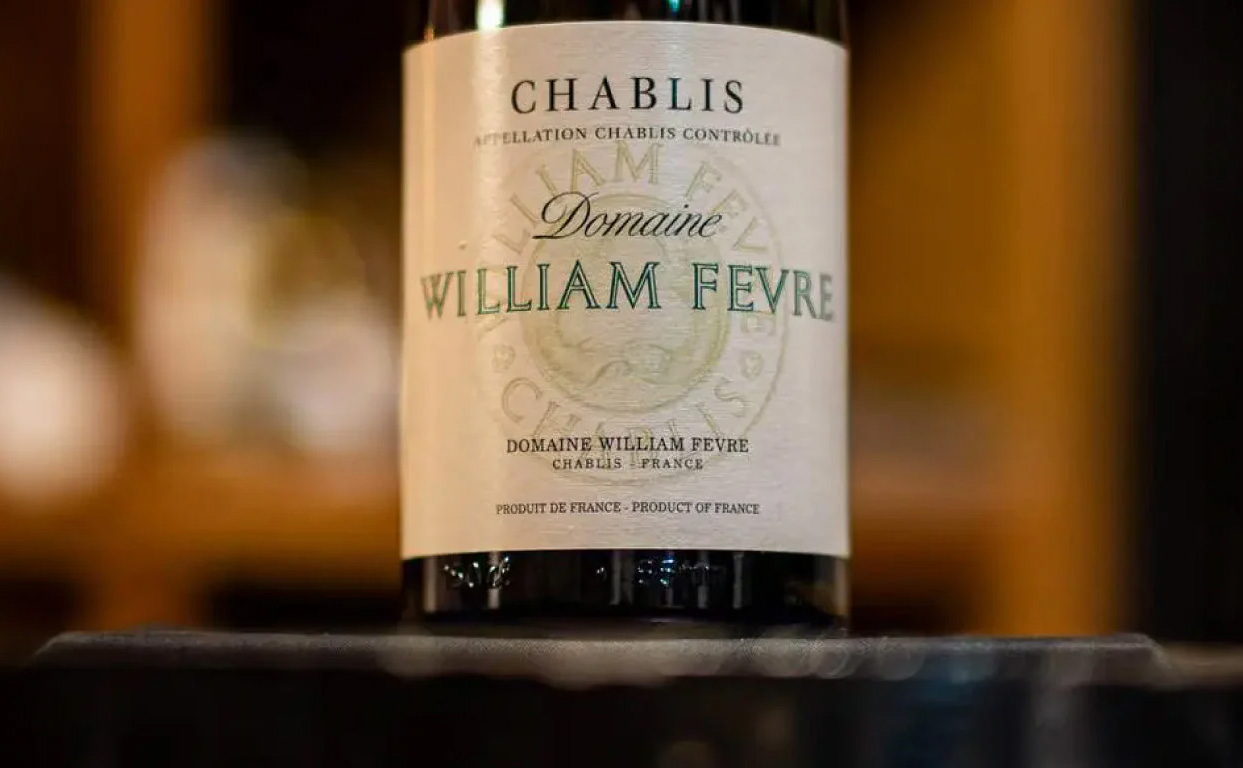
White wine in June is a broad category, and the right choice depends entirely on what it's accompanying. A properly cold Chablis and a plate of oysters is one of the most defensible combinations in gastronomy. A Sancerre with goat's cheese is another. A good Viognier alongside a summer fish dish. These are not arbitrary pairings — they are the accumulated wisdom of regions that have been growing the same grapes alongside the same food for centuries.
William Fèvre is one of Chablis's most respected domaines, farming some of the appellation's finest premier and grand cru parcels. The straight village Chablis is the entry point to that house style: lean, precise, with the characteristic green apple and wet stone quality that distinguishes Chablis from any other Chardonnay on the planet. The steely acidity that can seem austere on its own becomes precisely calibrated alongside seafood. A bottle to open cold and drink thoughtfully.
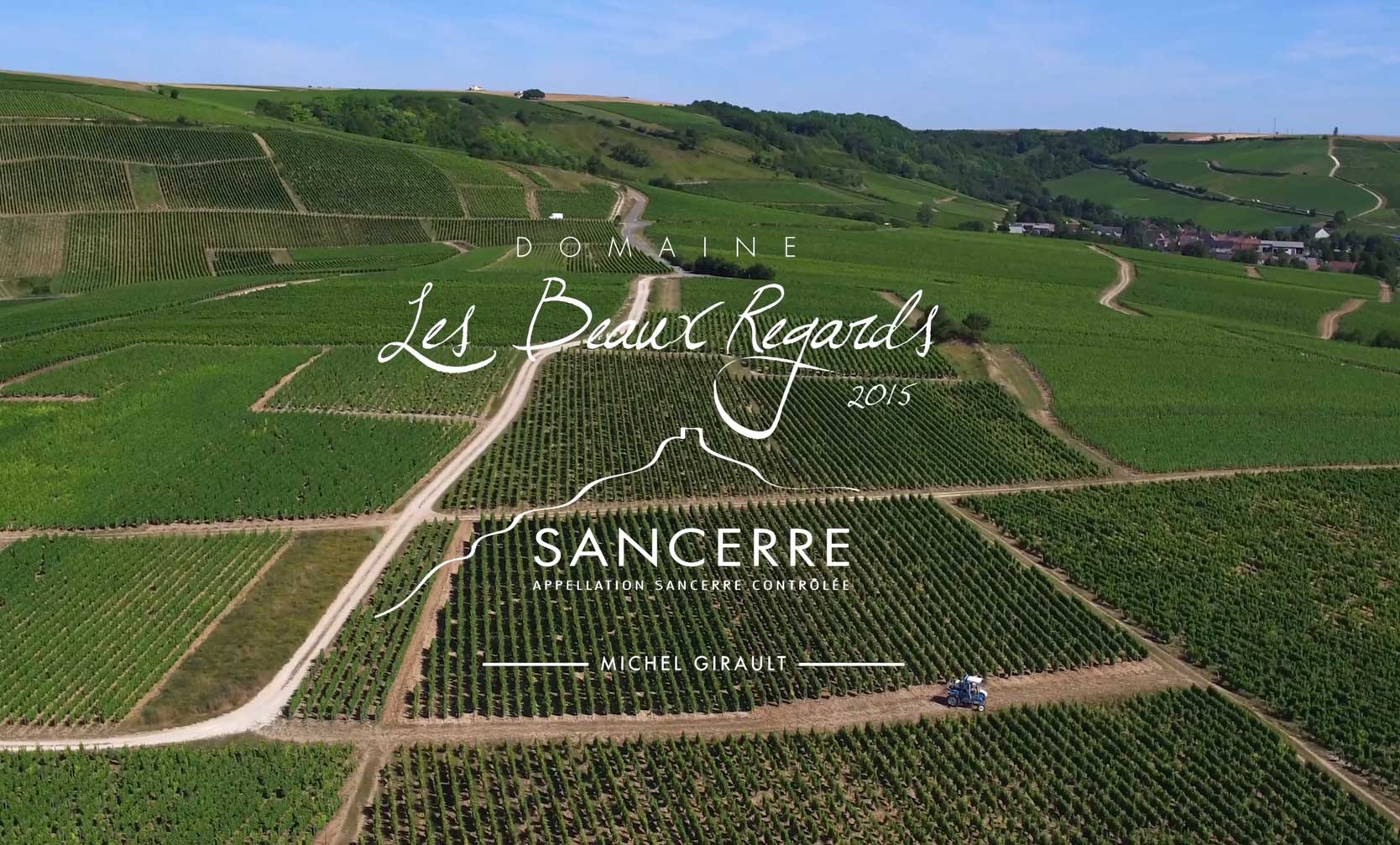
Sancerre white — Sauvignon Blanc grown on the limestone and flint soils of the central Loire — is one of France's most consistently satisfying white wines, and one of the most misunderstood. It is not just another Sauvignon Blanc. The Kimmeridgian limestone that underlies the best Sancerre vineyards produces a mineral quality — flinty, sometimes smoky — that New Zealand or South African Sauvignon Blanc never quite replicates. Domaine Les Beaux Girault is a domaine of genuine quality: the citrus and gooseberry fruit is vivid, the finish long and mineral. The definitive summer aperitif.
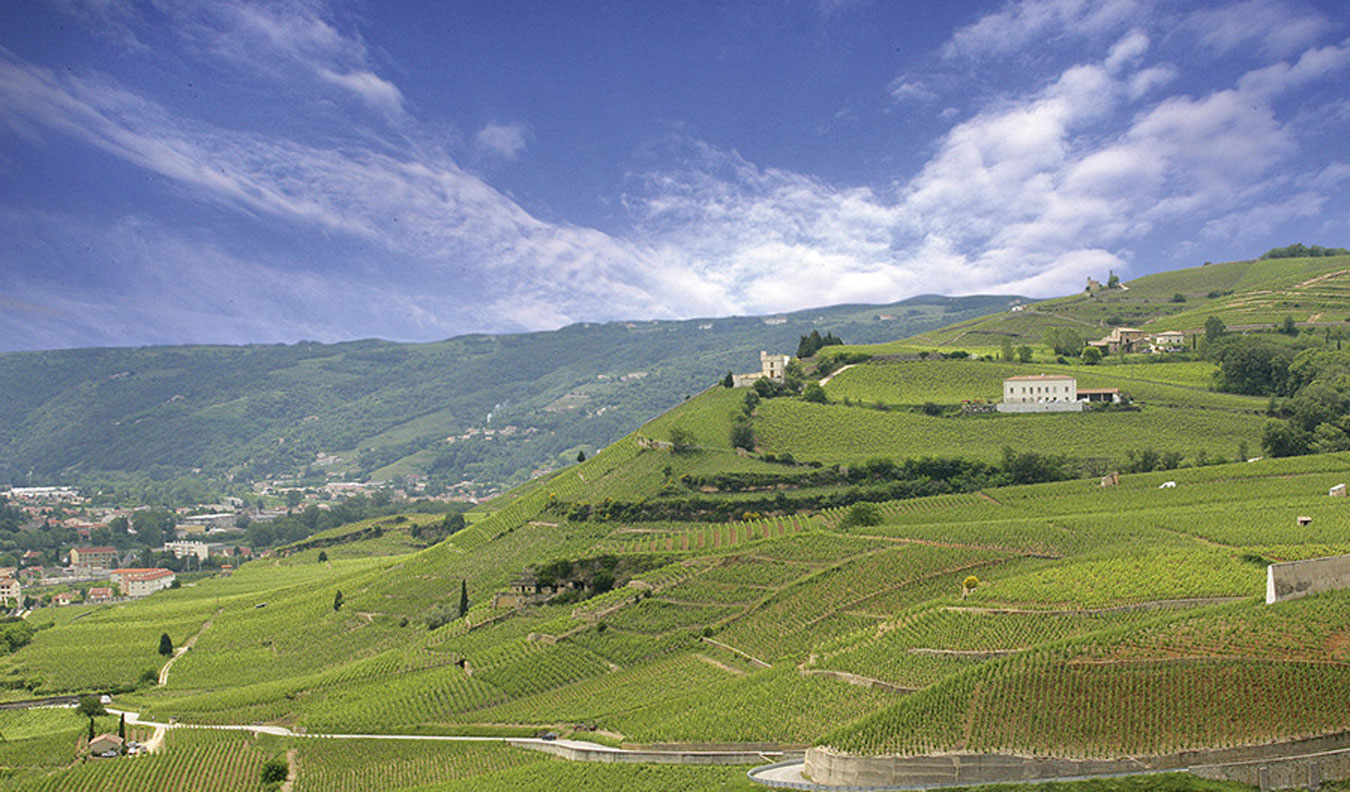
Condrieu is Viognier at its most serious — grown on the granite terraces of the northern Rhône in small quantities, for a limited number of producers who understand how to handle a grape that can easily tip from aromatic complexity into flabby excess. Chapoutier's Invitare is one of the more accessible expressions of the appellation: peach, apricot, and white blossom over a substantial body that needs food rather than ice to show at its best. Open it at the table, not before — it is a wine for eating with, and it will reward the attention.
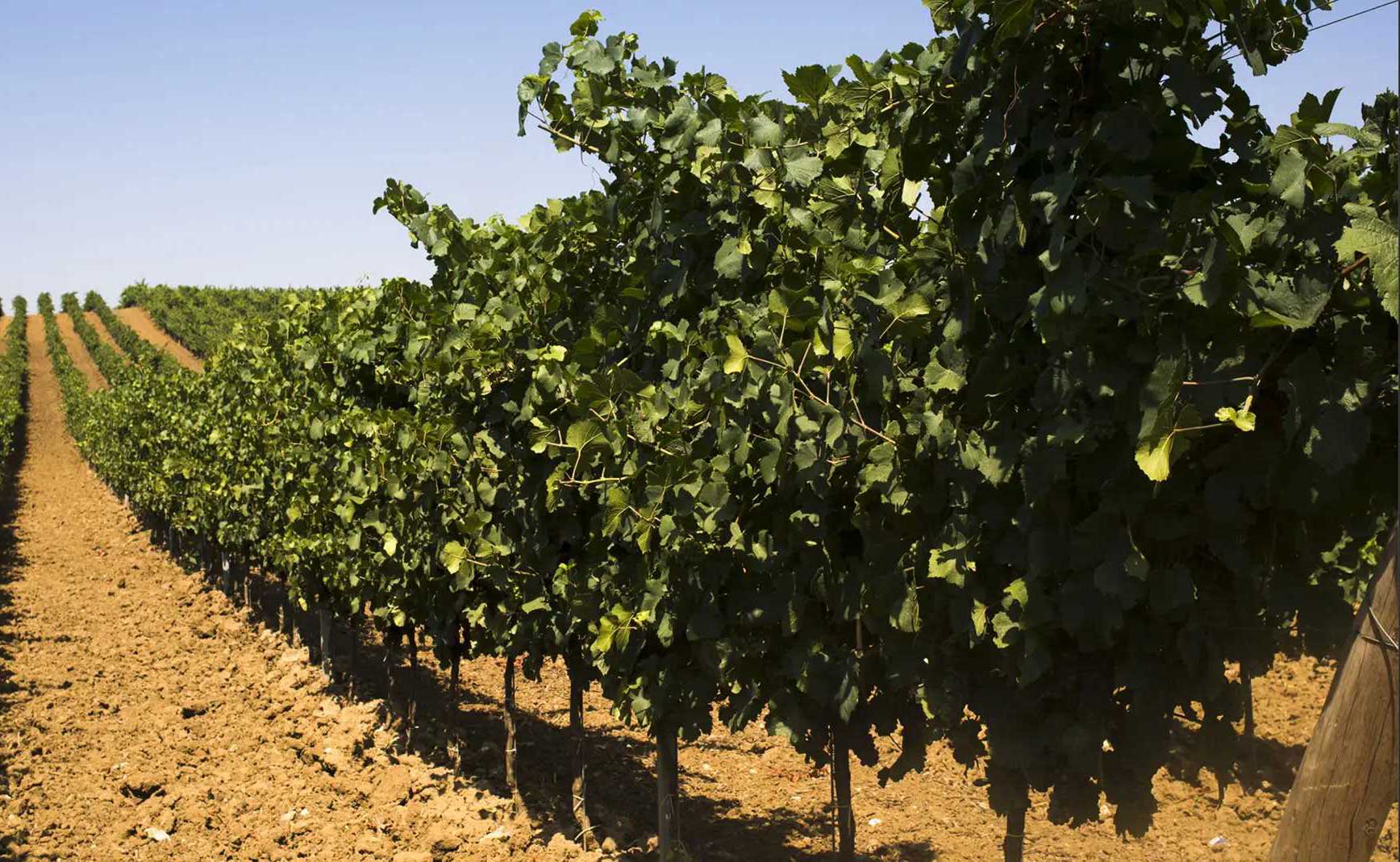
Vermentino is the white wine that summer was made for — and one of Italy's most criminally undervalued grapes. Grown primarily in Sardinia and the Ligurian coast, it produces wines of bright citrus and almond character with a pleasantly saline quality that makes it the natural companion to any fish, shellfish, or seafood-adjacent dish. Barone Moltino's Vermentino is honest and direct: clean, aromatic, lightly textured, with a bitter almond finish that is characteristic of the variety. At £10, it is also the best-value bottle on this list. Buy several.
One final note on all of the above: temperature. The single most common mistake made with both rosé and white wine in summer is serving them too cold. A wine pulled directly from an ice bucket and poured immediately is essentially anaesthetised — the aromas are suppressed, the texture is numbed, and what should be a considered pleasure becomes merely cold liquid. Serve your rosé at around 10°C and your whites between 8°C and 12°C depending on the weight of the wine — a Chablis or Sancerre at the cooler end, the Condrieu at the warmer. The fifteen minutes it takes for a wine to rise to the right temperature in the glass is not waiting. It is the beginning of the drink.