Departments
 Departments
Departments
Departments

New to Slowsip? Create Account
There is a version of the wine conversation that is exhausting: the one where every region is a discovery, every harvest a revelation, and every sommelier has just returned from somewhere you haven't heard of with a bottle that will change your life. It has produced some genuinely interesting wine. It has also produced a great deal of noise — and in all that noise, the classics have been obscured. Not eclipsed.
Not replaced. Simply talked over for a while.
France has been making serious red wine for longer than most wine regions have existed. That longevity is not sentimentality; it is evidence. The great appellations of Burgundy, Bordeaux, the Rhône, and the Loire have been refined by generations of growers who understood that the ground beneath a vineyard is not incidental to what ends up in the glass — it is the point. Terroir is not a French affectation. It is the reason that a Pinot Noir grown on the limestone slopes of the Côte de Nuits tastes like nothing else on earth, and that no amount of technical intervention elsewhere has yet replicated it.
This is not a polemic against New World wine. It is an argument for remembering why France became the benchmark in the first place — and why, on the evidence of the bottles available right now, it remains one.
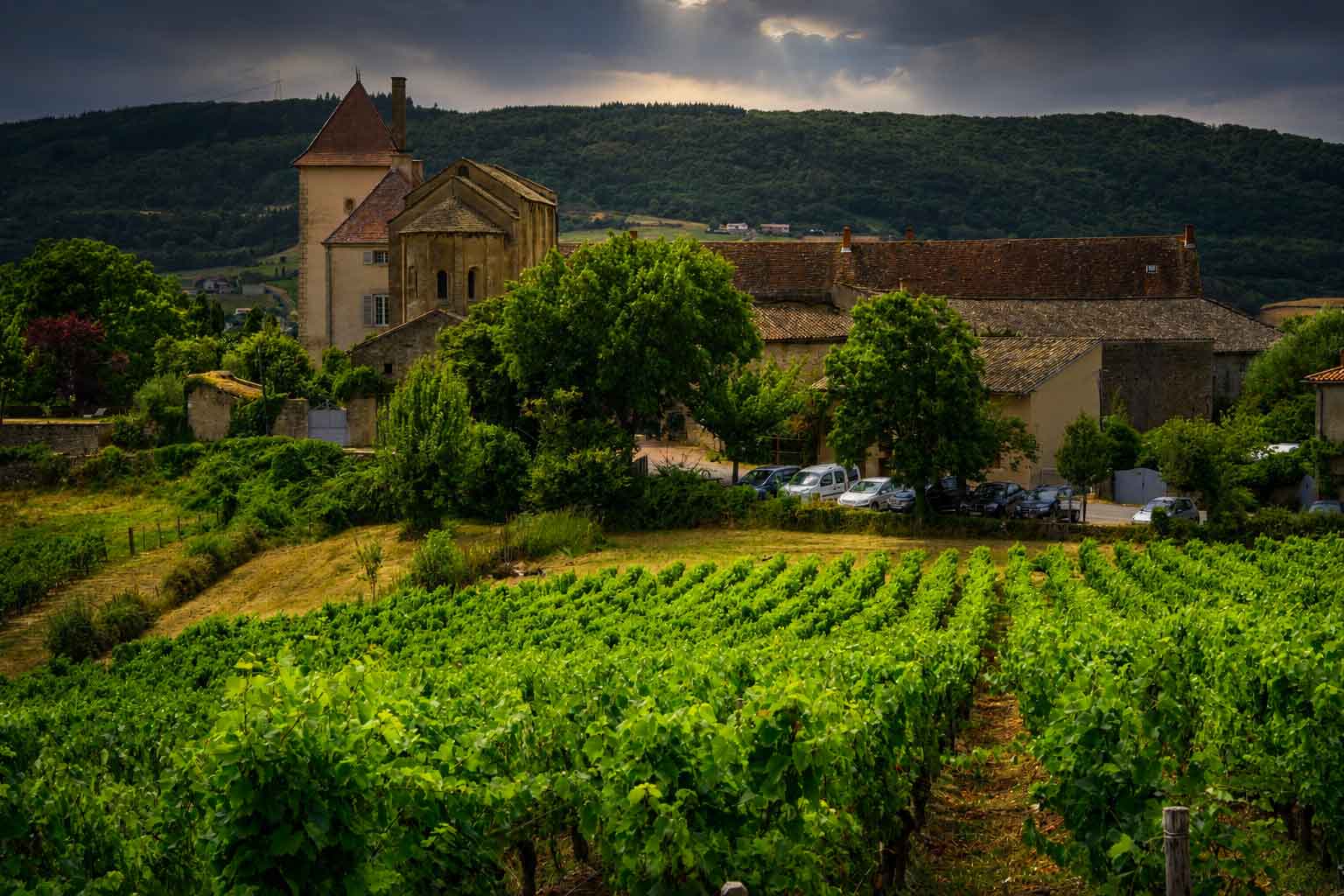
Burgundy teaches patience in a way that no other region quite manages. The wines ask you to wait — not just in the cellar, though that too, but in the glass. A young Côte de Nuits red, poured too soon, offers little but tannin and a suggestion of what it might become. Given time — in the bottle, in the glass, over the course of an evening — it opens into something of genuine complexity: earthy, floral, mineral, with a transparency of fruit that more concentrated wines can never achieve.
The grape is Pinot Noir, always Pinot Noir in red Burgundy, and its thin skin makes it both difficult to grow and uniquely expressive of where it was grown. The same variety planted fifty metres from a premier cru parcel produces wine that is noticeably, measurably different. This sensitivity to place is precisely what makes Burgundy so compelling to serious drinkers, and so reliably infuriating to those who want consistency above all else.
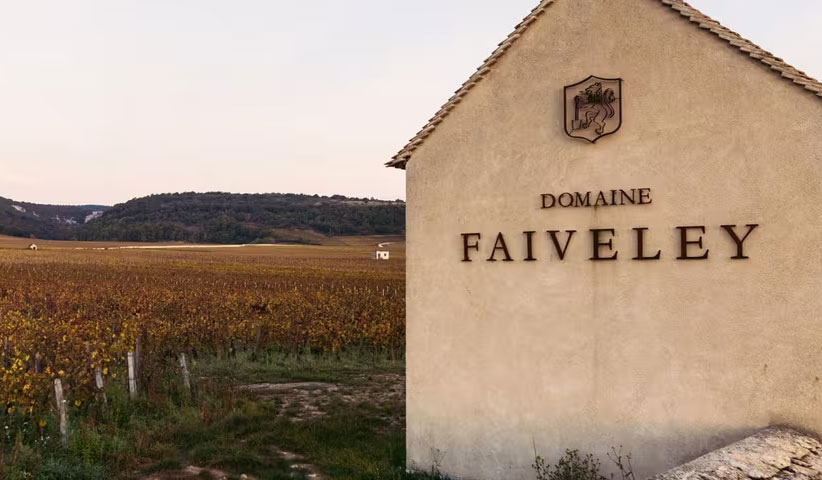
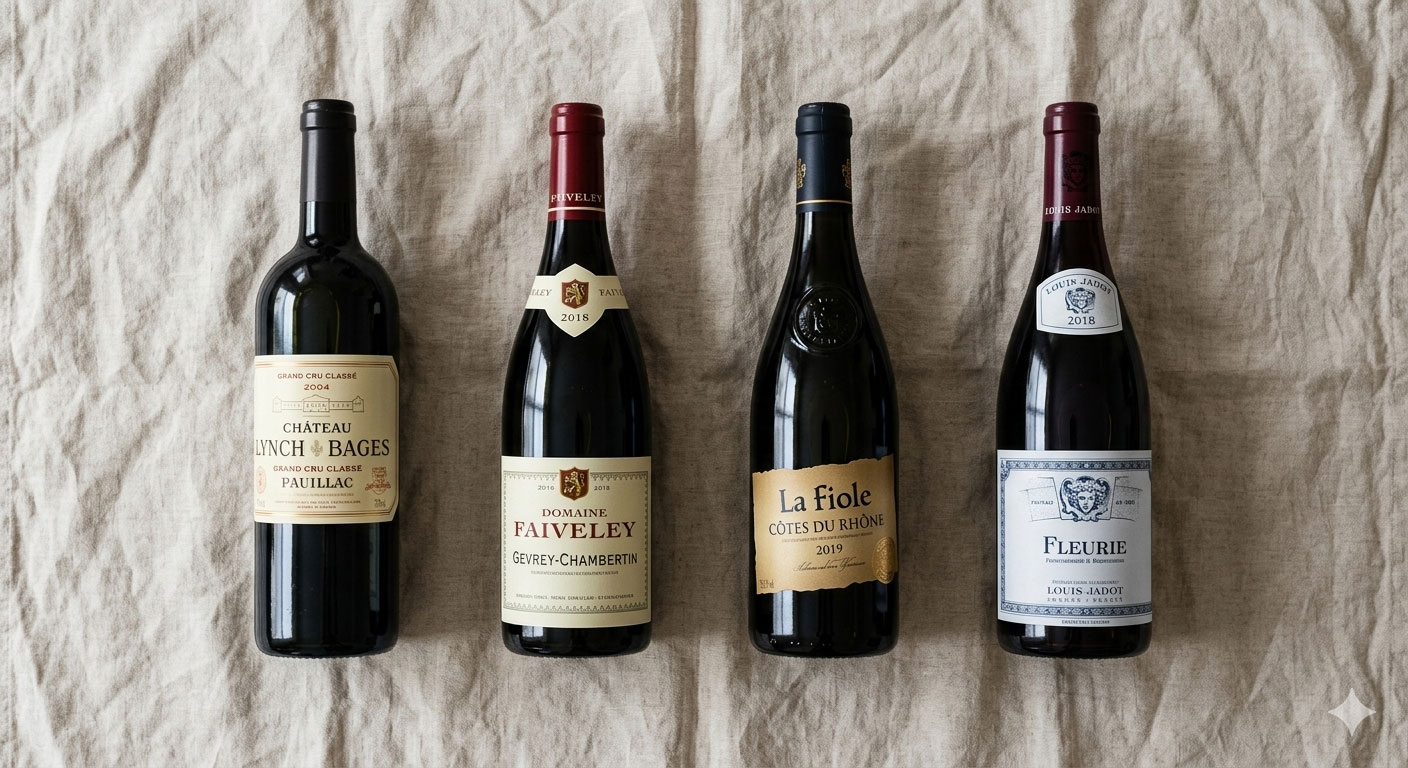
Faiveley's Gevrey-Chambertin is an entry point to one of Burgundy's most celebrated villages — a commune that has given its name to nine grand crus, including the legendary Chambertin itself. This is not that wine. What it is, is a reliable and characterful introduction to the village's signature register: darker fruit than most of the Côte de Nuits, a firmer structure, and the earthy depth that Gevrey seems to press into every bottle it produces. Drink with something substantial — roasted lamb, aged hard cheese — and give it twenty minutes in the glass before you judge it.
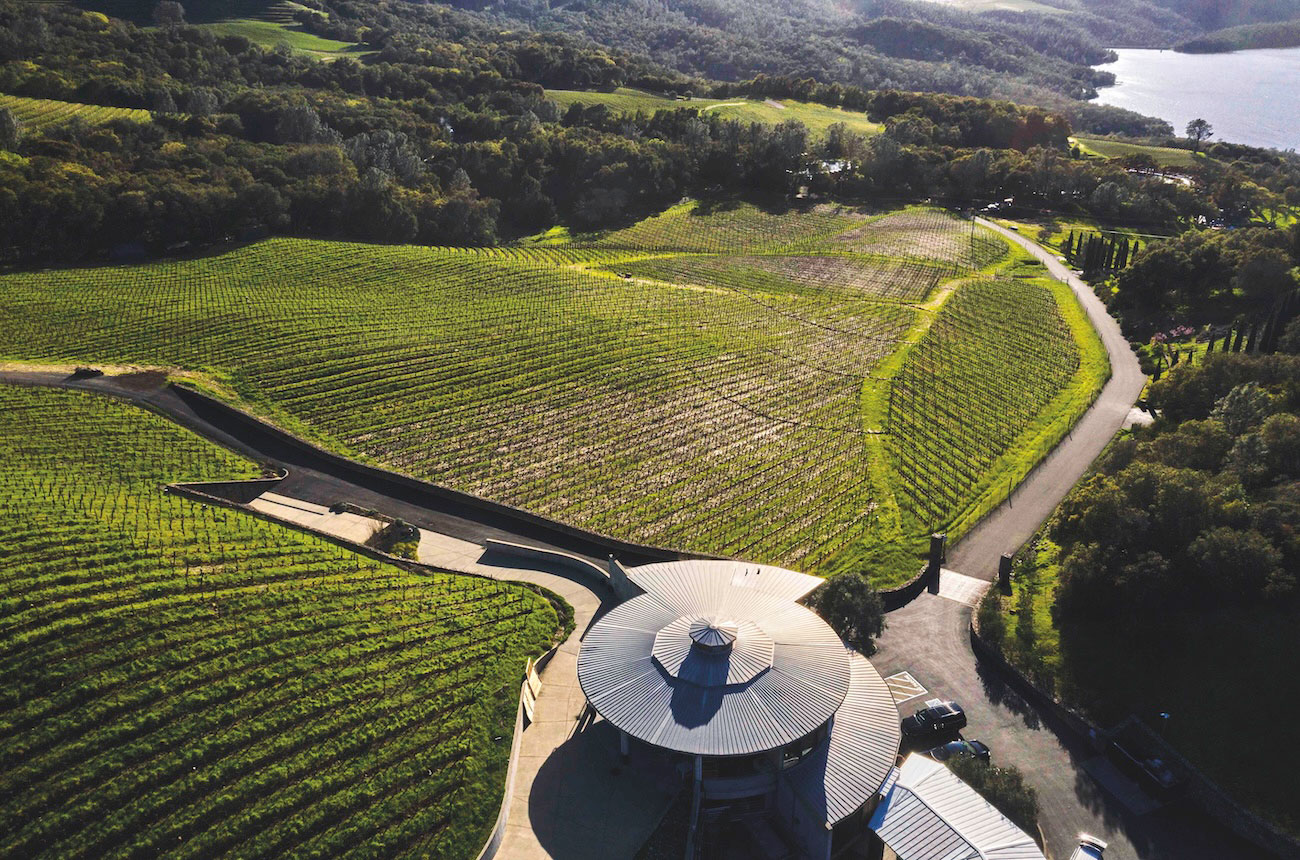
Domaine de l'Arlot's Clos des Forêts is a monopole — a single vineyard owned entirely by one producer — which means every bottle you open carries an unambiguous signature. The 2018 vintage brought warmth and generosity to a domaine better known for elegance than power, resulting in a wine that sits in interesting territory: richer than the house style typically allows, but with the structural precision that defines l'Arlot's best work. A wine to open now and again in five years, noting the difference.
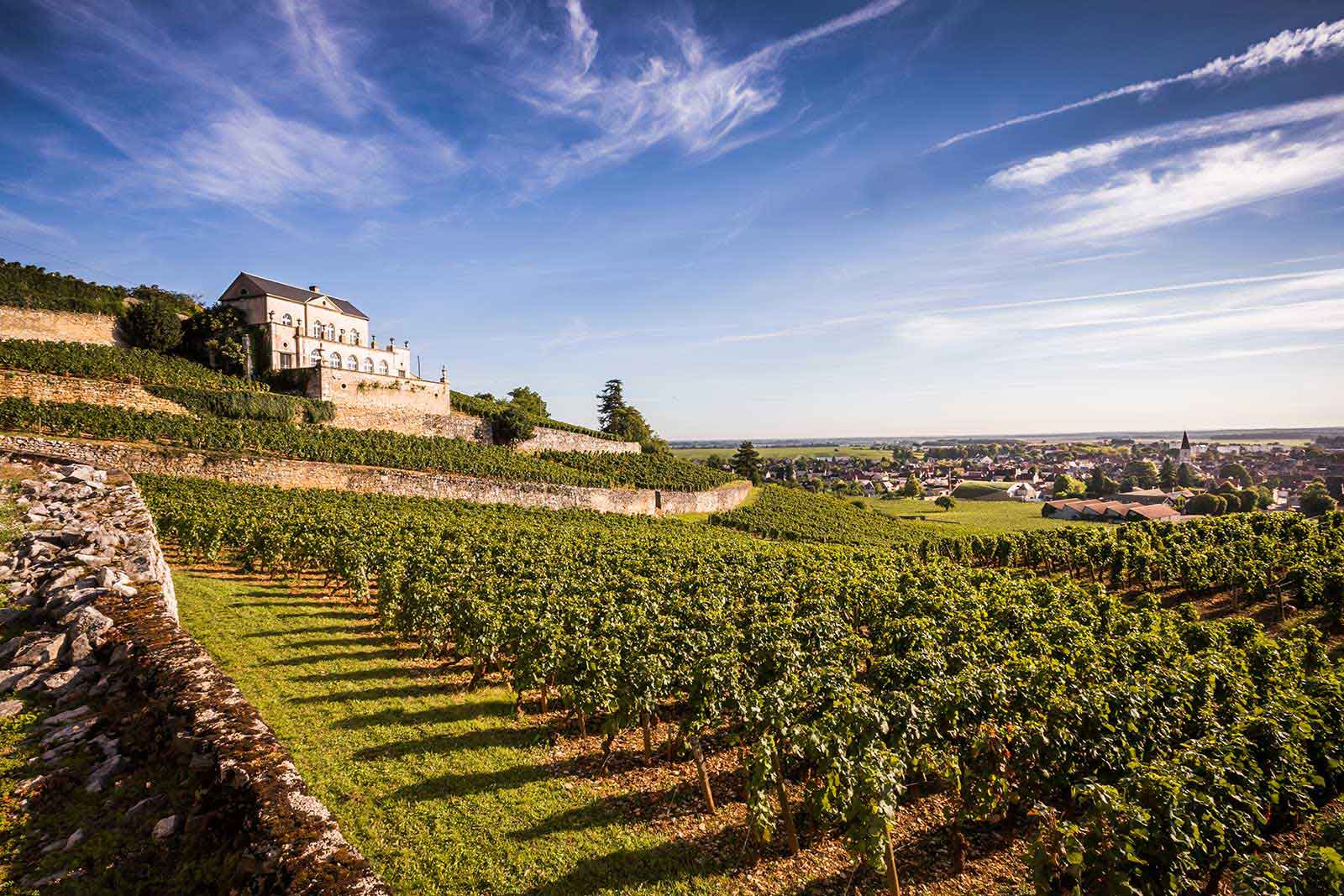
For those approaching Burgundy at a more accessible price point, Albert Bichot's Domaine du Dracy Bourgogne Rouge is an honest and well-made introduction. The fruit is clean, the oak is unobtrusive, and the Pinot Noir character — bright red cherry, a faint suggestion of forest floor — comes through without complication. It is exactly what a regional Burgundy should be: a useful indicator of what the appellation is about, at a price that allows repeated drinking rather than occasional reverence.
Bordeaux is the wine that built the modern auction market, filled the cellars of English country houses, and gave the world the concept of the classified growth. It is also, periodically, the wine that critics declare finished — too expensive, too tannic, too dependent on oak — before a great vintage arrives and reminds everyone what the argument was always about.
The Left Bank — Médoc, Graves — is built on Cabernet Sauvignon, which gives the wines their celebrated structure: firm tannins, a backbone that allows decades of ageing, and a flavour profile that shifts from austere youth to extraordinary complexity over time. The Right Bank — Saint-Émilion, Pomerol — leans toward Merlot, producing wines that are rounder and more immediately approachable without sacrificing the depth that defines the region.
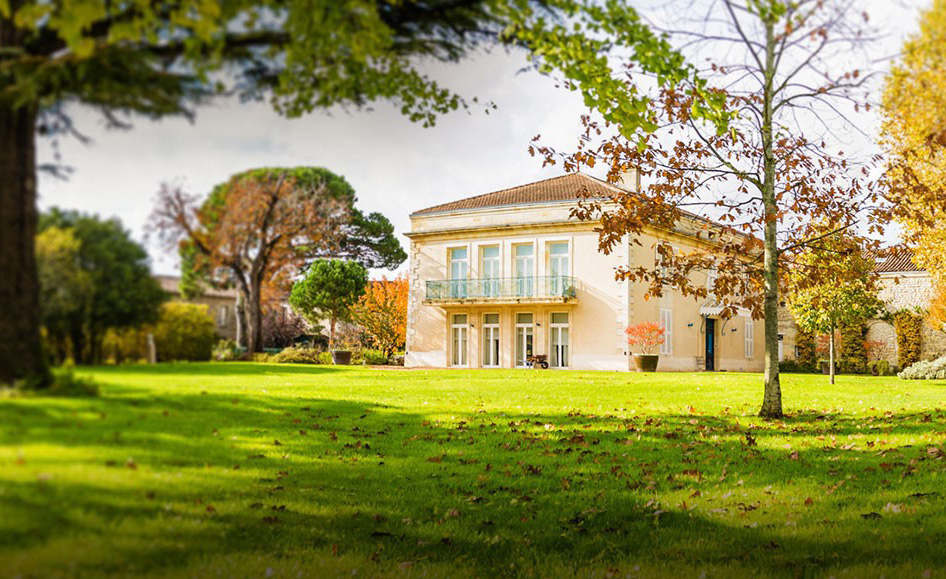
Lynch-Bages is a fifth growth by classification and a second growth by reputation — a distinction that has been noted in guides and auction rooms for decades. The 2004 vintage sits in an interesting position in the Lynch-Bages story: a year that produced wines of real elegance rather than the power of the great Bordeaux vintages, with a cedar and tobacco complexity that rewards careful attention. This is a wine that has arrived at where it was always going. Open it now.
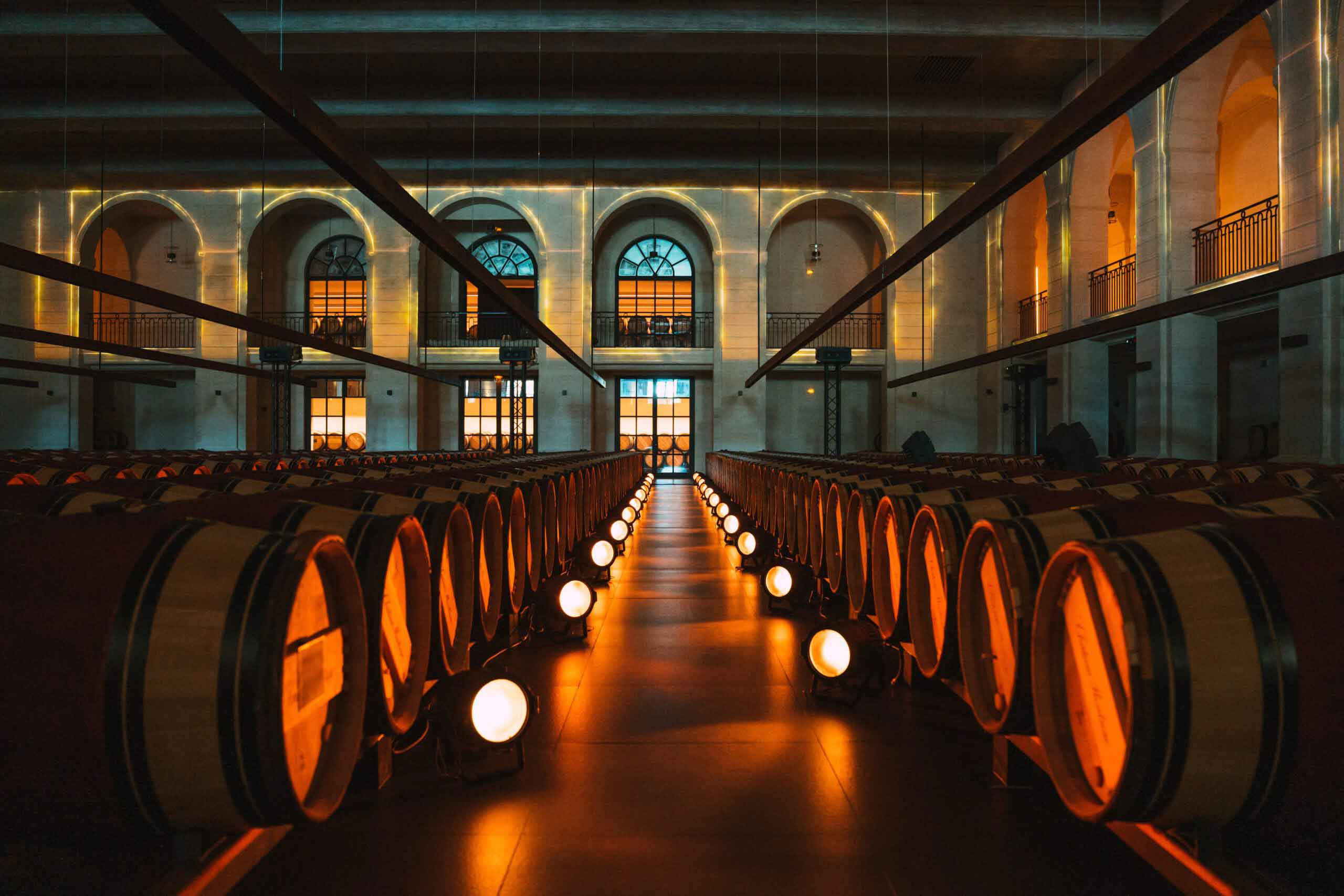
The 2010 Montrose is a serious bottle from one of Saint-Estèphe's most reliable estates — an appellation that sits north of the Médoc's most celebrated communes and produces wines of distinctive iron-fisted character. Montrose at its best is Bordeaux at its most structural: dense, mineral, built for the long haul. The 2010 vintage, widely regarded as one of the finest of the last twenty years, produced a Montrose of exceptional depth. This is a wine for those who understand that patience is not a passive act.
The Rhône Valley runs south from Lyon to Avignon, and the wines it produces across that distance are so varied as to suggest different countries rather than different appellations within the same region. The Northern Rhône — Hermitage, Crozes-Hermitage, Cornas — is Syrah country, producing wines of extraordinary concentration and longevity. The Southern Rhône — Châteauneuf-du-Pape, Gigondas, the ubiquitous Côtes du Rhône — blends Grenache, Syrah, and Mourvèdre in proportions that shift with each producer and each vintage.
What unites them is a directness that distinguishes Rhône reds from their Burgundy and Bordeaux counterparts. These are not wines that ask you to wait for complexity to reveal itself. The power is there immediately — in the colour, the nose, the palate — and the question is not whether you can find it but whether you can find where it leads.
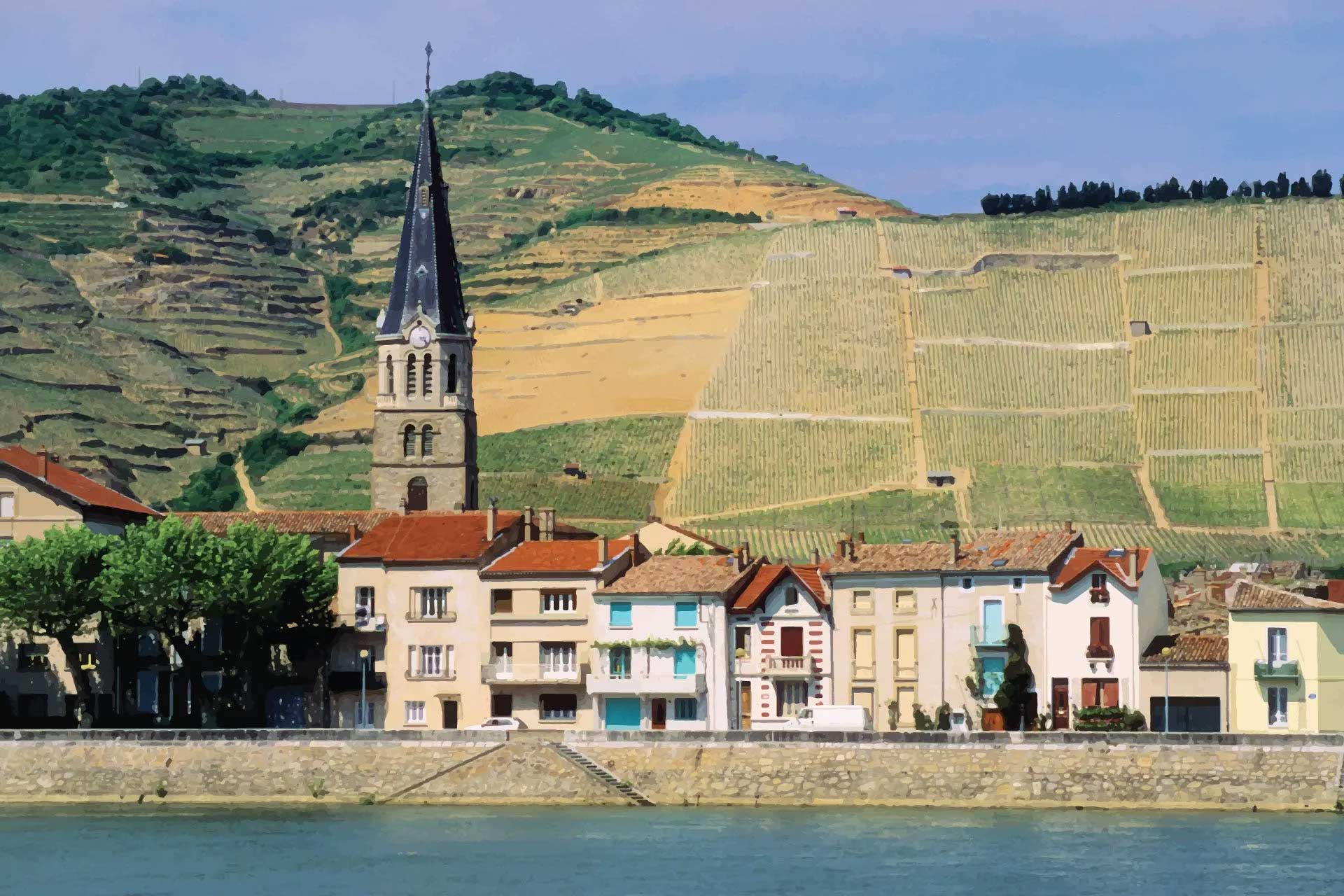
Les Alexandrins' Eridan is a Côtes du Rhône with genuine personality — made by a négociant house with roots in the Northern Rhône and the seriousness of approach that implies. Grenache and Syrah in roughly equal measure, vinified with restraint to preserve freshness over extraction. The result is a wine that drinks easily but is not simple: dark fruit, a note of garrigue, and a structure that holds through a full meal. Outstanding value for what it delivers.
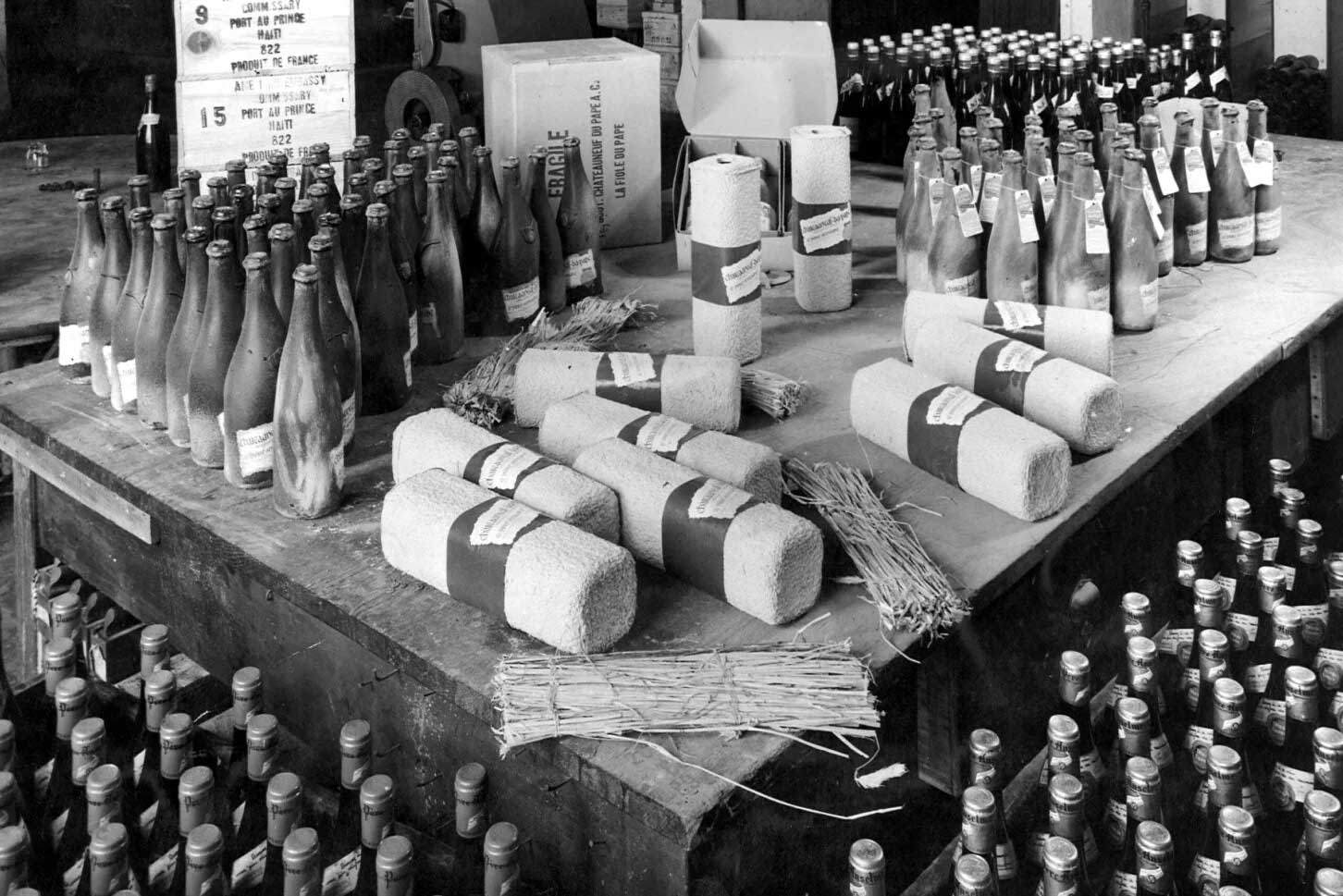
La Fiole is one of those bottles that sits at the intersection of accessibility and reliability — a Côtes du Rhône in the classic Southern style, available widely, consistent across vintages, and honest about what it is. The irregularly shaped bottle is a useful identifier on a shelf, but the wine inside is what earns its place in the conversation: Grenache-forward, warmly spiced, with the kind of easy drinkability that makes it disappear faster than intended. A useful house red for those who eat well.
Two French regions that consistently receive less attention than they deserve, and whose wines offer some of the country's most characterful drinking at prices well below what comparable quality commands elsewhere.
The Loire's red wines — built primarily on Cabernet Franc in Chinon and Saumur-Champigny — are a revelation to drinkers who know the region only for Muscadet or Sancerre. Cabernet Franc in the Loire expresses itself differently from anywhere else: lighter in body than Bordeaux, more aromatic, with a signature greenness that is not a flaw but a characteristic — cool-climate pepper and herbs sitting alongside bright red fruit. The best are wines for the table rather than the cellar, uncomplicated in the best sense.
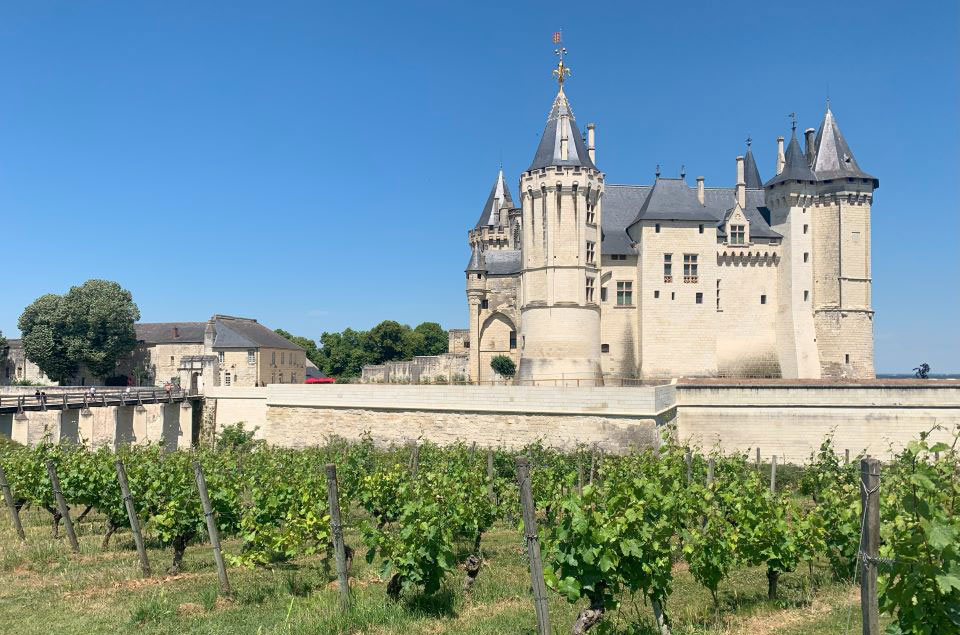
Lacheteau's Saumur-Champigny is the work of one of the Loire's most capable négociant houses, and it shows. The Cabernet Franc here is precise and bright — redcurrant and a faint herbal lift, with enough structure to sit comfortably alongside food without demanding attention for its own sake. This is exactly the kind of wine that disappears over a long lunch, which is both its purpose and its highest compliment.
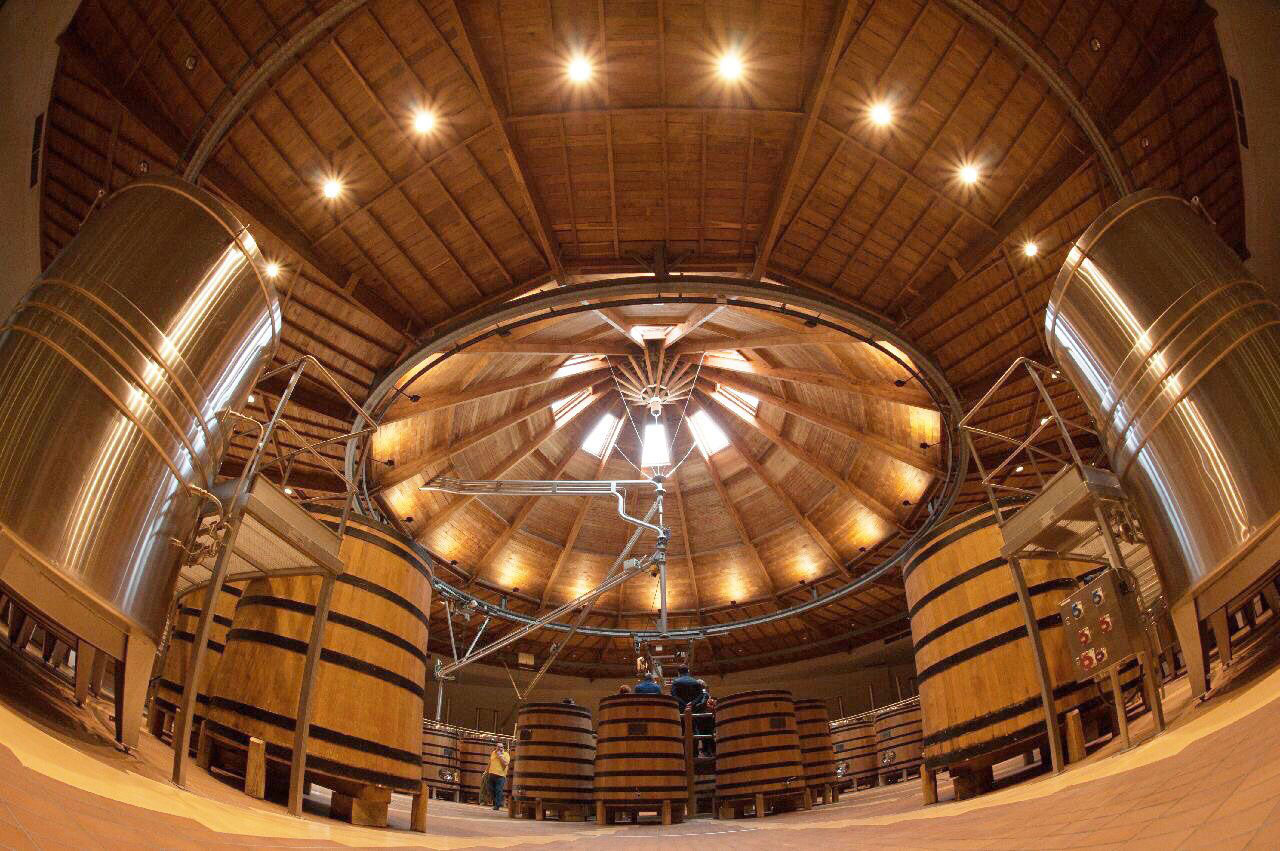
Beaujolais suffers from its own success. Beaujolais Nouveau — the annual release of lightly fermented Gamay that arrives in November to considerable fanfare — has coloured perceptions of a region capable of producing wine of genuine seriousness. Louis Jadot's Fleurie from the Château des Jacques estate is evidence of what Beaujolais becomes when it is taken seriously: Gamay at its most expressive, with the silky texture, floral aromatics, and underlying mineral grip that the region's best cru appellations regularly produce. Light enough to serve slightly chilled; complex enough to reward attention.
France's position in the wine world was never dependent on the argument. The Côte d'Or has been producing serious wine since the medieval monks of Cîteaux began mapping their vineyards with the precision of cartographers — noting which parcels produced the most expressive wine, which soils held the most promise, which aspects caught the afternoon light. That accumulated knowledge did not become obsolete when Chile planted Cabernet Sauvignon or when California discovered that terroir was a concept worth importing. It continued, quietly and without fanfare, in the hands of families who understood that the work of one generation becomes the foundation of the next.
There is a reason that every serious winemaker in the New World has spent time in France. Not because France is the only model, but because it remains the most useful one. The classics do not need defending. They need drinking.