Departments
 Departments
Departments
Departments

New to Slowsip? Create Account
There's a bar I used to go to in Soho that stocked forty-something gins and served every single one of them the same way. Well gin. Supermarket tonic. A wedge of lemon that had been sitting in a tray since lunchtime. Forty gins. One outcome. You could order a bottle worth sixty quid and it would arrive tasting like a gym changing room.
I bring this up because the gin and tonic has a serious image problem, and I want to be precise about where the blame sits. It doesn't sit with gin. Gin is in the middle of a decade-long argument with itself about what it can be, and that argument has produced some of the most interesting bottles on any back bar in the country. The problem is everything that happens after the gin goes into the glass. The ice. The tonic. The garnish. The glass itself. All of it matters. None of it is difficult. And almost no one gets it right.
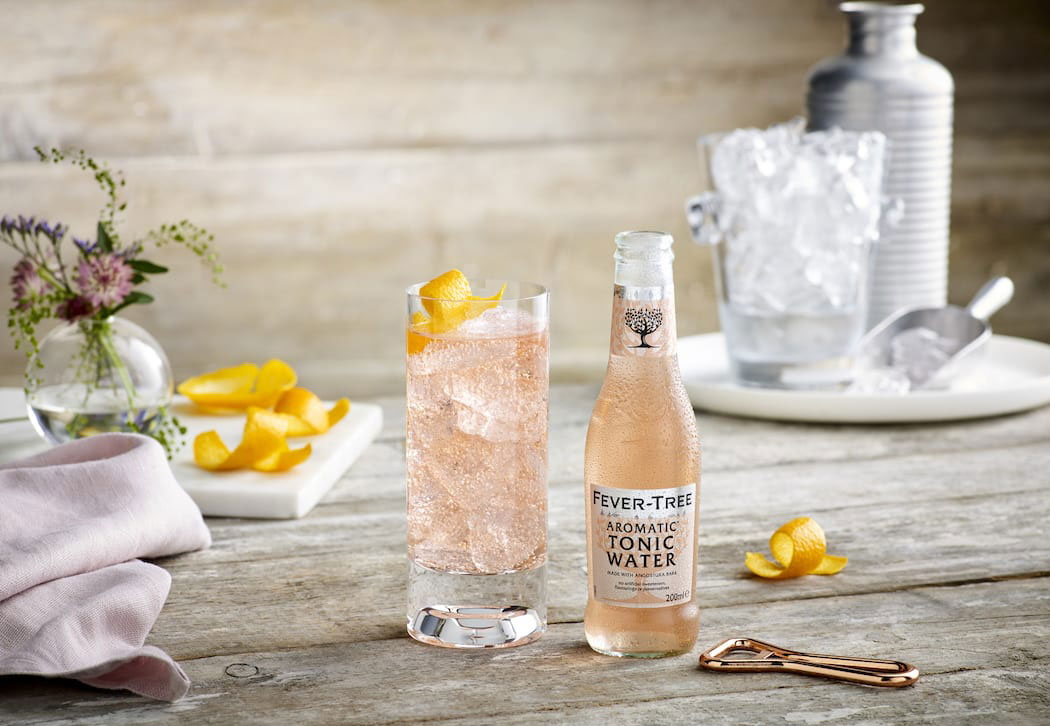
Start with the tonic because it's where most G&Ts fall apart before the gin even gets involved. Standard supermarket tonic — and by extension, the stuff that comes out of a gun at most bars — is sweet, flat, and aggressively carbonated in the wrong way. The quinine bitterness that should balance the botanicals is buried under sugar. The bubbles are large and die quickly. You end up with something that coats the mouth rather than lifts it.
Premium tonic is not a gimmick. Fever-Tree built a business on a simple observation: if three-quarters of your drink is tonic, you should probably care about what's in the tonic. The observation was obvious in retrospect, which is usually how useful observations work. The difference in a glass — with the right gin — is not subtle. It's the difference between a drink that tastes muddled and one that tastes clean.
The specific tonic matters too. Mediterranean tonic works differently to Indian tonic. Light tonic changes the balance again. If a bar is offering you four tonic options, that's a bar paying attention. If they're offering you one, adjust your expectations accordingly.
The lemon wedge is not a universal truth. It is a default. A lazy one.
Different gins ask for different garnishes — and once you understand this, the G&T stops being a formula and starts being a decision. A Mediterranean gin wants something that echoes the coastline it came from.
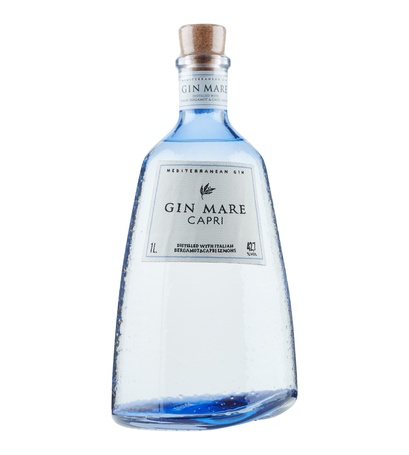
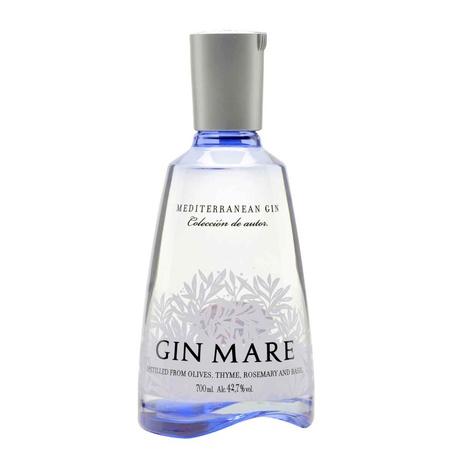
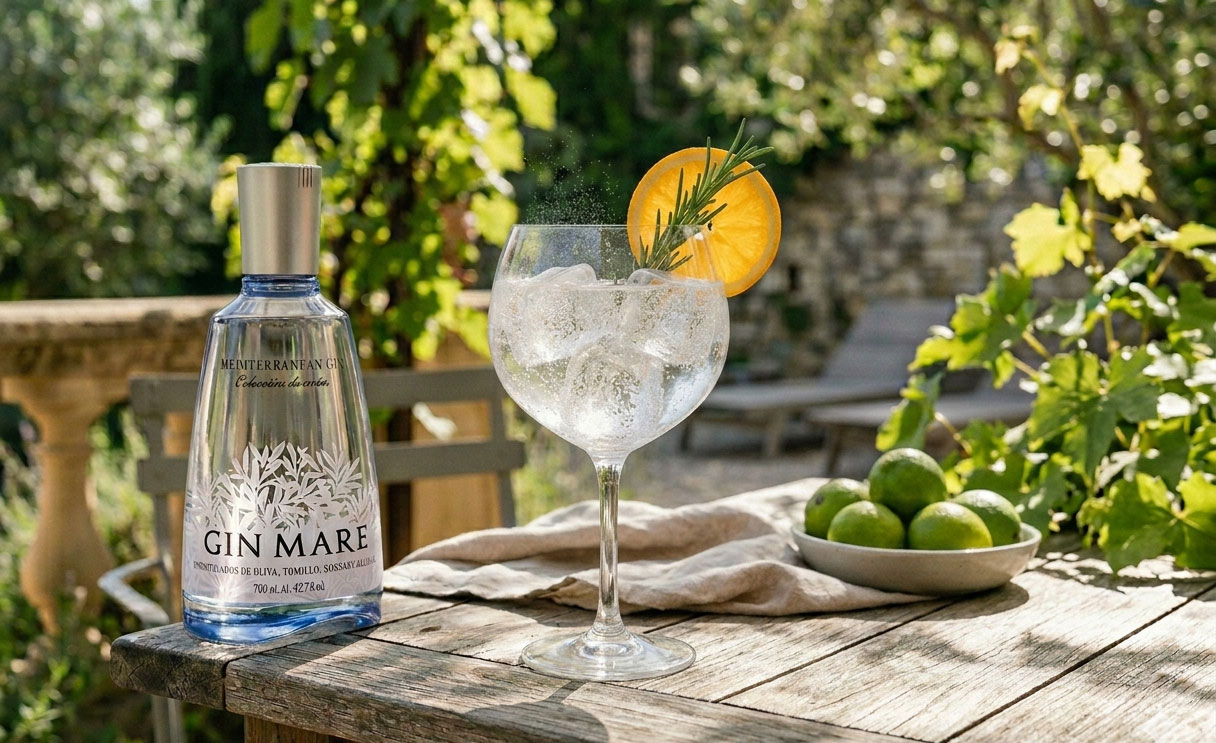
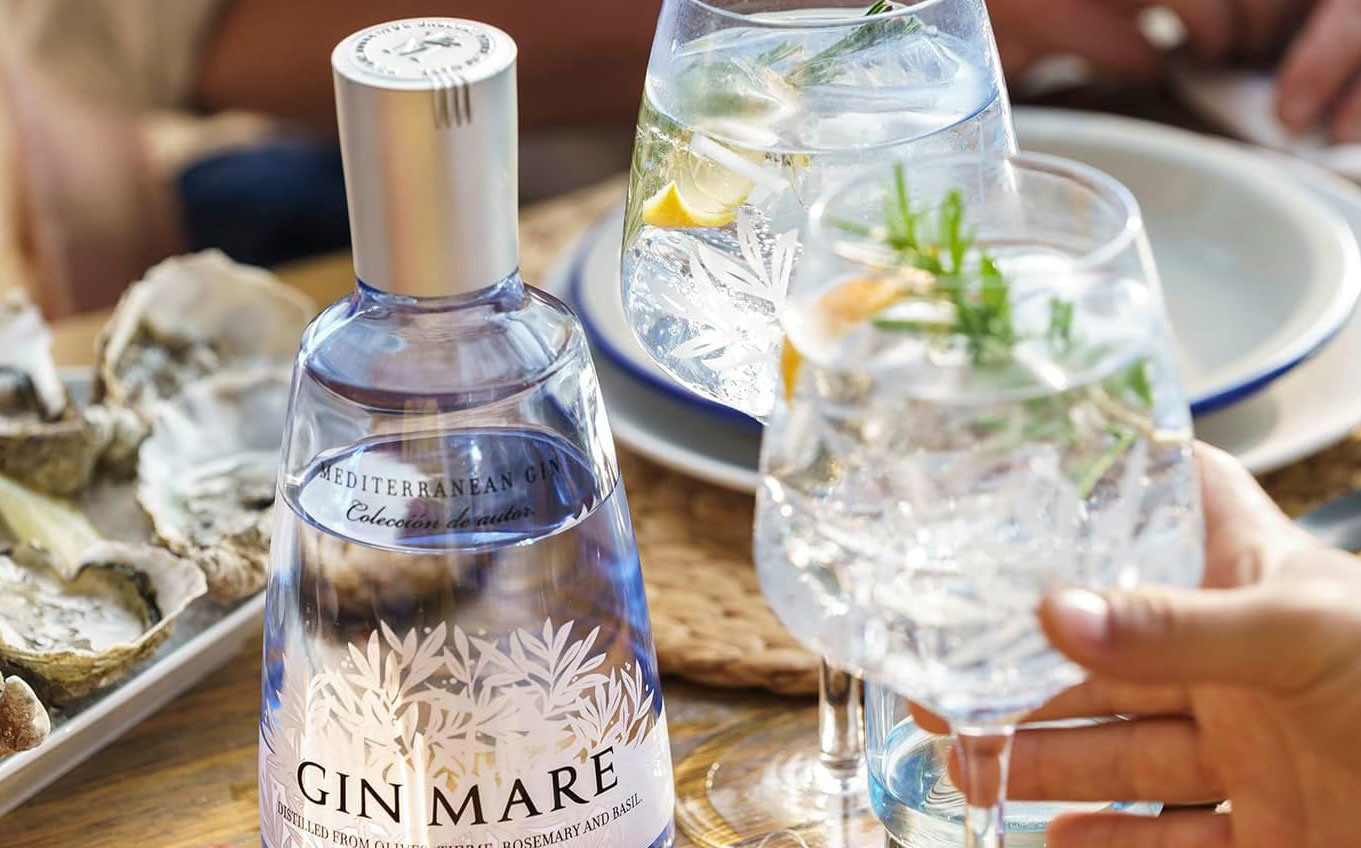
Gin Mare, built around olives, thyme, rosemary, and basil harvested from the Mediterranean basin, doesn't want lemon. It wants a sprig of fresh rosemary and a slice of orange — possibly both. The botanicals in the gin are essentially a garden; the garnish should acknowledge that rather than fight it. Served this way in a wide copa glass over a single large ice block, it is a completely different drink to the lemon-wedge default. Slower, more aromatic, more interesting to sit with.
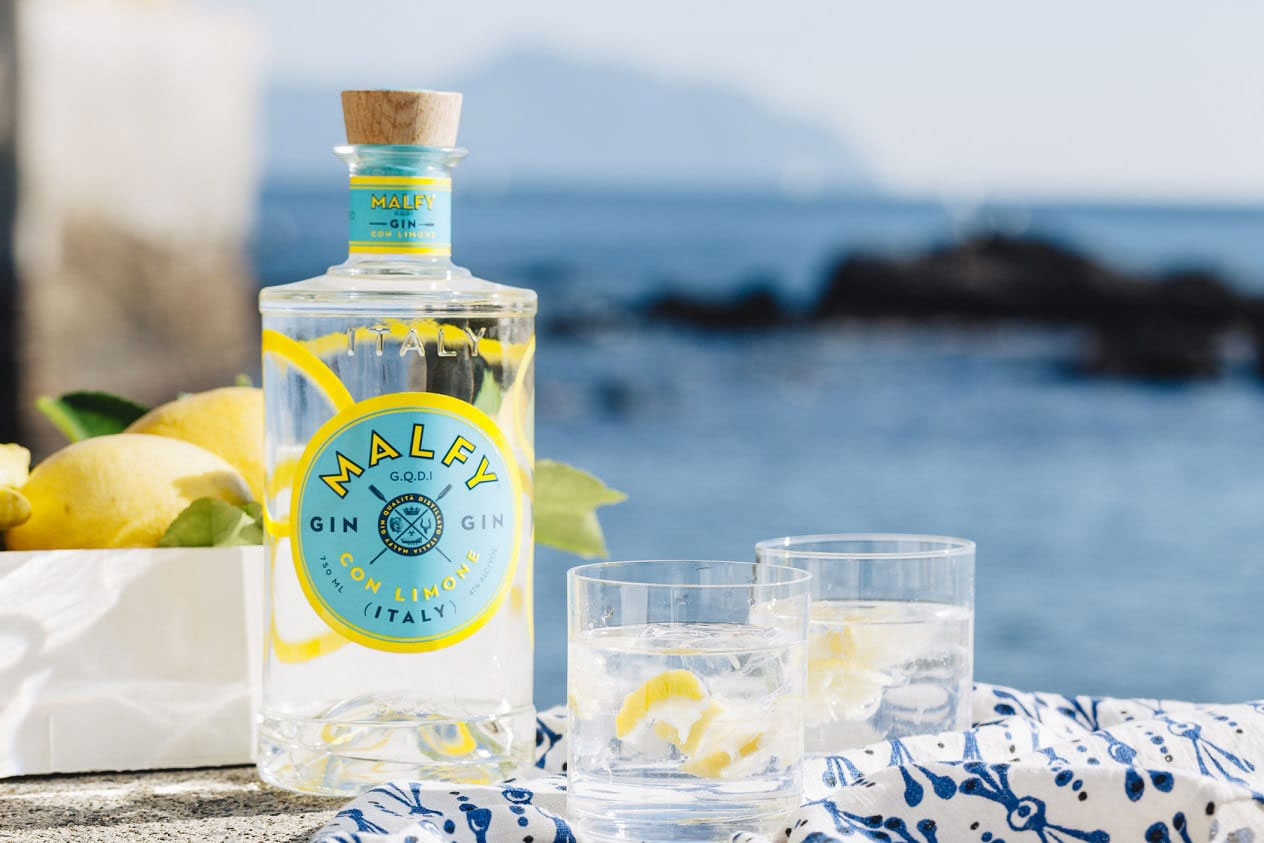
Malfy Con Limone is the exception that proves the garnish rule — here the lemon is the point. The gin is built around Amalfi Coast IGP lemons, and the citrus character is genuine and forward. A thin wheel of lemon on the rim, a high-quality Indian tonic, plenty of ice: that's the serve. Don't overthink it. The gin has already done the work.
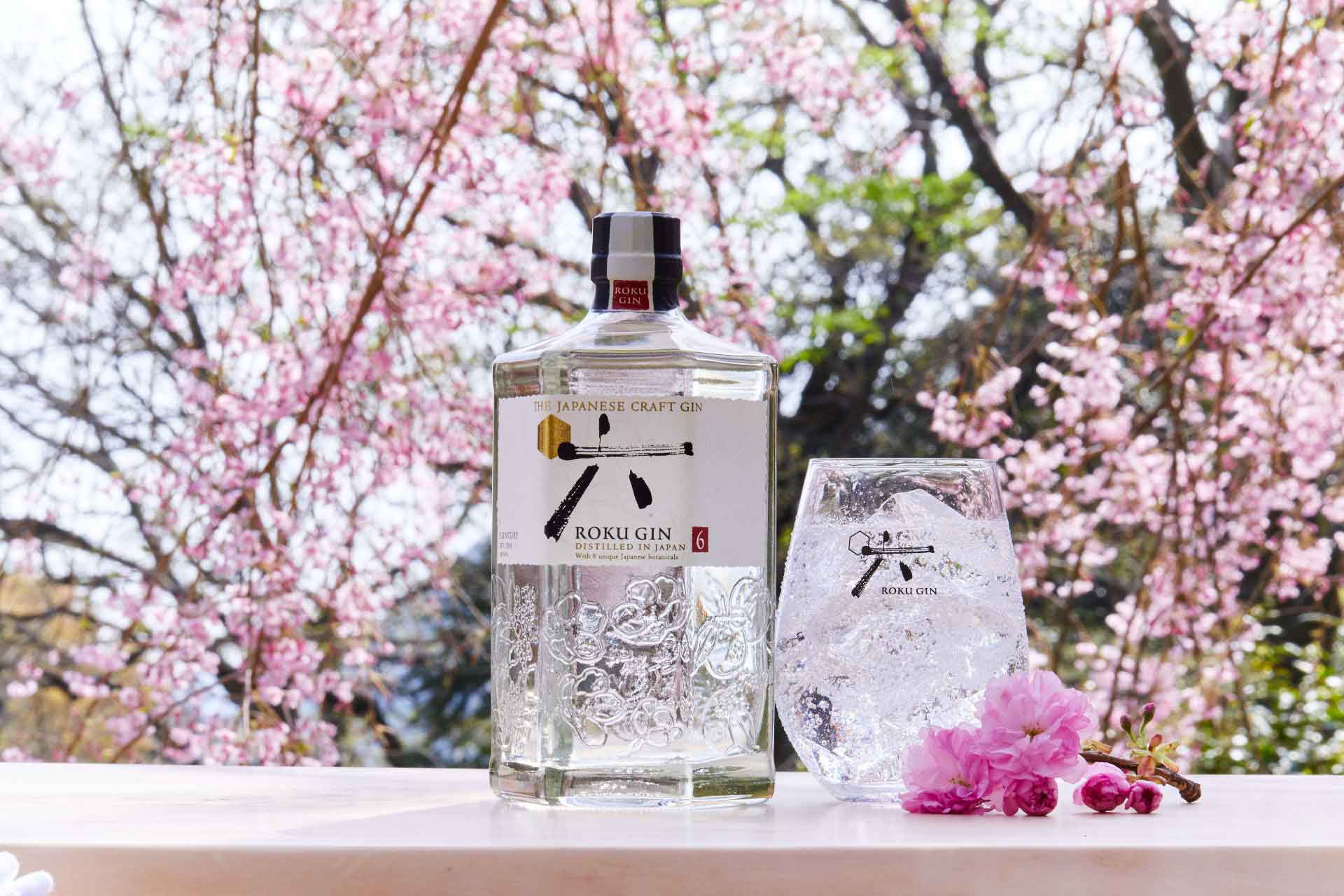
Once the glass, tonic, and garnish are sorted, the gin itself can do what it was made to do.
Roku is a Japanese gin — distilled by Suntory using six traditional Japanese botanicals including sakura flower, yuzu peel, and sencha tea alongside the European classics. It is floral and precise in a way that British gins rarely attempt, and it rewards a lighter touch: a good Mediterranean tonic, a thin slice of grapefruit, a wide glass with room to breathe. The aromatics want to reach you before the drink does.

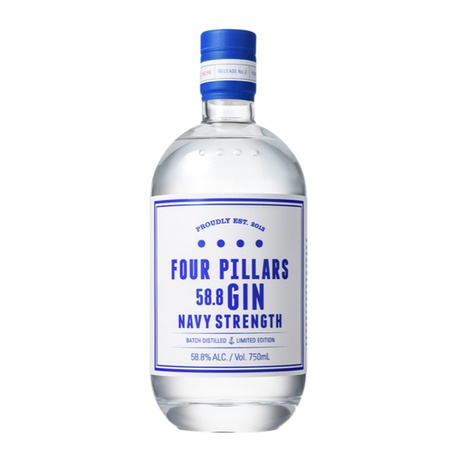
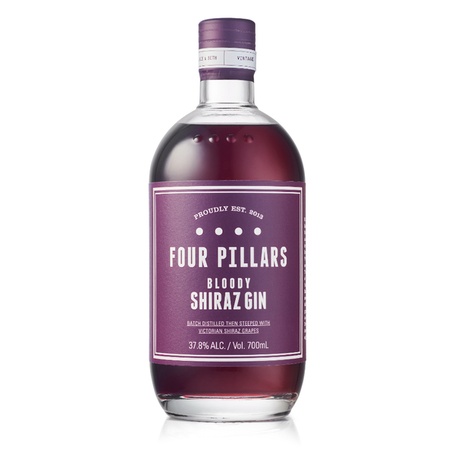
Four Pillars comes from the Yarra Valley in Australia and has built a serious reputation for thinking carefully about both production and botanicals. The Rare Dry — their foundation expression — uses whole fresh oranges in the still alongside more conventional gin botanicals, and the result is a citrus-forward gin with real weight and texture. It holds up well in a G&T, which not every delicate craft gin does when you drown it in tonic. Serve with an orange twist, Mediterranean tonic, lots of ice.
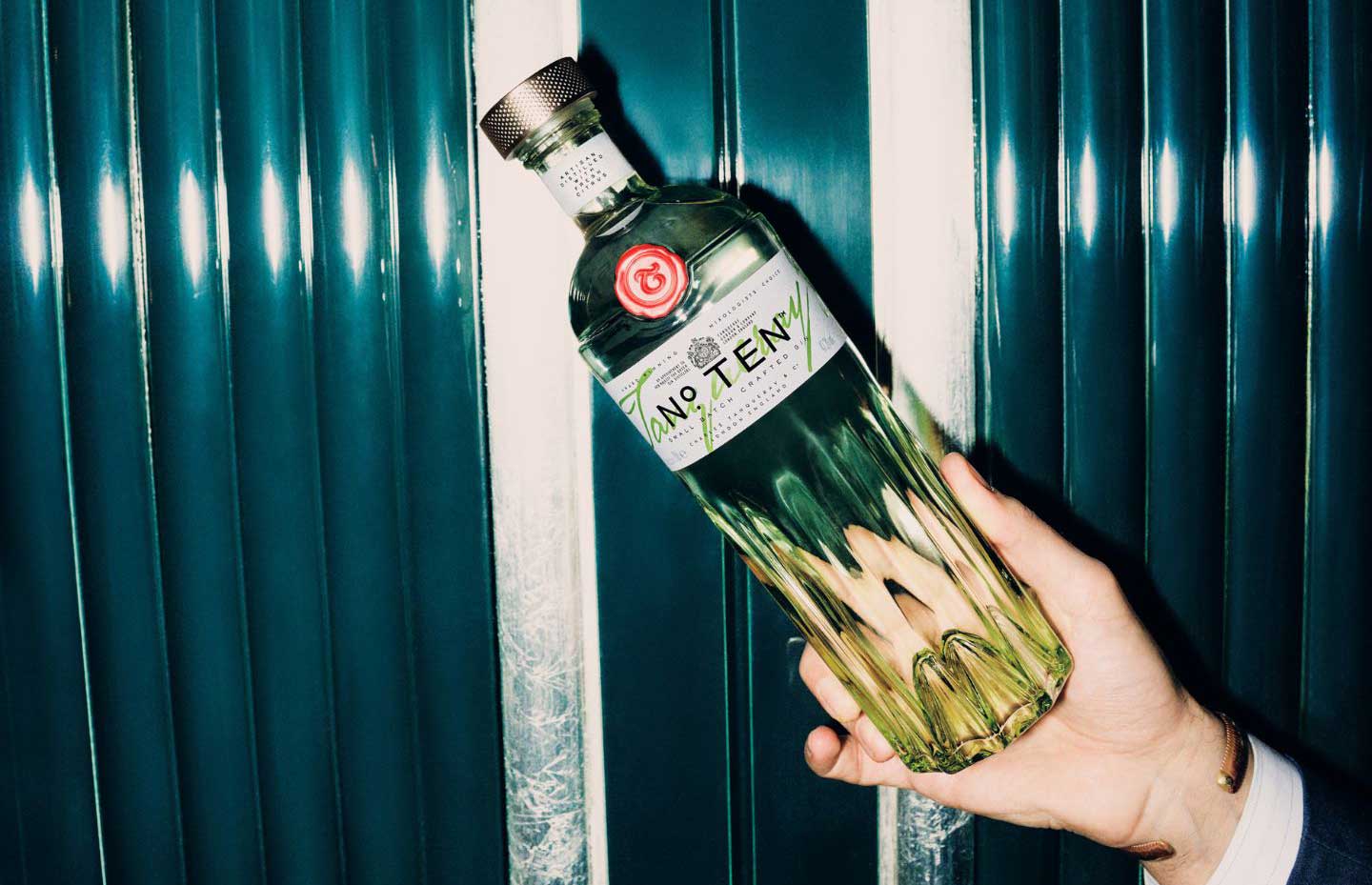
Tanqueray No. Ten is the gin that sits at the intersection of heritage and ambition. Distilled in a tiny still called Tiny Ten at the Cameronbridge distillery, it uses whole fresh citrus fruits — white grapefruit, oranges, limes — alongside the traditional Tanqueray botanicals. The result is a gin that is simultaneously unmistakably Tanqueray and noticeably more complex than the standard expression. It's particularly good in a Martini, but in a G&T with fresh grapefruit and a high-quality tonic, it justifies every penny of the premium.
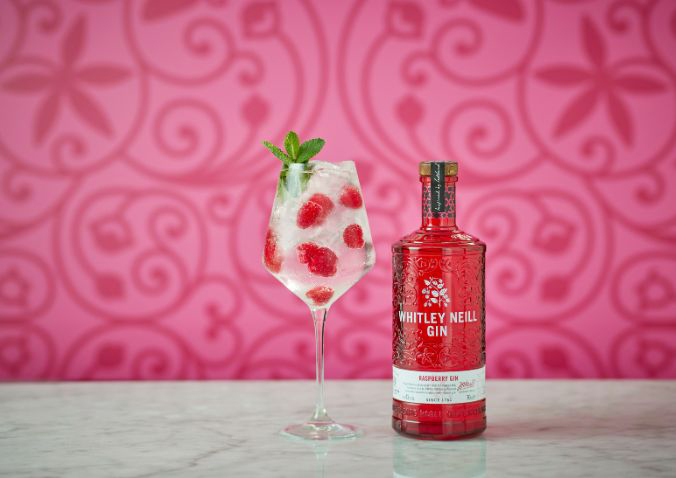
I'm going to make a case for Whitley Neill's Raspberry here, which will irritate exactly the people who need to hear it. Single-botanical fruit gins get written off by enthusiasts as soft-drink territory. Whitley Neill's raspberry expression is made properly — real Macedonian raspberries, not flavouring — and it makes a G&T that is genuinely refreshing on a warm afternoon without tasting artificial or thin. Serve it over crushed ice with Mediterranean tonic and a few fresh raspberries if you have them. It's not a complicated drink. It doesn't need to be.
The gin and tonic is the most forgiving drink in the world when it's made well, and one of the most depressing when it isn't. The bar is low in both directions. What it needs from you is approximately thirty seconds of attention — the right glass, the right tonic, a garnish that makes sense — and then it mostly looks after itself. The gin industry has spent fifteen years making this easier. The least you can do is meet it halfway.