Departments
 Departments
Departments
Departments

New to Slowsip? Create Account
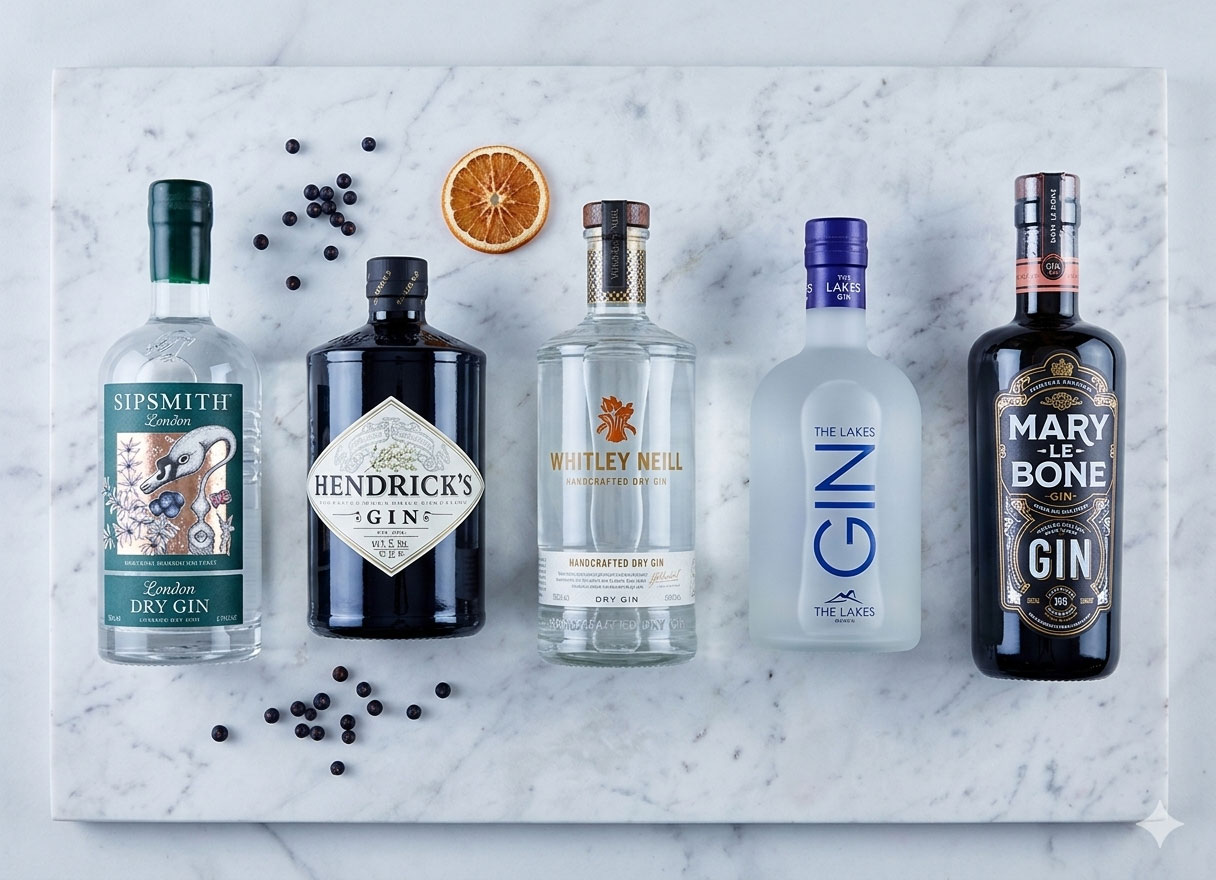
The British gin revival is old news now, which is perhaps the most telling thing about it. A category that was effectively moribund in the late twentieth century — reduced to supermarket own-label bottles and the occasional dusty bottle of Gordon's — has spent the last fifteen years producing some of the most considered, characterful spirits on the market. What began as a handful of small urban distilleries in the early 2000s has grown into something harder to summarise: a genuine movement with its own geography, philosophy, and arguments about what gin ought to be.
The arguments matter. Gin has always been a category built on a single botanical requirement — juniper — and very little else by way of legal constraint. That freedom is precisely what made it so fertile, and so contested. When distillers began experimenting seriously with unusual botanicals, regional ingredients, and non-traditional production methods, they weren't just making new products. They were asking a question the industry had stopped thinking about: what should gin actually taste like?
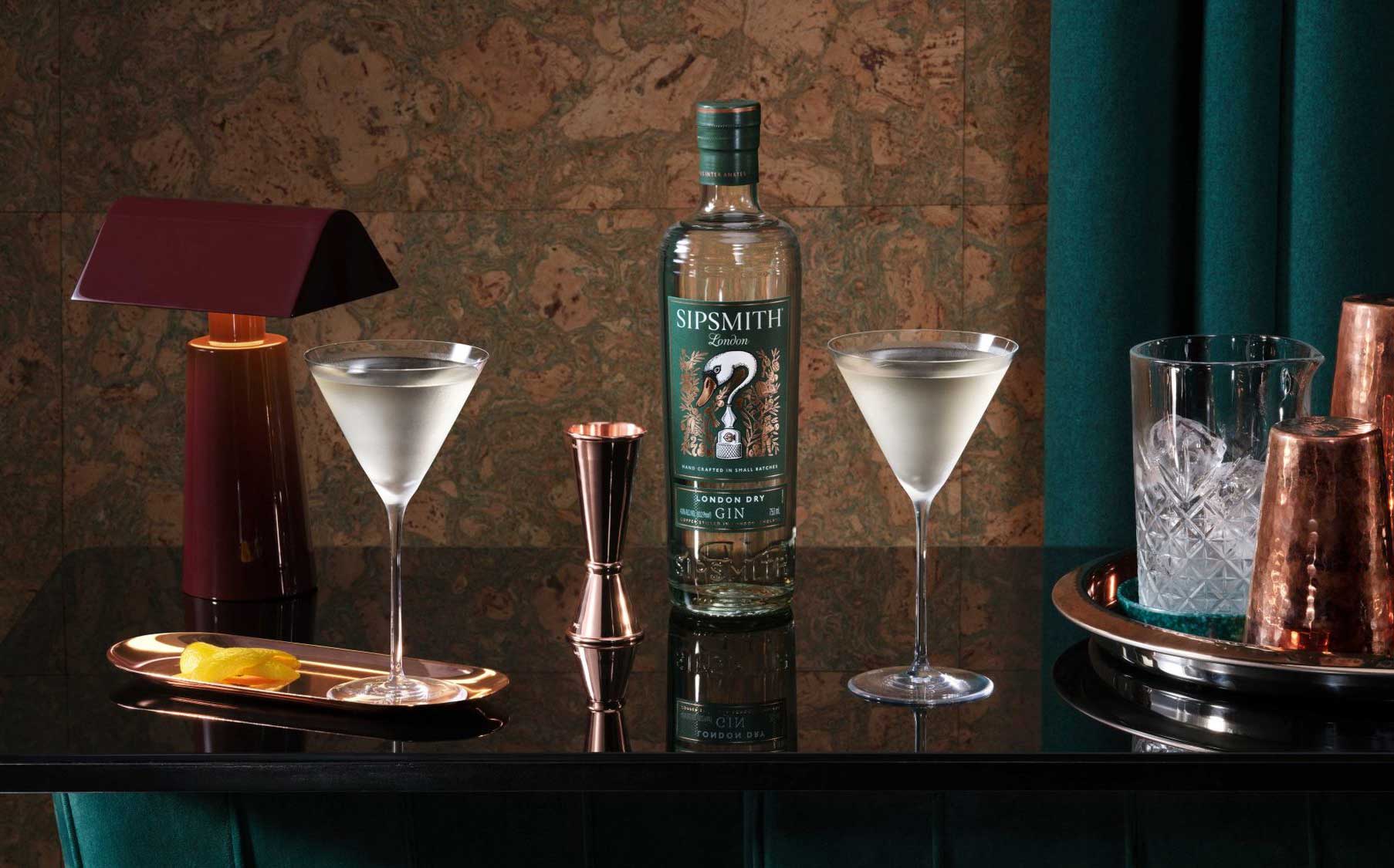
London Dry is not a geographical designation. It can be made anywhere in the world. What it requires is that all botanicals be added during distillation — nothing added afterwards except water — and that the result taste predominantly of juniper. It is, in practice, a quality promise as much as a category description, and for much of the twentieth century it was the only serious conversation happening in British gin.
Sipsmith, established in Hammersmith in 2009, was one of the first new London gin distilleries in nearly two centuries. Their London Dry is the archetype: juniper-forward, precise, built for a Martini or a classic gin and tonic. But even here, in the most traditional expression of the category, there is something thoughtful going on. The copper pot still — Prudence, as she's named — is small enough to allow the distillers genuine control over every batch, and that control shows in the glass. This is not a gin that coasts on heritage; it earns its reputation every run.
Once the revival gathered momentum, the botanicals conversation opened up rapidly. Distillers who had grown up in regions with their own distinct landscapes began asking why gin should taste the same everywhere. If a Scotch whisky speaks of the place it came from, why shouldn't gin? The answer, it turned out, was that it could — it just needed someone willing to make that argument with a still.
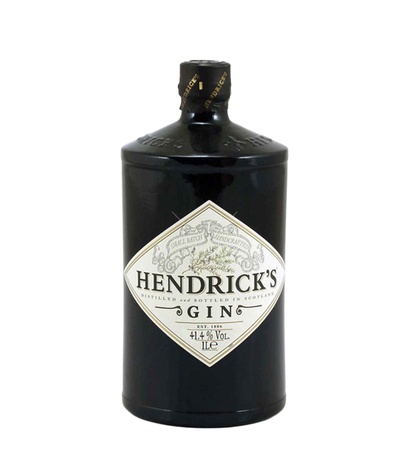
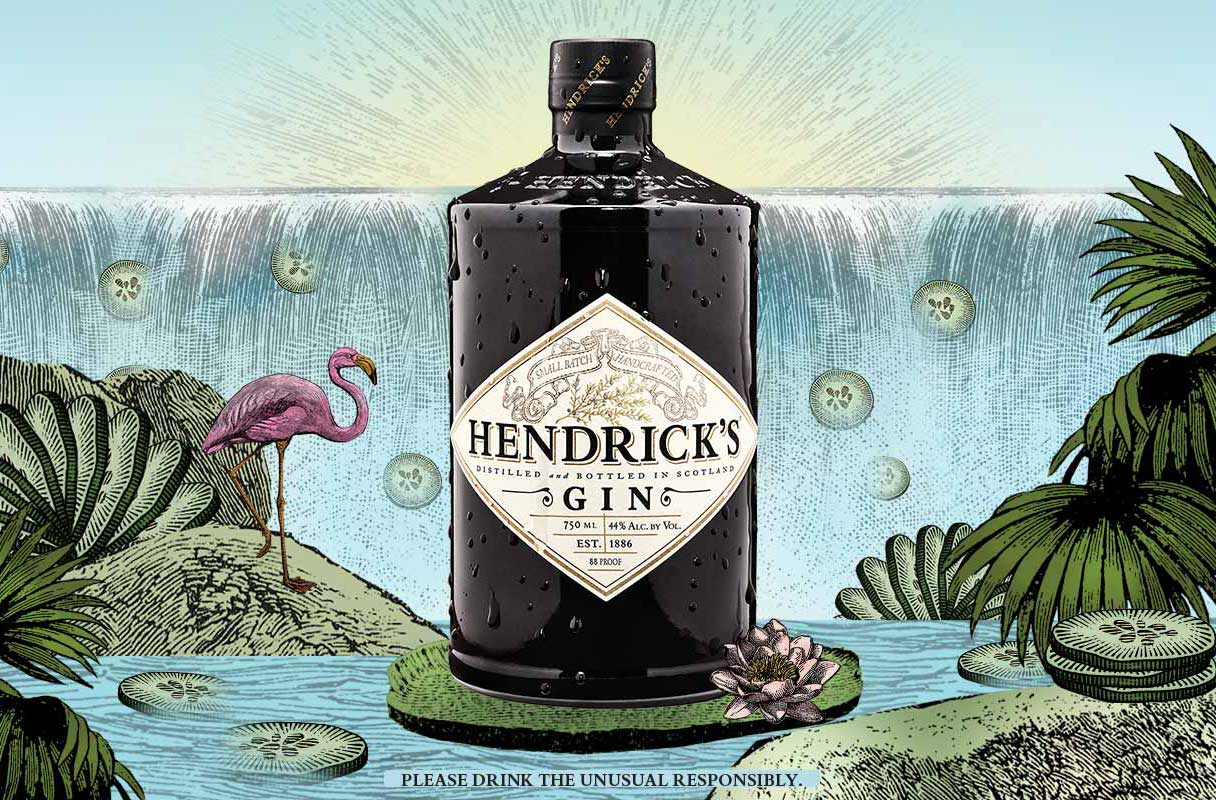
Hendrick's arrived in 1999, well before the category had a name for what it was doing, and spent years being quietly iconoclastic. The cucumber and rose petal infusion — added after distillation, which technically puts it outside London Dry — was a provocation dressed as a garnish suggestion. It divided the purists and charmed everyone else. Two decades on, it remains the most commercially successful argument for thinking differently about what gin can include.
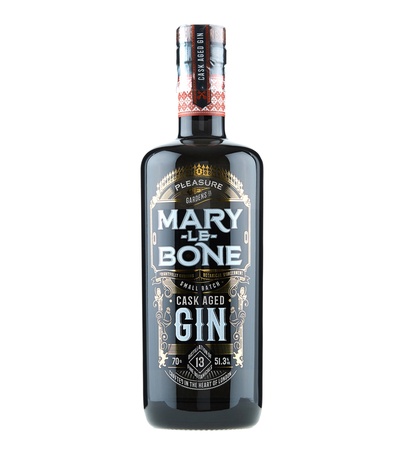
Marylebone's eponymous distillery takes a different approach to the botanicals question, grounding their gin in the neighbourhood's own history as a spa town. Chamomile and sweet cicely sit alongside the expected juniper and coriander, giving the spirit a particular softness — floral and rounded in a way that suits both long drinks and sipping neat with a large cube of ice. It is a gin that knows exactly what it is, and is comfortable with that.
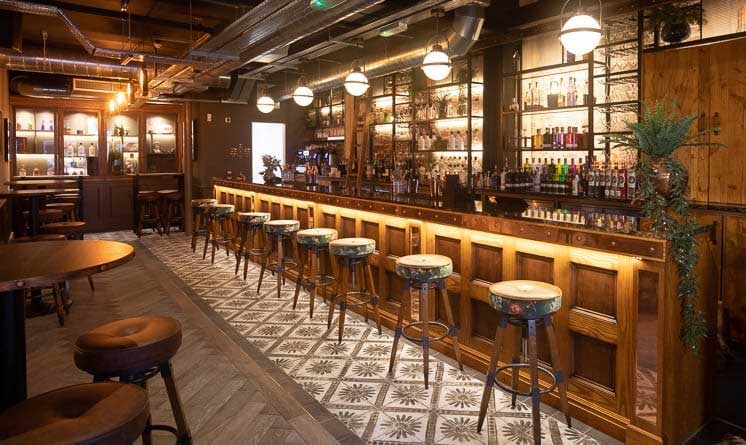
For a long time, the British gin story was a London story. The distilleries that defined the revival — Sipsmith, Sacred, Jensen's — were concentrated in the capital, and the capital's enthusiasm for the category made the geography feel inevitable. But the last decade has seen a significant shift northward, as distillers in Lancashire, Cumbria, and the Lake District began producing gins that reflect a very different set of landscapes and priorities.
Liverpool Gin is one of the more precise expressions of regional character in the category. The distillery, founded in 2013, works with botanicals that include hints of Sicilian lemon and Egyptian chamomile alongside the juniper base — but what distinguishes it is less the ingredients than the balance. This is a gin built for drinking, not for concept. Smooth, clean, with a citrus brightness that holds up well through the heat of a long summer afternoon.
The Lakes Distillery occupies a converted Victorian model farm on the edge of Bassenthwaite Lake, which tells you something about its approach. Their gin is made with local juniper foraged from the fells and water drawn from the lake itself — not as a marketing story, but as a genuine attempt to put Cumbria in the bottle. The result is aromatic and softly herbal, with a quality that reflects both the landscape it comes from and the seriousness of the distillers who make it.
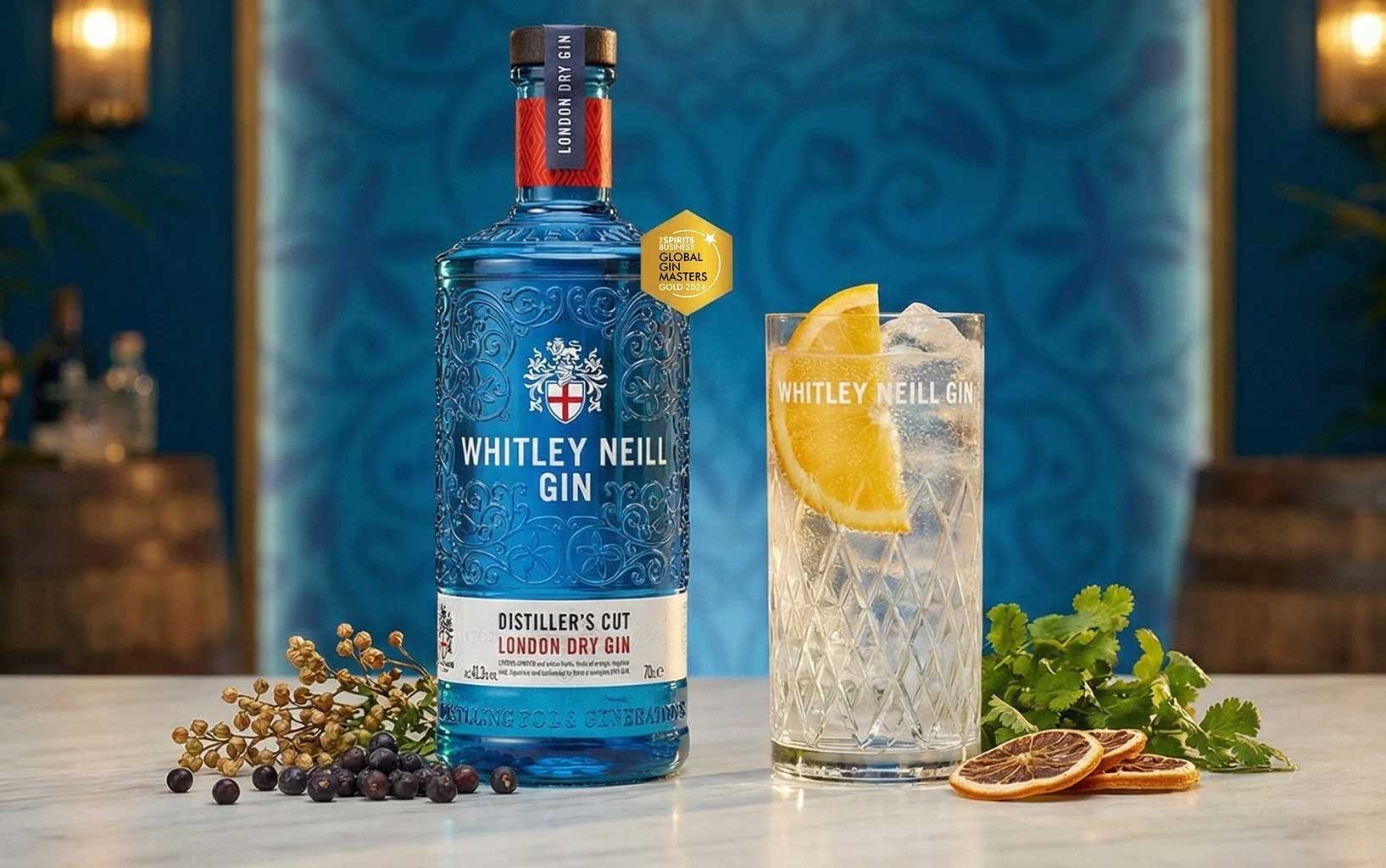
No brand has done more to bring flavoured and single-botanical gins into the mainstream conversation without cheapening them than Whitley Neill. Founded by Johnny Neill — a descendant of Thomas Greenall, who established one of England's oldest gin dynasties — the brand launched in 2005 with a range built around African botanicals, and has since expanded into an extensive portfolio of single-botanical expressions that manage to be both widely available and genuinely interesting.
The Handcrafted Dry is the foundation: a traditional London Dry structure with Cape gooseberry and baobab fruit from West Africa, giving the spirit a bright tropical edge that sits cleanly beneath the juniper. It is not a challenging gin, but it is an honest one — and in a category that has produced its share of novelty for novelty's sake, honesty is worth noting.
The Blood Orange expression is perhaps the most telling thing in the Whitley Neill range. Single-botanical gins — particularly the fruit-led ones — attract a certain amount of snobbery from enthusiasts, most of it unearned. This is a well-made gin. The blood orange character is genuine, derived from whole Sicilian fruits rather than flavourings, and the juniper base is intact. Served over ice with a quality tonic, it does exactly what it promises with a degree of craft that the price point doesn't demand but delivers anyway.
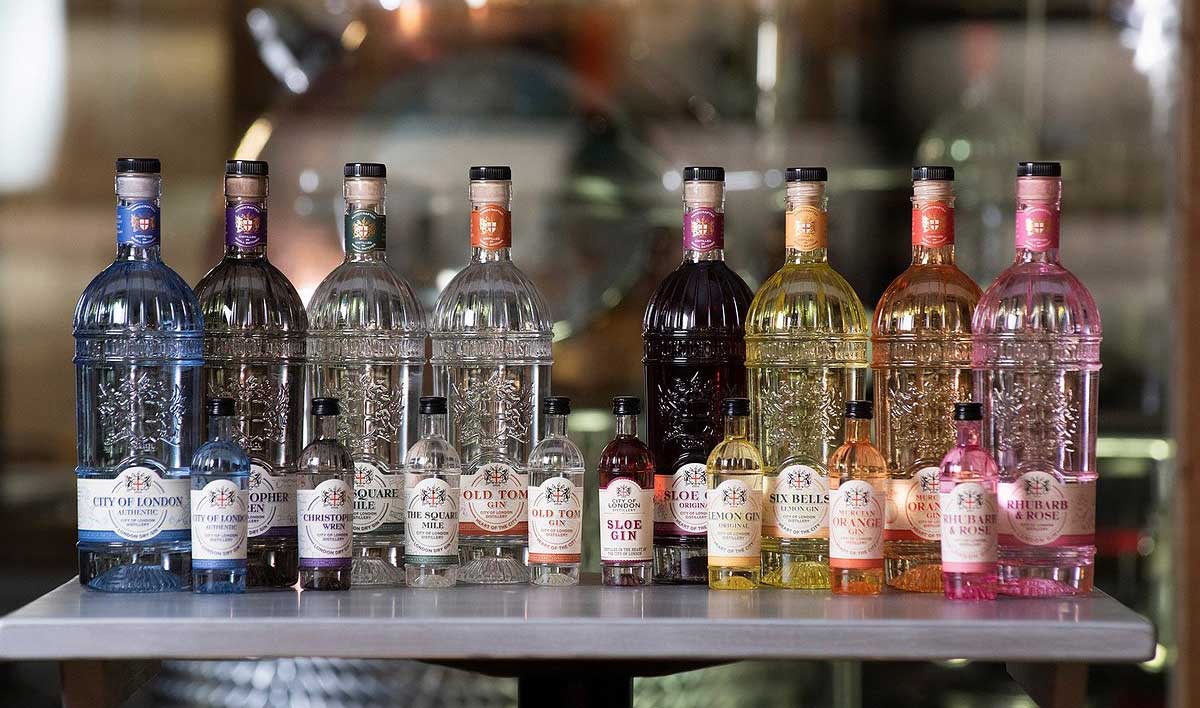
The City of London Distillery, established in 2012 in a Bride Lane basement that has housed a distillery in some form since the seventeenth century, represents a particular strand of the revival: the archaeological one. The team here are as interested in gin's history as its future — researching historical recipes, reviving forgotten botanicals, and producing expressions that ask what the category looked like before it became industrial. Their Signature Gin is the most direct expression of that interest: built on a traditional recipe with notes of aromatic angelica and balanced citrus, it reads simultaneously like something new and something retrieved.
The British gin revival has lasted long enough now to have produced its own orthodoxies — the things that the serious producers do, and the things they don't. They tend not to use artificial flavourings. They tend to be transparent about their botanicals and production methods. They tend to think carefully about the relationship between their gin and the landscape or city it comes from. None of this was inevitable. It happened because a generation of distillers decided that the category was worth taking seriously, and then went about proving it. The glasses are more interesting for it. So are the conversations around them.