Departments
 Departments
Departments
Departments

New to Slowsip? Create Account
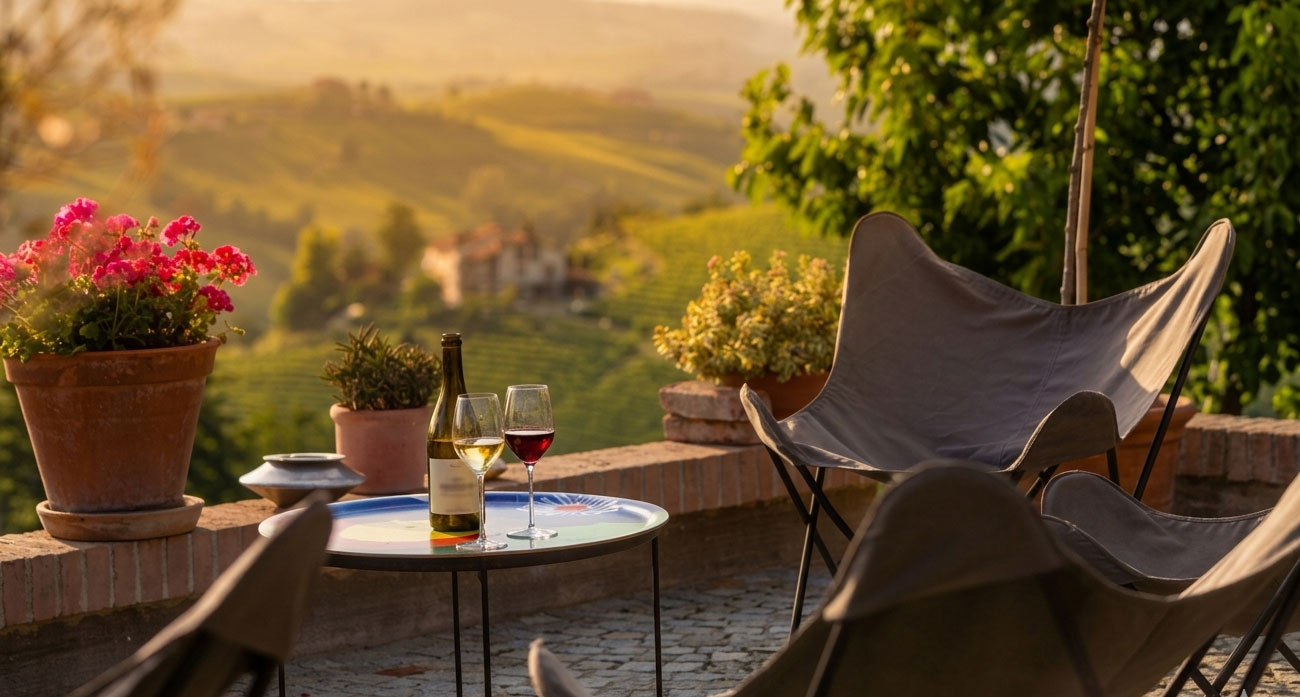
I was at a wine bar in Hackney when someone placed a glass of something orange and slightly fizzy in front of me without asking. It was cloudy. It smelled of cider vinegar and apricot. The person who had ordered it — a perfectly reasonable person who works in publishing and owns several linen shirts — looked at me with the expression of someone sharing a confidence.
"It's natural," he said.
I drank it. It was fine. Not transcendent. Not revelatory. Fine. The kind of fine you'd describe politely to the person who poured it and then not seek out again.
That experience, repeated in various forms across various bars in various cities over the last several years, is roughly how I've come to think about the natural wine conversation. Which is: genuinely interesting in places, frequently overstated, occasionally insufferable, and worth having — if you can get past the people having it.
First, a clarification, because the term gets used loosely enough to cover almost anything. Natural wine has no legal definition. In practice it refers to wines made with minimal intervention — organic or biodynamic farming, native yeasts rather than commercial ones, little or no added sulphites, no fining or filtration. The result is wine that is, in theory, more expressive of the place and the vintage than something produced to a consistent commercial specification.
In theory. The problem is that minimal intervention, applied without sufficient skill or care, produces wine that is flawed rather than characterful. Volatile acidity — the vinegary quality — is a common consequence of insufficient sulphur. Cloudiness from lack of filtration can indicate active fermentation in the bottle or simply suspended particles, and the two taste very different. The honest truth is that natural wine, at its worst, is bad wine that has found a philosophical framework to excuse itself.
At its best, it is something else entirely.
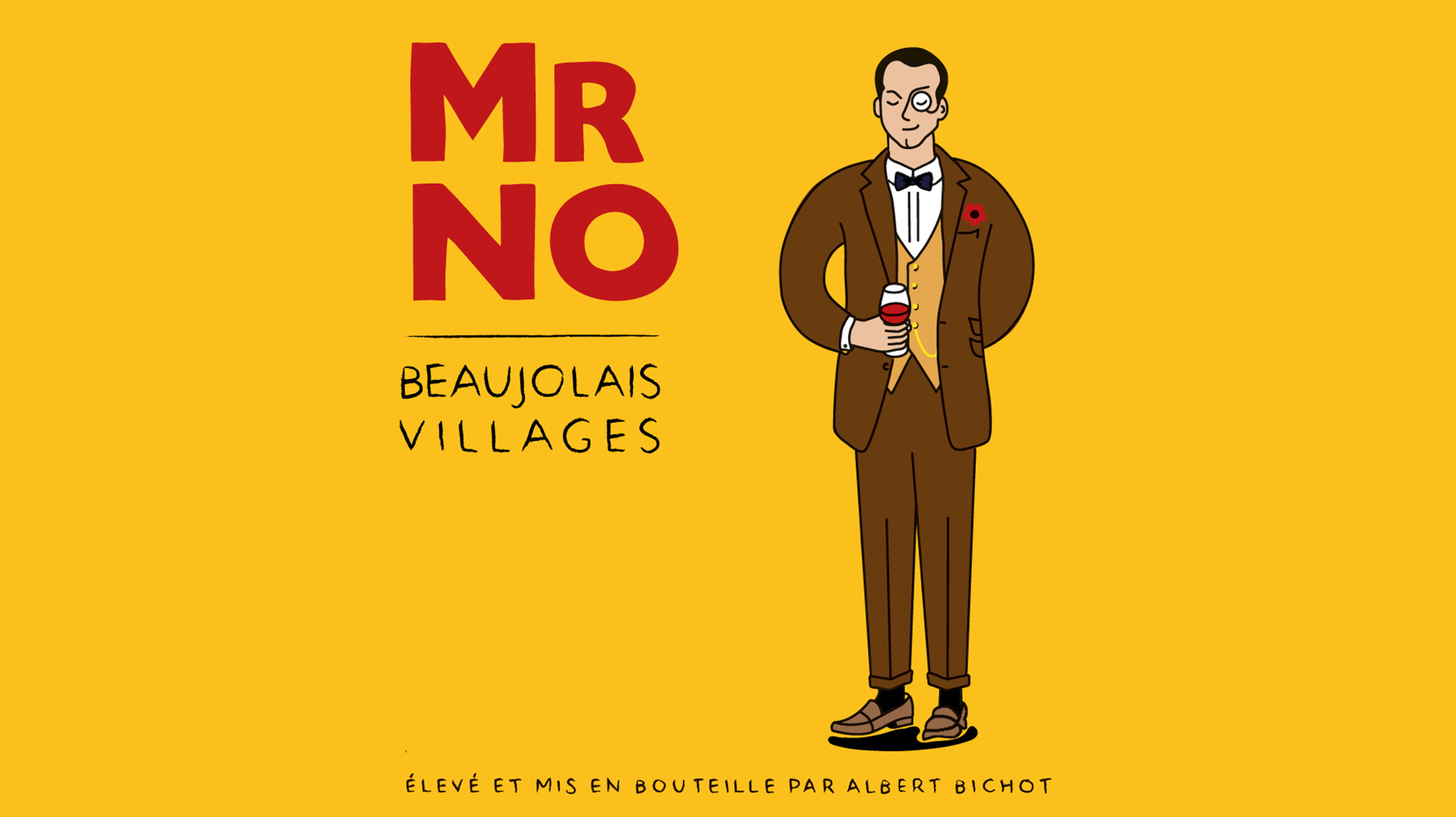
Albert Bichot's no-sulphite Beaujolais Villages is one of the more useful entry points into the natural wine conversation precisely because it comes from a producer with serious conventional credentials. Bichot is one of Burgundy's most respected négociant houses. They are not making this wine because it's fashionable. The Gamay here is fresh and direct — bright red fruit, no heaviness, a slight grip that comes from the grape rather than the oak. The absence of sulphites makes it a wine that wants to be drunk young and quickly. Open it on a Tuesday. It suits that.
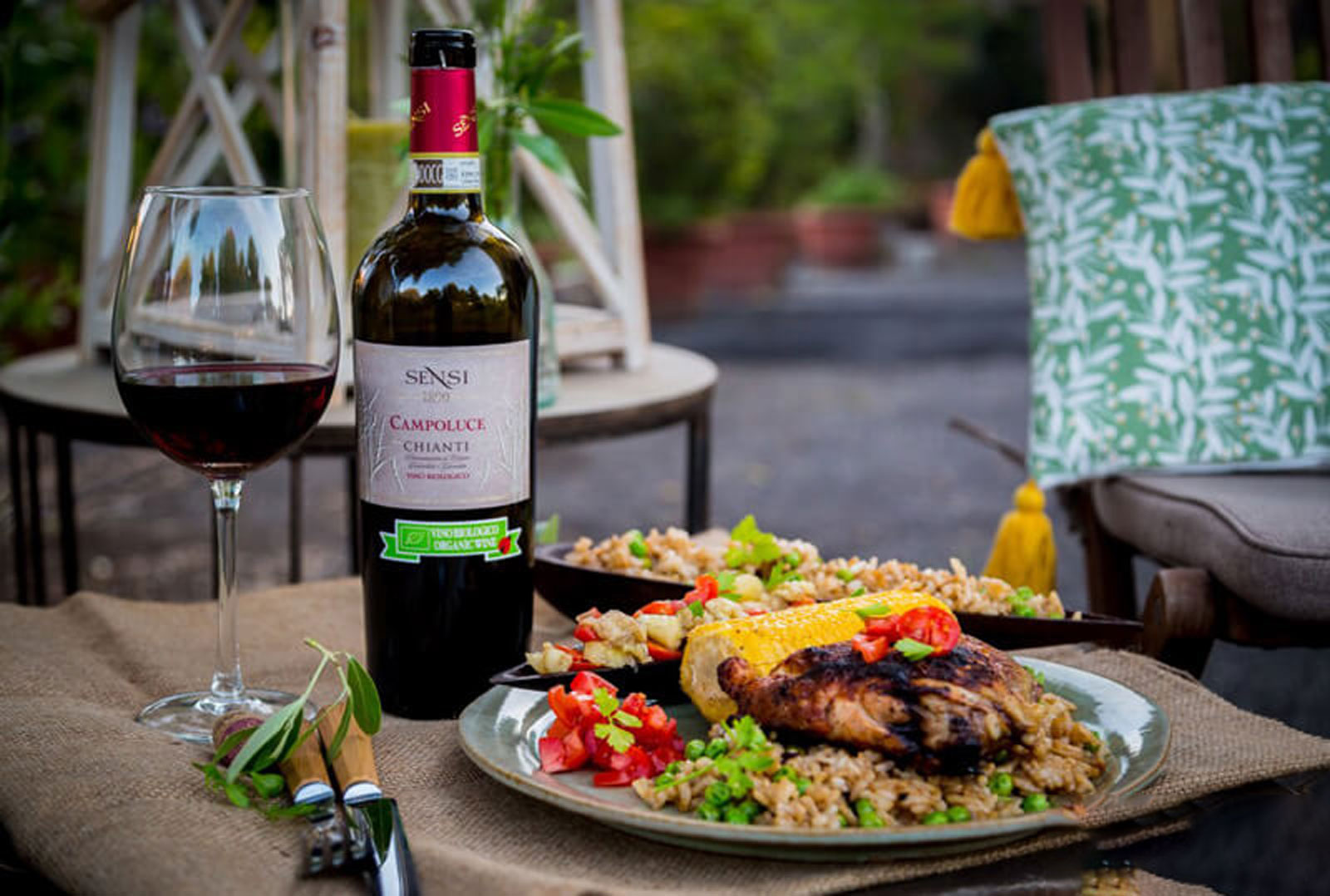
The Sensi Campoluce is a Chianti made under organic certification — which places it in the broader natural wine conversation without committing fully to the no-intervention philosophy. Sangiovese in the Chianti Classico style: cherry fruit, a pleasingly dry finish, some of the characteristic earthiness that makes Italian red wine such good food company. It's a useful corrective to the idea that natural wine has to be difficult or unusual. This is a thoroughly accessible bottle that happens to be farmed without chemicals. That should be unremarkable. In 2026, it still isn't.
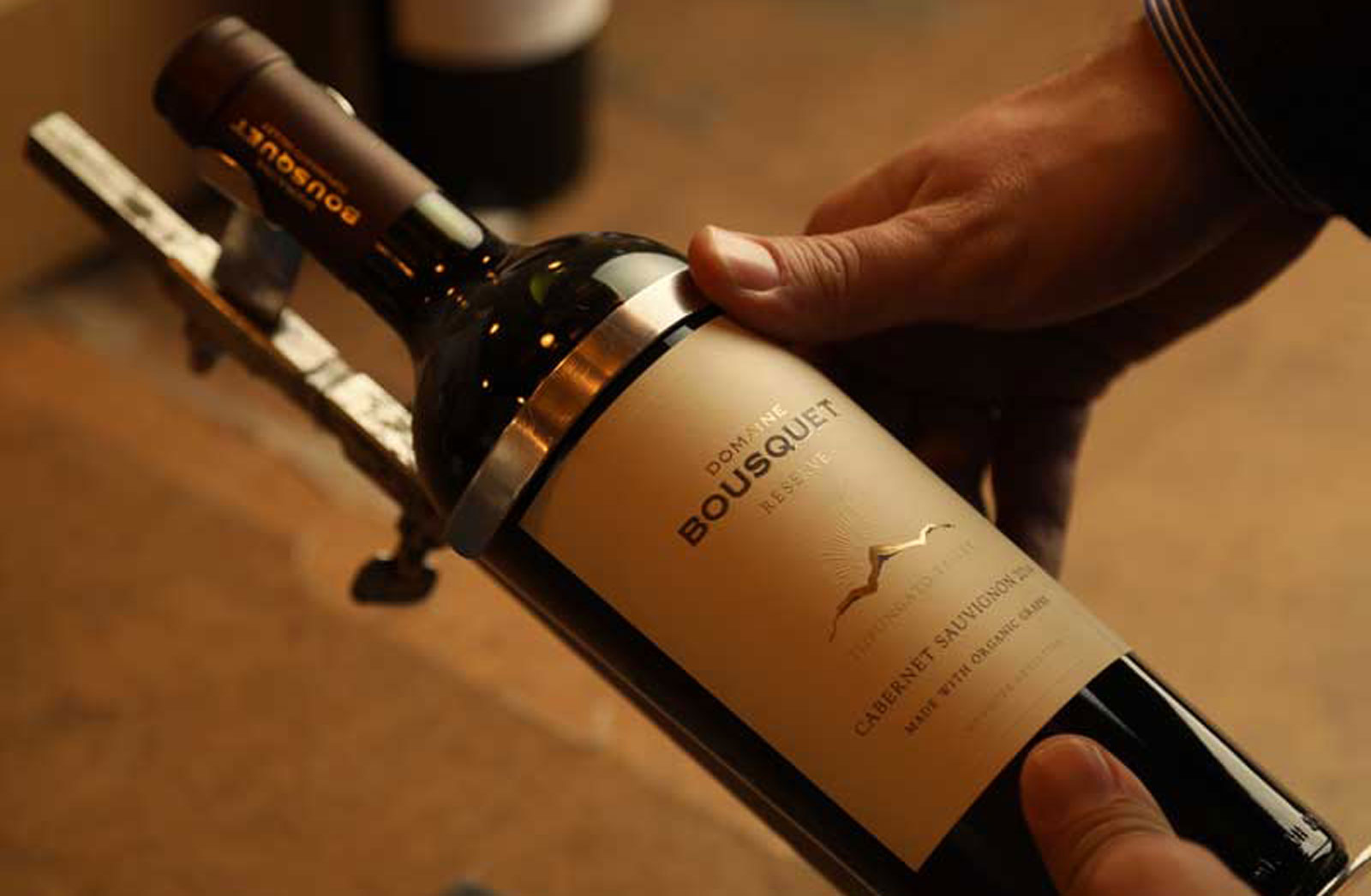
Technically from Argentina rather than France or Italy, but worth including because it makes the category argument clearly. Domaine Bousquet farms biodynamically in the Uco Valley at high altitude, and their Cabernet Sauvignon is the kind of wine that makes the organic certification feel incidental rather than central. This is a well-made, properly structured red that happens to be grown without synthetic intervention. The blackcurrant fruit is genuine, the tannins are present but not aggressive, and the finish is clean. It doesn't need the organic label to justify itself, which is exactly how it should be.
Here is the uncomfortable version of the natural wine argument: a lot of people who drink natural wine are not primarily responding to what's in the glass. They are responding to what the glass represents. A rejection of industrial agriculture. A preference for small producers over corporations. A certain kind of cultural identity that is, if we're being precise, mostly available to people with enough disposable income to pay a premium for the philosophy as well as the wine.
None of which is wrong, exactly. Industrial agriculture is worth rejecting. Small producers deserve support. But wine has always been political — the question of who grows it, who can afford it, and who gets to define what good taste looks like has never been neutral. Natural wine has simply attached itself to the current version of that conversation and called it a movement.
The more interesting question is whether any of this makes the wine taste better. And the answer — on the evidence of the glasses I've been putting away for the last several years — is: sometimes. Not always. Not reliably. Sometimes.
Yes, but carefully. The best natural wines are genuinely exciting — they carry a specificity of place and season that more controlled production irons out. The worst are a reminder that winemaking is a craft and that philosophy without technique produces interesting theory and undrinkable results.
What you should probably stop doing is letting the label do the thinking. A wine is not good because it has no sulphites. A wine is not bad because it does. The glass in front of you is the only relevant data point, and it doesn't care how the bottle was marketed. Neither, in the end, should you.