Departments
 Departments

New to Slowsip? Create Account
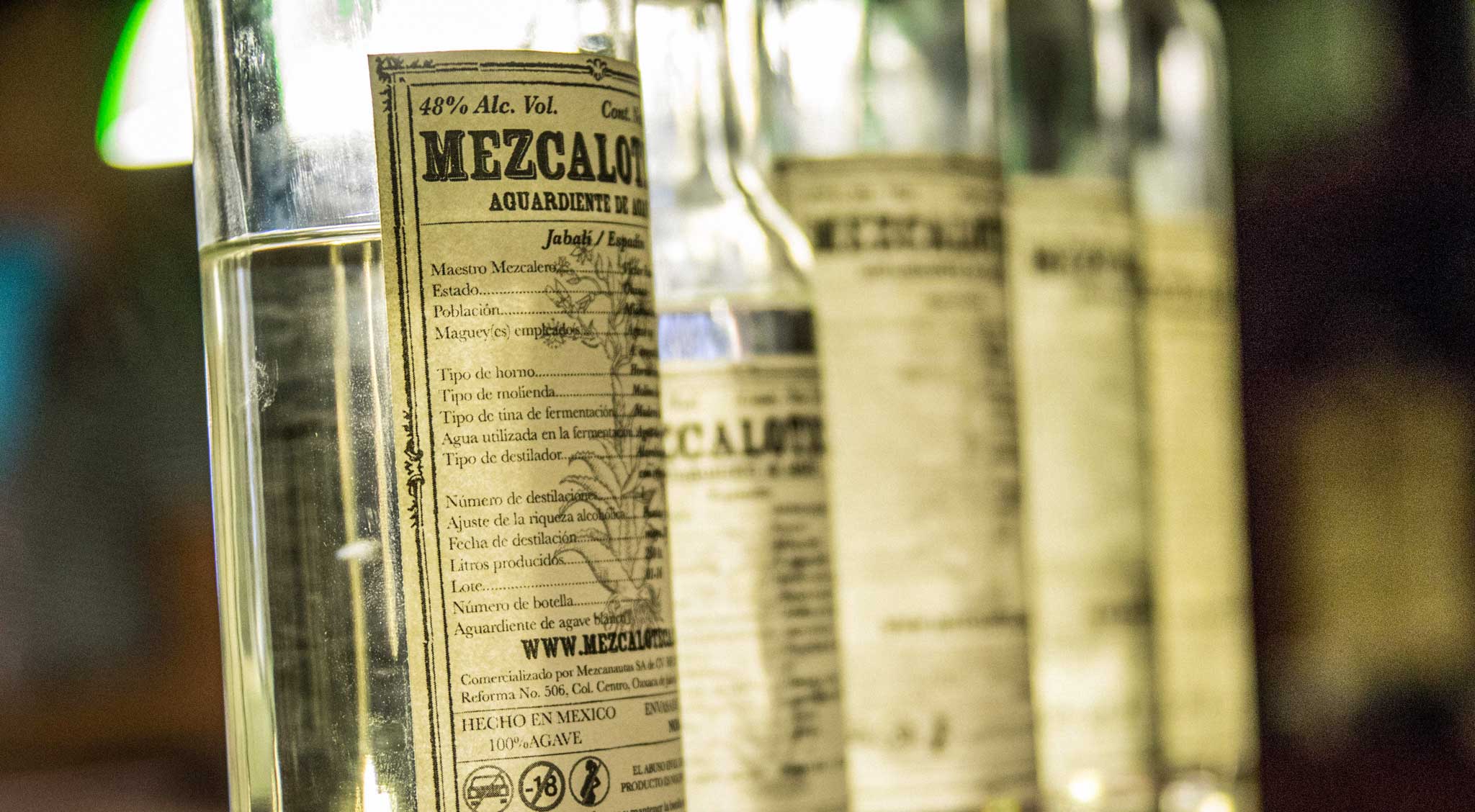
Mezcal's smoke has done the category a disservice, in a specific and fixable way. It is the first thing most new drinkers notice, and because it is unfamiliar and assertive, it tends to become the entire story — mezcal gets filed away as 'the smoky one,' a single flavour note standing in for an enormously varied category. This would be roughly equivalent to describing the whole of Scotch whisky as 'the peaty one' on the strength of an evening with Laphroaig. The smoke is real, and it comes from the same production step in every bottle — the agave hearts are roasted in earthen pits lined with hot volcanic rock before fermentation, which is genuinely different from tequila's steam-cooking and genuinely does impart char and smoke. But the smoke is a constant. What varies, dramatically, from bottle to bottle is the agave itself.
Mexico's Denomination of Origin for mezcal permits production from more than thirty species of agave, compared to tequila's single permitted variety, Blue Weber. Each species carries its own flavour signature — before smoke, before fermentation, before anything the distiller does. Understanding this is the single most useful thing a drinker can learn about mezcal, because it explains why one bottle can taste completely unlike another despite both being made using near-identical traditional methods in villages fifty miles apart.
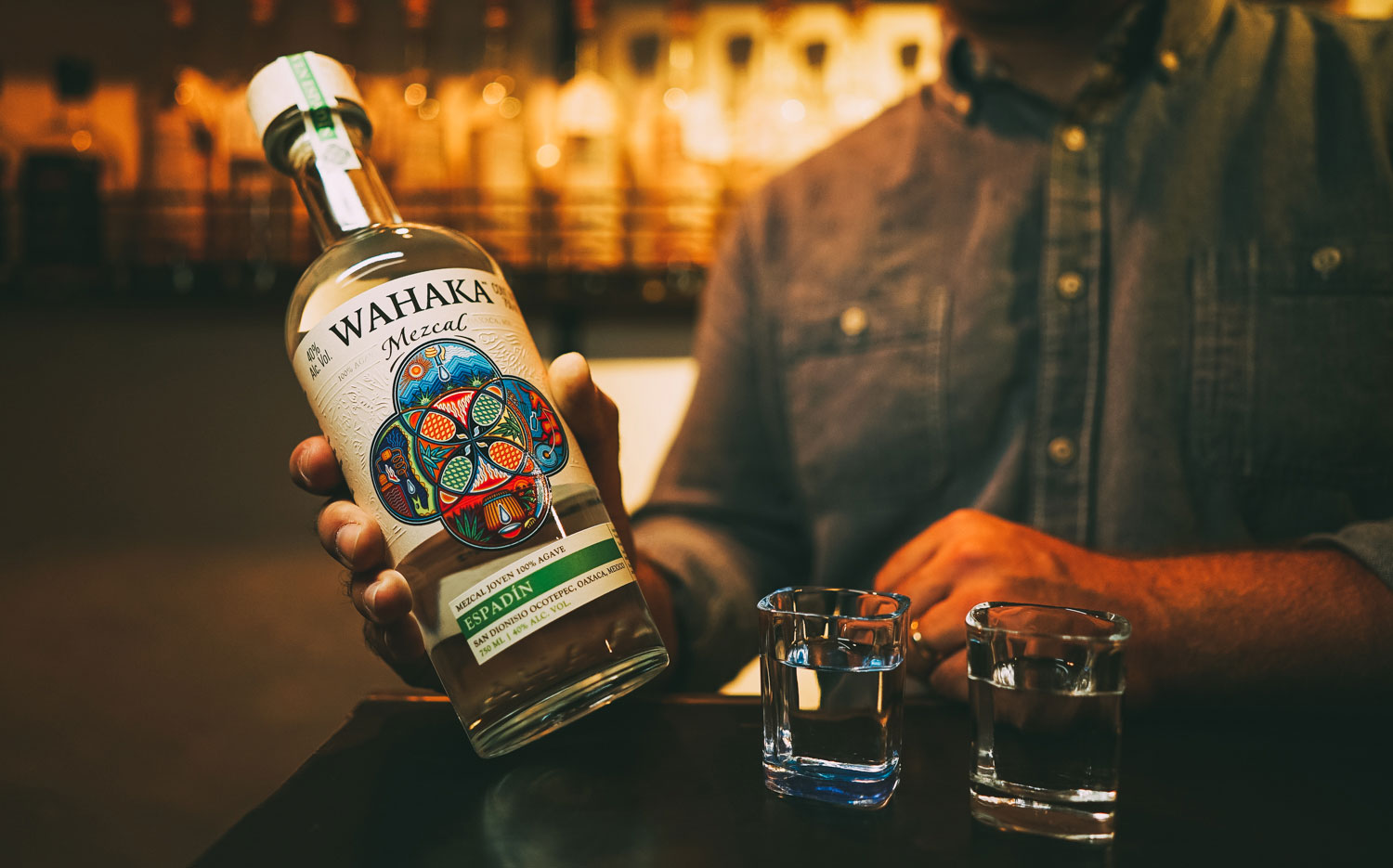
Espadín is the agave species behind the overwhelming majority of mezcal produced — reliable, relatively fast-growing (six to eight years to maturity, quick by agave standards), and forgiving enough to cultivate at scale, which makes it the backbone of the category's commercial viability. It is often treated as the 'basic' mezcal agave by comparison with the rarer wild varieties, which undersells it considerably. A well-made Espadín, handled by a producer paying proper attention, is not a compromise. It is simply the variety most drinkers will encounter first, and the fairest baseline against which to judge everything more unusual.
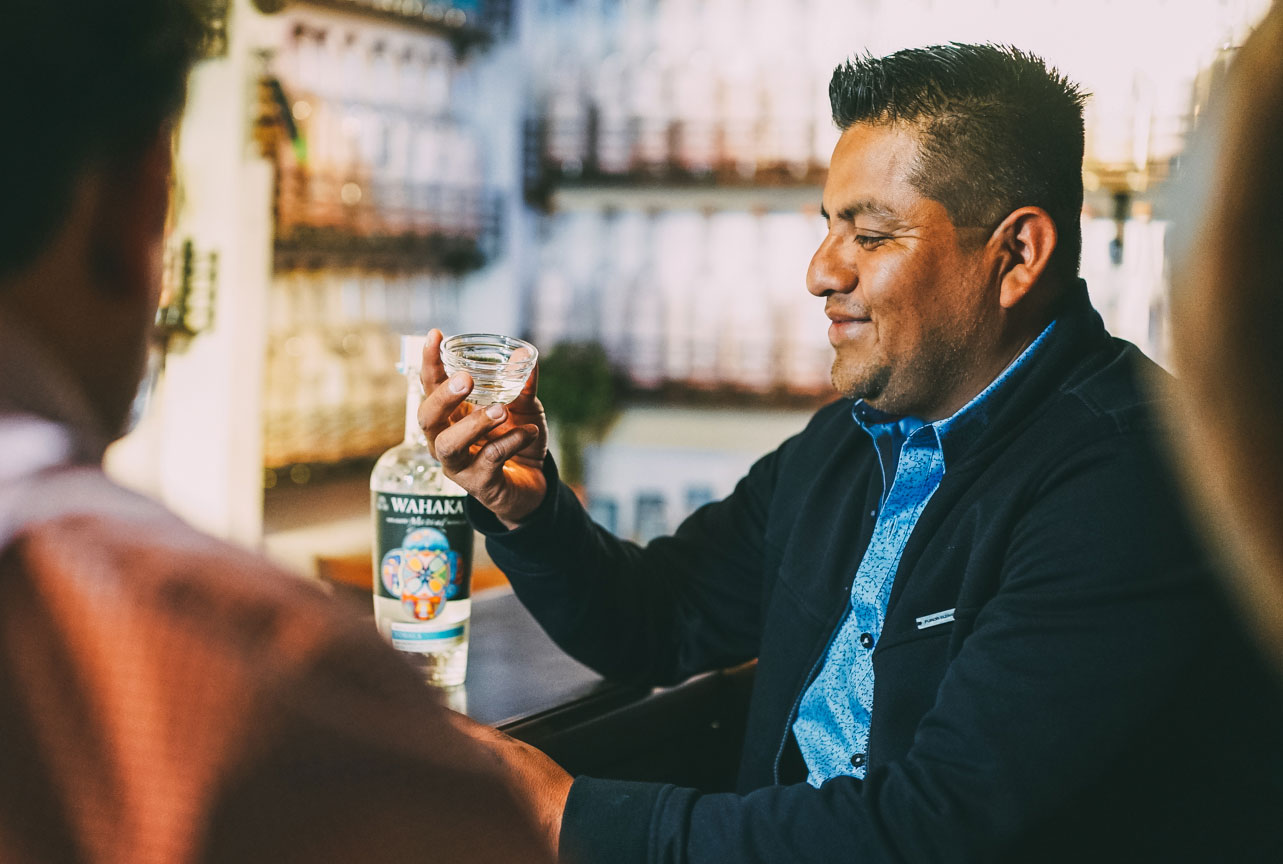
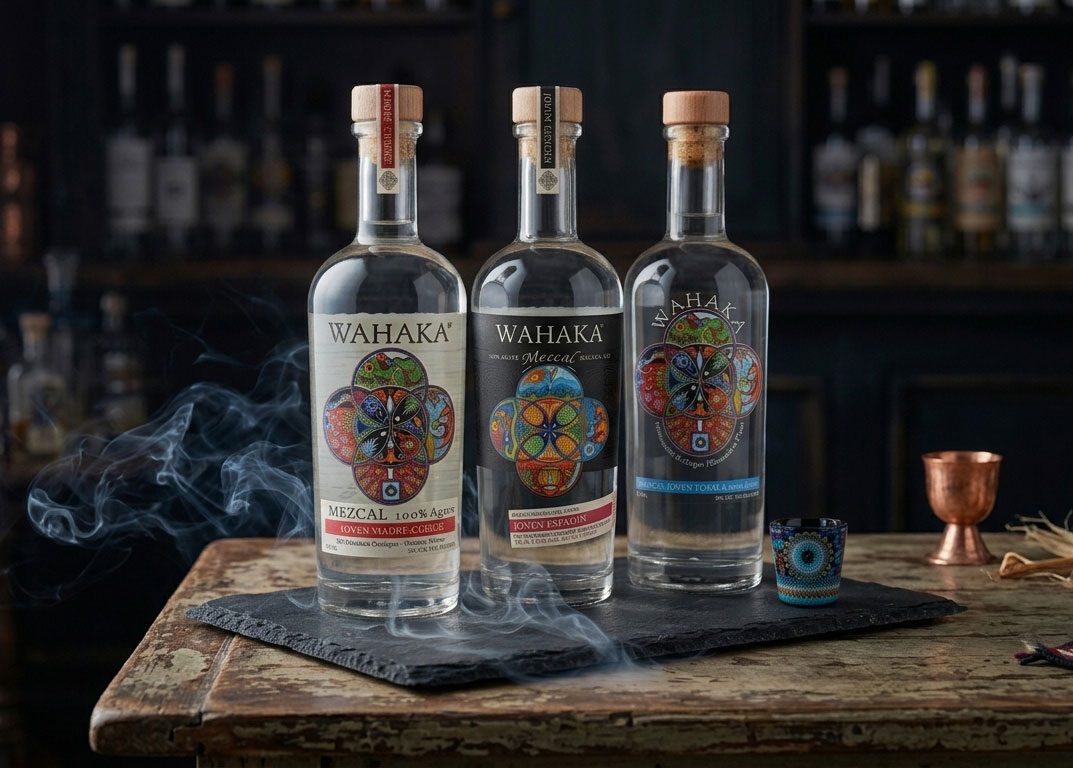
Wahaka's Espadín Manita is a single-village, single-family expression from Oaxaca, made using traditional stone-mill crushing and clay-pot distillation. The character is classically Espadín — vegetal, herbaceous, black pepper, a clean smoke that sits alongside the agave character rather than dominating it. At £114 it represents the premium end of what is usually the category's entry point, and the price is earned: this is artisanal, small-batch production carried out with real care rather than the industrial Espadín that fills the bottom of most mezcal shelves. The right place to establish your baseline before moving to the rarer varieties.
Tobalá is where the agave variety argument becomes genuinely dramatic. Unlike Espadín, Tobalá grows wild rather than under cultivation — it cannot currently be farmed at commercial scale, takes ten to fifteen years to reach maturity, and grows in the shade of larger trees in the mountains around Oaxaca rather than in open fields. Producers who use it are, by necessity, harvesting from what nature has already provided rather than planting for a future harvest, which makes Tobalá mezcal scarcer and considerably more expensive than Espadín as a matter of basic supply.
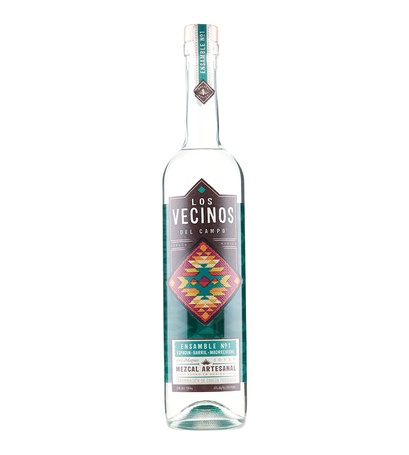
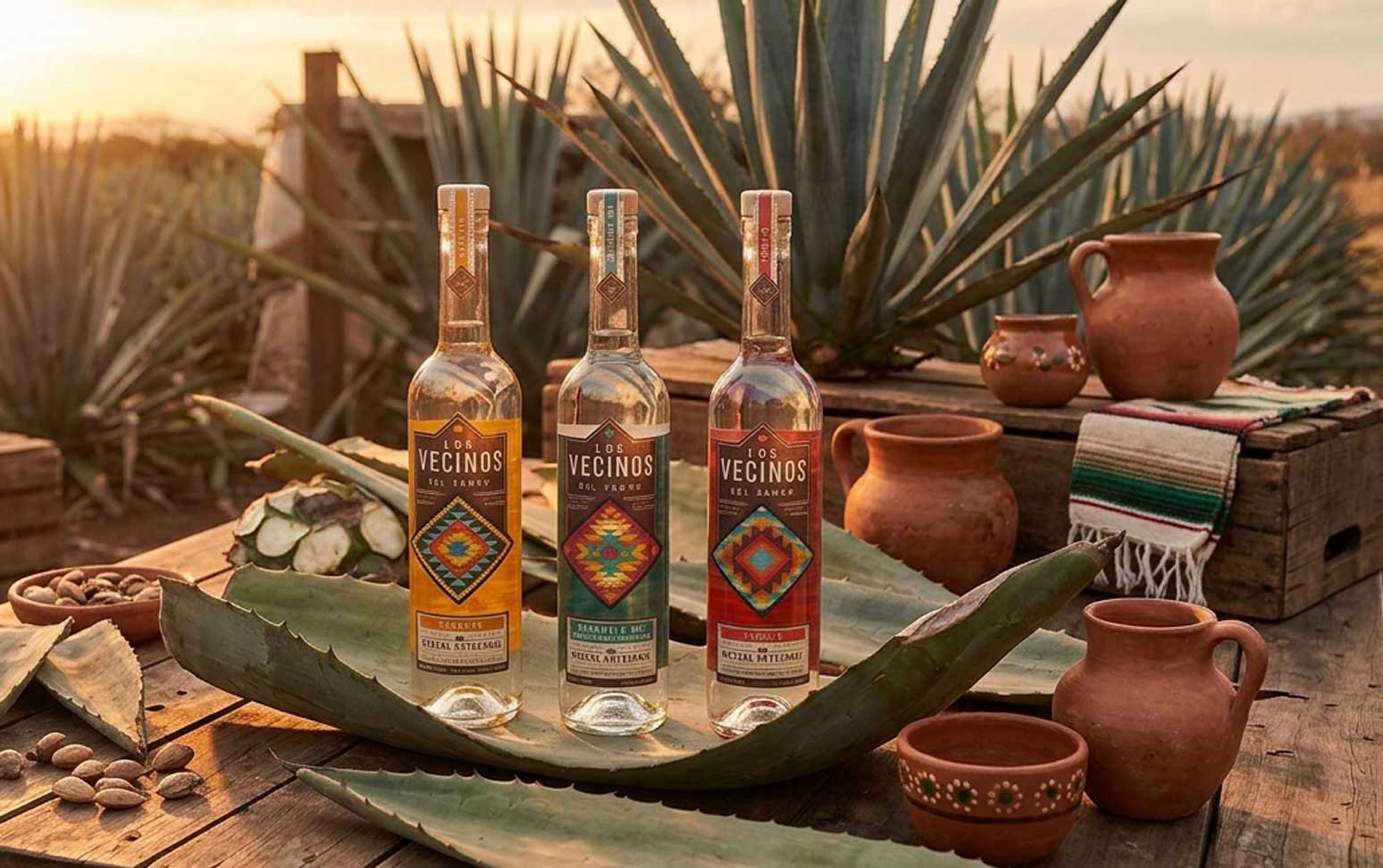
Los Vecinos' Tobalá is a genuinely different drinking experience from Espadín — sweeter, more floral, with a fruit character (stone fruit, occasionally something close to tropical) that most drinkers do not expect from mezcal until they encounter it. The smoke is present but lighter, allowing the agave's own aromatics considerably more room. At £85 it is accessible relative to the wider Tobalá market, where scarcity routinely pushes prices well beyond this. A genuinely revelatory bottle for anyone whose only reference point is Espadín.
Madre Cuishe is among the most visually distinctive agave varieties used in mezcal production — an elongated, almost tree-like plant that can grow considerably larger than most other mezcal agaves, with a correspondingly long maturation period. The variety produces mezcal of notable structure and intensity: more tannic, more mineral, often carrying a bitterness that Espadín and Tobalá do not share in the same measure. It is not the variety to reach for first. It is the variety worth reaching for once the category's range has become clear.
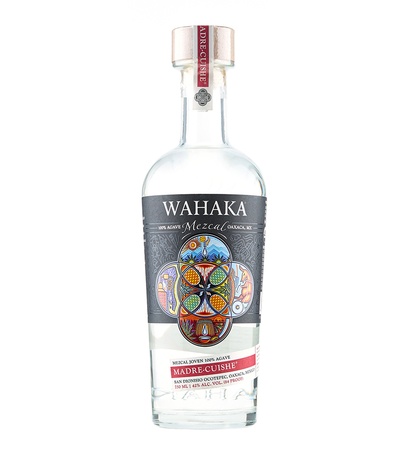
Wahaka's Madre Cuishe carries the variety's characteristic structure clearly — a drier, more austere mezcal than either the Espadín or the Tobalá, with mineral and bitter herb notes running through a long finish. At £95 it sits between the two in price and considerably apart from both in character. This is the bottle to open with someone who has decided, prematurely, that they understand what mezcal tastes like.
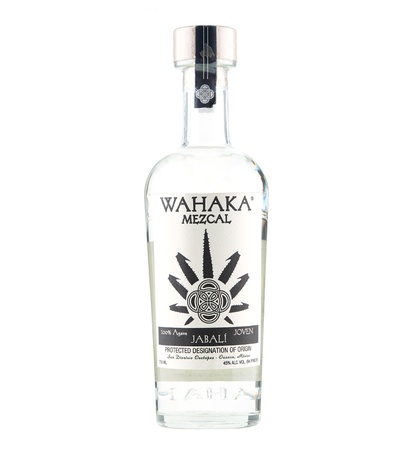
Jabalí — named, according to regional tradition, for wild boar that were said to root around the plant's base — occupies useful middle ground in the mezcal agave spectrum: cultivated rather than fully wild, but slower-growing and less common than Espadín, producing a spirit with more complexity than the baseline variety without the scarcity premium of Tobalá.
The Jabalí Joven from Wahaka carries a green, slightly grassy character alongside the expected smoke — closer to Espadín in accessibility than Tobalá or Madre Cuishe, but with a distinct herbal quality that marks it out clearly as its own variety rather than a variation on the baseline. At £112 it is priced closer to the premium Espadín than the mid-tier Madre Cuishe, reflecting genuine scarcity relative to demand. A useful bridge bottle for a drinker ready to move past Espadín without yet committing to the more extreme character of Madre Cuishe or the expense of true wild agave.
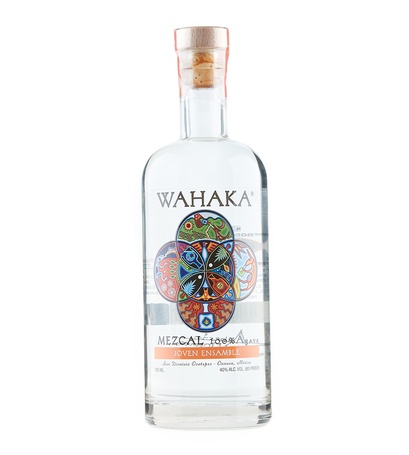
Wahaka's Emble Joven, at £65, is the most accessible entry point in the house range covered here and a useful comparison bottle — Emble is another semi-wild variety, producing a mezcal with a bright, citrus-adjacent character that sits stylistically between the vegetal cleanliness of Espadín and the floral quality of Tobalá. A sensible bottle to keep on hand for introducing the variety argument to someone new to the category without committing to the top of the price range.
The smoke in mezcal is a production choice, applied with more or less intensity depending on the producer, but it is fundamentally the same technique across the category. The agave variety is not a technique. It is the raw material, shaped by geography, growing conditions, and time in the ground in ways no amount of production skill can substitute for. A producer working with Tobalá is working with an ingredient that cannot be farmed to order, that took over a decade to reach the point of harvest, and that carries a flavour signature entirely its own before a single flame is lit under it. Understanding this is what separates ordering mezcal as a category from ordering a specific bottle for a specific reason — the difference, in practice, between treating the drink as one thing and understanding it as the genuinely varied category it actually is.