Departments
 Departments

New to Slowsip? Create Account
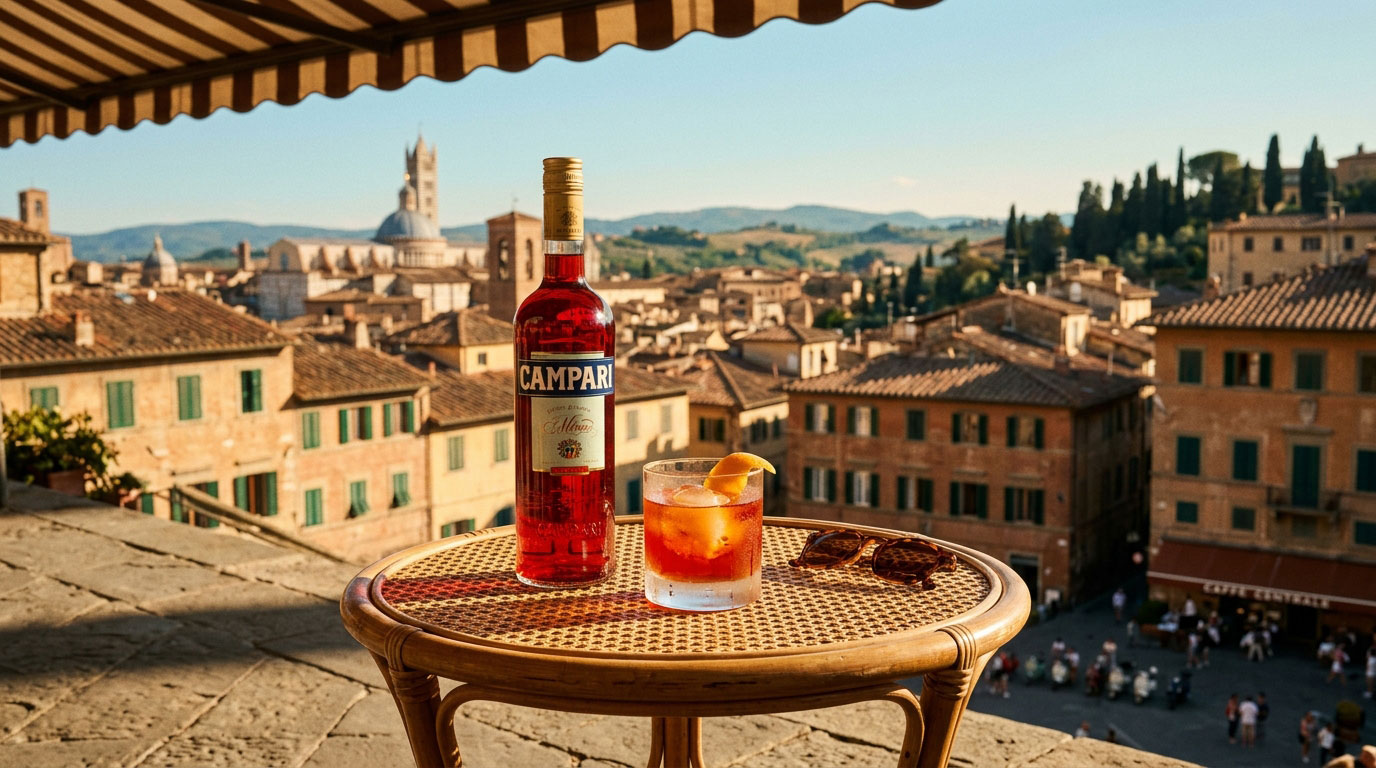
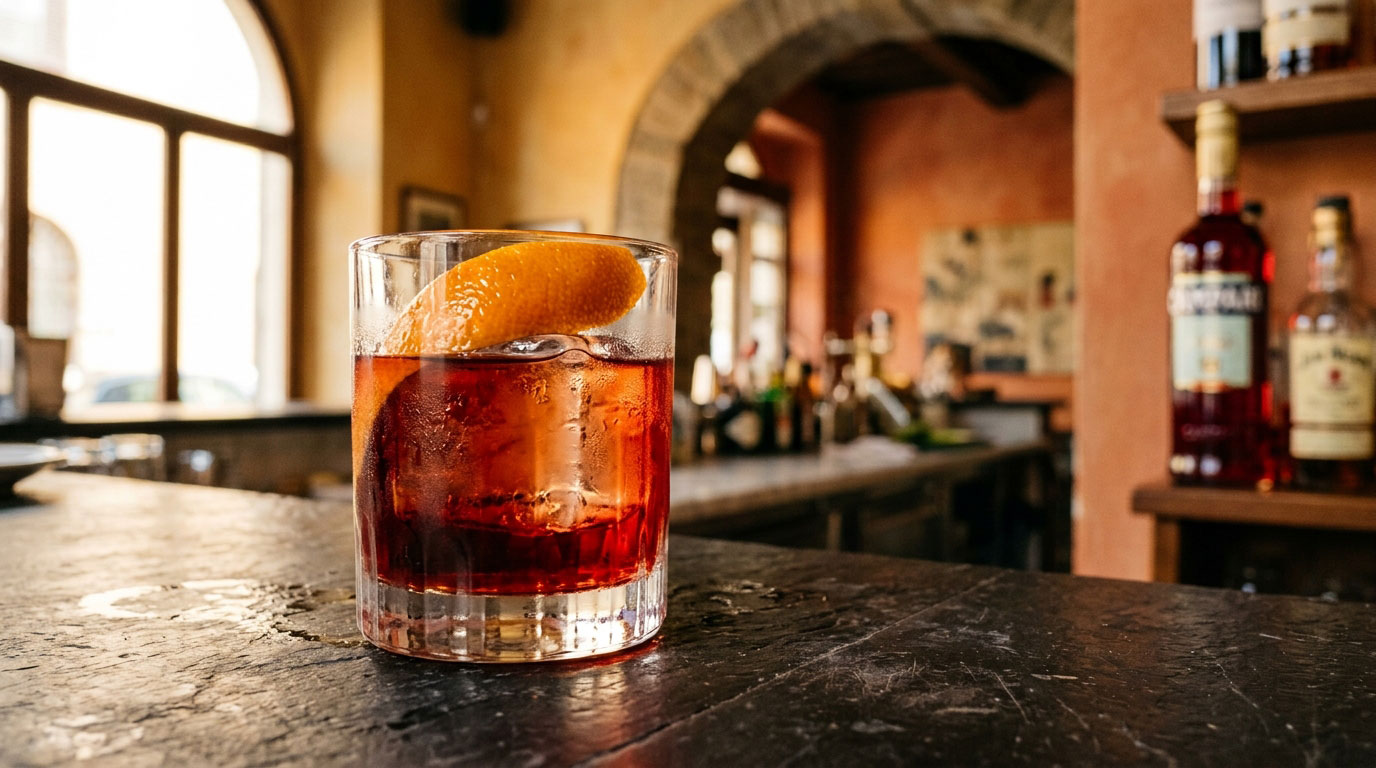
I want to make a claim that will sound like an exaggeration and isn't: nobody has ever ordered a Negroni by accident. You don't stumble into one the way you might order a gin and tonic because it's what's on the table, or a glass of house white because the list is long and you're tired. A Negroni is a decision. It announces itself before it arrives — the colour alone does that — and it asks something of you that a lighter drink doesn't. I find this clarifying. In a world of drinks designed to be inoffensive, the Negroni has never once tried to be liked by everybody, and it is loved with real specificity by the people who love it.
The story of how it came to exist is one of the better ones in cocktail history, and it happens to be true, or true enough. Count Camillo Negroni, an Italian aristocrat who had spent time in America, was sitting in Caffè Casoni in Florence sometime around 1919, drinking his usual Americano — Campari, sweet vermouth, soda water — and asked the bartender to swap the soda for gin. Some accounts say he wanted something with more of a kick after his years in New York; the request was, in its own small way, an act of homesickness for a country he'd left. The bartender did as he was asked. History does not record whether Fosco Scarselli, the bartender most often credited, understood at the time that he had just created one of the enduring drinks of the century. Probably not. Most good things arrive without ceremony.
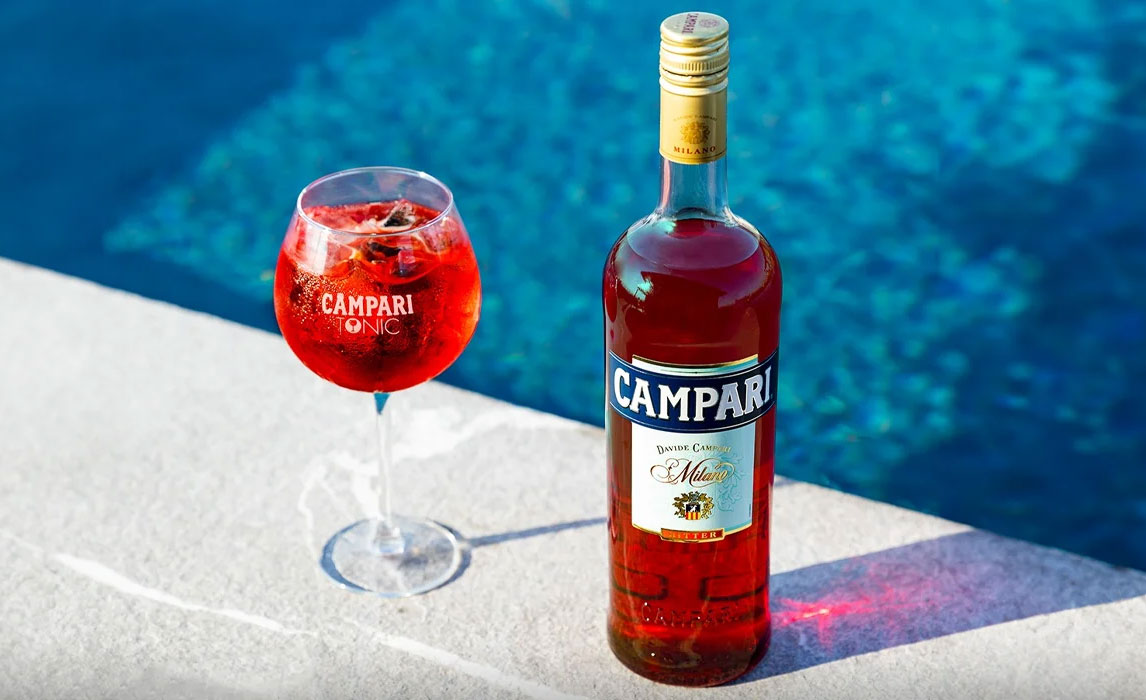
I have spent a reasonable amount of time trying to improve on the 1:1:1 ratio, in the way that anyone who takes a drink seriously eventually tries to improve on the thing everyone already agrees is correct. More gin, on the theory that a drier Negroni respects the spirit more. Less vermouth, on the theory that sweetness is the enemy of a proper aperitivo. I have made a great many Negronis that were, by any reasonable measure, perfectly good drinks and worse Negronis than the one you get by simply measuring three equal parts and trusting Count Negroni's bartender to have got it right the first time.
The reason equal parts works is that Campari is not a subtle ingredient. Its bitterness is assertive by design — it needs an equal weight of gin's botanical structure and vermouth's sweet aromatic depth to keep it in check, and any deviation from equal measures tips the whole thing toward one dominant note rather than the layered argument the drink is supposed to make. I have made this mistake in both directions and regretted it in both directions equally.
I know this is meant to be a matter of taste, and for most people it probably is. For me it isn't anymore.
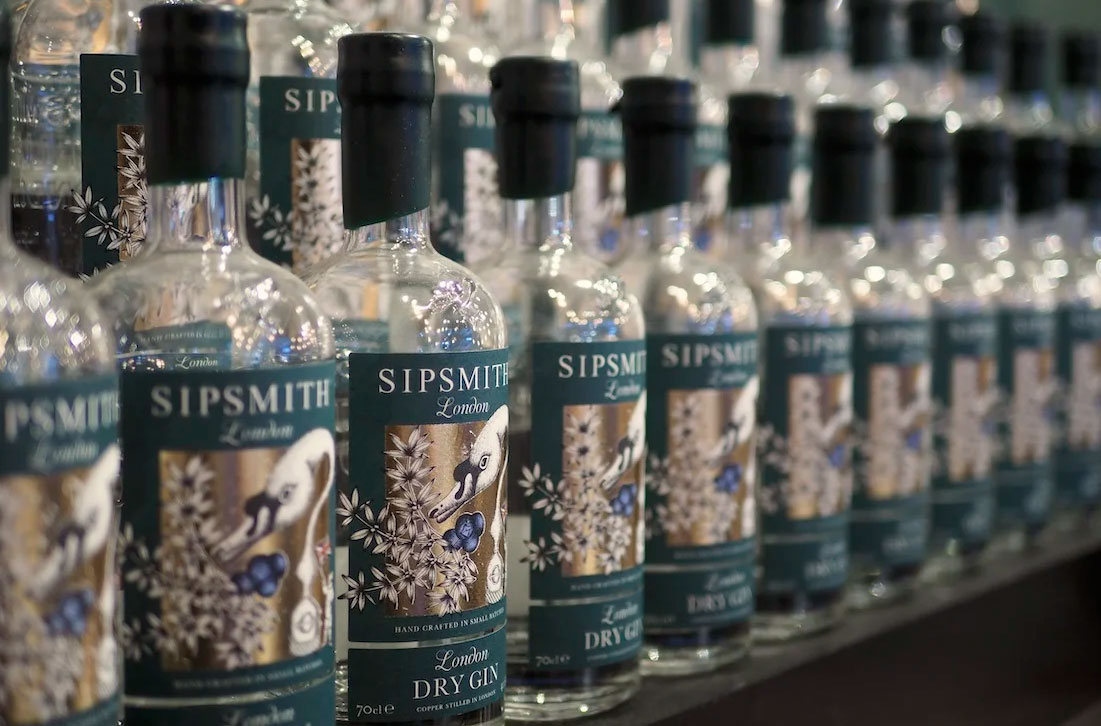
Sipsmith is the gin I reach for without thinking about it now, which is itself the argument. A Negroni gin needs to hold its own against Campari's bitterness and vermouth's sweetness without trying to win the conversation outright — an intensely botanical gin turns the drink into a fight rather than a balance. Sipsmith's juniper-forward but restrained character does the job with a kind of quiet confidence I've come to prefer over gins that announce themselves more loudly. I've tried the more assertive options. I keep coming back.
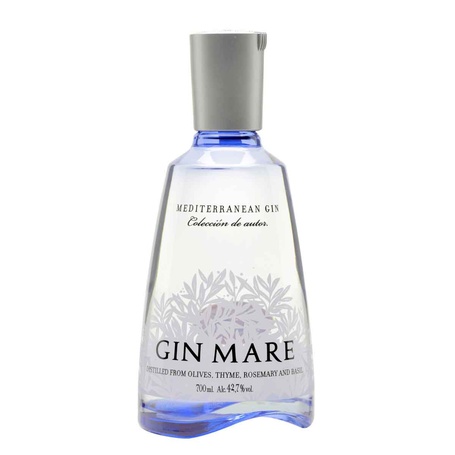
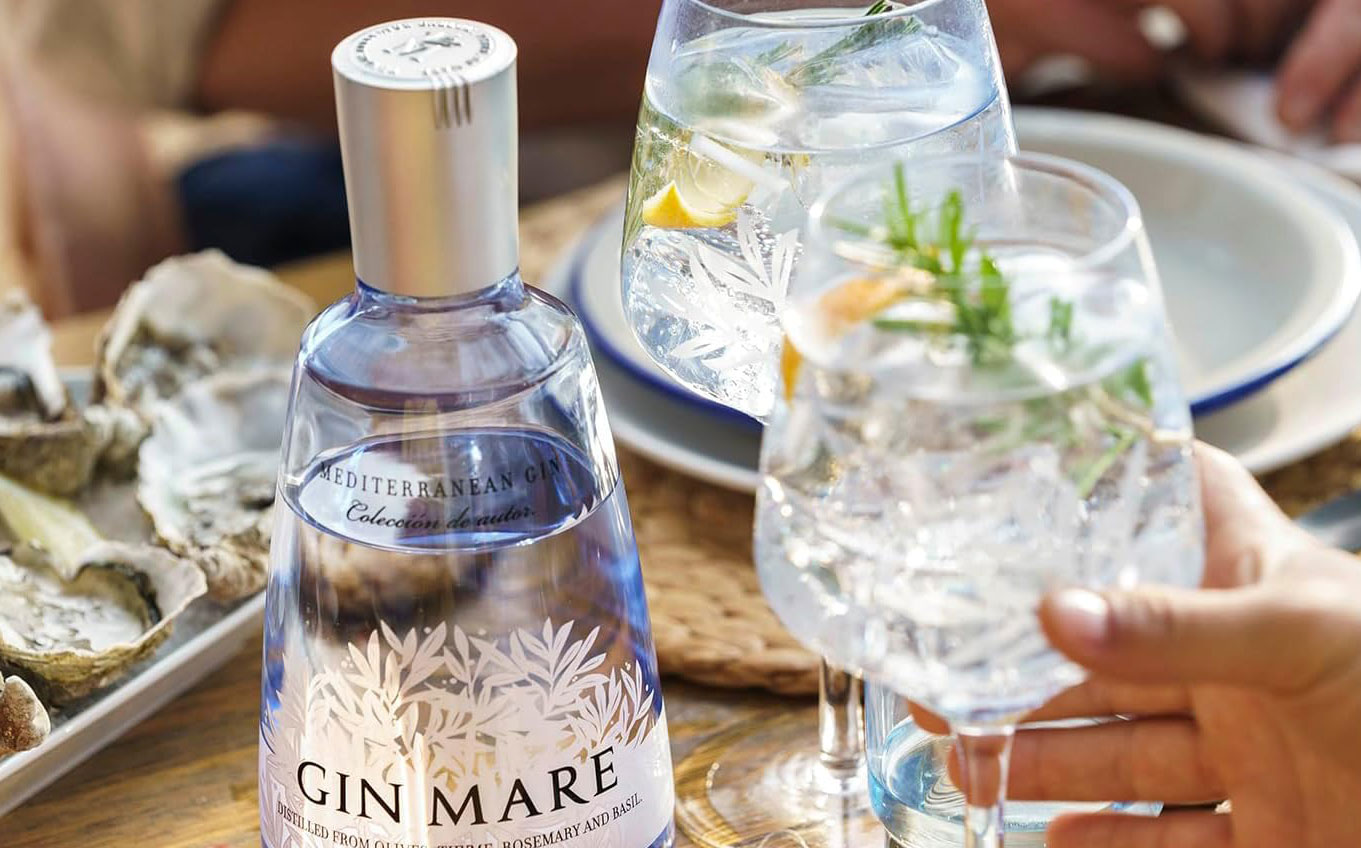
The exception, and it is a real one, is Gin Mare — not in the classic build, where I find its Mediterranean botanicals (rosemary, thyme, olive) compete a little too directly with the orange peel garnish, but in a White Negroni, where Campari and sweet vermouth are replaced with Suze and a dry vermouth. There, Gin Mare's savoury character has nothing to argue with and everything to complement. Different drink, different gin, same underlying principle: match the intensity of the base spirit to the bitterness it's up against.
The Negroni's real trick is that it rewards attention without punishing simplicity. You can spend twenty minutes deliberating over a Ximénez-Spínola-adjacent vermouth and a small-batch gin from a distillery three people have heard of, and the resulting drink will be excellent. Or you can pour equal parts of whatever decent gin, Campari, and vermouth happen to be in the cabinet, stir it properly, and get something that is, by any honest measure, still very good. Few drinks are this forgiving at the bottom end and this rewarding at the top. Most cocktails you either get right or you don't. The Negroni has a wider margin than that, which is probably part of why it has survived a century of people like me trying to improve on it and mostly failing.
Negroni Week starts today. I'll be drinking mine the way Count Negroni's bartender first made it — equal parts, properly stirred, no apology for the bitterness. Julian's full recipe, with the technique and the ratio argument made properly, is on the site if you want the complete version. This is just me telling you why I've stopped arguing with it.