Departments
 Departments

New to Slowsip? Create Account
Sherry is a white wine from the south of Spain, made mostly from the Palomino grape, and the confusion starts with how it is remembered: as something sweet, brown and kept for Christmas. Its governing body, the Consejo Regulador, is clear about where that reputation came from. The sweetened blends, it says, grew out of British tastes, made to order for overseas customers and even assembled in England from imported wine. The styles below run from the driest to the sweetest, and they are all built on one idea: what the cellar does to the wine in the cask.
After fermentation the wine is fortified with grape-based alcohol. Fortify to 15% and a layer of yeast called flor grows on top of the wine in the cask. Fortify to 17% and it cannot. That single choice divides sherry into two families. Under flor the wine is shielded from air, and the yeast feeds on alcohol and glycerine as it goes, leaving a pale, sharp, almond-edged wine: fino. Without flor the wine meets the air. It darkens and concentrates, because casks lose 3 to 5 per cent of their contents a year, mostly water. That is oxidative ageing, and it makes oloroso.
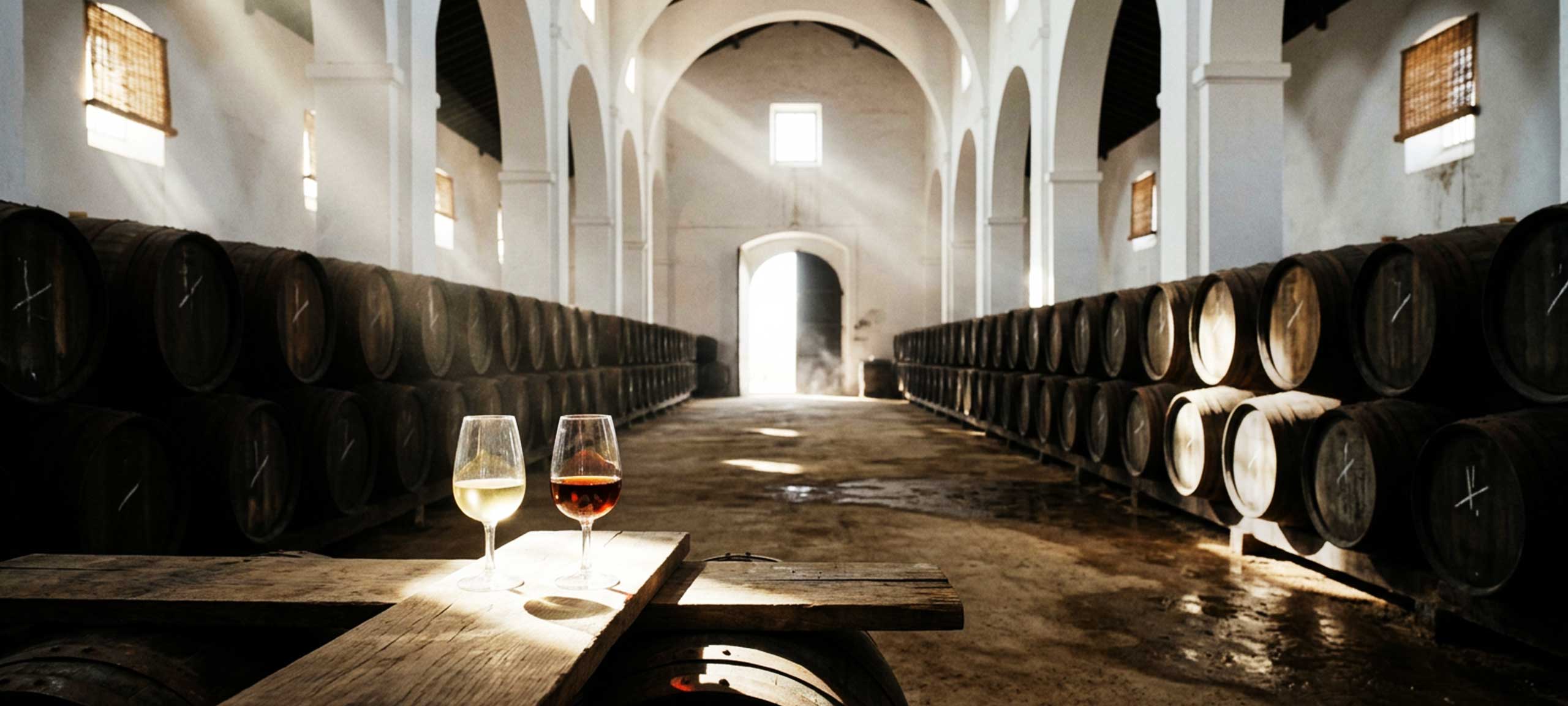
All of it happens in American oak butts of about 600 litres, arranged in a solera. The tier holding the oldest wine sits at floor level (suelo, hence solera), with younger tiers, the criaderas, stacked above. Wine is drawn only from the oldest tier, which is topped up from the one above, and so on up the stack. The rules require at least two years in cask. The point is consistency: the system smooths out the differences between harvests, which is why most sherry carries no vintage.
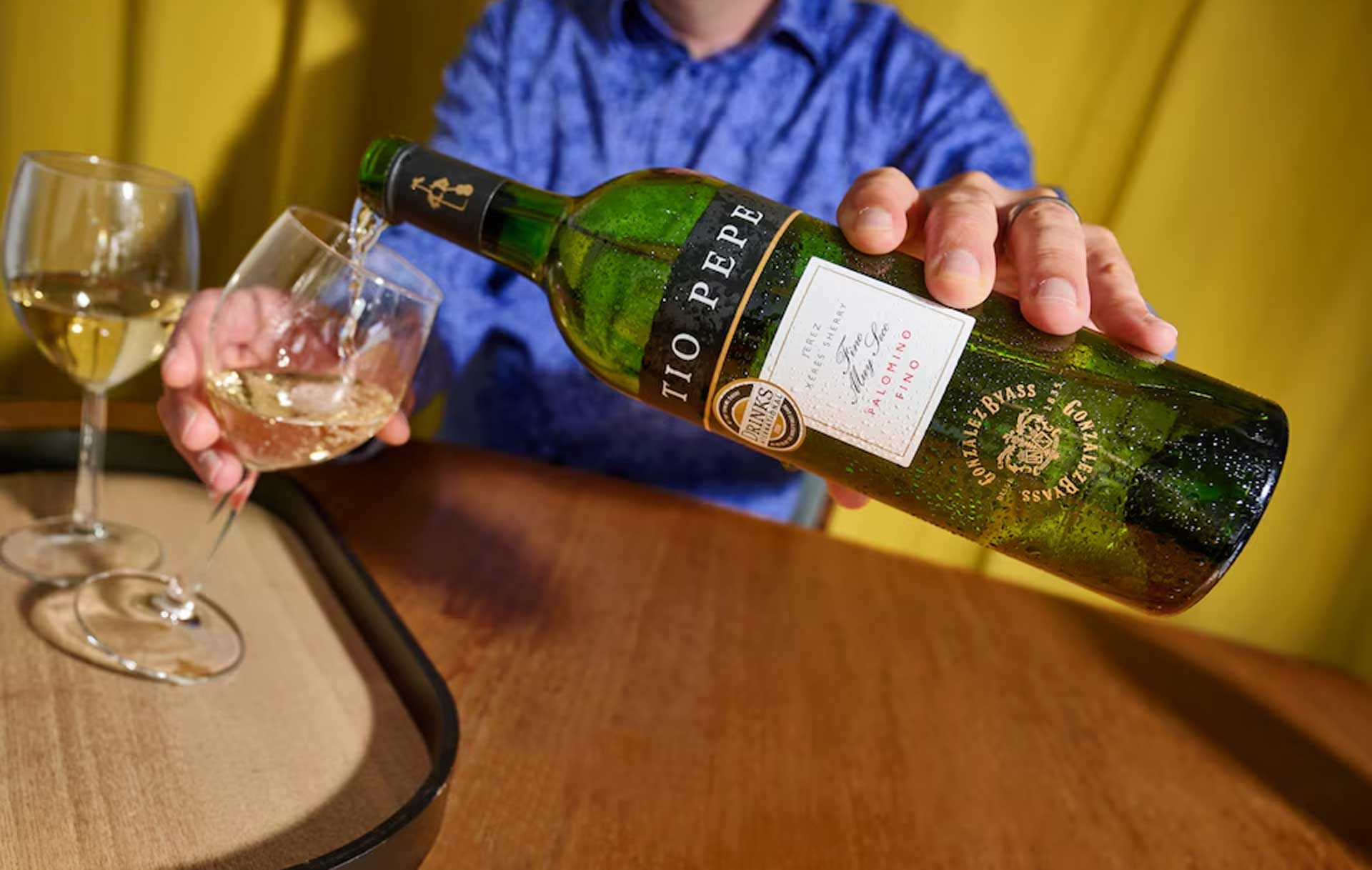
Fino is aged entirely under flor. It is bone dry, with sugar below four grams a litre and usually below one, typically about 15%, with almond and fresh dough on the nose. Manzanilla is the same style aged in the coastal town of Sanlúcar de Barrameda, under its own protected denomination, and the Consejo describes it as lighter, with floral notes and a bitter finish. Serve either well chilled, at around 5 to 8°C, in a white wine glass, with olives, almonds, Iberian ham or shellfish.
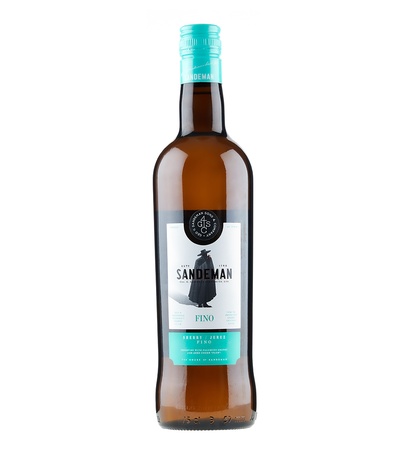
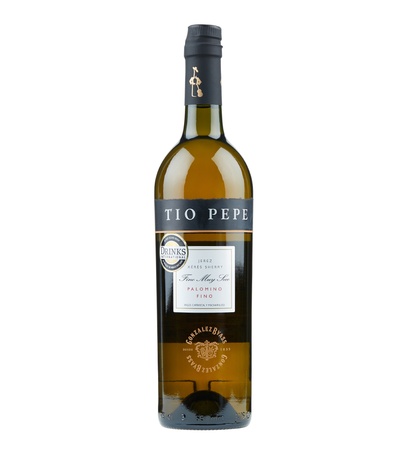
It is also the most fragile style. Open a fino and keep it in the fridge, and finish it within about a week. That makes a 50cl bottle a feature, not a limitation. Our three finos differ in how long they spend under flor: at least three years for Sandeman's Fino, four for Tio Pepe and at least five for Don Fino, on the producers' own descriptions.
Amontillado begins as a fino, then loses its flor and finishes its ageing in contact with air. The Consejo describes it as golden to mahogany, with hazelnut and spice, more structured than fino and usually 17 to 20%. The sequence matters, because biological ageing can only run for about seven or eight years before the yeast weakens, which is why very old sherries are always oxidative. Palo cortado starts the same way, fortified to 15%, then is re-fortified to 17% early in its life to end the flor. The Consejo places it close to oloroso in character, with a lighter structure and 18 to 20% alcohol.
Sandeman's Character is an amontillado-based blend: aged for an average of nine years, with a little rich Pedro Ximénez added for a touch of sweetness. The producer's technical sheet, quoted by one UK merchant, gives about 45 grams of sugar a litre, which makes it sweeter than a classic dry amontillado. Serve it less cold than a fino, at 12 to 14°C, with pâté, smoked meats or hard cheese.
Oloroso is aged exclusively without flor. Its colour deepens from amber towards dark brown, and the Consejo's list of aromas includes nuts, tobacco, spice and leather. Alcohol and glycerine rise with time, giving it a smooth, almost unctuous texture. It is dry, usually 18 to 20%, and best served at 12 to 14°C. It is also the sherry behind the casks that finish so much Scotch whisky, a story our piece on cask finishes tells from the whisky side.
Sweet sherry comes two ways. Pedro Ximénez and Moscatel are naturally sweet, made by stopping fermentation with grape spirit. PX is always made from sun-dried grapes, never has less than 250 grams of sugar a litre and often more than 400, and runs from chestnut to jet black. The other way is the blend. A cream is an oloroso sweetened with PX or concentrated must, at 115 to 140 grams of sugar a litre by the Consejo's definition. Pale cream is a lighter blend, served colder, at 7 to 9°C.
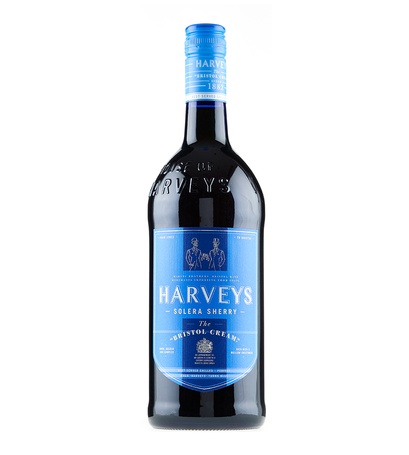
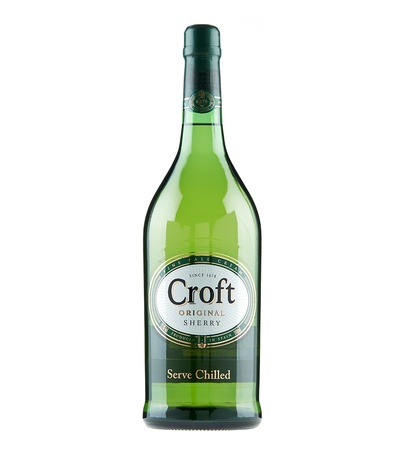
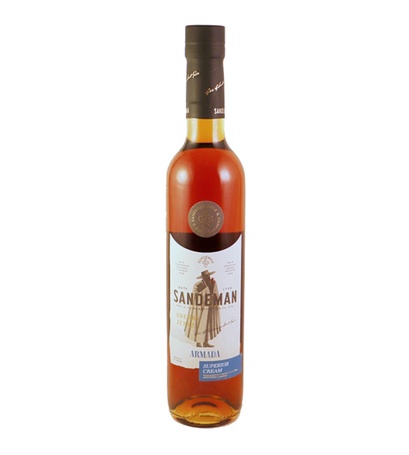
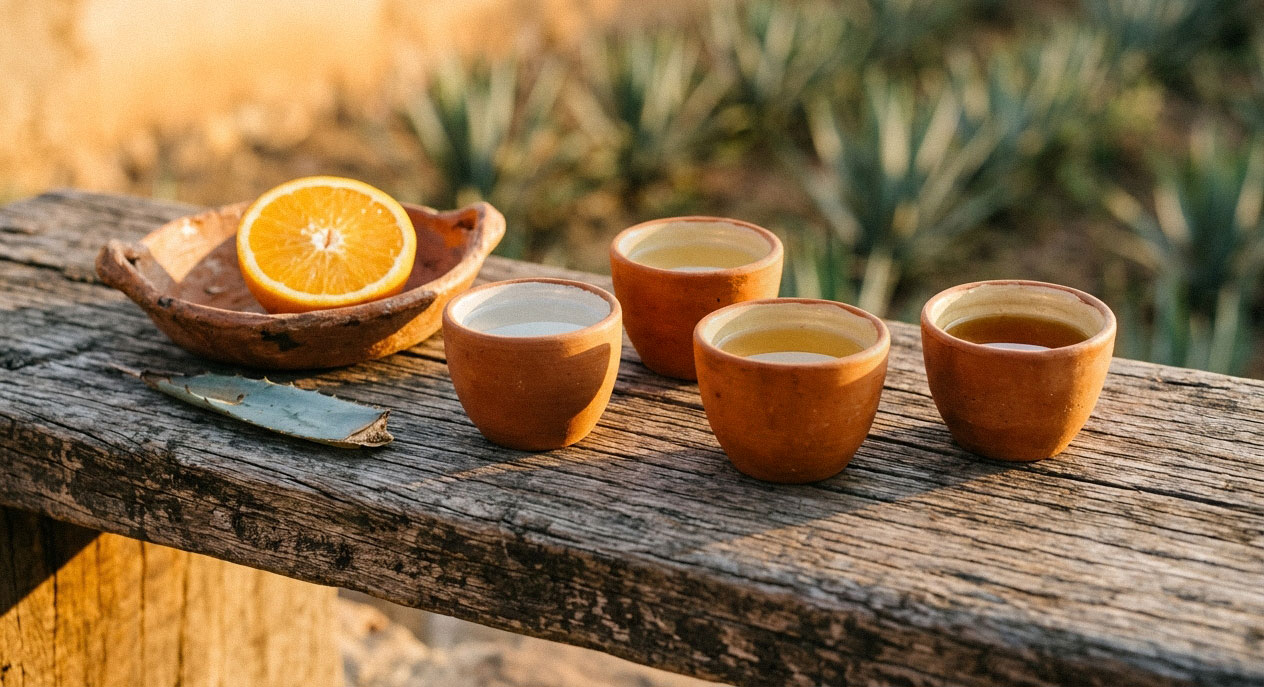
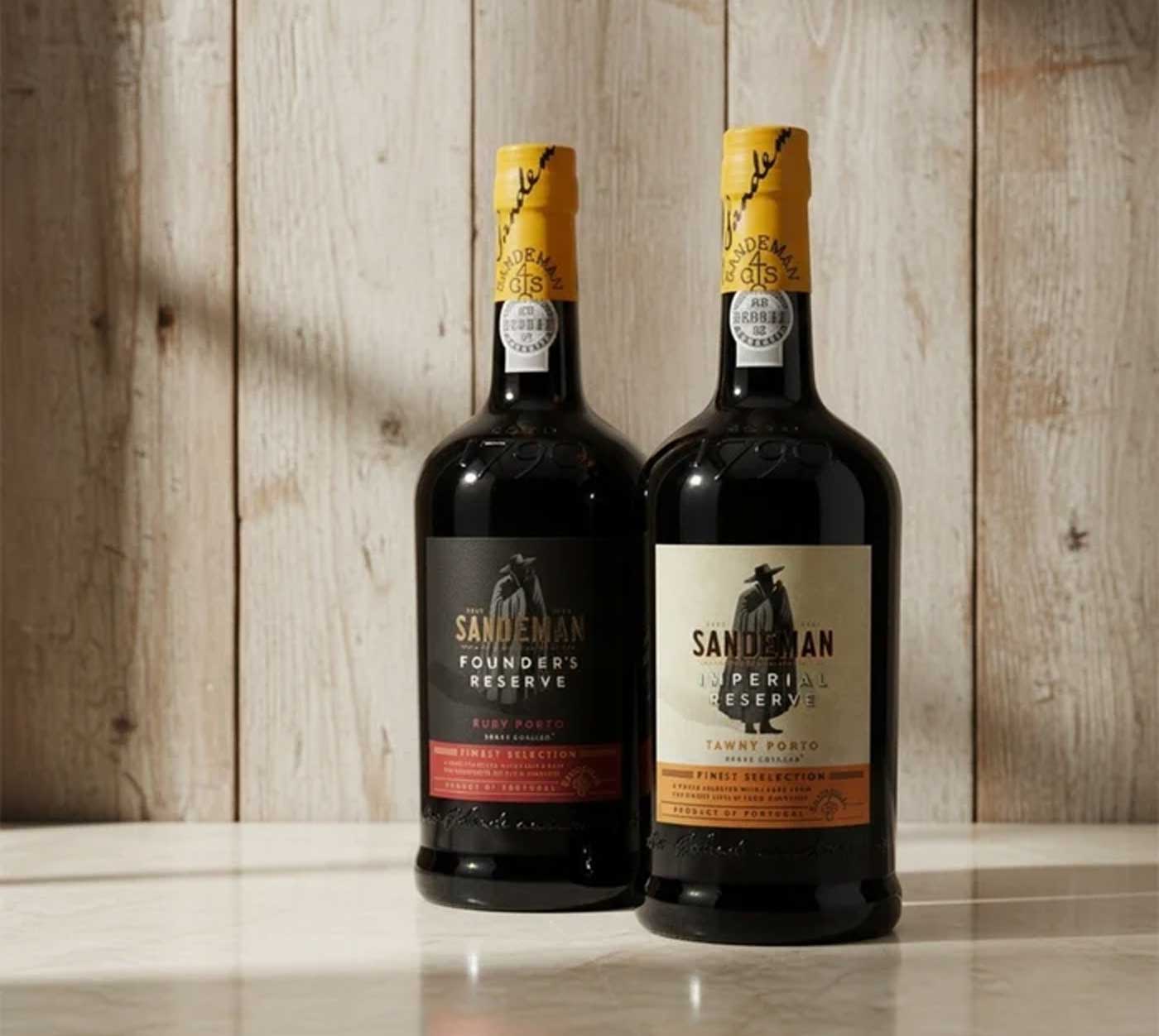
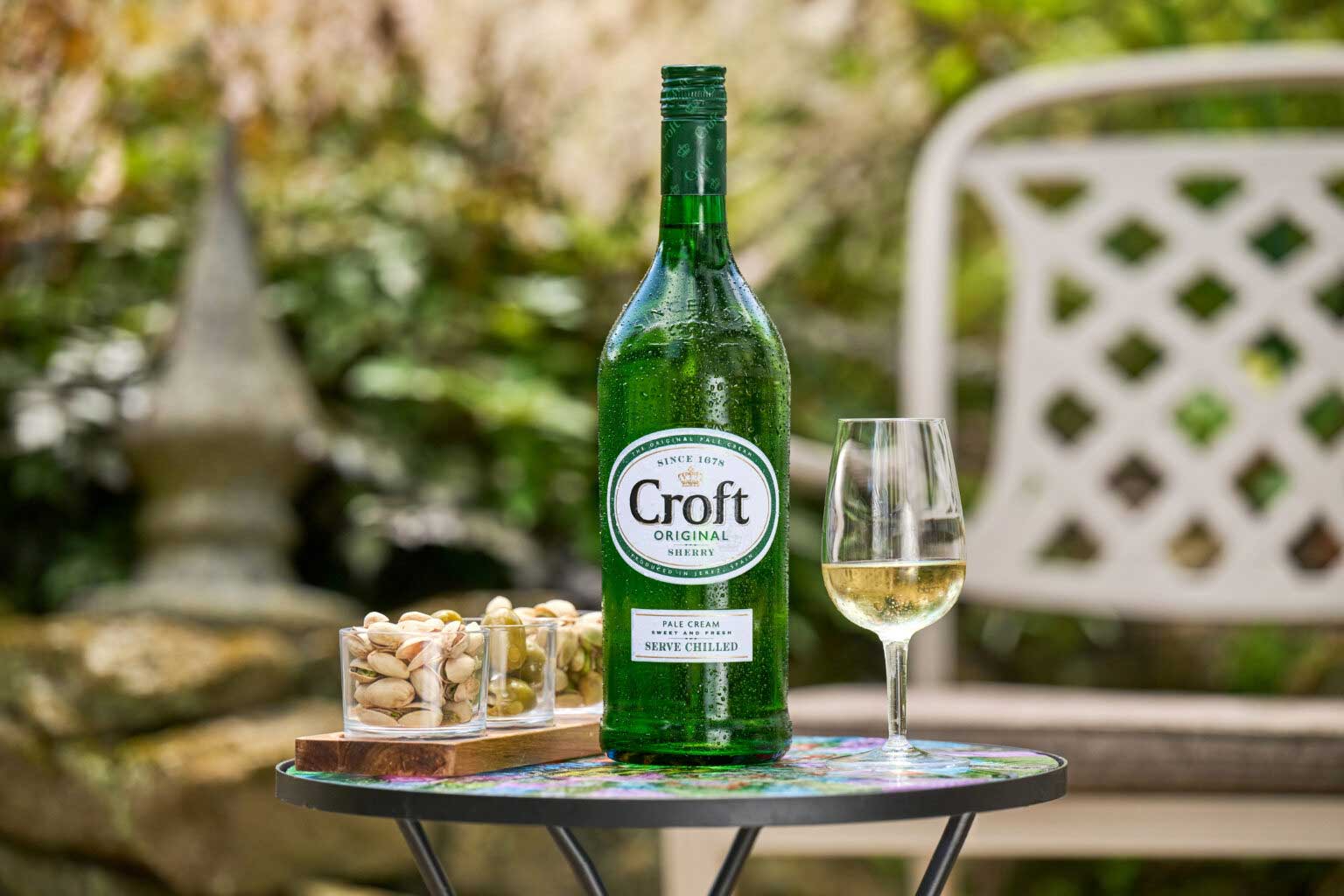
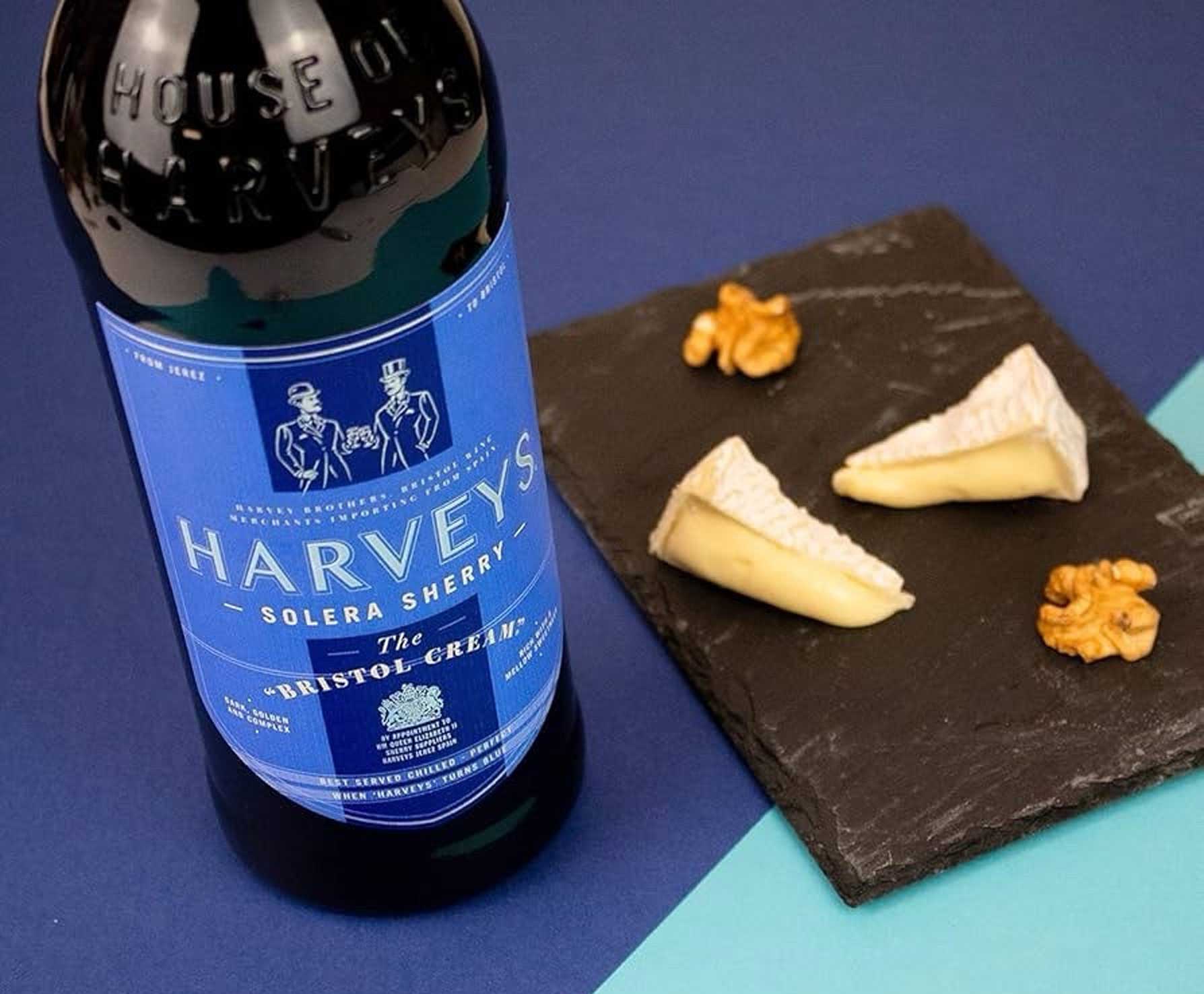
Sandeman's Armada is a cream built on an oloroso aged for more than ten years, with a little PX blended in. Harveys Bristol Cream is made from Palomino and Pedro Ximénez, and Croft Original, on our own product page, blends the pale dryness of a fino with the body of a cream. The Consejo's own suggestion for a cream is a tumbler over ice with a slice of orange, as an aperitif. Serve the richer ones with desserts or blue cheese.
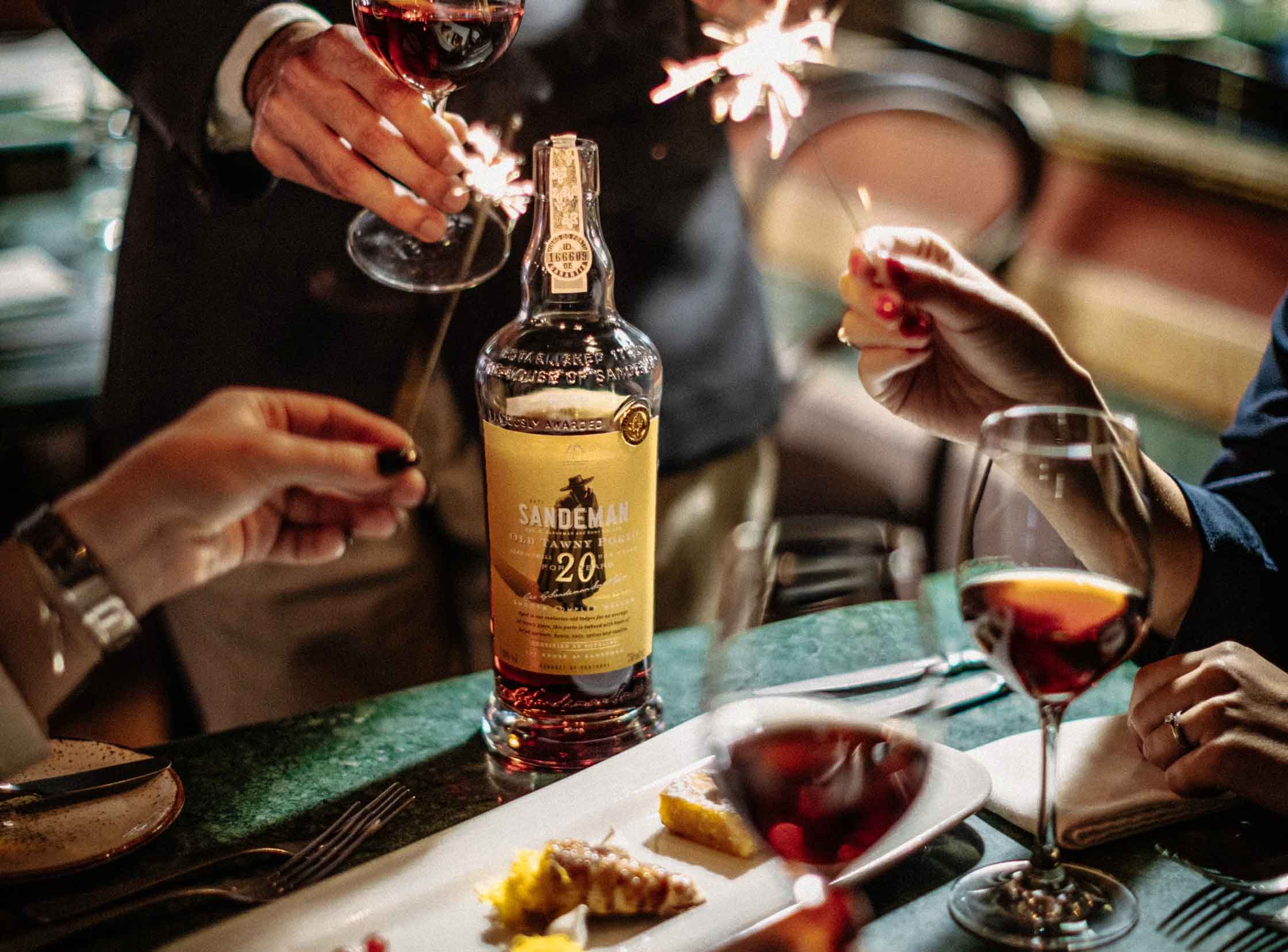
Because of the solera, a sherry's age is always an average. The Consejo certifies two special categories, VOS for an average of over 20 years and VORS for over 30, and also allows 12 and 15 year indications. Certified age can only apply to amontillado, oloroso, palo cortado and Pedro Ximénez, never to fino, for the reason above.
Three rules cover most of it. Serve to the style: fino and manzanilla well chilled, pale cream colder than the rest, and the oxidised styles and blends at 12 to 14°C. Use a good white wine glass: the Consejo advises against the small copita, which does not let the wine express itself. And store bottles upright, in the dark. A closed fino or manzanilla keeps for up to a year and an opened one for up to a week in the fridge; the other styles keep for up to three years closed and up to two months open. Sherry does not improve in the bottle.
Start with a fino in the smallest bottle you can find, serve it cold, and finish it within the week. Then add something from the other end of the ladder for the winter evenings: a cream over ice with a slice of orange is a better aperitif than it sounds. The middle of the ladder, where amontillado and oloroso live, is where sherry stops being a category and becomes a hobby.