Departments
 Departments

New to Slowsip? Create Account
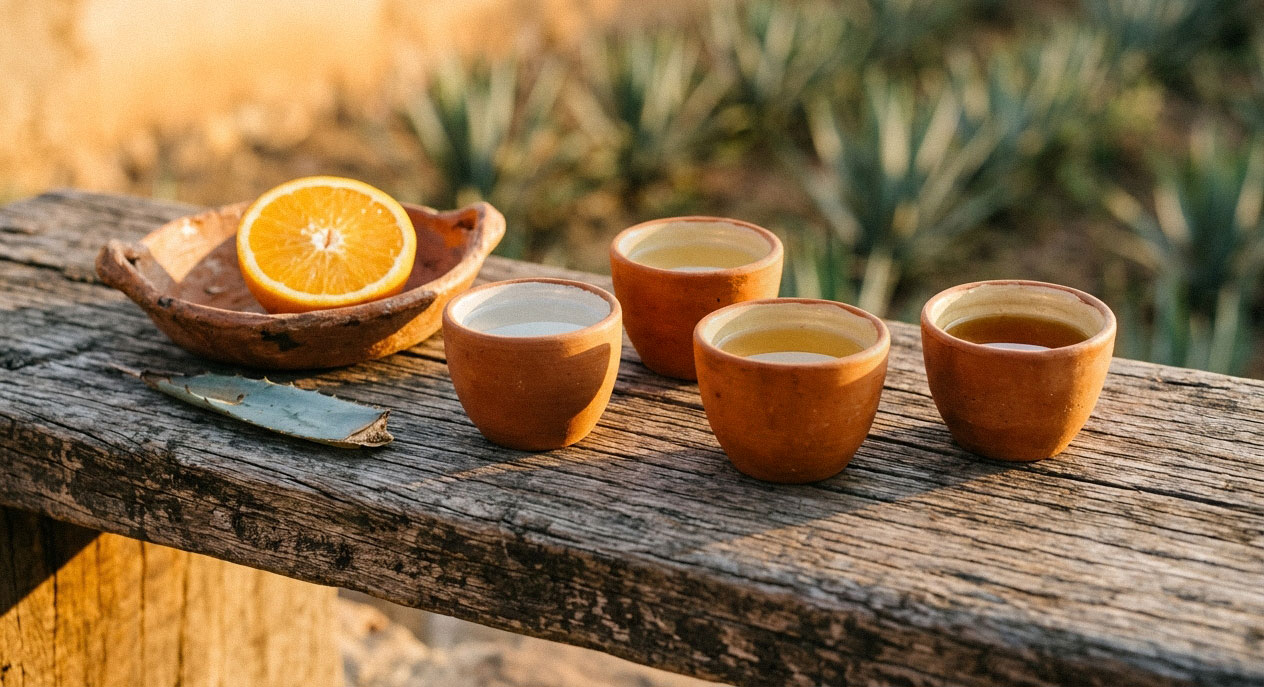
National Mezcal Day, 21 October, is a good day to buy a bottle and a poor one to buy the wrong one. We have already covered what mezcal is, in Sebastian Rowe's introduction, and what the agave does, in our September guide, so this one starts a step earlier, at the label. Twelve mezcals sit on our shelf, and they are not twelve versions of one thing. They are four kinds of bottle, and the kind explains more about what you are buying than the agave does.
Since 2017, Mexico's mezcal rules (NOM-070) have required a certified bottle to declare one of three categories: Mezcal, Mezcal Artesanal or Mezcal Ancestral, running from the most industrial methods permitted to the strictest, with ancestral requiring clay-pot stills. Two phrases change what is in the glass. 'Abocado con' means ingredients were added after distillation. 'Destilado con' means they were distilled with the spirit, which is how a pechuga is made. Legal strength runs from 35% to 55%. 'Joven' means bottled young, without barrel ageing, and a 'reposado' or 'añejo' is not required to say how long it rested. And the NOM number on the label identifies the distillery that made the bottle, whatever the brand says.
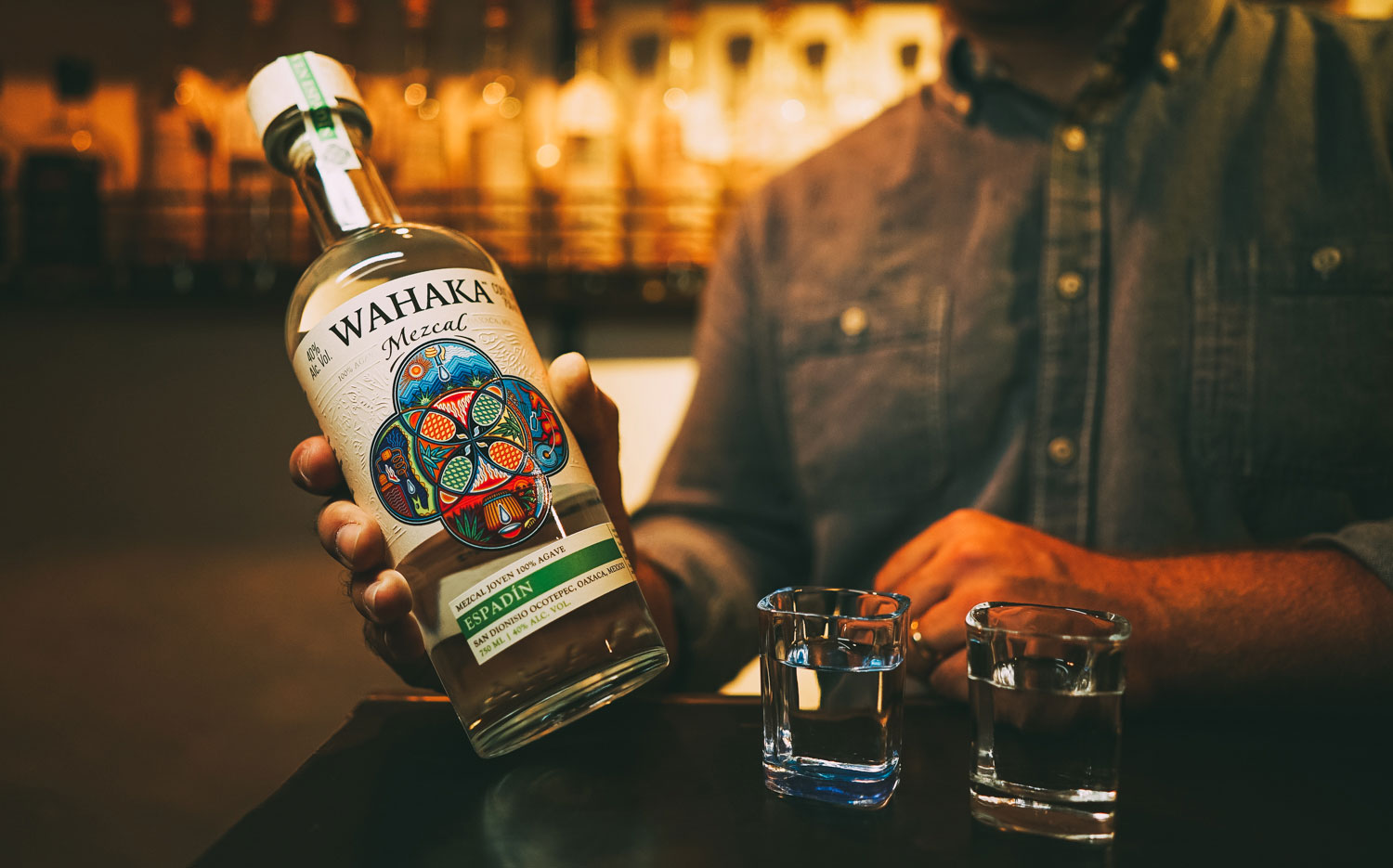
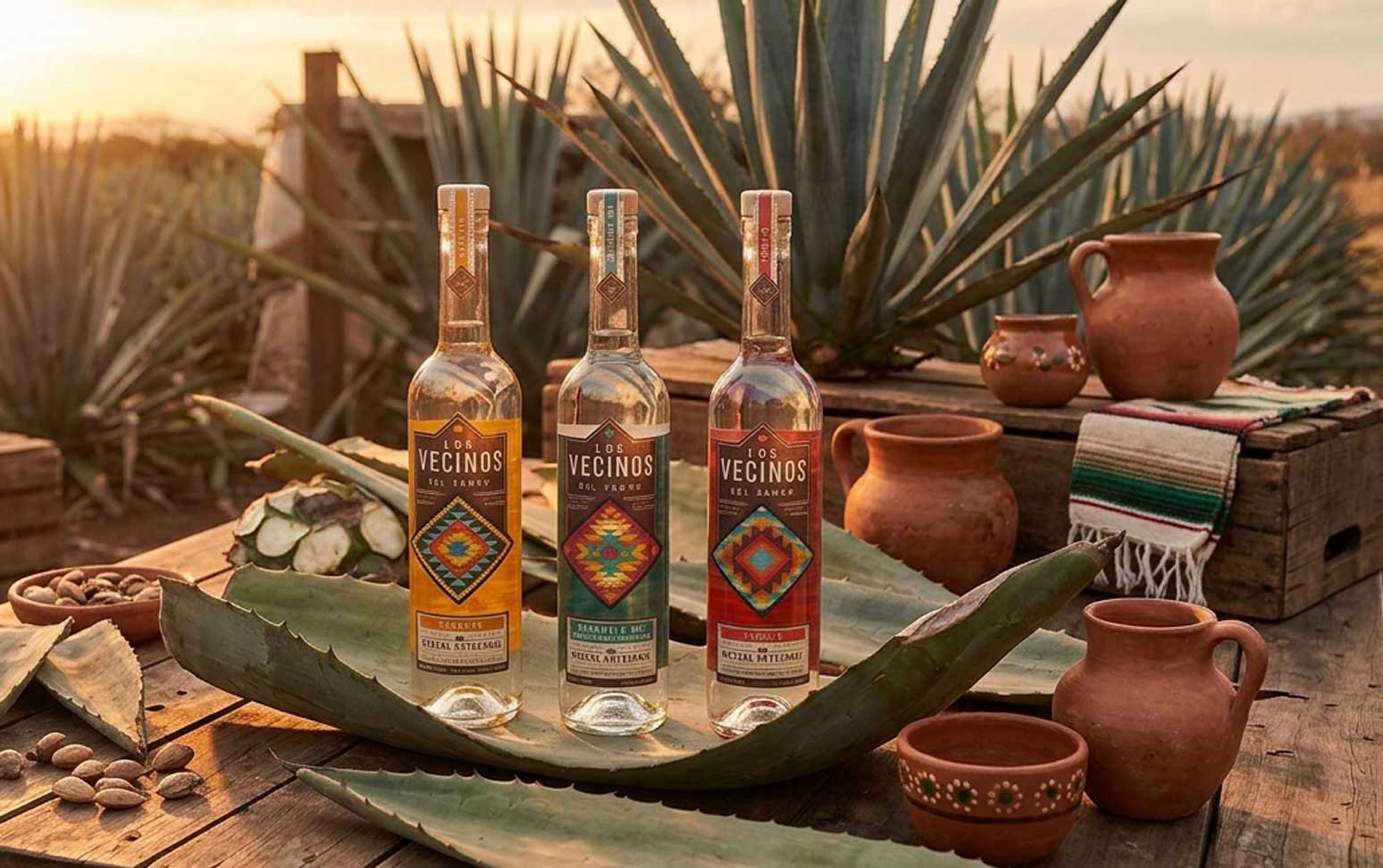
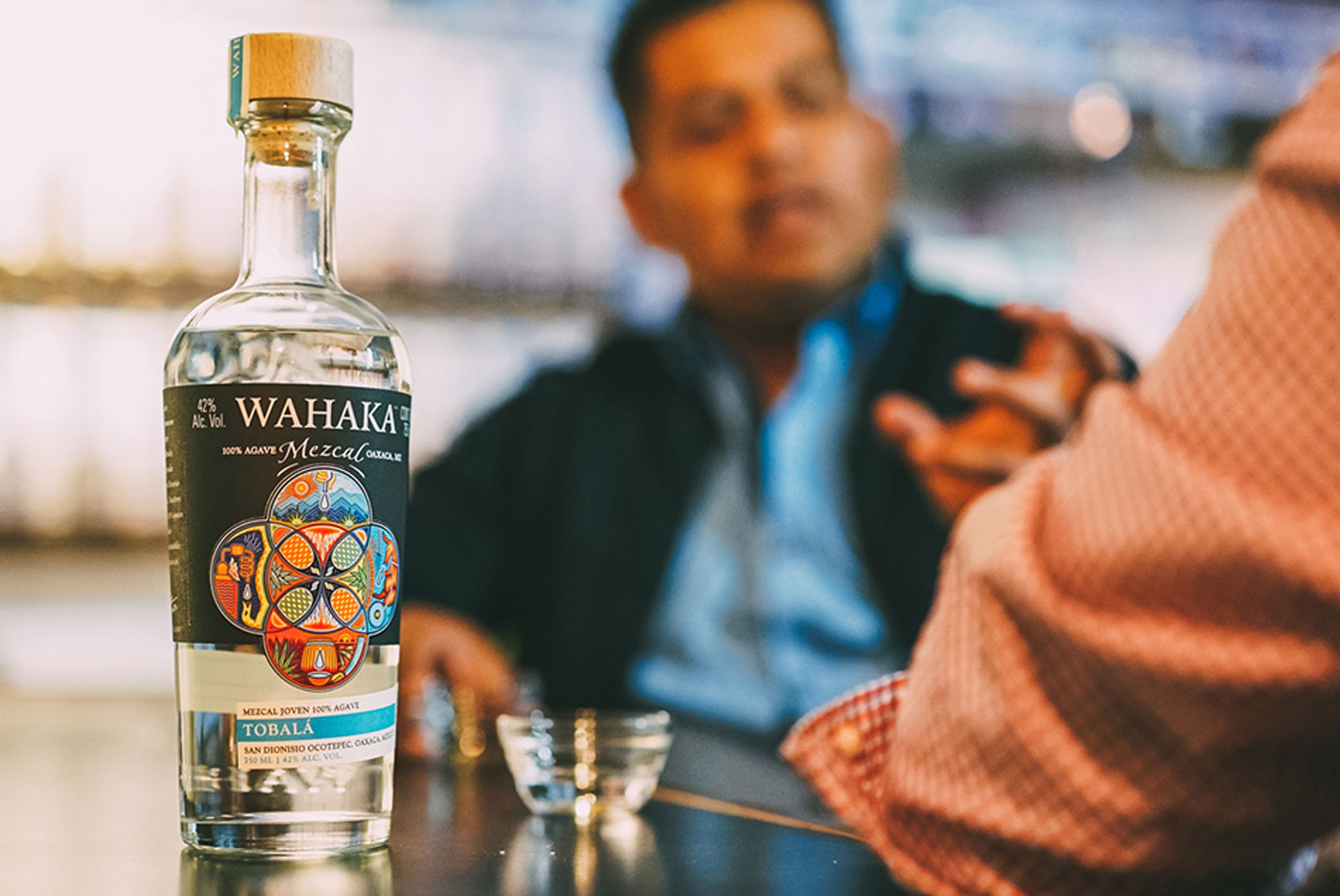
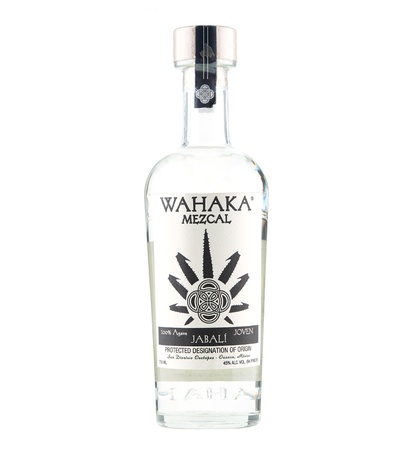
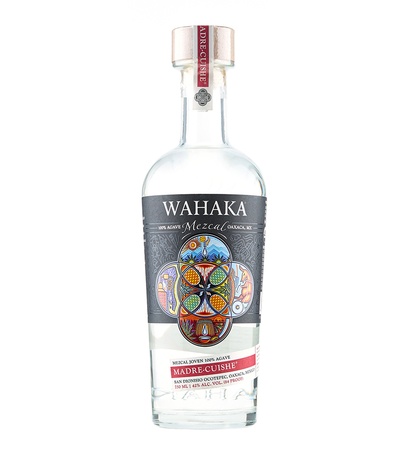
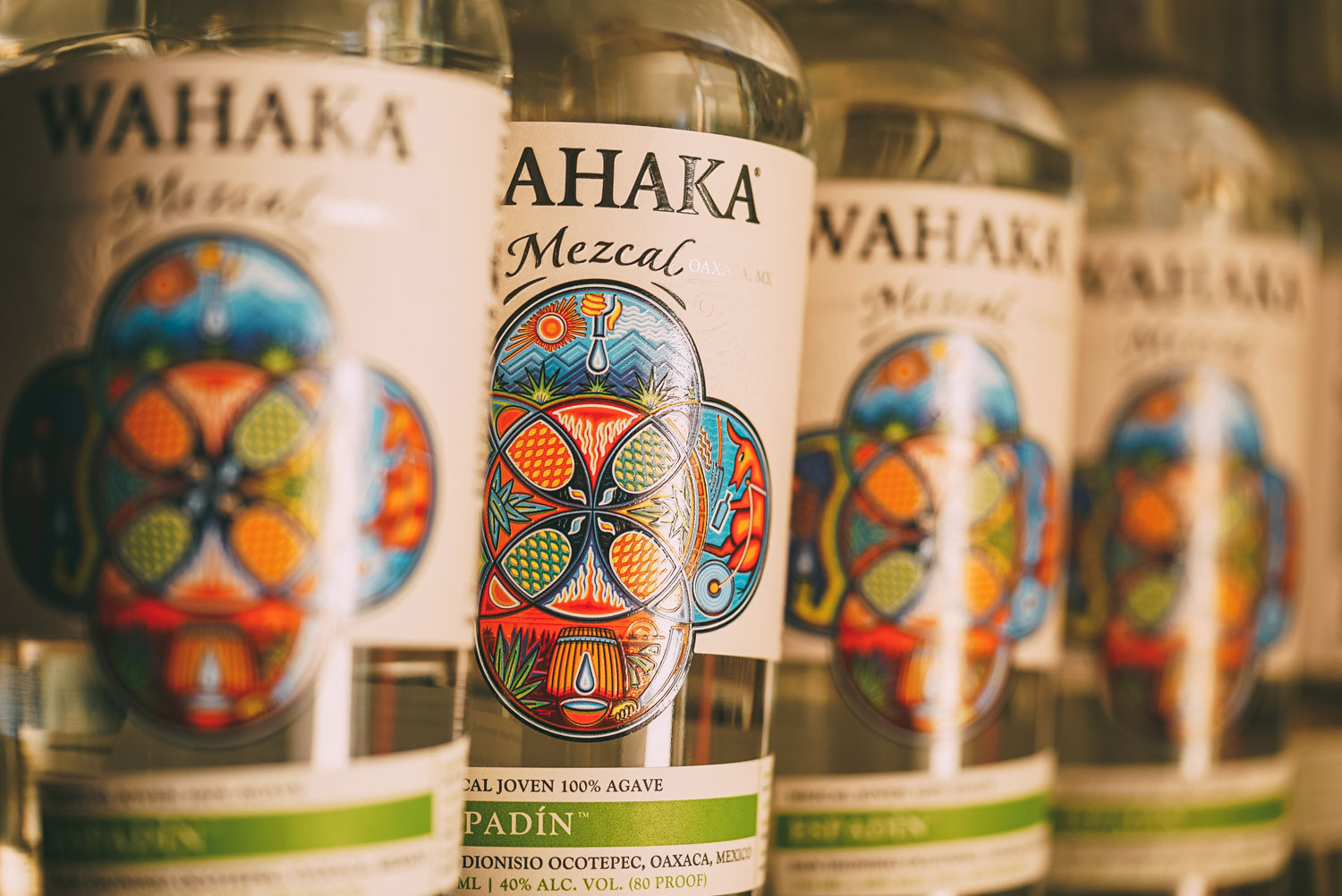
Five bottles are one agave and nothing else, bottled young. Wahaka's Espadín is the entry point, made from estate-farmed agave on fields owned by the brand's own partners, by Alberto 'Beto' Morales in San Dionisio Ocotepec. The Tobalá bottles from Wahaka and Los Vecinos are wild-agave mezcals, and Wahaka's Madre Cuishe and Jabalí complete the five. On UK shelves a single-Espadín 70cl usually costs £40–£60, while Madrecuishe and Tobalá bottlings from other producers cluster between about £75 and £95. The two Tobalás are the best like-for-like comparison on the shelf: one wild agave, two producers. Buy these when you want to taste the agave and nothing else.
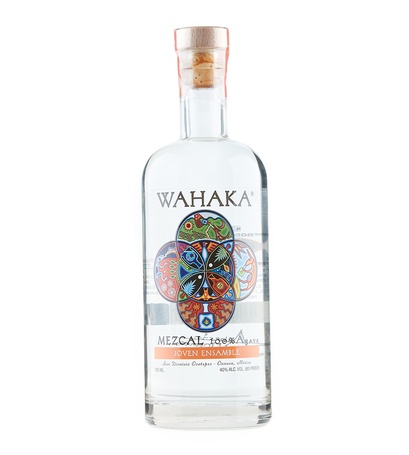
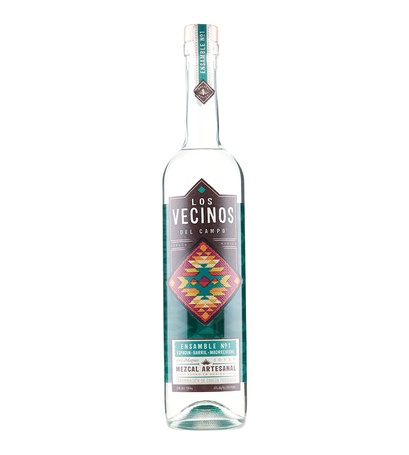
Two bottles on our shelf, both listed as Emble, are blends, which the trade calls ensambles. Wahaka's combines Espadín (50%), Madre Cuishe (25%) and Tobalá (25%), cooked, fermented and distilled together. Los Vecinos' uses Barril, Madrecuixe and Espadín. A blend lets you taste several agaves in one glass without paying for each separately. The two recipes differ, so treat them as two bottles, not one idea at two prices.
Wahaka's Espadín Manzanita, listed on our shelf as 'Manita', is not a straight Espadín. An heirloom apple blend goes into the copper stills during the second distillation, which is the 'destilado con' method. Wahaka's Espadín Botaniko does the same with herbs and botanicals, in the manner of a gin. Traditional pechugas hang raw poultry in the still, but these, made by Morales, are vegan. They are the most distinctive and the least typical bottles here, and a second purchase, not a first.
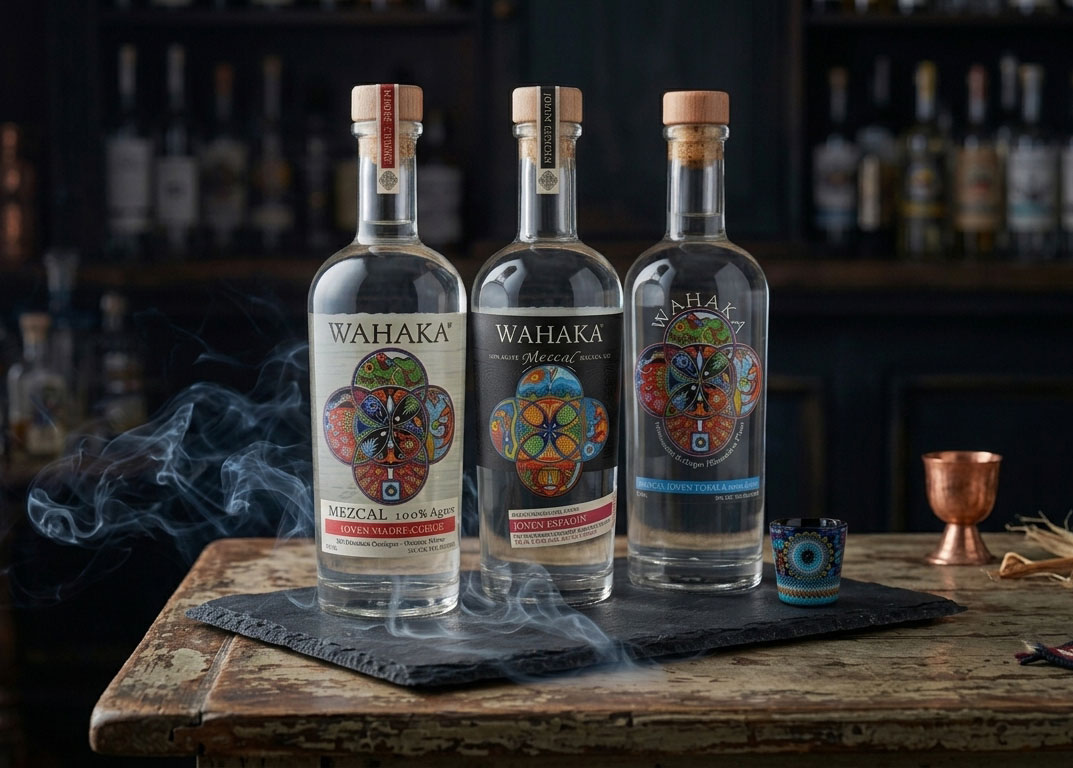
Mezcal worms are insect larvae, and the rules treat them as an 'abocado con' addition. Wahaka's Abocado con Gusano is the one aged mezcal in the brand's range: four to six months in re-charred American oak, with the worms resting in the barrel throughout. Gusano Rojo is the traditional worm bottle, from one of the large, long-established Oaxacan brands. Buy these for the story, not for the agave.
Our product page for Don Ramon Joven names no agave, and retailers disagree: some say 100% Espadín from Oaxaca, others 100% Salmiana from Zacatecas. It is the first mezcal from Casa Don Ramón, a tequila house, launched in late 2020. Until the back label settles it, treat it as an unknown.
Wahaka is a family palenque: Morales's family has made mezcal in San Dionisio Ocotepec for five generations. Los Vecinos del Campo is a different model, a project from the Sazerac Company, owner of Buffalo Trace, with Casa San Matías, using a collective of ten mezcaleros in the Valles Centrales of Oaxaca. Neither is better. They are different answers to who makes the bottle, and worth knowing before you buy.
For a first bottle, Wahaka's Espadín. For mixing, an Espadín or a blend, and our Mezcal Negroni, which names the apple-distilled Manzanita. For sipping, a Tobalá or the Madre Cuishe. For curiosity, a pechuga or the aged worm bottle. And whichever you choose, read the NOM number: two bottles that share one come from the same distillery.