Departments
 Departments

New to Slowsip? Create Account
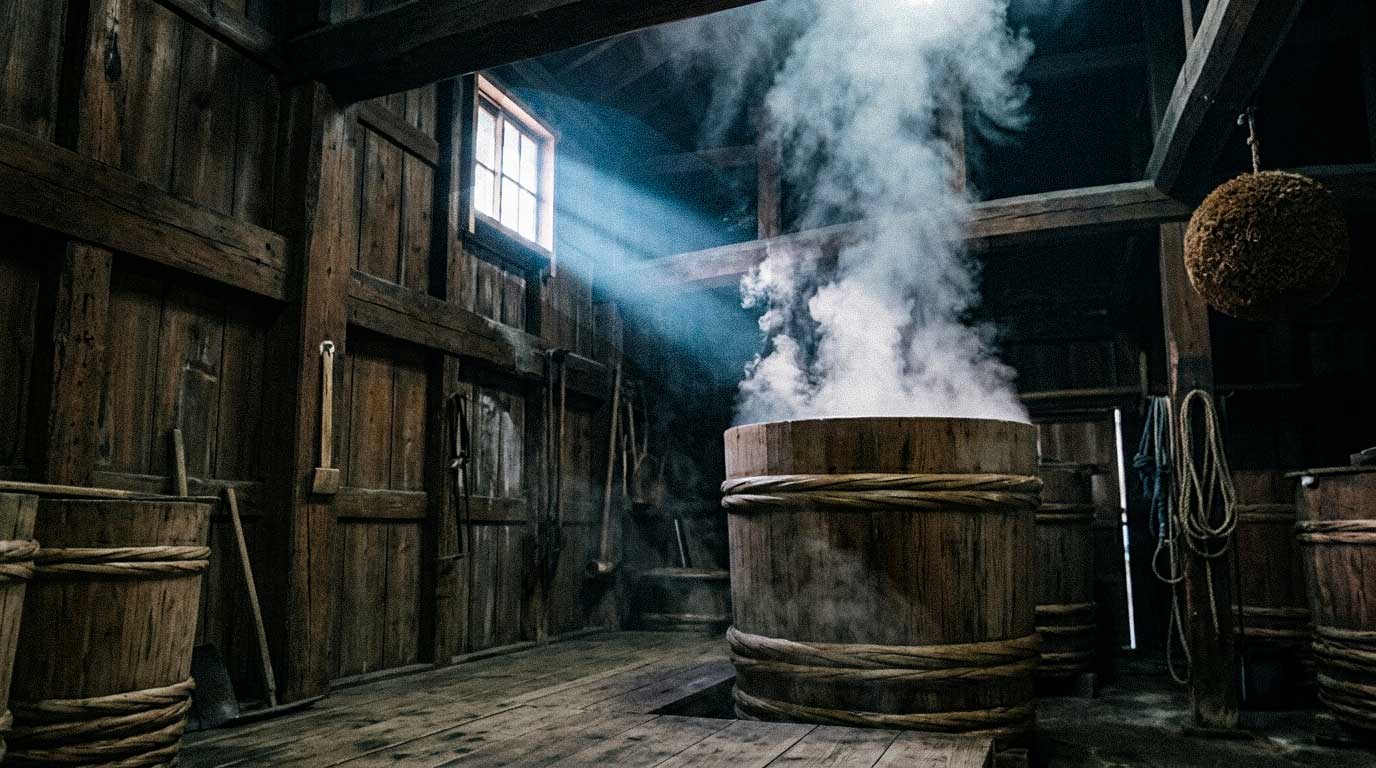
World Sake Day falls on 1 October for a reason that has nothing to do with marketing convenience. The Japan Sake and Shochu Makers Association chose the date because it marks the traditional start of the brewing season — the point in the year when the rice harvest is in, the weather has turned cold enough to brew safely, and breweries across Japan begin the work that will produce the sake released over the following months. It is also, by long-standing convention, the start of the sake industry's own calendar year. Understanding this changes what the date is actually marking: not simply an excuse to drink sake, but a nod to the fact that sake, properly understood, has always been a seasonal product — made in winter, in a rhythm that predates refrigeration and continues largely unchanged because the rhythm itself produces better sake.
Two earlier pieces on this site have covered sake's classification system and the case for taking the category seriously. Neither touched on how sake is actually made, season by season, or on the people whose judgement — adjusted fresh each year, batch by batch — determines what ends up in the bottle. That is the gap worth closing, and it starts with a job title that has no real equivalent in Western drinks production.
The toji is the master brewer with final responsibility for everything that happens inside a sake brewery — rice selection, fermentation temperature, the judgement calls that separate a good batch from an exceptional one. The role has historical roots in Japan's agricultural calendar that most drinkers outside Japan never learn: toji were traditionally rice farmers and fishermen who had no work once their own harvest was in, and who travelled to breweries each winter to earn a second income doing exactly the kind of exacting, patient work their farming background had prepared them for. They brought their own teams, known as kurabito, and lived at the brewery for the entire season, sometimes months away from home.
Different regions of Japan developed their own toji guilds, each with distinct brewing philosophies passed down within the guild rather than published or formalised — the Nanbu, Echigo, and Tanba guilds are among the most influential, and a sake's regional character has traditionally owed as much to which guild trained its toji as to the water or rice used. This apprenticeship tradition is fading as more breweries move to year-round, in-house brewing staff rather than seasonal migrant guilds, but the title and the authority it carries have not changed: a toji's judgement, exercised fresh each October as a new rice harvest arrives with its own moisture content and character, is still what the Japan Sake and Shochu Makers Association and brewers themselves describe as the decisive factor in a sake's quality — more than the rice variety, more than the water source.
The timing is not sentimental. Rice intended for sake brewing — a distinct category from table rice, bred specifically for brewing characteristics rather than eating quality — is harvested in autumn, and brewing with freshly harvested rice produces measurably better results than brewing with rice that has been stored for months. Cold weather also matters practically: traditional sake fermentation is a slow, cool process, and Japan's winter temperatures allow breweries to control fermentation without the mechanical refrigeration that modern technology has made optional but that tradition still favours. The brewing season generally runs from October through to around March, after which the heat of a Japanese spring and summer makes the traditional process more difficult to manage well.
Every new season begins with an adjustment that has no real parallel in Scotch or Bourbon production, where the base ingredient varies little from one year to the next. A toji opening this year's rice has to assess its specific moisture content and hardness — qualities that shift with the growing conditions of that particular harvest — and adjust soaking and steaming times accordingly before fermentation even begins. Sake aims for year-on-year consistency in the way beer does, and achieving that consistency with a natural, variable raw material is the toji's first and most technical task of the new season.
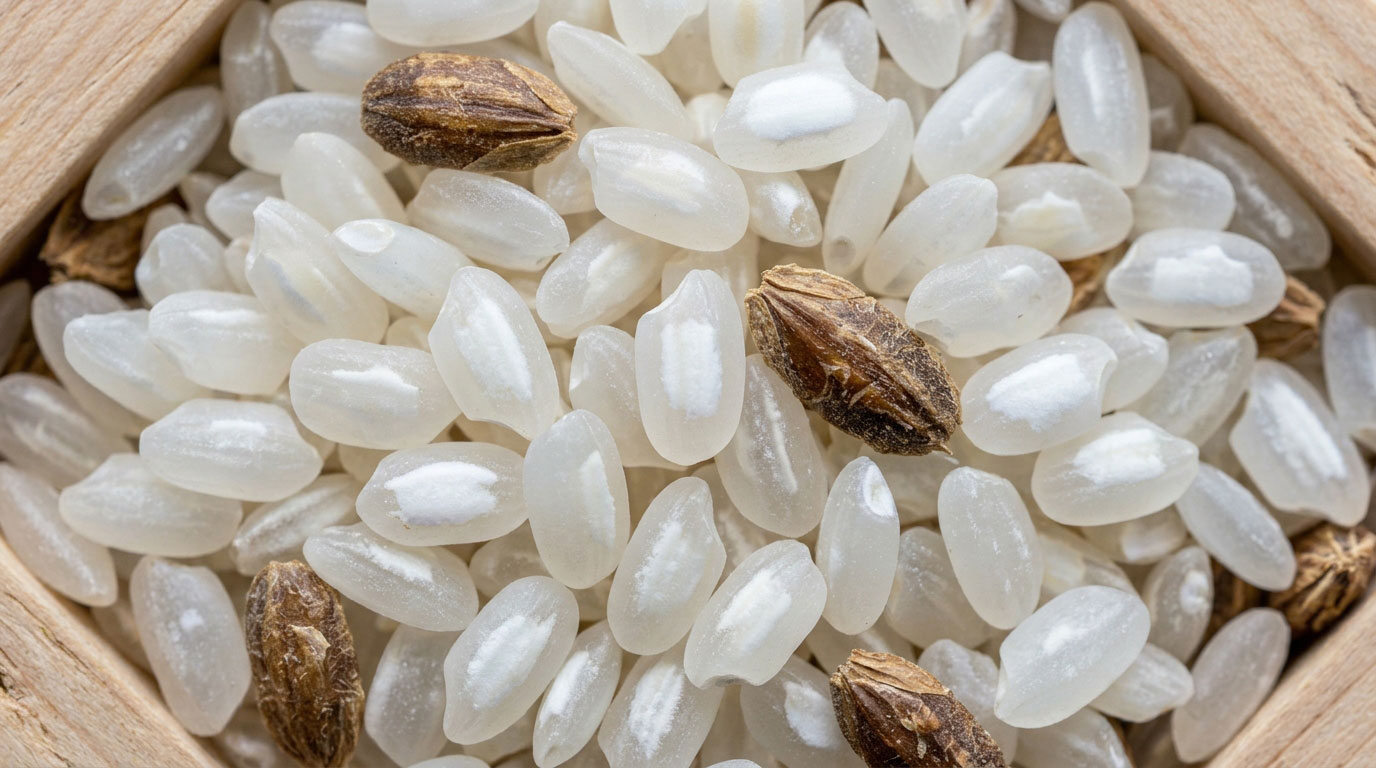
Sake rice is not the rice found on a dinner table. Brewing varieties are bred specifically for a large, soft starch centre (the shinpaku) that polishes and dissolves predictably during fermentation, and for low protein and fat content in the outer grain — the same qualities the classification system covered in an earlier piece on this site depends on when it talks about polishing ratios. Two varieties dominate the conversation, and they represent genuinely different approaches to what makes good sake rice.
Yamada Nishiki, developed in Hyogo Prefecture in 1936 by cross-breeding two earlier strains, is universally regarded as the finest sake rice grown in Japan — the variety most commonly used in the country's top sake competitions, and the rice behind many of the most celebrated premium expressions, including much of what the Dassai range is built on. It is prized for producing sake of pronounced aromatics and a refined, billowing flavour profile, and for being relatively forgiving to work with despite the extreme polishing premium sake demands of it.
Gohyakumangoku tells a different story. Synonymous with Niigata Prefecture — the region covered in an earlier piece on this site through the Kubota range — it is an early-harvesting variety that produces the clean, light, dry tanrei-karakuchi style the region is known for. Where Yamada Nishiki leans toward aromatic richness, Gohyakumangoku leans toward restraint and precision, and the two varieties between them explain a great deal about why Dassai's Yamaguchi-based expressions and Kubota's Niigata-based expressions taste so different despite both operating at the Junmai Daiginjo level. The rice is doing real work before the toji's skill is even applied to it.
Dassai 23's extraordinary delicacy begins with Yamada Nishiki rice polished to 23% of its original size — among the most extreme polishing ratios used anywhere in commercial sake production. The October harvest that produces the rice for any given year's Dassai 23 has already been through a toji's full seasonal assessment by the time the sake reaches this level of refinement. At £60 it remains the clearest demonstration in the SlowSip catalogue of what the combination of premium rice and extreme polishing can achieve.
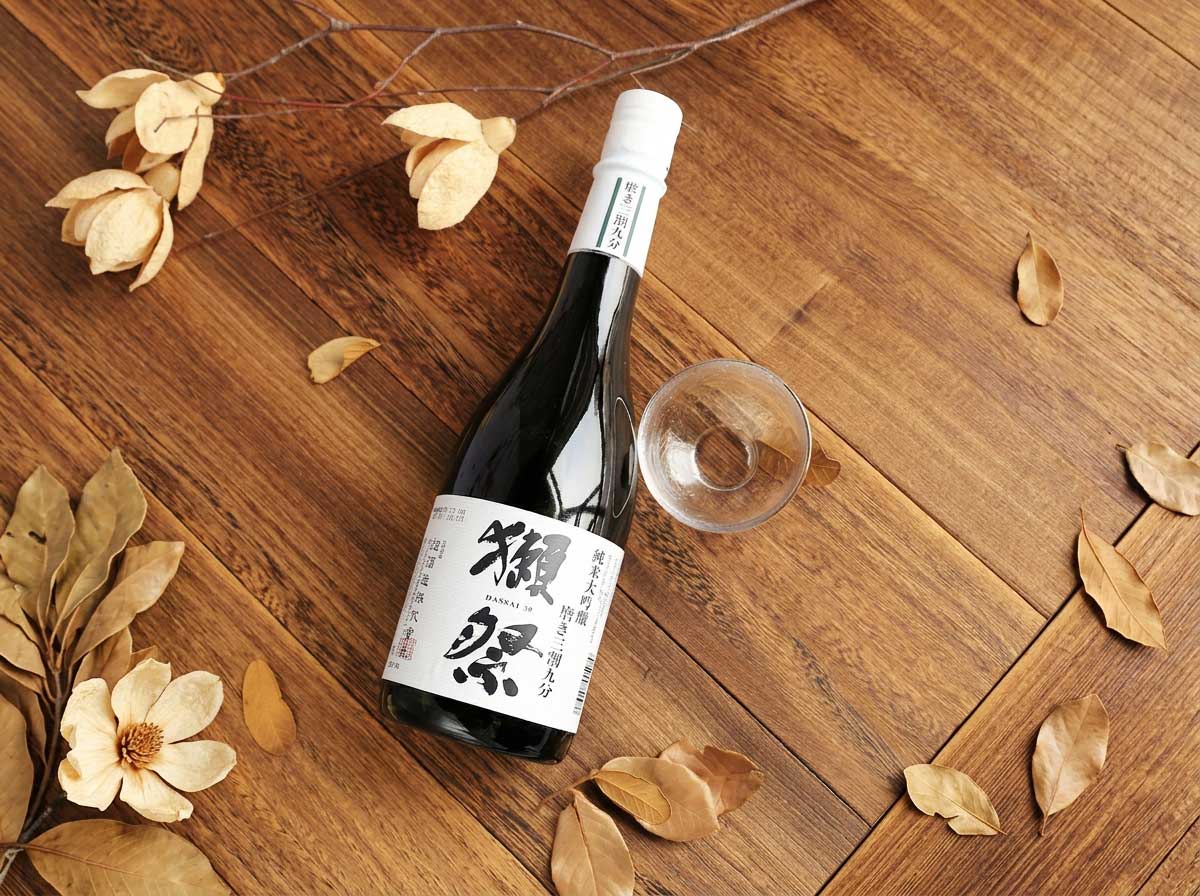
Dassai 39, polished to 39%, uses the same Yamada Nishiki base as the 23 but retains more of the grain's outer layers, producing a sake with more body and a more pronounced fruit character. At £45 for the 72cl format it is the clearer demonstration of what Yamada Nishiki tastes like before the most extreme polishing strips away the layers that give a sake richness — a useful comparison bottle alongside the 23 for anyone who wants to taste the polishing ratio's effect directly.
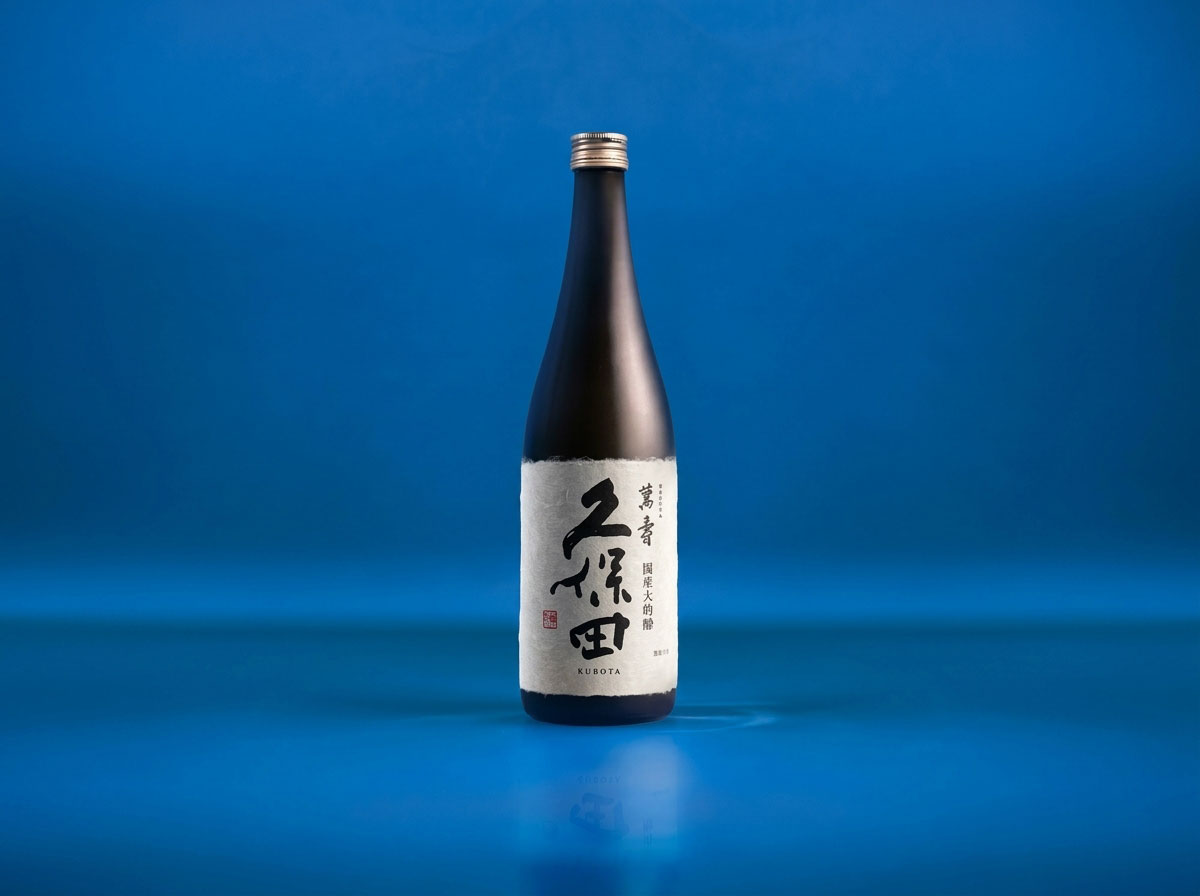
Kubota Manju draws on Niigata's Gohyakumangoku tradition and the tanrei-karakuchi style the prefecture is known for — clean, precise, and restrained in exactly the way Dassai's Yamaguchi sakes are expressive and aromatic. At £75 it is the clearest illustration in this piece of how much of a sake's character is set by its rice and regional brewing tradition before the classification grade — Junmai Daiginjo, in both cases — tells you anything about how the two sakes will actually taste.
At £28, Tyku Black Super Premium remains the most accessible entry to Junmai Daiginjo grade in the catalogue — the top classification tier, achieved here at a price well below what the grade typically commands. The sake rice behind it is less publicly documented than Dassai's or Kubota's, but the result is a clean, mildly sweet, cold-serving sake that demonstrates premium classification does not require premium pricing.
Hakutsuru, founded in 1743 in Nada, Hyogo Prefecture — the same prefecture that produced Yamada Nishiki two centuries later — represents the other end of the price spectrum: an honest, reliable Junmai sake at £13 that delivers the category's essential character without the complexity or expense of the premium expressions above. A sensible bottle for anyone marking World Sake Day who wants to understand the baseline before exploring further.
World Sake Day works as a marketing moment, but its real value is the reminder underneath it: that sake is an agricultural product with a harvest, a season, and a group of specialists whose judgement is exercised fresh every year rather than inherited from a fixed recipe. The toji tradition — farmers and fishermen travelling to breweries each winter, guilds passing down brewing philosophy without a written manual, a master brewer adjusting decades of accumulated instinct to whatever that year's rice happens to be — has no real equivalent in the production of Scotch, Bourbon, or wine, where either the raw material varies less from year to year or the production process is less dependent on a single individual's seasonal judgement. Understanding that is understanding why a bottle of sake, more than most drinks on the SlowSip shelf, is the product of a specific October.