Departments
 Departments

New to Slowsip? Create Account
There is a widely held and largely unexamined assumption that white wine belongs to summer and red wine takes over once the evenings draw in. It is not an unreasonable assumption — chilled, crisp, high-acid whites like Sauvignon Blanc and Pinot Grigio genuinely do suit warm weather, and a big, tannic red genuinely does suit a cold night by the fire. But the assumption collapses the moment you consider the whites that don't fit either description: the richer, rounder, more textured white wines of Burgundy and Alsace, which have spent centuries being drunk precisely as the temperature drops rather than despite it.
These are not the bright, zesty, drink-on-the-terrace whites of summer. They are wines built with weight, texture, and often a touch of oak influence — qualities that make them genuinely well-suited to autumn's slower pace, its heartier food, and its longer evenings. Understanding this distinction is worth more to a serious drinker than the blanket rule about colour and season that most casual wine advice repeats without examining.
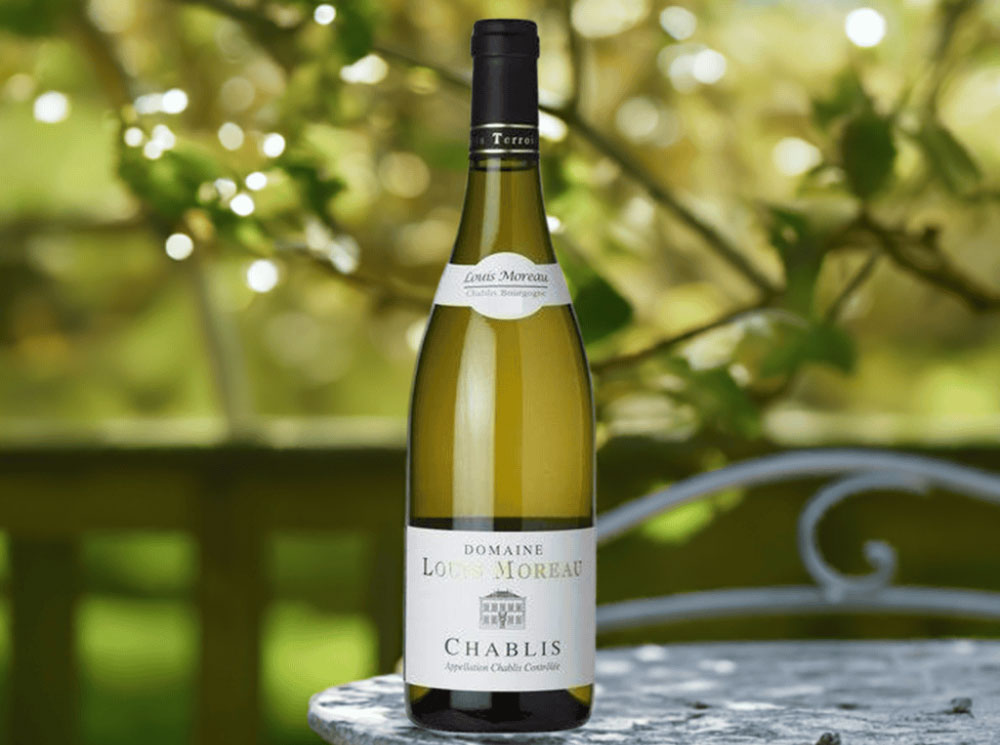
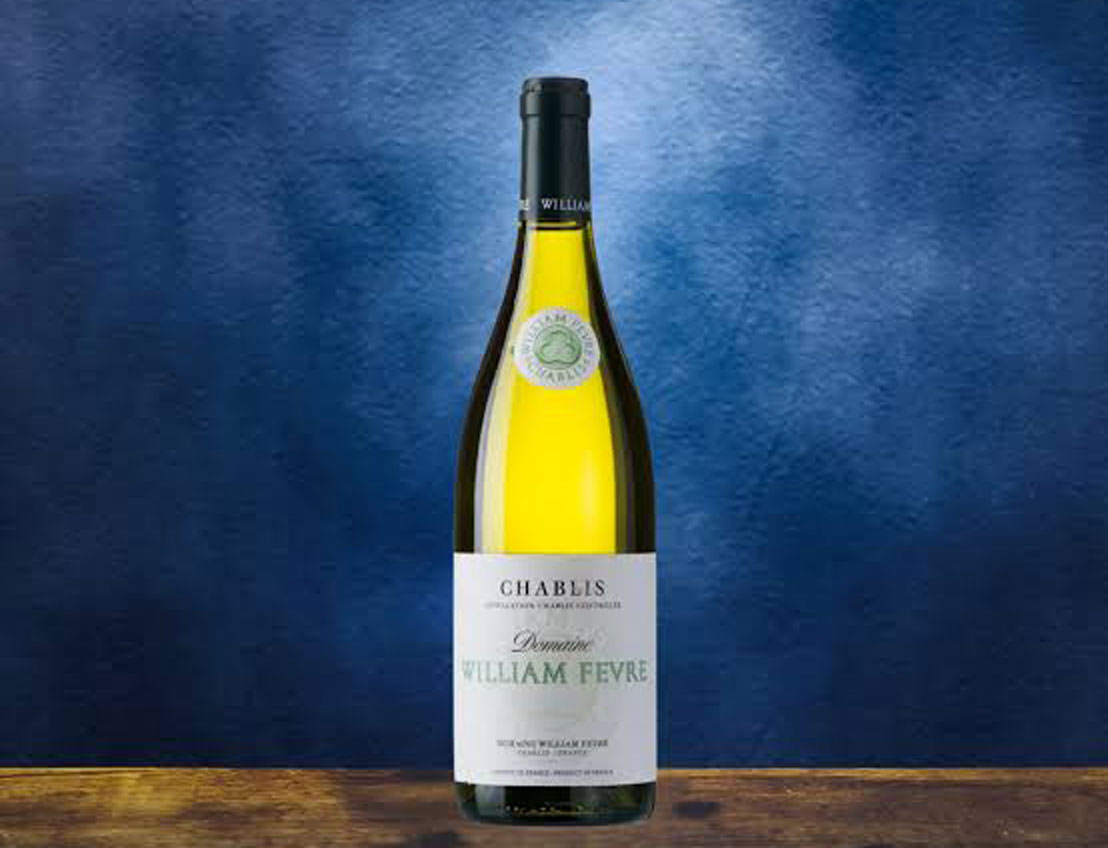
Chablis occupies a curious position in the white Burgundy conversation: it is made from the same Chardonnay grape as the richer, often oak-aged white Burgundies further south, but the region's cool climate and distinctive Kimmeridgian limestone soil — the same soil, famously, that runs beneath the English Channel and reappears in the White Cliffs of Dover — produce a wine of striking minerality and restraint rather than the buttery richness Chardonnay can carry elsewhere. Little to no oak is used in traditional Chablis production, which means the wine expresses its terroir with unusual clarity: green apple, wet stone, a saline edge that has led generations of tasting notes to describe it, not entirely metaphorically, as tasting of the sea.
This clean, mineral-driven style makes Chablis one of the more versatile whites on the autumn table — precise enough to work with delicate seafood in the way a summer white would, but with enough structure and acidity to stand up to richer dishes as the season's cooking gets heartier. The classification system runs from straightforward Petit Chablis through Chablis and Premier Cru up to Grand Cru, with each tier reflecting specific vineyard sites and correspondingly greater concentration.
Petit Chablis is the appellation's entry point, sourced from vineyards just outside the boundaries of the main Chablis AOC, and Louis Moreau's expression is a reliable and honest example of the style: crisp green apple and citrus, a clean mineral finish, without the complexity of the higher classifications but at a price that makes it a sensible everyday autumn white.
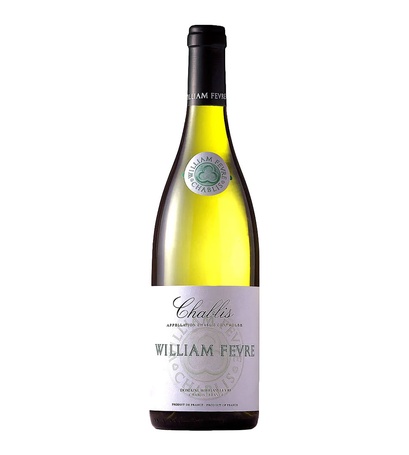
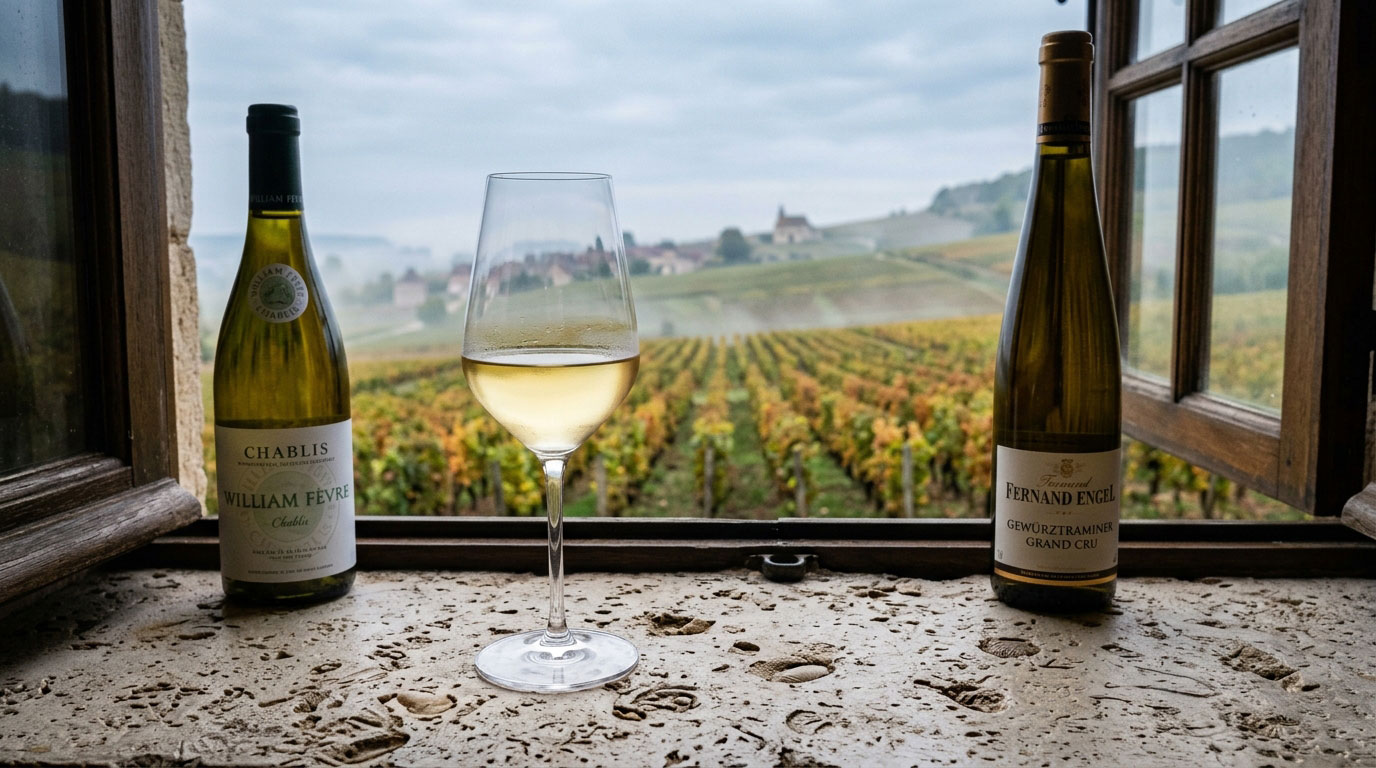
William Fèvre is one of the most respected names in Chablis, and the straightforward Chablis AOC bottling (as distinct from the estate's celebrated Grand Cru holdings) is a genuinely excellent demonstration of the appellation's character at an accessible level: more concentration and length than Petit Chablis, the characteristic wet-stone minerality fully present, still bright enough for early-autumn seafood while carrying enough weight for richer dishes later in the season.
Fourchaume is one of Chablis's most celebrated Premier Cru vineyards, and Louis Jadot's expression shows what the classification step up delivers: greater concentration, a more pronounced minerality, and a longer finish than the village-level wines. This is Chablis built for a proper autumn dinner rather than a quick glass — poultry, richer fish preparations, or mushroom dishes where the wine's structure has something to hold onto.
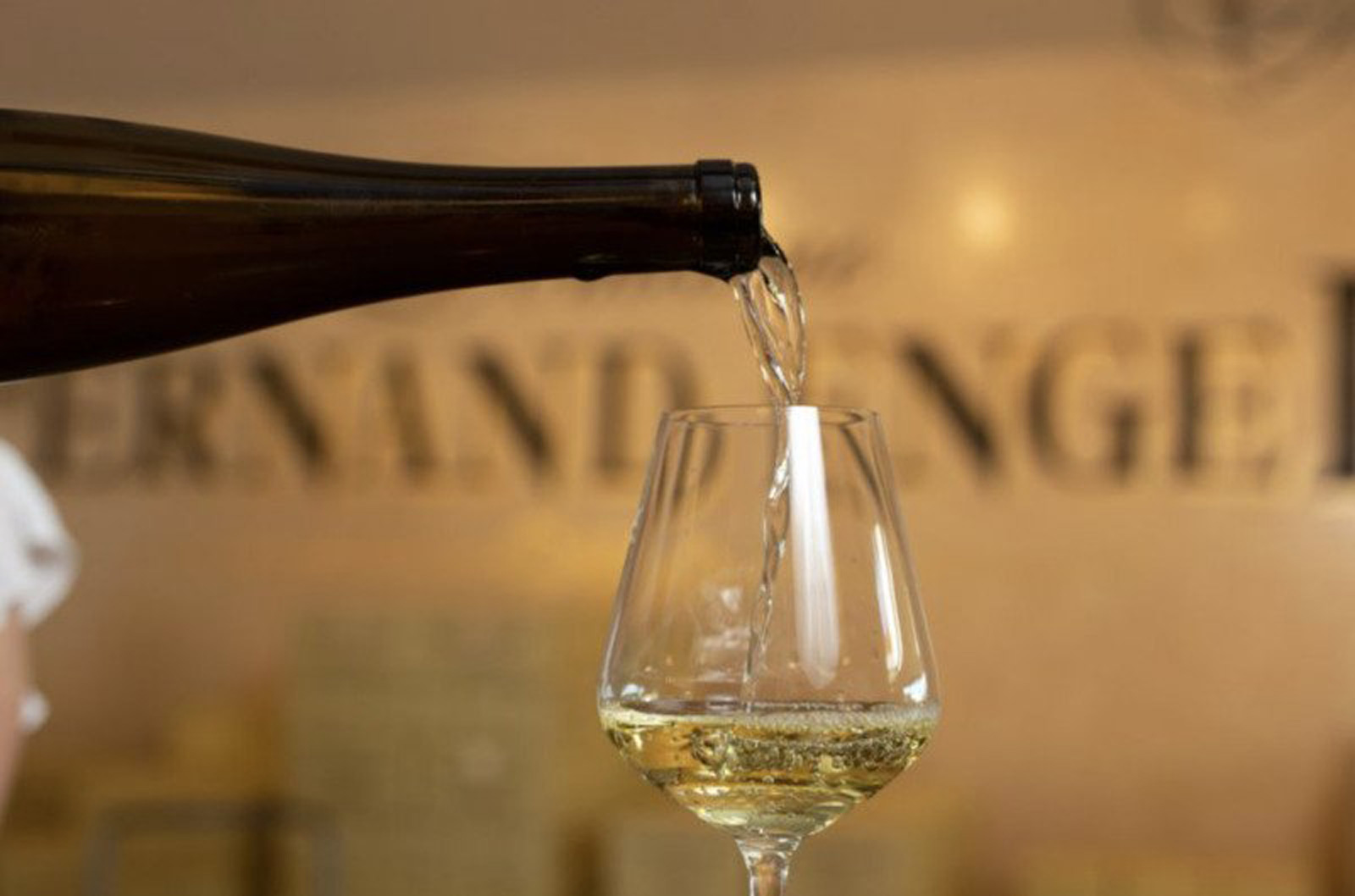
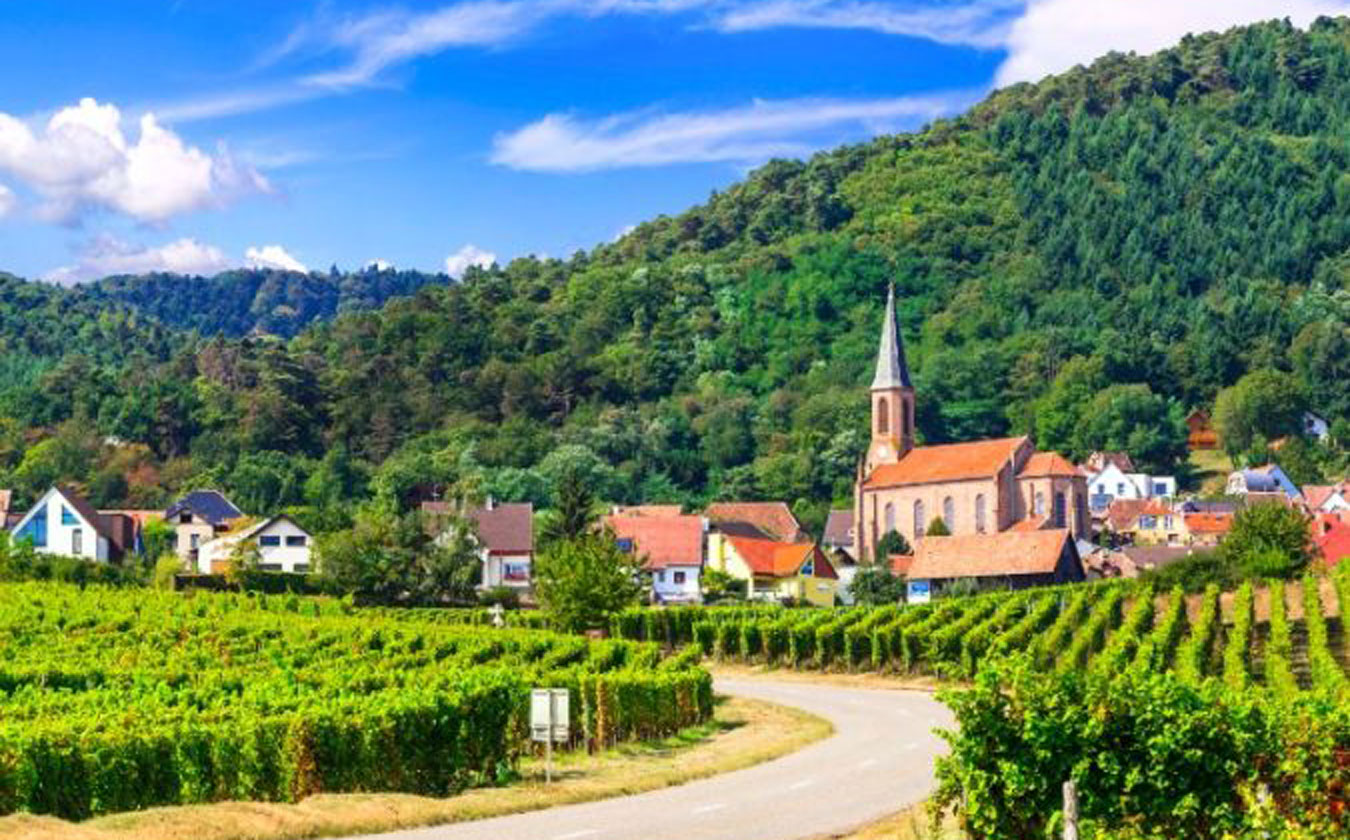
If Burgundy makes the case for autumn white wine through a handful of specific, well-chosen bottles, Alsace makes the case through the entire identity of the region. Nestled between the Vosges Mountains and the Rhine, Alsace produces wine that is roughly 90% white, and its labelling convention — unique among French wine regions — names the grape variety directly on the bottle rather than relying solely on village or vineyard designation, which makes the region considerably more approachable for anyone still building confidence with wine labels.
Riesling is Alsace's most celebrated variety, producing wines of high acidity and often a distinctive petrol-like aromatic note that develops with age, alongside citrus and stone fruit. Pinot Gris, in the Alsace style, is a fuller, richer wine than its Italian Pinot Grigio cousin — genuinely different despite sharing a grape, with enough body to replace red wine at the table for many dishes. Gewürztraminer is the region's most distinctive contribution: intensely aromatic, spicy, floral, occasionally verging on sweet even when technically dry, and unlike anything else in French wine.
Fernand Engel is a well-regarded biodynamic producer in Alsace, and the Grand Cru Riesling represents the top tier of what the appellation is capable of: precise, high-acid, with the citrus and stone fruit character riesling is prized for, and enough structure to develop further in bottle. A serious autumn white for drinkers who want Alsace's classification system explained through the glass rather than the label.
Gewürztraminer at the Grand Cru level is Alsace at its most distinctive and, for drinkers encountering it properly for the first time, genuinely startling: lychee, rose petal, warm spice, an oiliness in texture that no other white grape quite replicates. It is a wine that divides opinion more than most, and one worth trying specifically because of that — few whites make as clear an argument for themselves in a single glass.
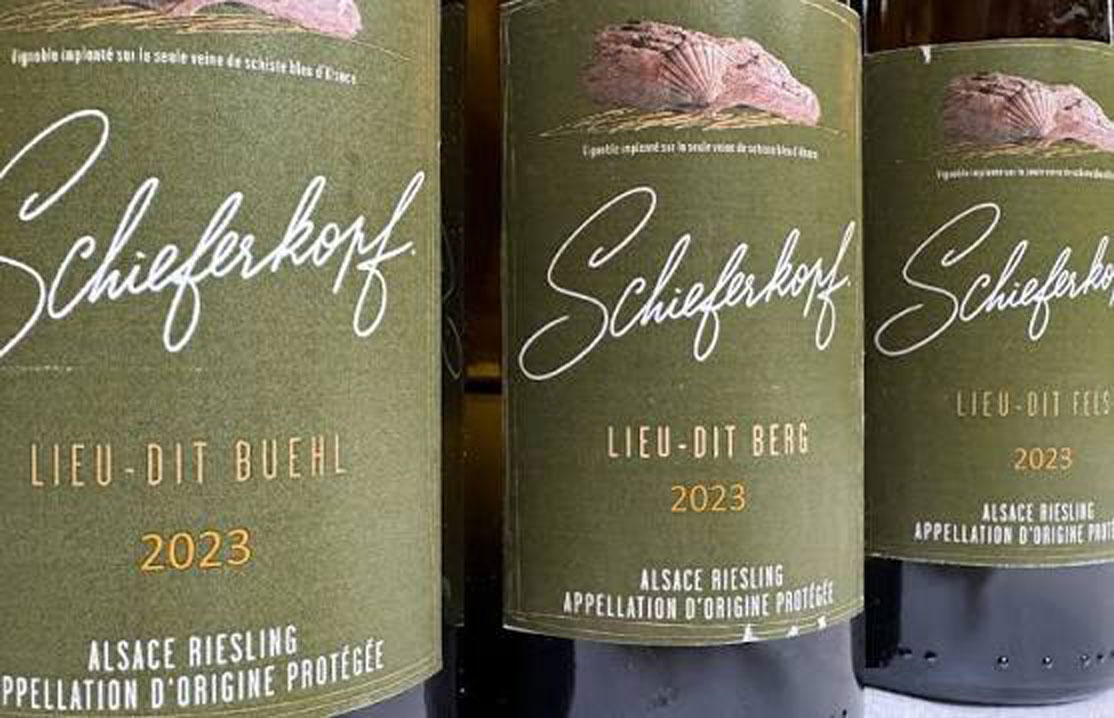
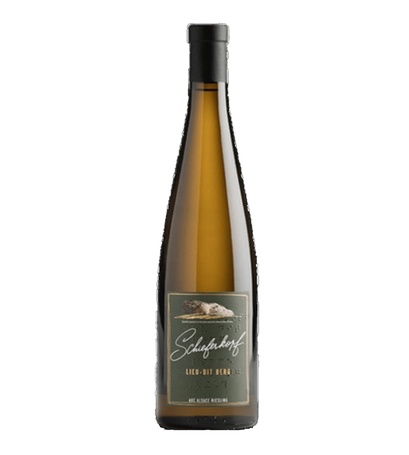
A single-vineyard Riesling from a smaller, more specialist Alsace producer, the Scheiferkopf 'Berg' bottling shows what a decade of bottle age does to the variety: the citrus brightness of youth giving way to the honeyed, slightly petrol-tinged complexity that serious Riesling collectors specifically seek out. At £22 it offers a genuine glimpse of aged Alsace character at a price well below what equivalent age in Burgundy would command.
Viognier doesn't belong to either Burgundy or Alsace — its spiritual home is the northern Rhône, in the tiny appellation of Condrieu — but it belongs in this conversation because it shares the essential quality that makes Burgundy and Alsace's best whites work in autumn: real body, real texture, and a floral, stone-fruit intensity that gives it enough presence to stand up to heartier food than a typical summer white would attempt.
Hans Herzog, working in New Zealand's Marlborough region with an unusually broad and ambitious range of European varieties, produces a Viognier of genuine richness and perfume — apricot, honeysuckle, a textured, almost oily mouthfeel that mirrors the grape's Rhône origins despite the different hemisphere. At £40 it is a premium example of a variety that rewards seeking out specifically for the qualities that make it an autumn wine rather than a summer one.
The rule that white wine stops and red wine starts when the clocks change is not a rule at all — it is a habit, formed by the ubiquity of light, chilled, high-acid summer whites and the assumption that all white wine shares their character. Chablis's mineral precision, the fuller Mâcon and Rully styles from further south in Burgundy, Alsace's aromatic and full-bodied Riesling and Gewürztraminer, and a well-chosen Viognier from beyond either region all make a different and better argument: that white wine's place at the table is a question of style and weight, not a question of season. As the evenings draw in and the cooking gets heartier, these are the bottles that belong on it.