Departments
 Departments

New to Slowsip? Create Account
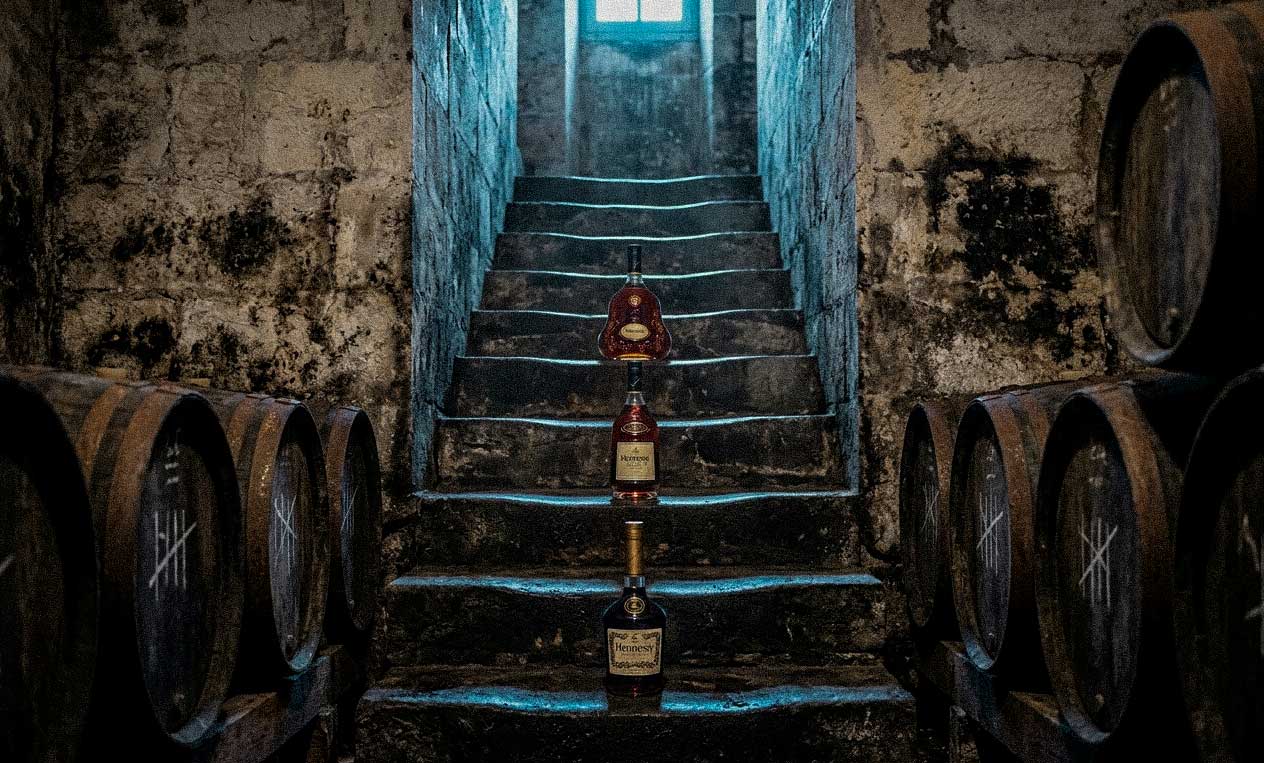
The letters on a cognac label are the most misunderstood part of the bottle. They are not a quality ranking and they are not marketing. They are a legal floor: each grade states the minimum age of the youngest eau-de-vie in the blend.
That last phrase carries the whole system. A VSOP may contain spirit far older than four years, but nothing younger. An XO must hold nothing under ten, a minimum raised from six in 2018. The label tells you the least a bottle can be, never the most. The house philosophies are covered in our guide to the four great houses, so this is about the rungs themselves, and what each one costs.
Youngest eau-de-vie at least two years. Bright, fruity and a little fiery. Built for mixing.
At least four years. Rounder, with oak and vanilla coming through. The first rung worth sipping.
At least six years, for blends that fall short of XO. The overlooked middle.
At least ten years. The point where long ageing starts to show in the glass.

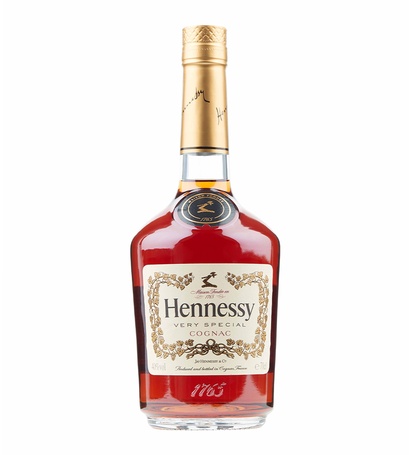
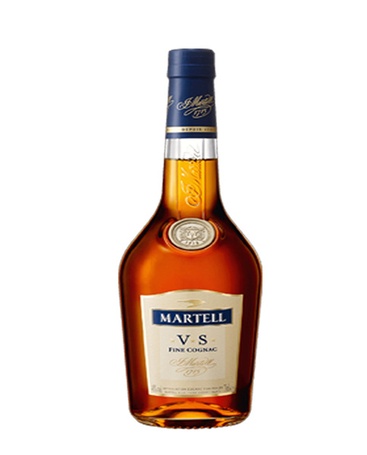
A VS is asked to do a job, not to impress. It goes into a Sidecar or a long drink with ginger ale, where its youth is the point and any subtlety would be buried under the other ingredients. There is no reason for it to cost much.
The benchmark cocktail cognac and the cheapest way in. At around £40, the right bottle for mixing and the wrong one for a considered glass.
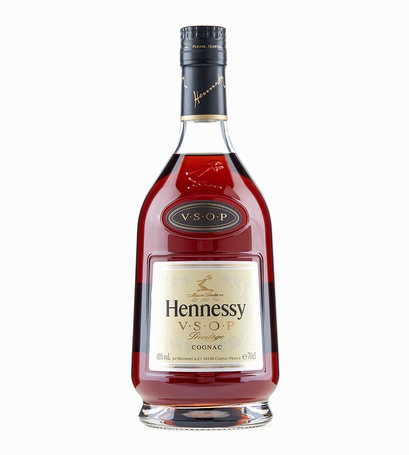
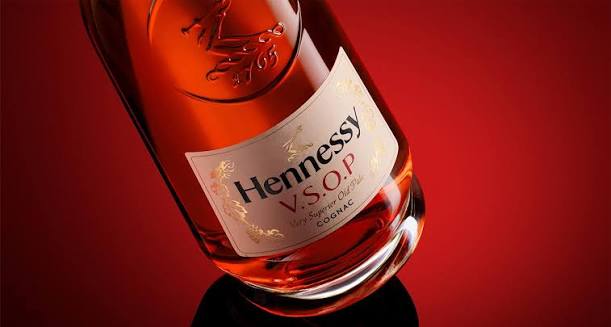
This is where the money works hardest. In Hennessy's range the step from VS to VSOP costs about £15 and doubles the legal minimum age, from two years to four. Houses routinely blend well above the floor, so a VSOP is usually older than its label requires. It is the first grade built to be sipped, and the safest gift in the category.


Oak, vanilla and fruit with a little spice, at around £55. The bottle to give when you are not sure what the recipient likes.
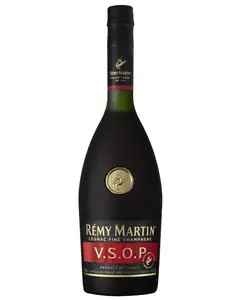
The other benchmark at this level, at around £50. Taste it beside the Hennessy and two house styles become clear.
Napoléon is the official name for the space between VSOP and XO: a minimum of six years, for blends that do not reach XO. Few drinkers ever ask for one, which is a pity, because it is the grade that makes the ladder legible. Rémy Martin's 1738 Accord Royal occupies the same territory in that house's range, richer and creamier than its VSOP and well short of its XO price.

Richer and creamier than the house VSOP, at around £58. A good answer to the question of whether there is anything between the two.
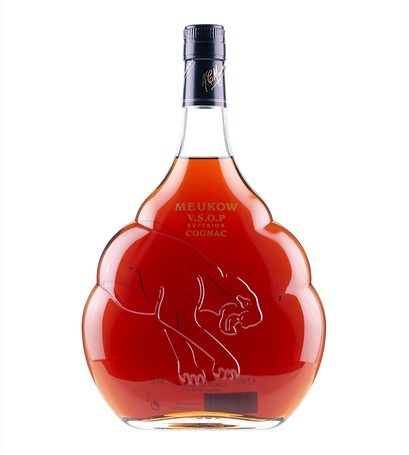
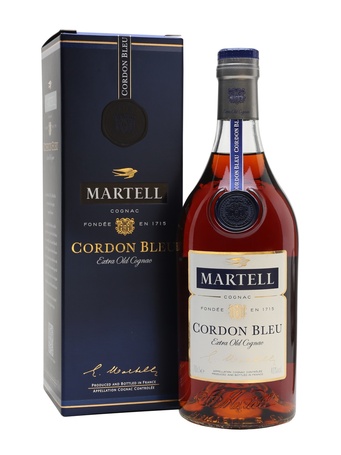
A stated six-year minimum from a family-owned house, at around £55: the same money as a Hennessy VSOP, with a legal floor two years older. A floor is not an average, so taste the two side by side.


In Hennessy's range, XO costs roughly three times the VSOP, at around £160 against £55. That is the steepest step on the ladder, and it is worth knowing what it pays for.
Time, first. Cognac held in oak loses roughly 2 to 3 per cent of its volume a year to evaporation, so after a decade a fifth or more of the liquid has gone before anyone buys it. Reserves, second: blending an XO needs a stock of old eaux-de-vie that cannot be conjured, only laid down years in advance. And rancio, third. After about ten to fifteen years, ageing begins to produce notes of mushroom, leather and walnut that younger cognac does not have. That is the real difference, and it is complexity, not strength. XO does not hit harder, it says more.
What it does not buy is a better mixer. In a cocktail an XO is money spent on something the other ingredients will cover. If you sip, the premium is the rancio. If you do not, the VSOP is the better purchase.
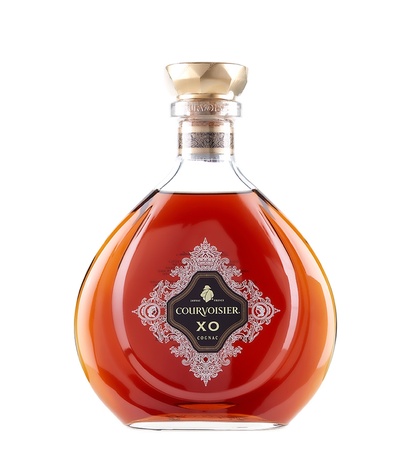
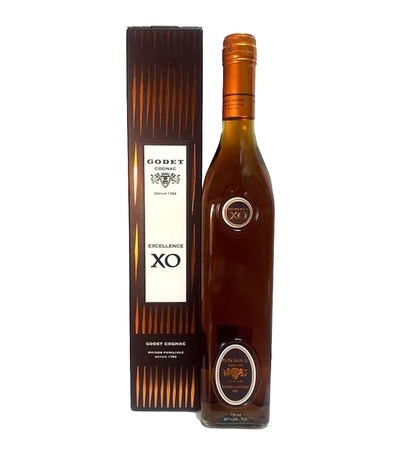
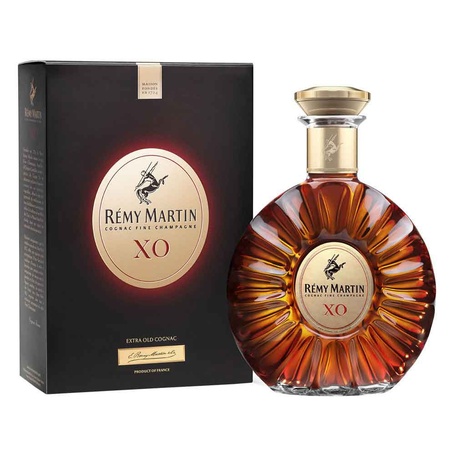
Rich, spiced and long, at around £160. The reference point for the grade.
The Fine Champagne alternative at around £150, and a useful comparison for anyone deciding which house's XO suits them.
For mixing, a VS. For giving, and for most evenings, a VSOP. For a deliberate glass at the end of a meal, an XO, but only if you like what long ageing tastes like. The middle rung is for the curious. Beyond XO the ladder keeps climbing, with XXO at fourteen years and Hors d'Âge, which the regulator treats as equal to XO in law, but past that point you are paying for rarity, and that is a different argument. The point of the ladder is not to climb it. It is to stop on the rung that suits the glass.