Departments
 Departments

New to Slowsip? Create Account
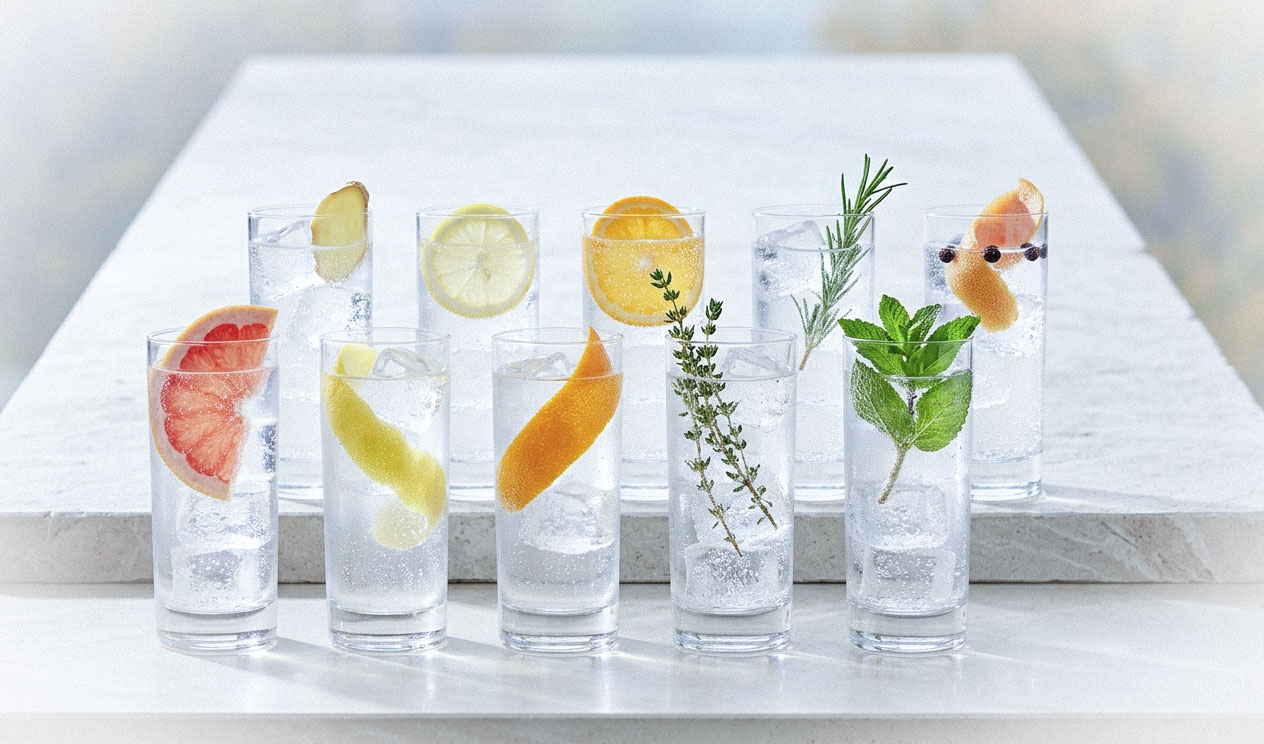
International G&T Day is the day the tonic gets its share of the credit. This guide keeps it constant and ranks ten gins by how well their published strength and botanicals should hold up against it. It is a reasoned ranking, not a tasting.
The day dates from 2010, when the friends and family of Mary Edith Keyburn, who died that year aged 95, began marking the anniversary with a gin and tonic. It is a better origin than most drinks days can claim. It also makes a useful point about the drink itself: the gin gets the credit, but it ends up as a minority of the glass.
In a standard serve, 50ml of gin meets 150ml of tonic, and the gin finishes at about a quarter of its bottled strength before the ice has begun to melt. A gin bottled at 57% lands near 14%. One bottled at 41.2% lands near 10%. That is the real problem a G&T has to solve, and it is the one this ranking tries to answer.
The constant is Double Dutch's Skinny Tonic, which the brand describes as the same recipe as its Indian Tonic with less added sugar, built on quinine with pink grapefruit and juniper berry. That makes it lighter, drier and leaning towards citrus. Each gin is judged on three things: whether its strength survives dilution; whether its botanicals sit in the register that tonic flatters, meaning citrus, juniper, tea and dry spice; and whether it offers something a standard London Dry does not. Every figure below comes from the producers and retailers who publish them. It is an argument, not a measurement and not a tasting, and where you disagree, the specifications show where to push.
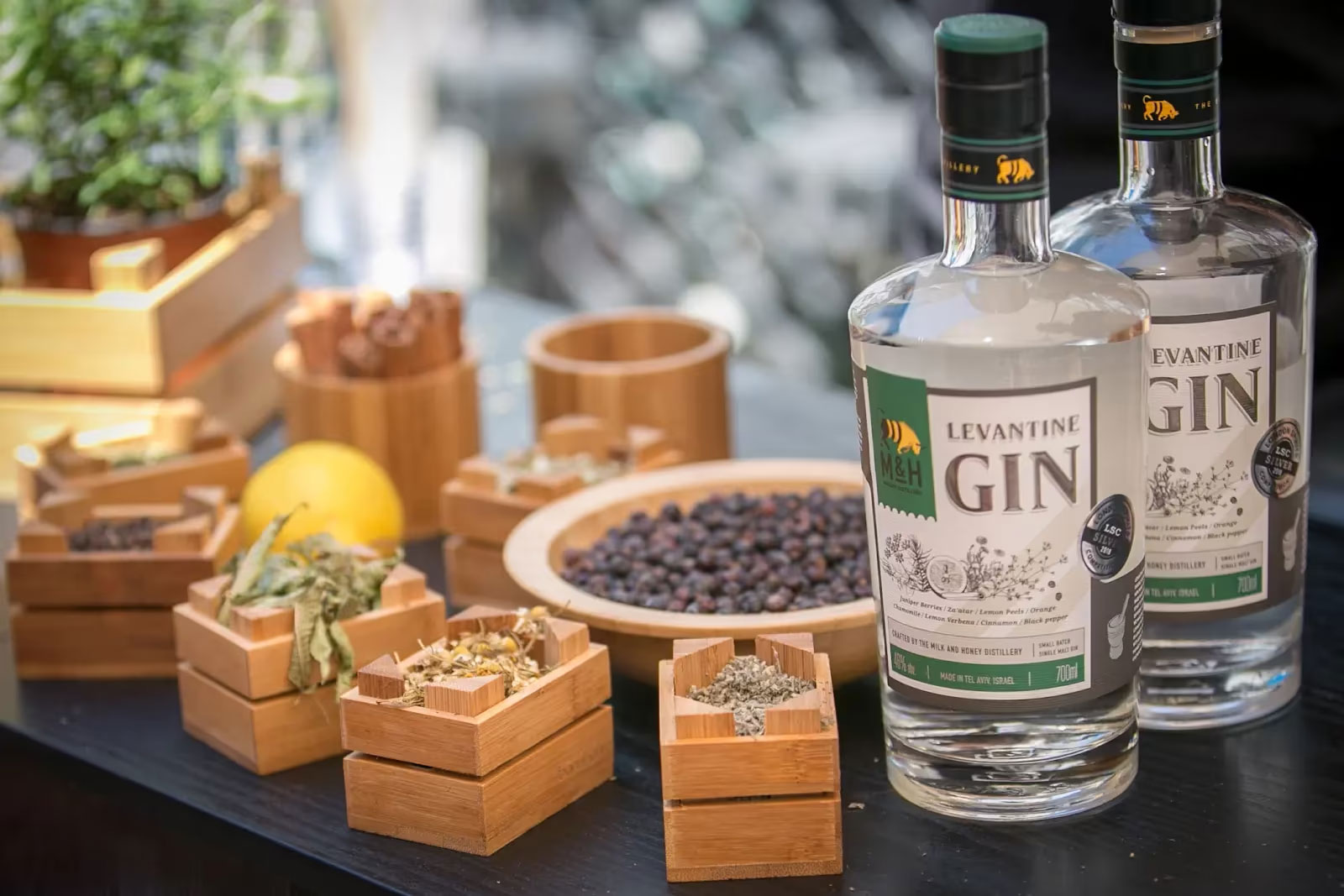
The most distinctive bottle here and, for this test, the least obviously suited. It begins as a single-malt spirit, 100% malted barley mashed and pot-distilled in Tel Aviv, then takes juniper and botanicals from the city's Levinsky market (za'atar, lemon peel, orange, chamomile, verbena, cinnamon, black pepper), rested 48 hours in the still before a third distillation. At 46% it has the strength. What it lacks is the usual bargain: a barley base and a spice list are more likely to be flattened by three parts of tonic than flattered. Taste it neat first.
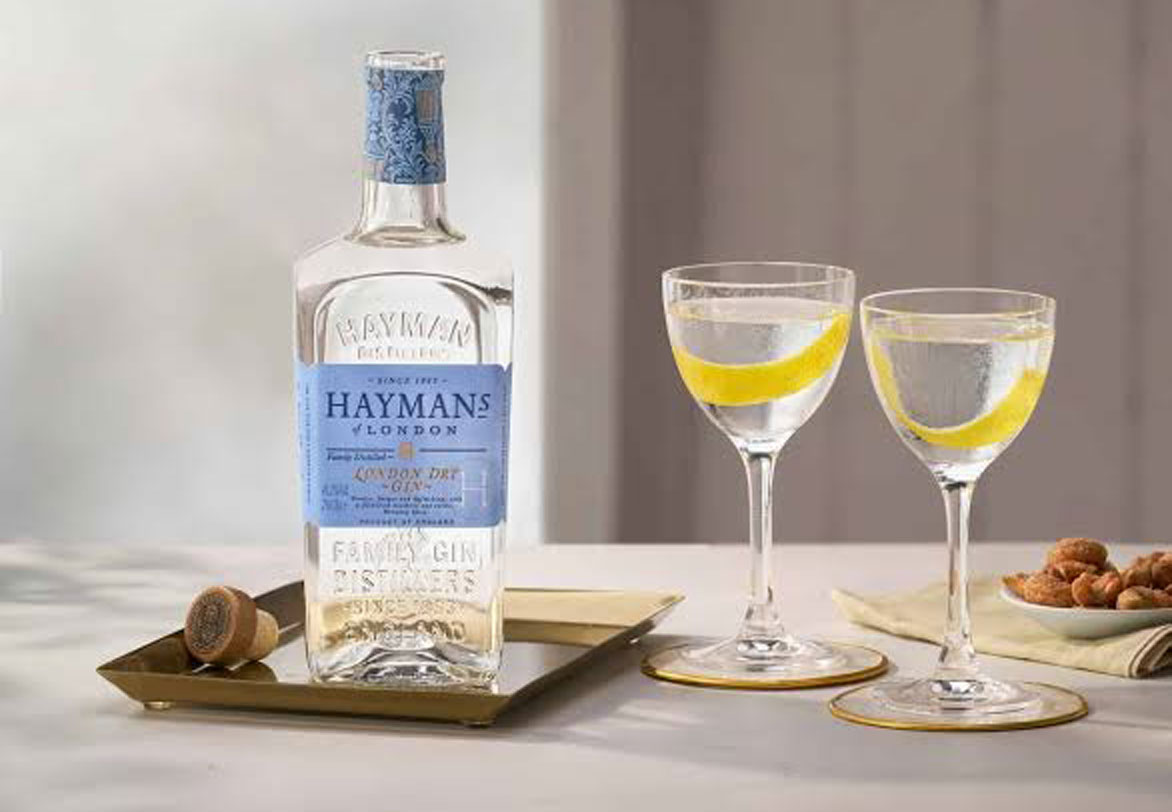
The baseline, and a fair one. Ten botanicals and a family recipe, distilled in London by a family that has been at it since 1863, by its own account. It sits ninth on strength alone: at 41.2% it is the weakest bottle here, so a standard serve dilutes it the most. But the plain juniper-and-citrus profile is the one the drink was built around, and it is the least expensive of the ten. Buy it first and judge the other nine against it.
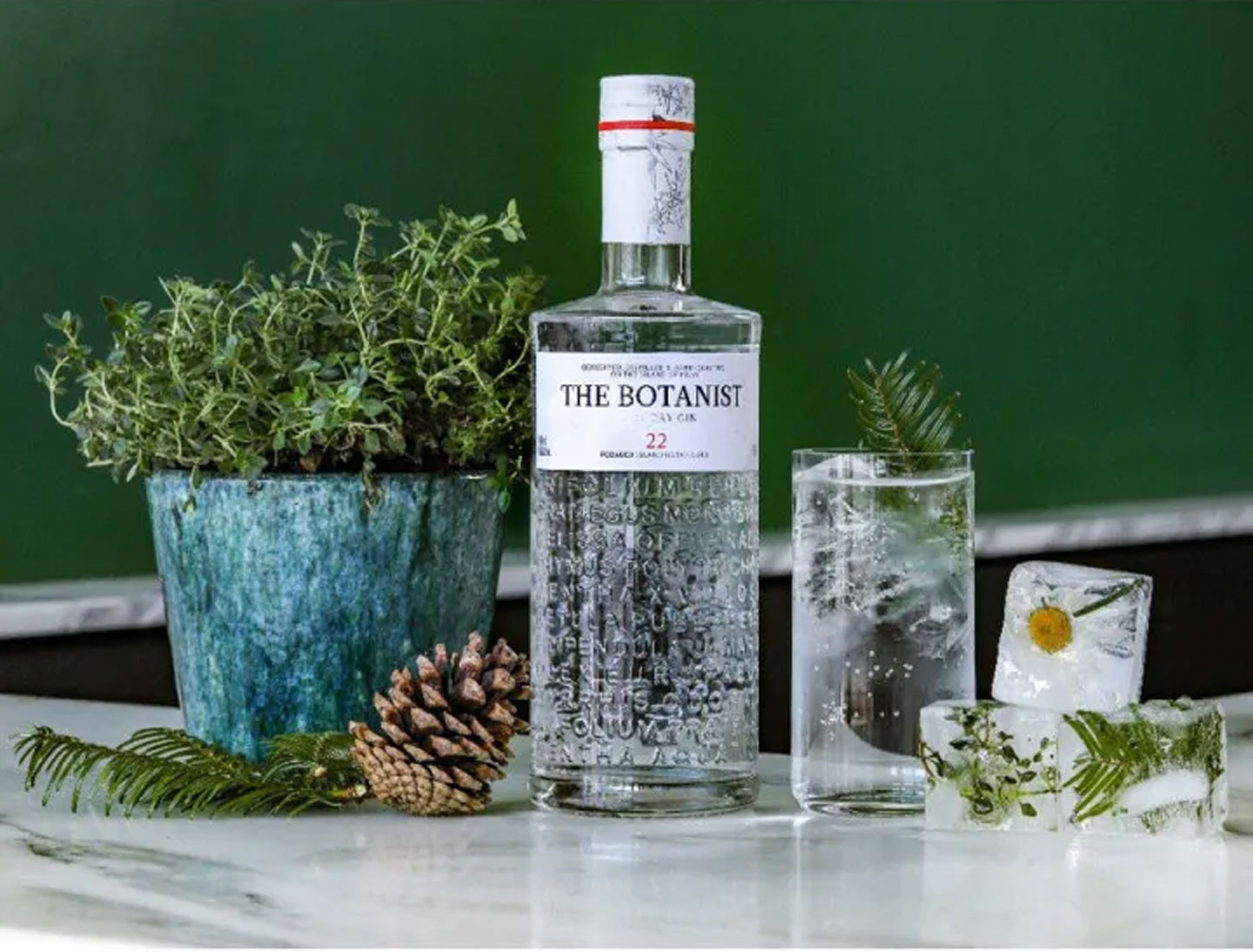
Thirty-one botanicals: nine classics and 22 hand-foraged on Islay, slow-distilled for 17 hours in a Lomond still the distillery calls Ugly Betty. At 46% it has room to spare. It sits eighth because of that complexity: a recipe this layered tends to lose its detail under a tonic that already brings grapefruit and juniper of its own. Use a lighter hand with the tonic, and retailers suggest thyme or mint over lime.
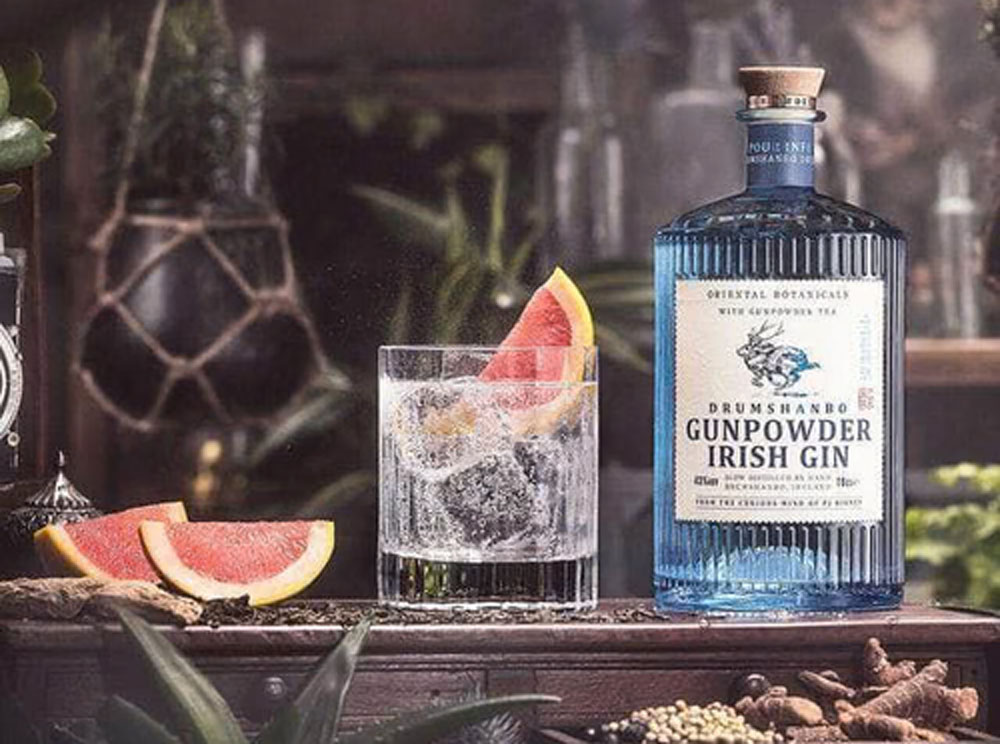
Twelve botanicals from nine countries, led by gunpowder tea. Eight (juniper, coriander, angelica, orris, caraway, star anise, meadowsweet and cardamom) are macerated in the pot still. Four, including the tea, kaffir lime and oriental grapefruit, are vapour-infused in the neck of the still. Listed at 41% by one UK retailer and 43% by others, it is among the lightest here. But tea and citrus are what this tonic flatters, and retailers suggest a pink grapefruit wheel.
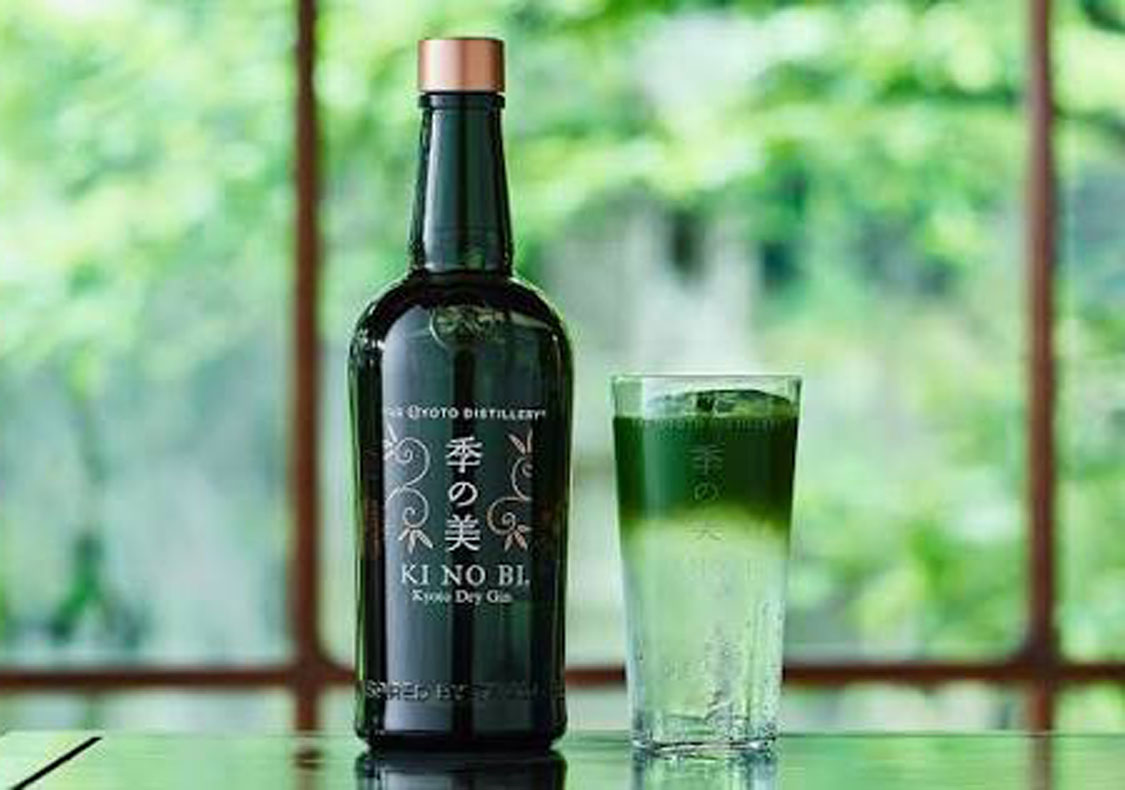
Eleven botanicals in six groups (base, citrus, tea, herbal, spice and floral), each distilled separately and then blended, on a rice-spirit base cut with Fushimi water. At 45.7% it has the strength, and one US retailer calls it still a London Dry style with juniper in the lead. It is sixth because its delicacy is exactly what a G&T puts at risk: yuzu, gyokuro and sansho are quiet flavours, and three parts of tonic is a lot to ask of them. The lighter tonic helps.
"In a standard serve the gin finishes at about a quarter of its bottled strength."
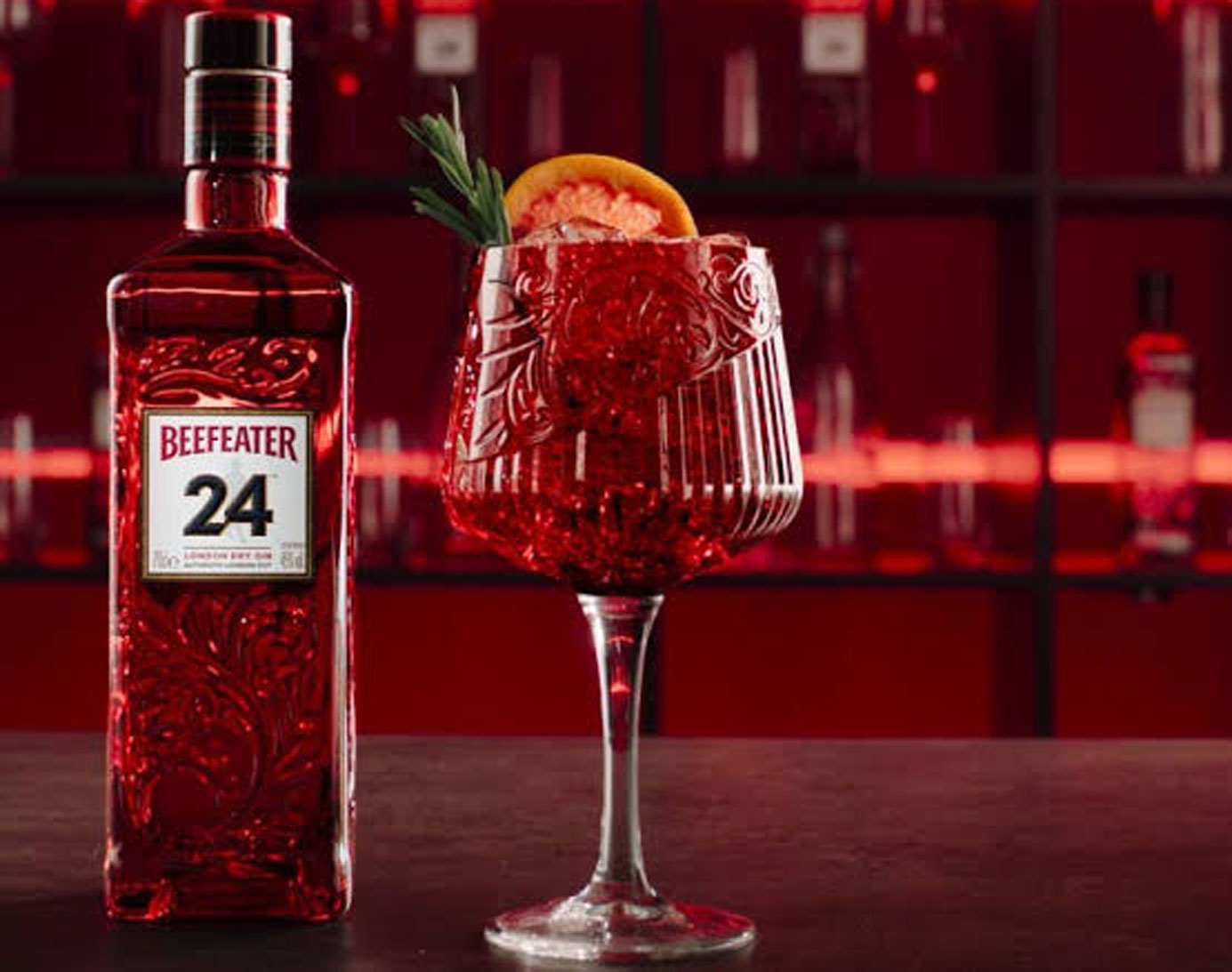
Beefeater's higher-strength expression adds Japanese sencha and Chinese green tea to Seville orange, grapefruit and lemon peel, juniper, coriander, liquorice, angelica, almond and orris, all steeped for 24 hours before distillation. At 45% it clears the strength test, and the tea and grapefruit sit in the same register as the tonic's. It lands fifth because it is the most conventional of the top half: a very good London Dry rather than a new idea.
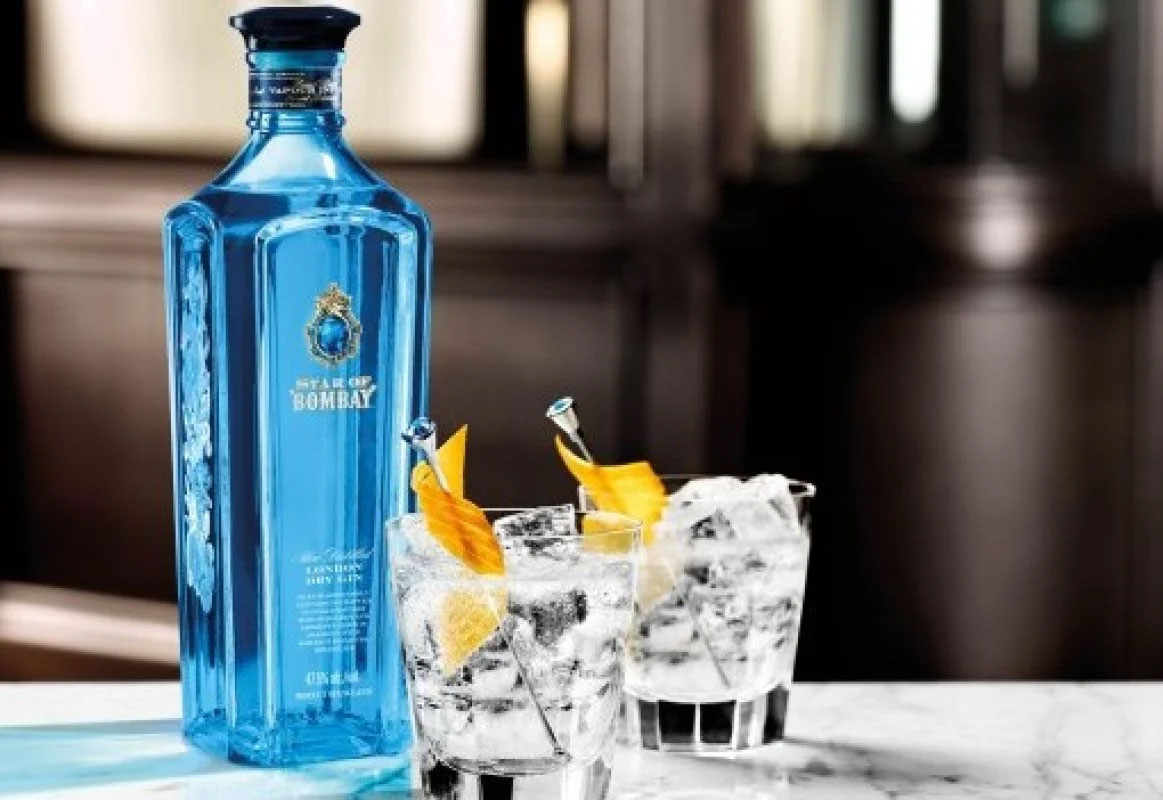
Bombay Sapphire's bolder sibling: twelve botanicals, adding Calabrian bergamot peel and Ecuadorian ambrette seed, with the vapour infusion deliberately slowed. At 47.5% it has strength to spare, and bergamot is a citrus the tonic's grapefruit should flatter. Ambrette is the wild card, which keeps it fourth.
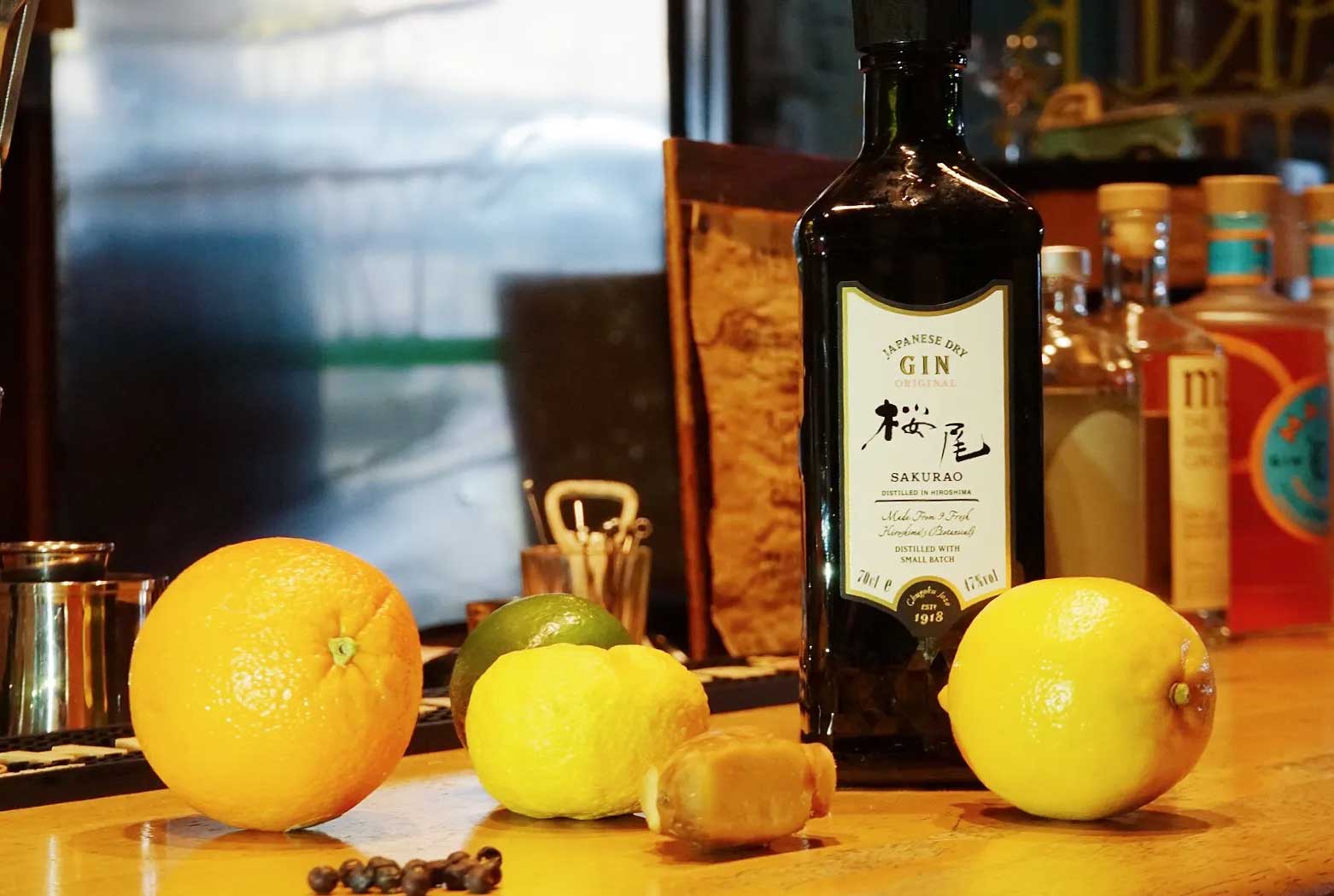
Made by a distillery founded by a Hiroshima sake brewer, with nine local botanicals (green lemon, navel and sweet summer oranges, yuzu, dai dai, hinoki, green tea, red shiso and ginger) alongside five imported ones, including juniper and coriander. It is distilled in a copper hybrid still that combines steeping with vapour infusion. Citrus and tea at 47% is close to ideal for this test, and only its less familiar flavours keep it behind the top two.
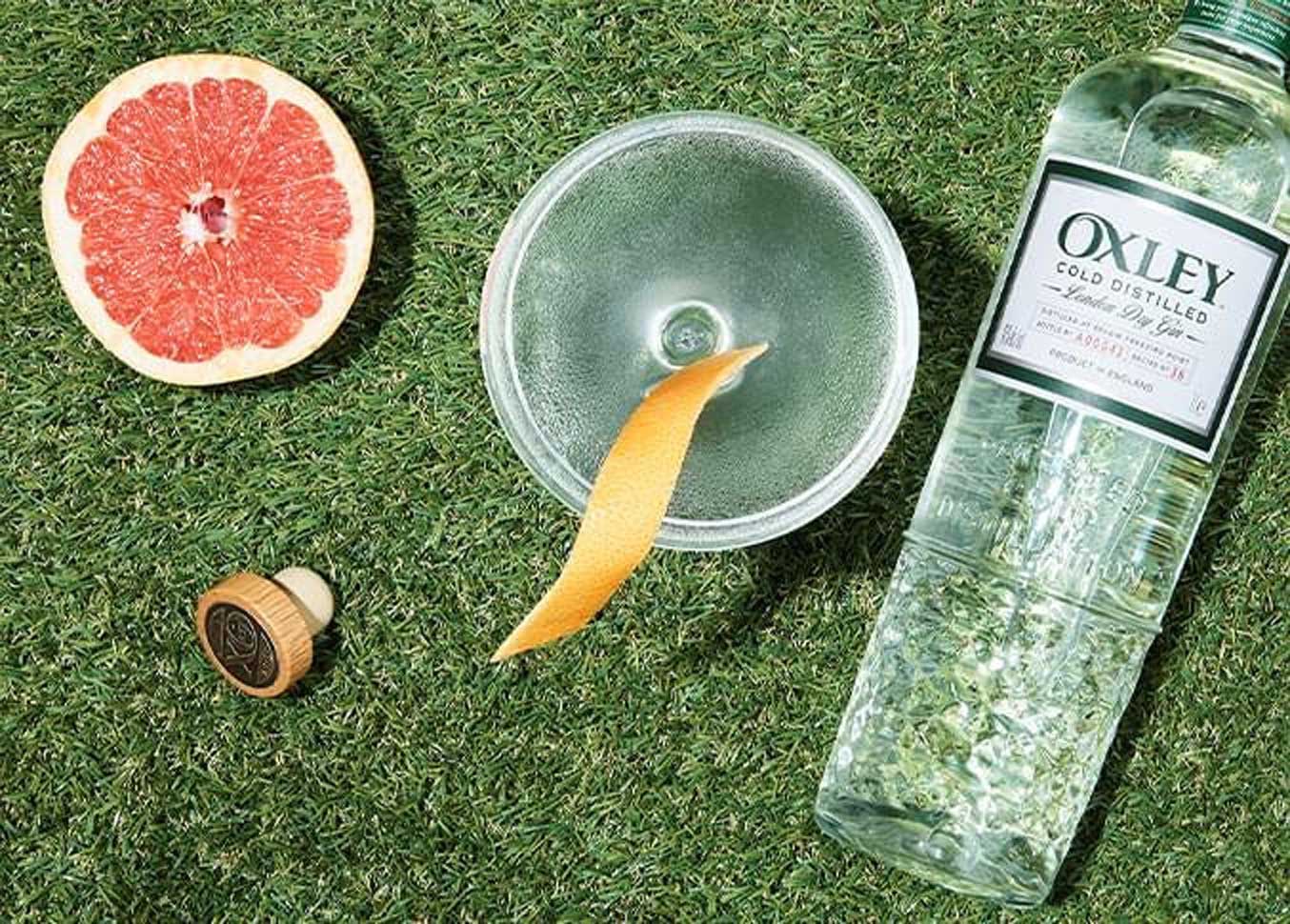
Distilled in a vacuum at −5°C, so that fresh-frozen grapefruit, lemon and orange peel keep what ordinary distillation heat would drive off. Fourteen botanicals, 47%, and a London Dry with a juniper backbone. Citrus-led and strong, it matches this tonic's grapefruit note almost by design, and its method is the most distinctive of the London Drys here.
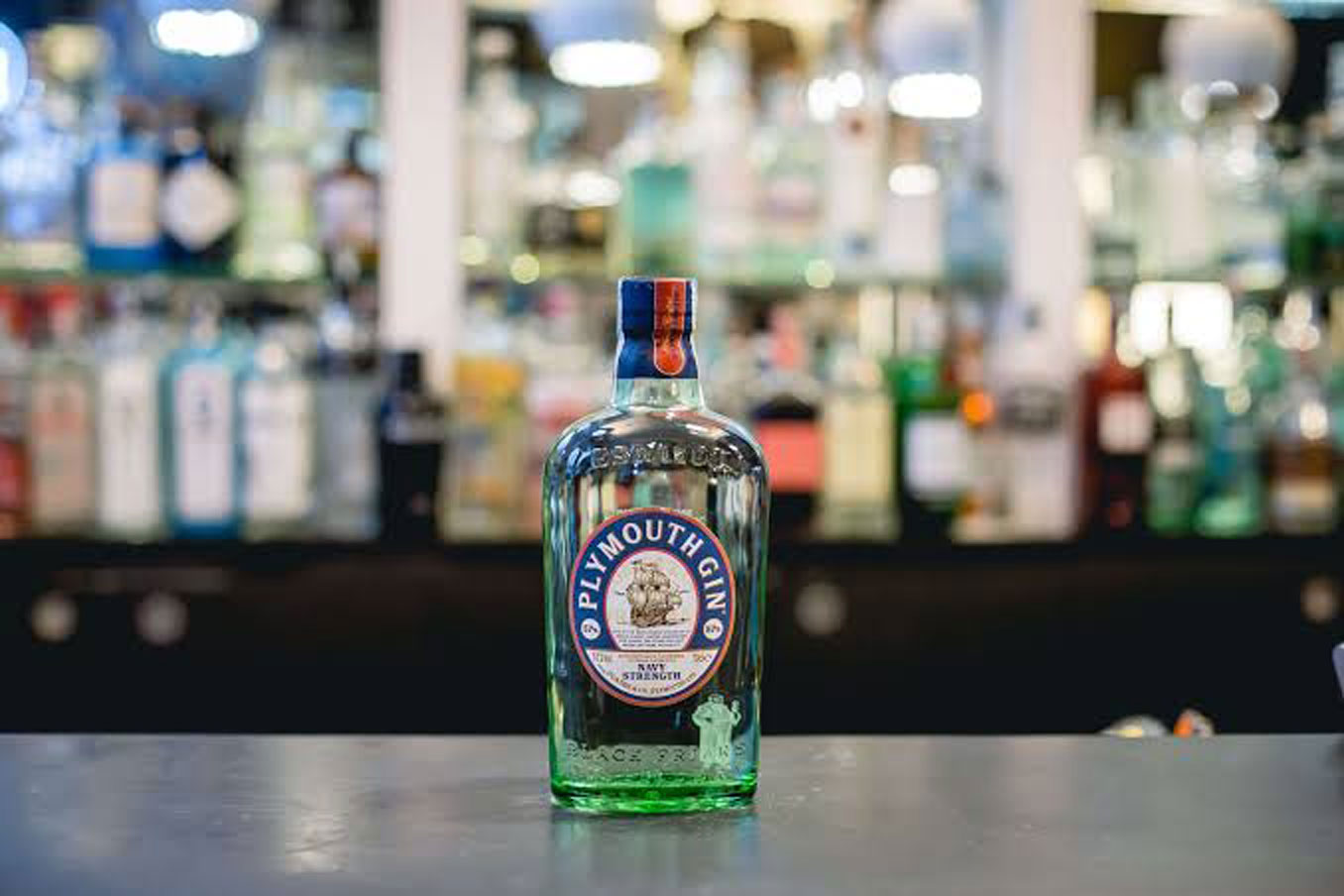
Seven botanicals (juniper, coriander, orange and lemon peel, angelica, orris and green cardamom) from the Black Friars Distillery, where the recipe dates from 1793. The point is the strength. A standard serve leaves a 57% gin at about 14% in the glass, against the 10% a 41.2% gin manages, and nothing in a short, citrus-and-juniper recipe gets lost on the way. Pour a little less than usual and the drink stays balanced.
Four of the ten gins use tea as a botanical: gyokuro in Ki No Bi, green tea in Sakurao, gunpowder tea in Drumshanbo, and sencha and green tea in Beefeater 24. That is a stronger pattern than anyone planned, and it suggests tea and tonic are a natural pairing. Sebastian Rowe made the case for the tonic itself in May. This piece takes it as given and asks the other question. If your own ranking differs, taste the bottles side by side with the same tonic, and trust that over any list, this one included.