Departments
 Departments
Departments
Departments

New to Slowsip? Create Account
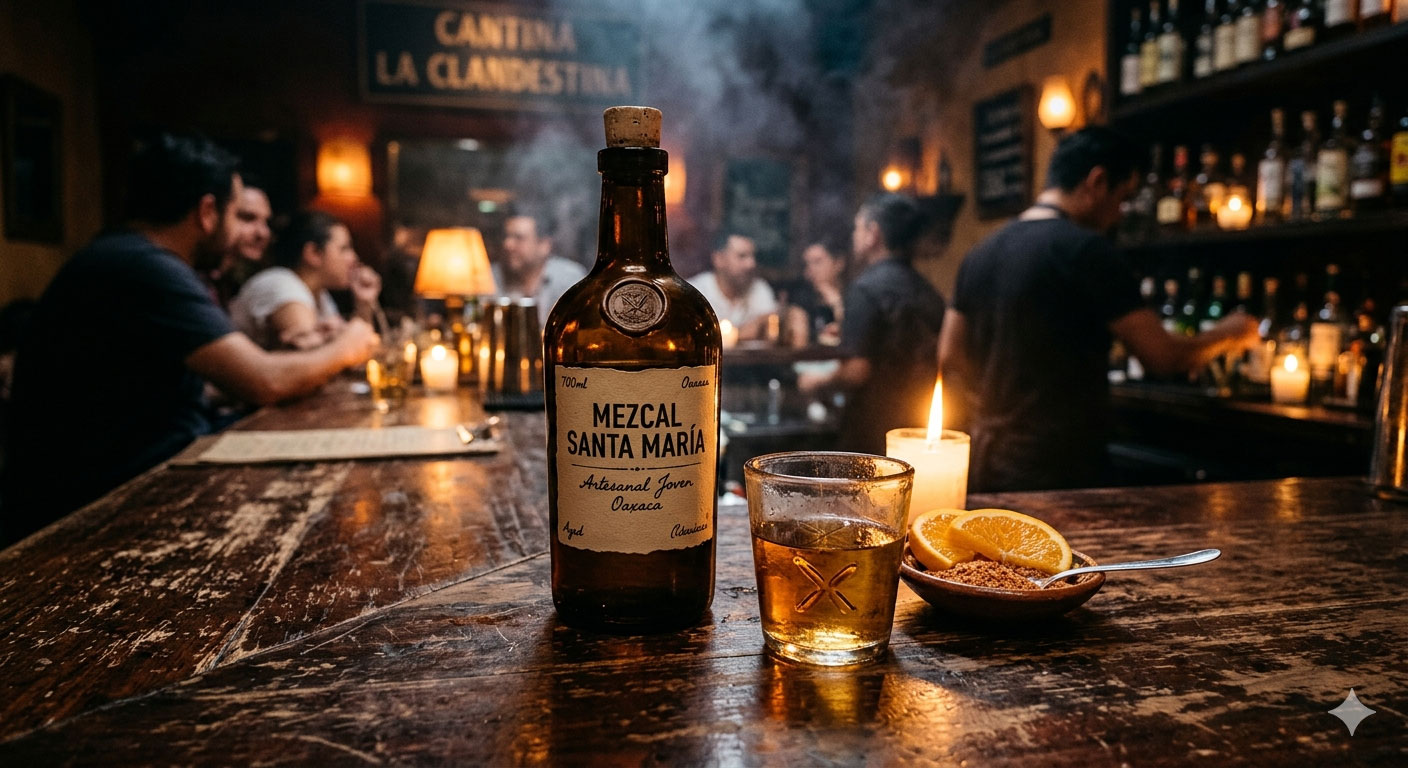
It's true because the production process — agave hearts slow-roasted in earthen pits lined with hot rocks, sometimes for days — genuinely does impart smoke to the spirit. Not a by-product, not a flavouring. Smoke as a direct consequence of how the thing is made. You are tasting the method itself. That's unusual in spirits, and it's part of why mezcal has attracted the kind of obsessive attention it has in the last decade.
But smoke has also become a shorthand that flattens everything else mezcal is — and mezcal is considerably more than smoky.
Here is the distinction that matters: tequila is one spirit made from one agave variety in one general region by an industry that, for all its quality producers, operates at scale. Mezcal is hundreds of spirits made from dozens of agave varieties across multiple Mexican states by producers who, in many cases, are making fewer than a thousand cases a year using equipment that hasn't meaningfully changed in generations. The mezcalero — the master producer — is as central to what's in the glass as the agave itself. Change the person, change the spirit. This is not a category. It is a collection of individual expressions.
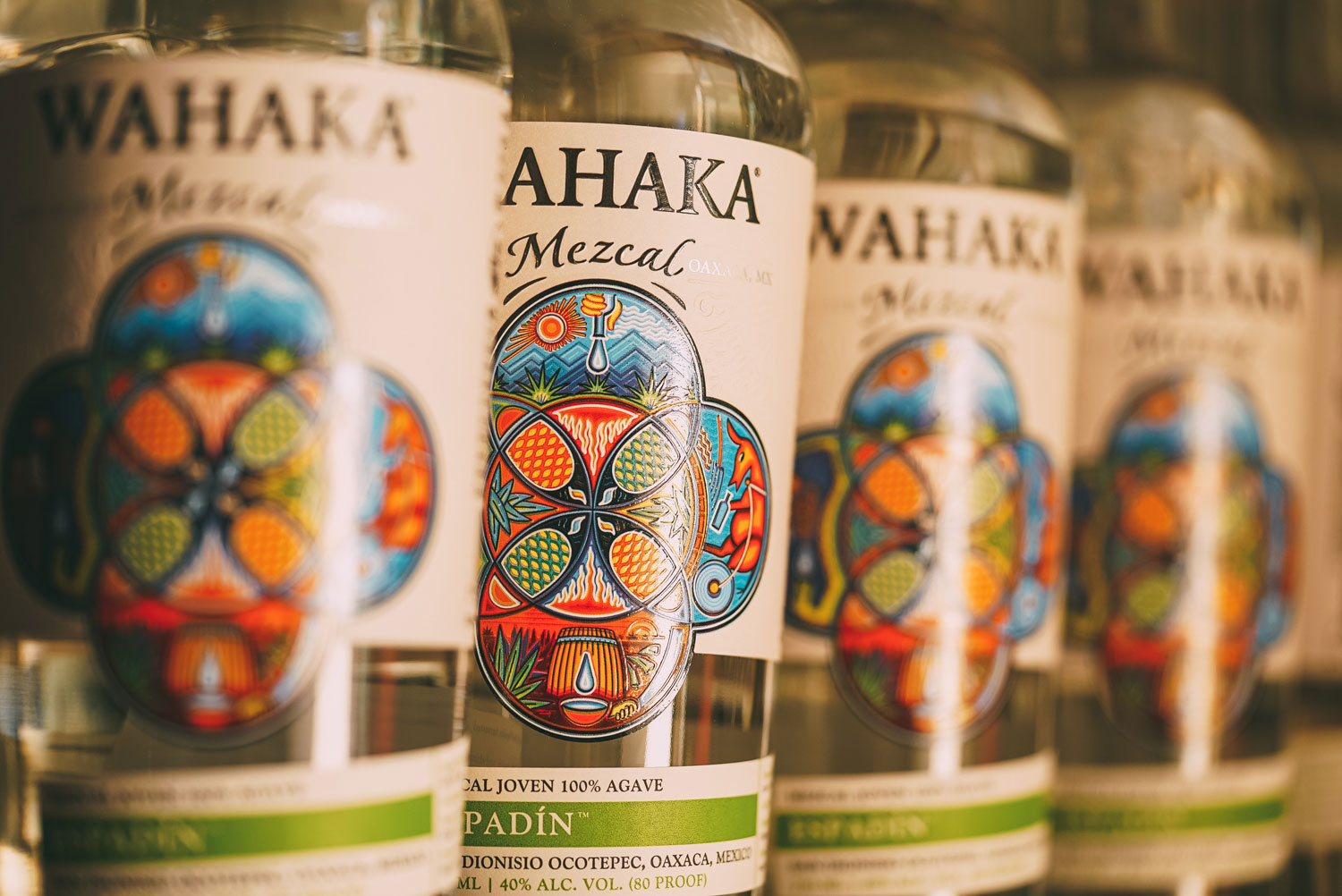
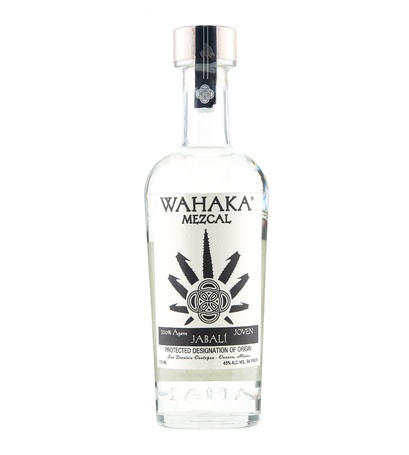
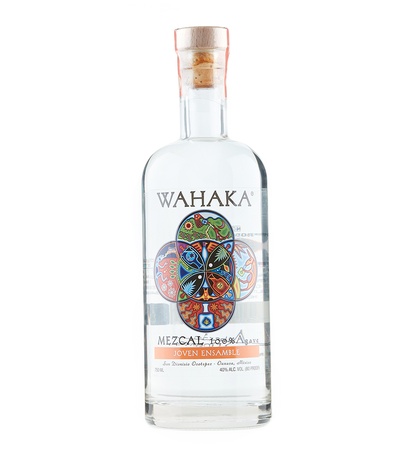
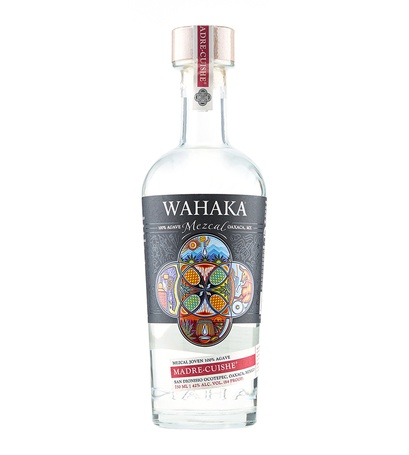
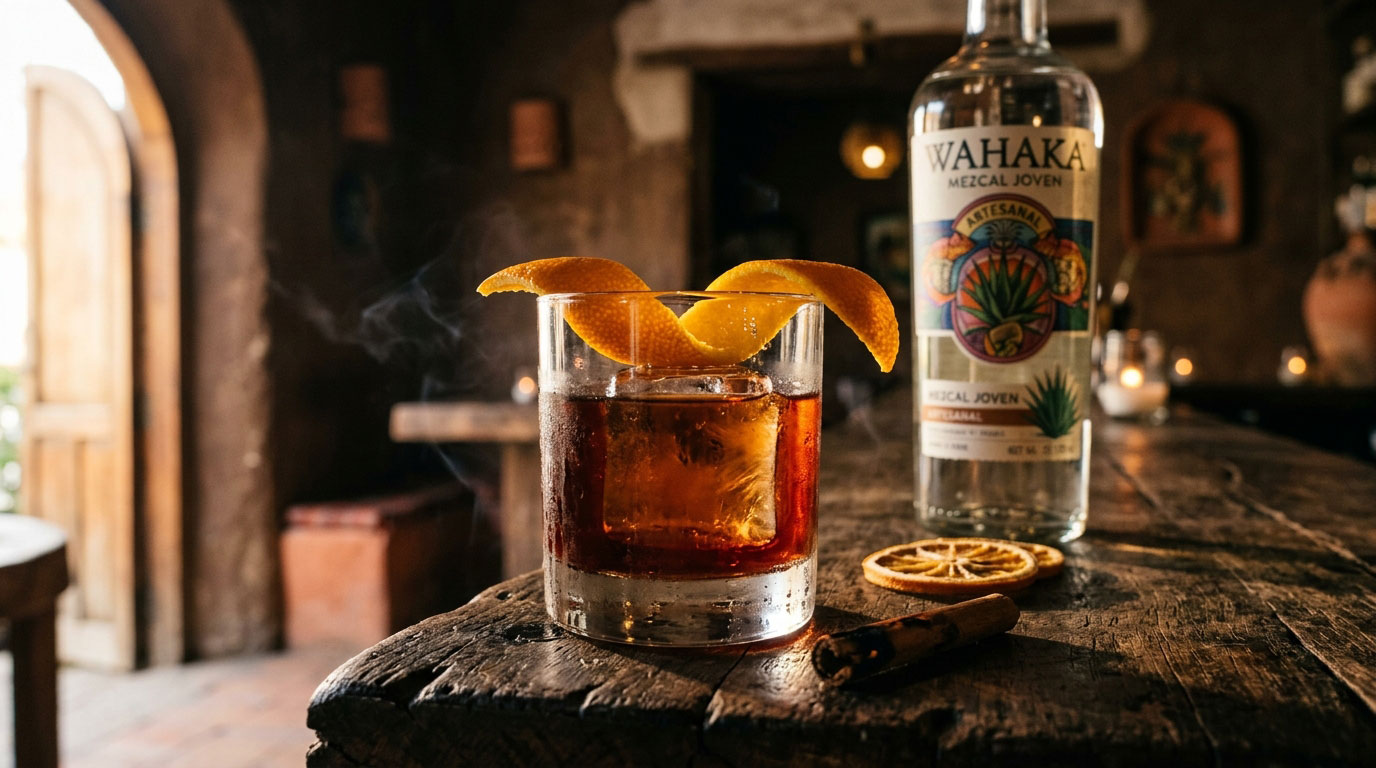
Wahaka Mezcal is the entry point I keep recommending. Made by Alberto Morales in San Dionisio Ocotepec, Oaxaca, from estate-grown Espadin agave — the most common variety, and the one that gives people who are new to mezcal the most accessible way in — it is smoky without being aggressive, with a sweetness underneath that reads almost like roasted corn, and a mineral quality in the finish that lingers. It is unmistakably mezcal. It is also not a difficult glass. That combination is rarer than it sounds.
What comes after Wahaka is where the category opens up. Mis Aguacates is a more adventurous expression — named for the avocado trees that grow around the distillery, and carrying a faint vegetal, almost green complexity beneath the smoke that takes a few sips to fully appreciate. It's the kind of bottle that makes you slow down, which is either what you want or not, depending on the evening.
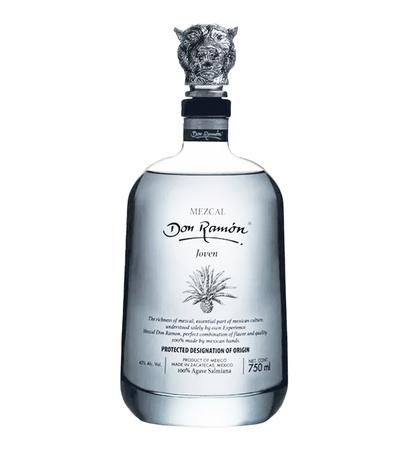
El Capo and Don Ramon represent the category's quieter side — both leaning toward more restrained smoke, more agave sweetness forward, and a gentler overall profile that makes them easier bridges for someone coming from tequila. Revolucion sits at the other end: more pronounced earthiness, more grip, a glass that asks for attention rather than offering easy comfort.
None of these are interchangeable. That's the point.
When people ask me whether to start with tequila or mezcal, I usually say tequila — because the category is more consistent and the quality floor is higher at accessible price points. But when people ask which is more interesting, the answer is mezcal, almost always. The variation is wider, the production is more personal, and the stories behind what's in the bottle are generally better.
The smoke is the hook. The everything else is the reason to stay.