Departments
 Departments
Departments
Departments

New to Slowsip? Create Account
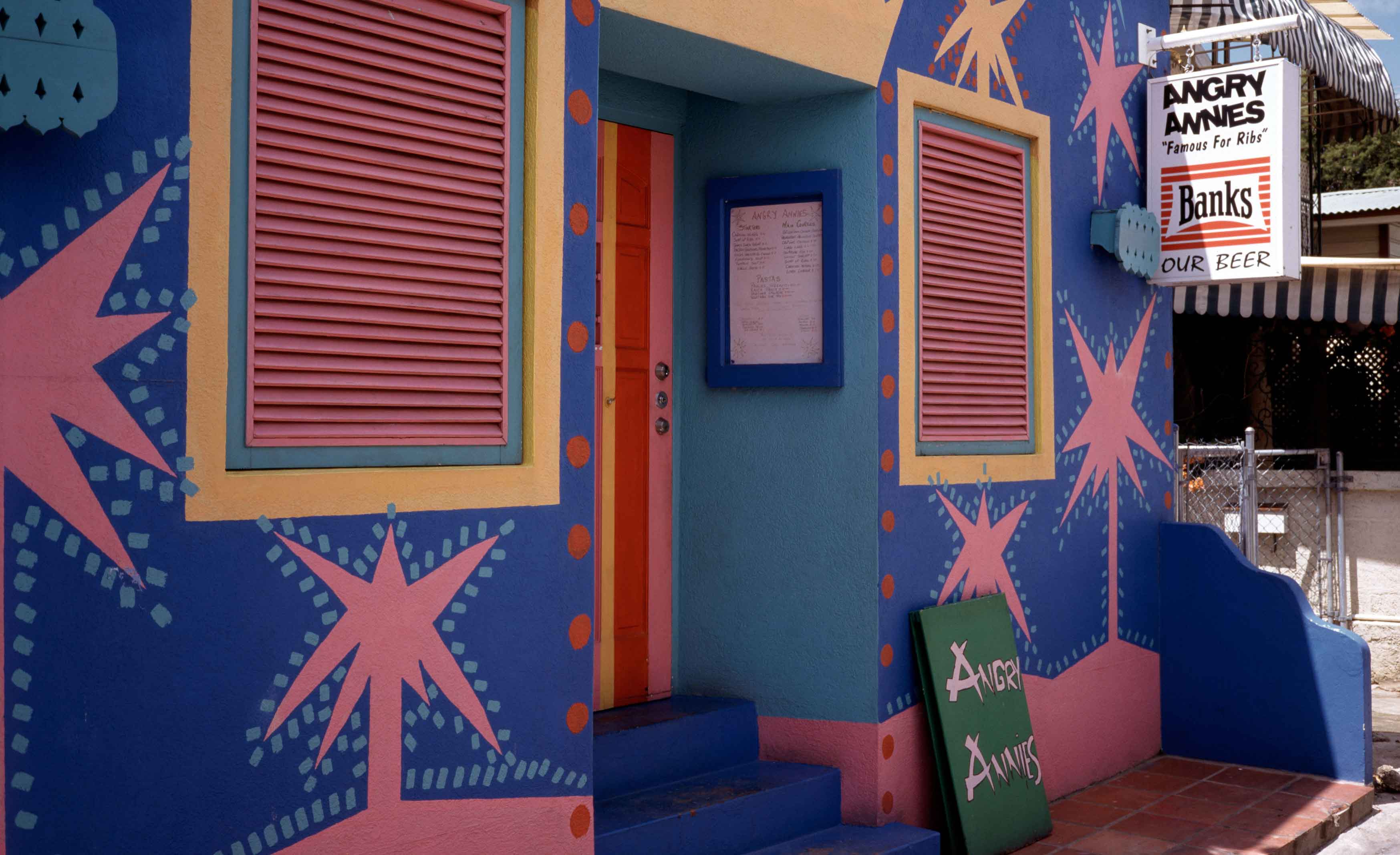
There is a version of the rum story that everyone knows: sugarcane, Caribbean sunshine, a pirate with a bottle, a beach bar with bad Wi-Fi. It's not a false story — rum does come from sugarcane, it is largely made in the Caribbean, and it does appear in beach bars with some frequency. It's just not the story that anyone who makes serious rum wants to be telling. The producers who have spent the last decade rebuilding the category's reputation have been working against that image with the patient determination of people who know that the liquid in their stills is better than the conversation surrounding it.
That conversation is changing. Not through a single moment of cultural rediscovery — there was no rum equivalent of the gin revolution's headline arrival, no equivalent of the tequila premium moment that Don Julio and Patrón engineered so effectively. What's happened is more gradual and, arguably, more durable: a critical mass of producers making rum with the same seriousness that the best whisky and Cognac distillers apply to their work, and a drinking public increasingly willing to reward that seriousness with attention.
The case for premium rum is now straightforward to make. The counterargument — that rum is a mixer, a poolside drink, a vehicle for lime juice and mint — has simply stopped being interesting.
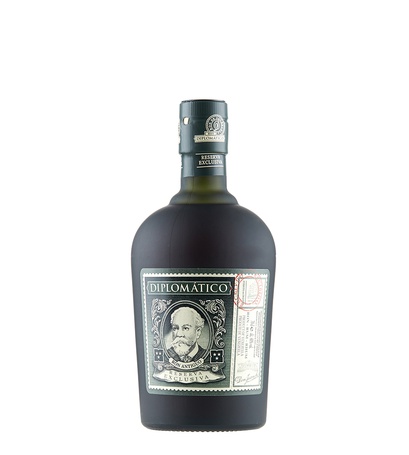
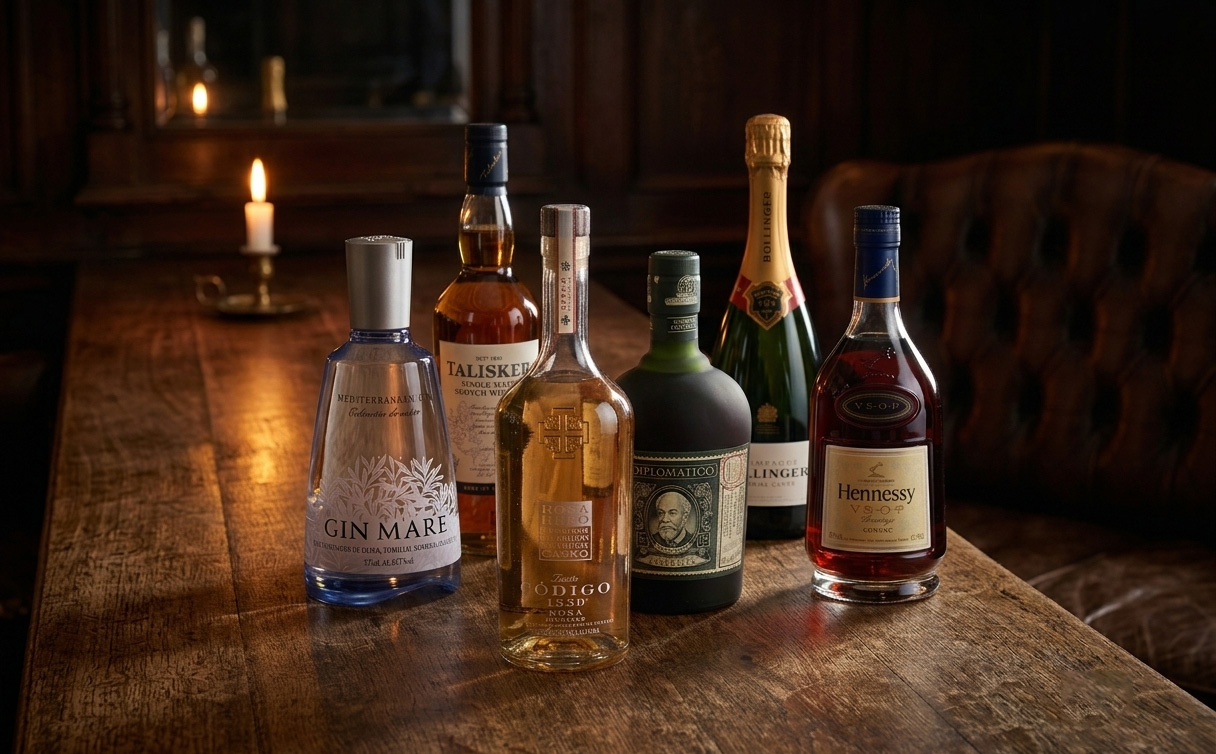
If there is a single producer responsible for demonstrating to a mainstream audience that rum could command the same shelf position as premium whisky or Cognac, it is Diplomatico. The Venezuelan distillery, founded in 1959, was producing complex aged rums long before the category attracted serious critical attention. Their patient accumulation of quality has been rewarded — the Reserva Exclusiva is now one of the best-known premium spirits in the UK, sitting comfortably alongside Hennessy and Glenfiddich on the shelves of retailers who would previously have relegated rum to the lower shelves.
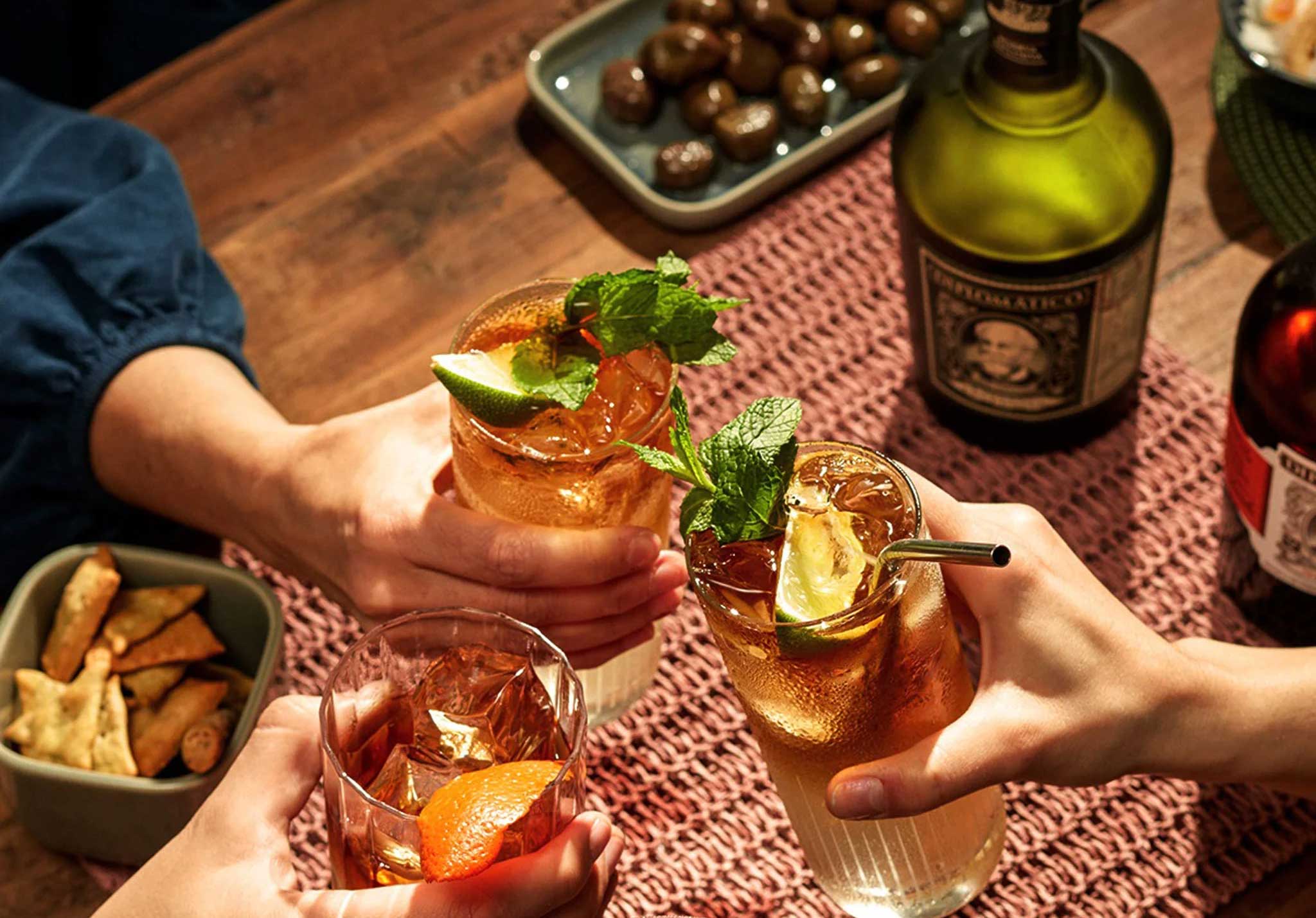
The Reserva Exclusiva is the expression that made the argument. Aged up to twelve years in small oak barrels — a combination of pot still and batch kettle rums producing a spirit of genuine complexity — it arrives in the glass with rich dried fruit, dark chocolate, and a caramel sweetness that sits beneath rather than on top of the spirit character. This is rum for sipping, in a proper glass, without ice diluting what you're tasting. The fact that it costs around £45 makes it one of the best value premium spirits in any category.
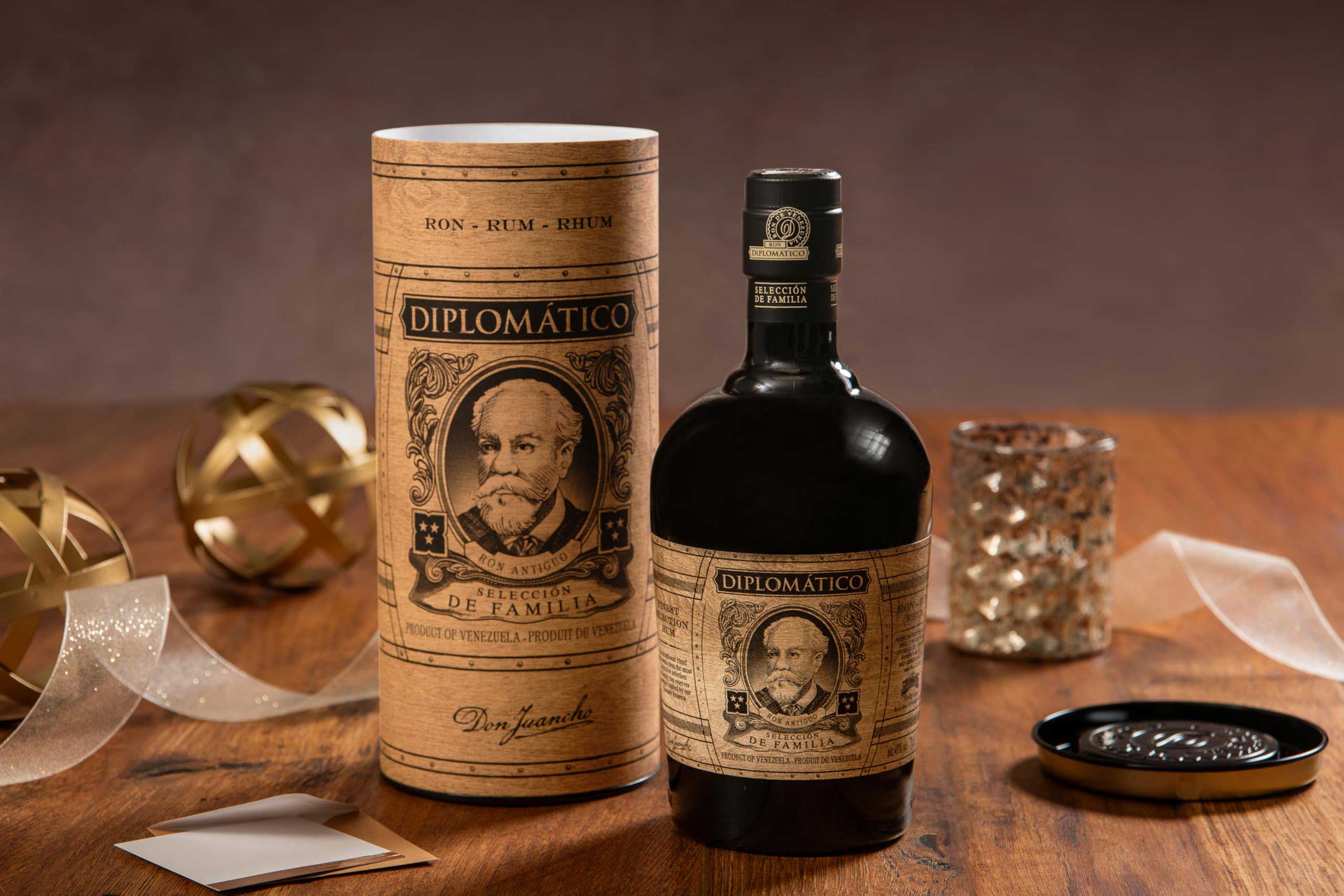
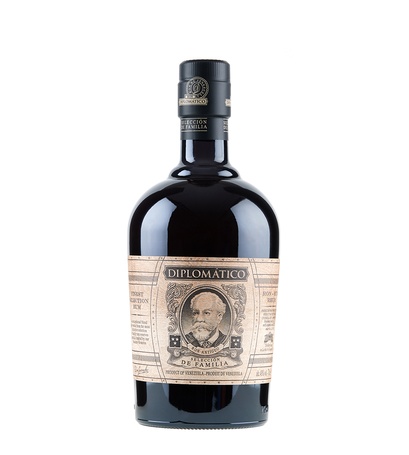
The Selección de Familia steps up the ambition considerably — a family selection blend of the distillery's most aged rums, finished in Pedro Ximénez Sherry casks that add a familiar dried fruit depth to the already complex base. If the Reserva Exclusiva makes the case for premium rum, the Selección de Familia demonstrates what the ceiling looks like.
The conversation about premium rum increasingly resembles the conversation about premium whisky: where it comes from matters. Different islands produce spirits of genuinely distinct character, shaped by climate, soil, sugarcane variety, and production method in ways that make the blanket term 'rum' about as useful as calling everything 'spirits'. Barbados, with its long tradition of pot still production and the mild maritime climate that shapes its ageing, produces rum of particular elegance — lighter and more structured than the richer Venezuelan style, with a characteristic tropical fruit and oak balance.
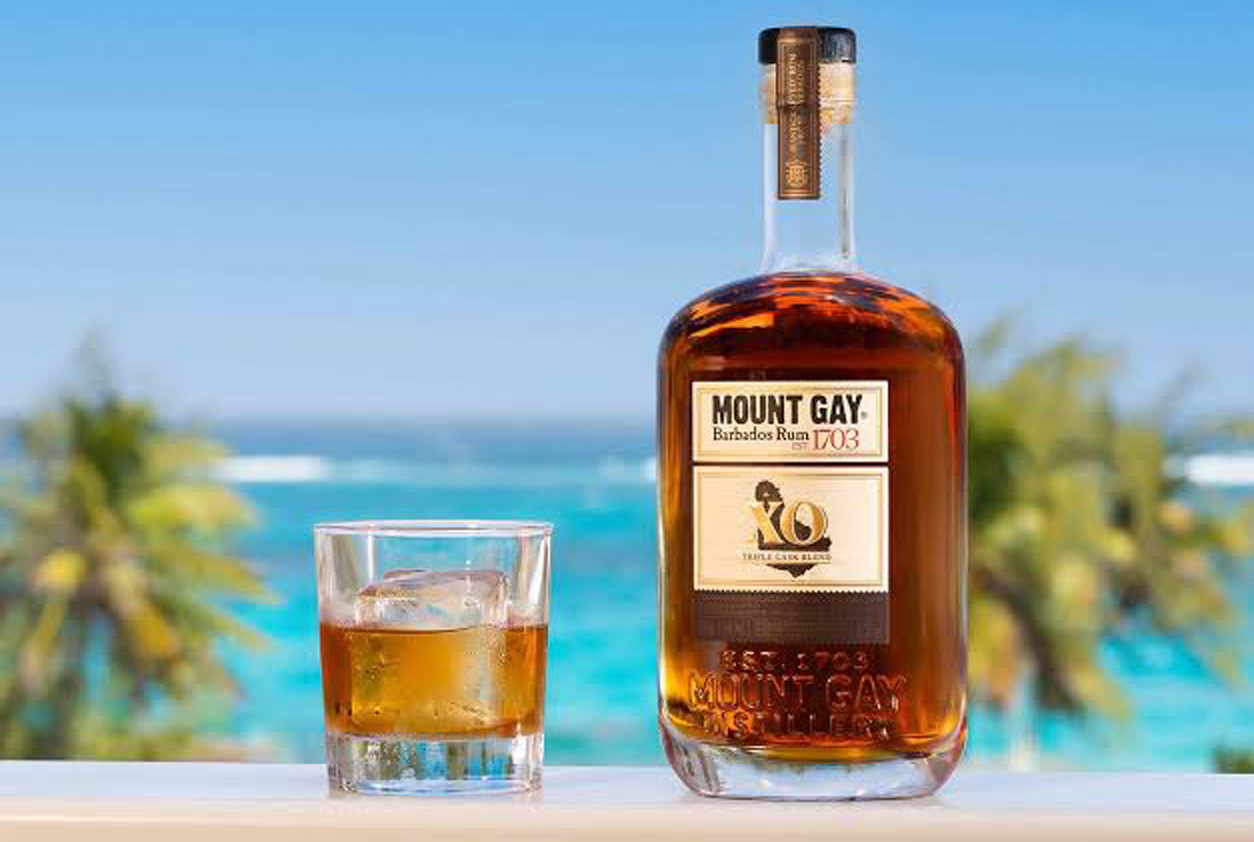
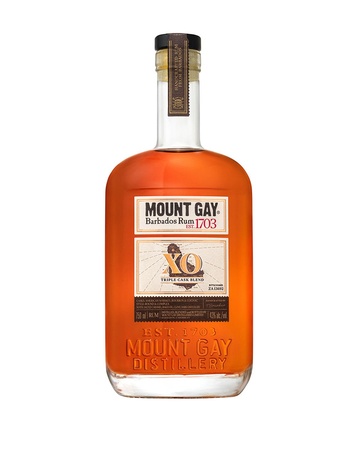
Mount Gay is the oldest commercial rum distillery in the world — records of production on the estate date to 1703 — and the XO is the expression that best communicates what three centuries of accumulated knowledge looks like in a glass. A blend of pot and column still rums aged between eight and fifteen years in American and French oak, it delivers a complexity that earns the comparison with aged Scotch: vanilla, dried apricot, toasted oak, a long warming finish. The 1 litre format on the SlowSip catalogue is an unusually good value entry to a genuinely serious bottle.
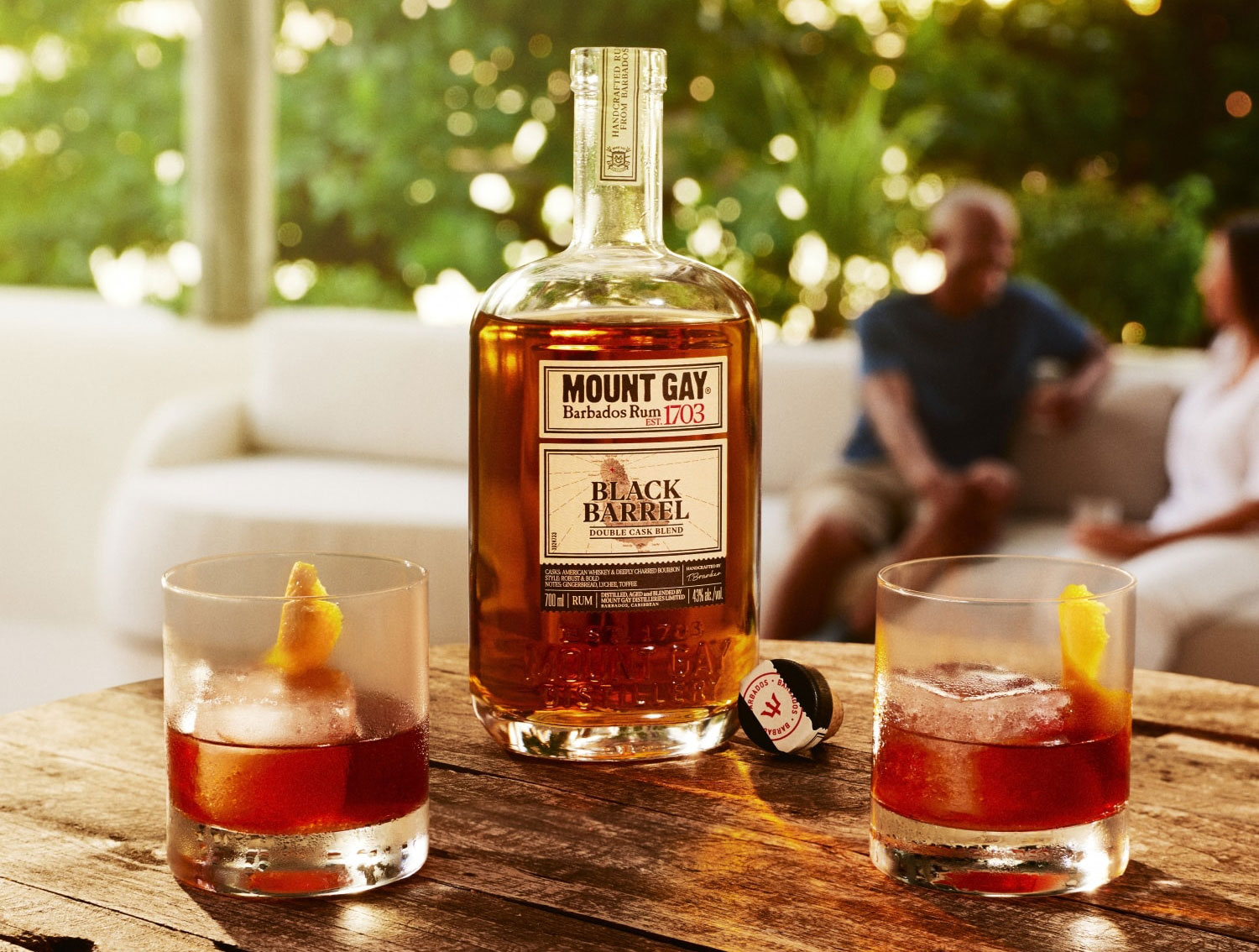
The Black Barrel is the more accessible expression — aged rums finished in heavily charred American oak barrels that add a bourbon-adjacent richness to the Barbadian base character. Vanilla, spice, a hint of banana: a bridge between the lighter Barbadian style and the richer sweetness that attracts drinkers coming from bourbon. An excellent entry point to the Mount Gay range.
Jamaican rum occupies a distinctive corner of the premium market. The island's tradition of high-ester pot still production — which creates the funky, intensely aromatic character that Jamaican rum is known for — has long been appreciated by bartenders and blenders. What's happening now is that consumers are catching up. The character that was previously considered a blending component is increasingly valued in its own right, and the aged expressions from Jamaica's best distilleries are finding audiences who recognise that 'funky' and 'complex' are not mutually exclusive with 'serious'.
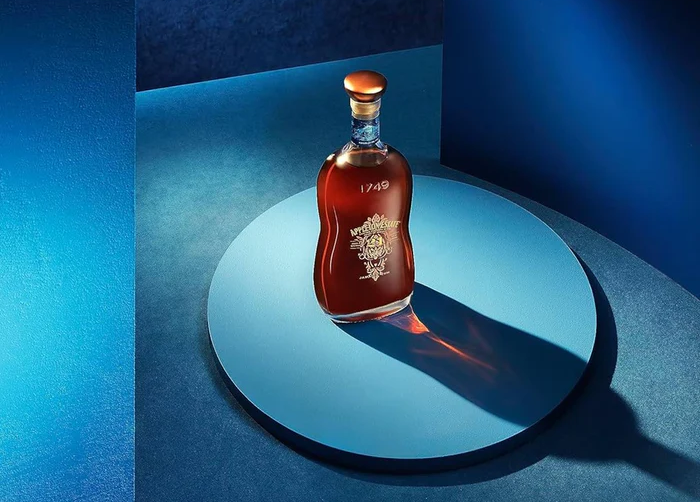
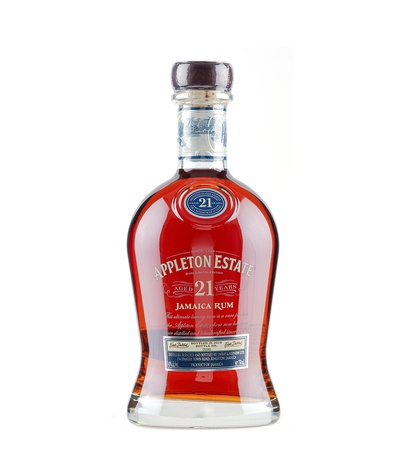
Appleton's 21 Year Rare Limited Edition is the clearest argument for Jamaican aged rum as a category that can compete with the world's finest spirits on any terms. Two decades in oak have transformed the intensity of the new make into something of remarkable depth and balance: dark fruit, chocolate, roasted coffee, a complexity that develops over the full length of a long finish. At £160 it occupies premium territory, but the comparison with single malt whisky or Cognac at equivalent age statements makes the price entirely defensible. This is a bottle to take seriously.
Beyond the established names, a generation of smaller and craft-focused producers has spent the last decade pushing the category's quality ceiling upward. Barbados's Foursquare Distillery, under master blender Richard Seale, has become something of a benchmark producer — the annual Exceptional Cask series is reviewed with the same attention that whisky enthusiasts apply to annual single cask releases from the great Scottish distilleries. Renegade, operating in Grenada, is doing something even more specific: estate-grown sugarcane, single-origin rum, the application of the terroir argument that has driven the natural wine conversation.
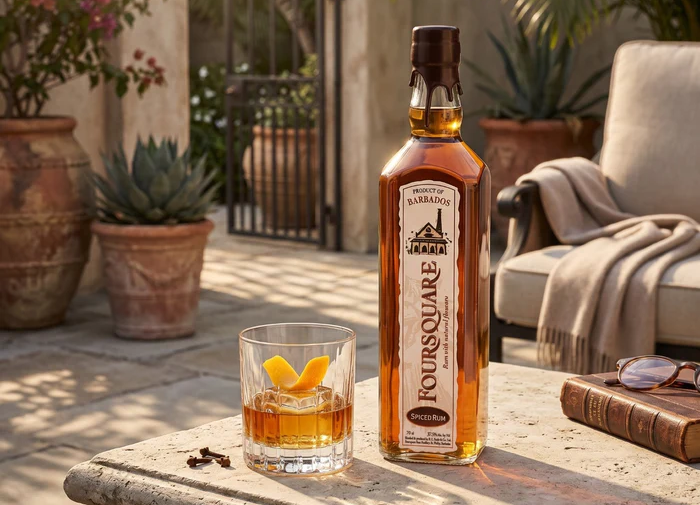
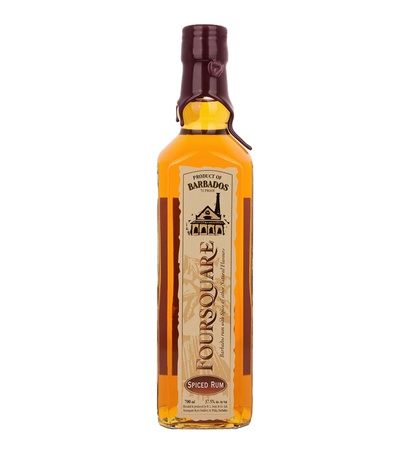
Foursquare's Spiced Rum sits at the accessible end of what the distillery produces, but it carries the house philosophy: no artificial flavourings, no colouring, the spice character derived from genuine botanical infusion rather than industrial flavouring. Cinnamon, vanilla, and a warmth that builds gradually rather than hitting immediately. A useful entry point to the Foursquare range, and a demonstration that spiced rum can be made properly.
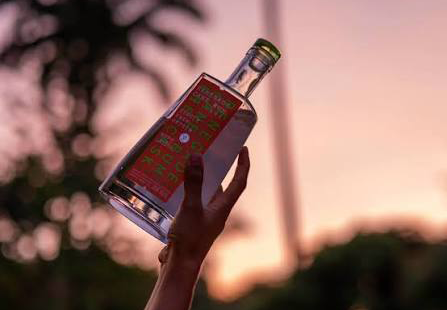
Renegade's approach is unique in the premium rum category: single-estate sugarcane grown in Grenada, harvested and crushed within hours, fermented with wild yeasts, distilled in a hybrid pot-column still. The Cuvée Nova is the most accessible expression in their range — fresh, aromatic, with a grassy sugarcane character that reads almost like an agricole style but with more refinement. This is rum as a product of place, made with the same attention to agricultural provenance that the best natural wine producers bring to their vineyards.
The premium rum category is genuinely global now in a way that whisky, for all its breadth, still isn't quite. Colombia, Grenada, Barbados, Venezuela, Jamaica, Reunion Island — the range of origins represented on the SlowSip catalogue alone suggests a category that has moved well beyond the Caribbean-and-cocktail default.
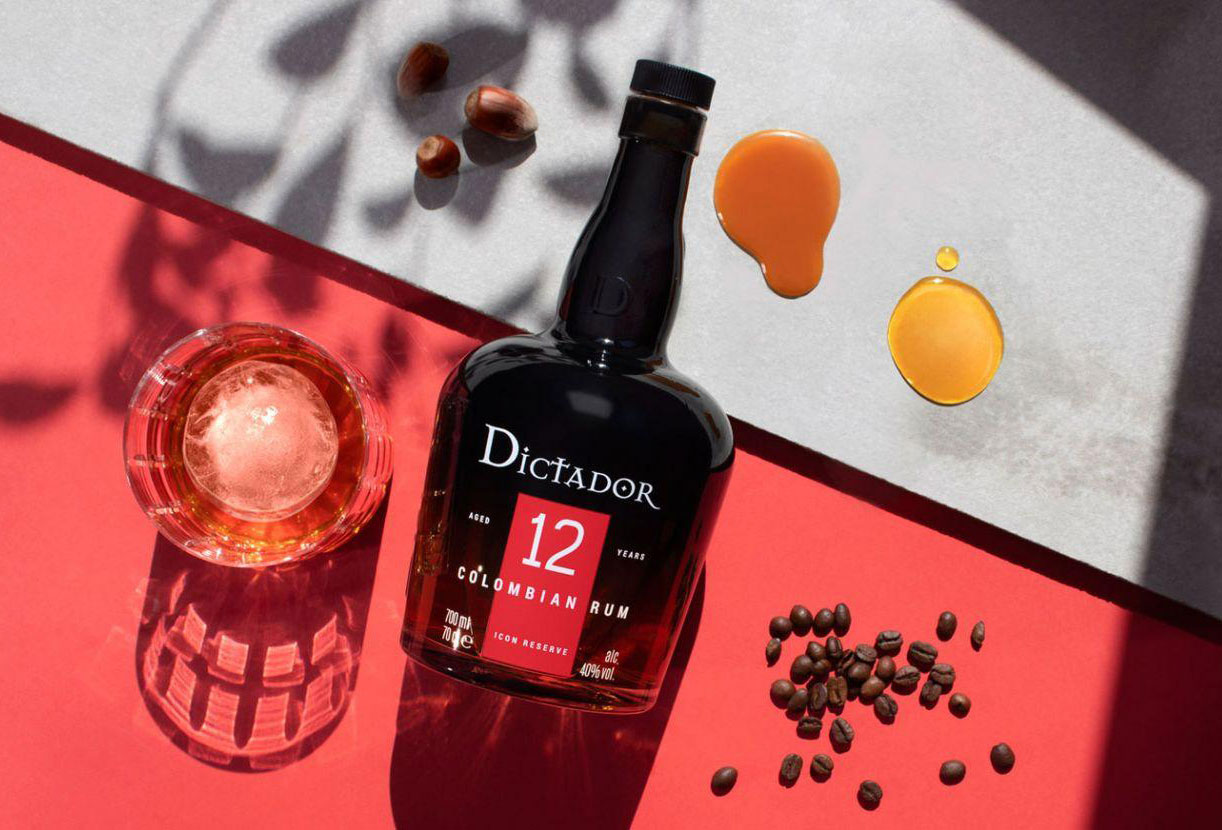
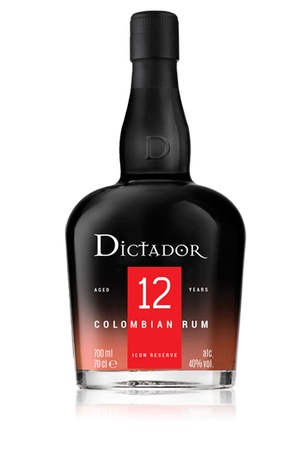
Dictador's Colombian aged rums occupy an interesting position in the category — the solera ageing system, borrowed from the Sherry tradition, creates a consistency and richness that distinguishes the Colombian style from the pot-still-dominated Caribbean expressions. The 12 Year Old is the most accessible of the aged Dictador range: rich toffee and dried fruit, a sweet density that makes it particularly easy to approach, and enough genuine complexity to reward the attention of a serious drinker.
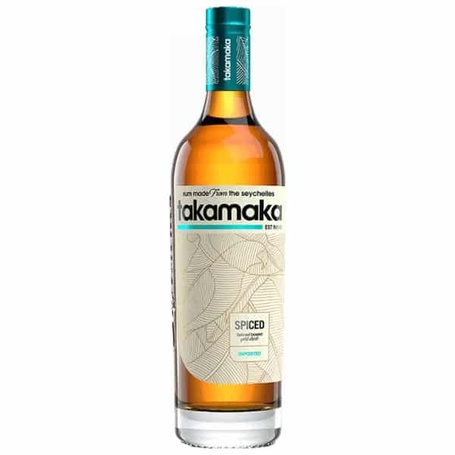
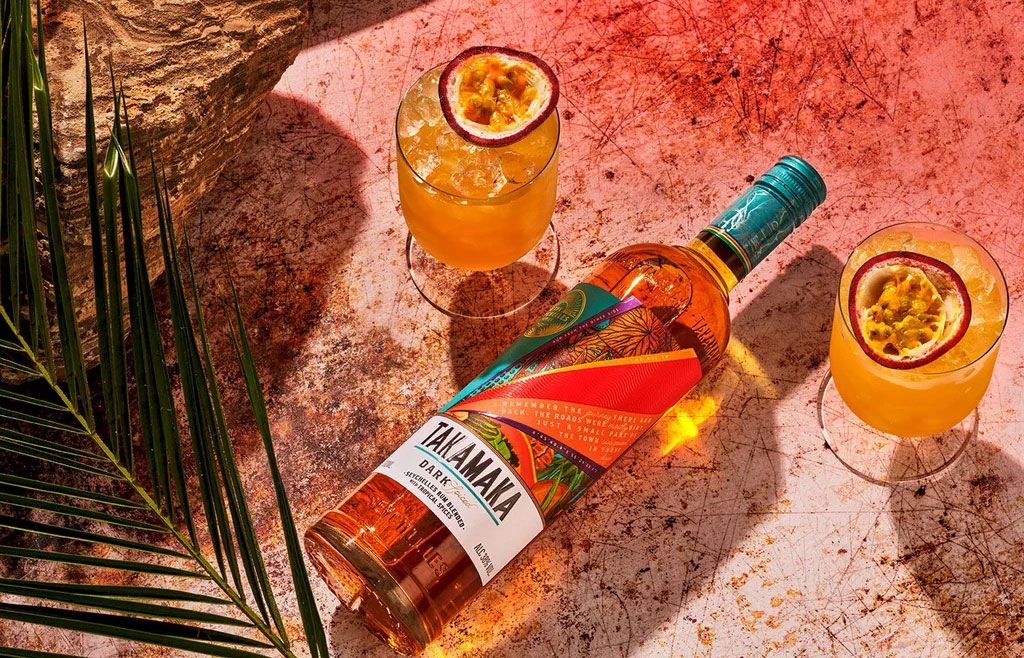
Takamaka comes from Seychelles — a rum-producing territory that most category guides overlook entirely — and the spiced expression carries an Indian Ocean character that genuinely distinguishes it from Caribbean equivalents: coconut, tropical spice, a freshness that reflects the island's proximity to the equator. At £26 it is one of the best-value bottles on the SlowSip catalogue for anyone approaching premium rum for the first time.
Rum has spent thirty years building a reputation problem that the best producers are now spending considerable effort dismantling. The process is incomplete — there are still too many bottles on too many shelves that confirm the worst assumptions about the category — but the direction of travel is clear. Diplomatico's Reserva Exclusiva on the same shelf as Hennessy VSOP. Appleton 21yr reviewed with the same seriousness as a Balvenie or a Kavalan. Renegade applying a terroir philosophy to sugarcane that most whisky producers haven't yet applied to barley.
The rum reckoning isn't coming. It's already here. The question is whether you're drinking it yet.