Departments
 Departments
Departments
Departments

New to Slowsip? Create Account
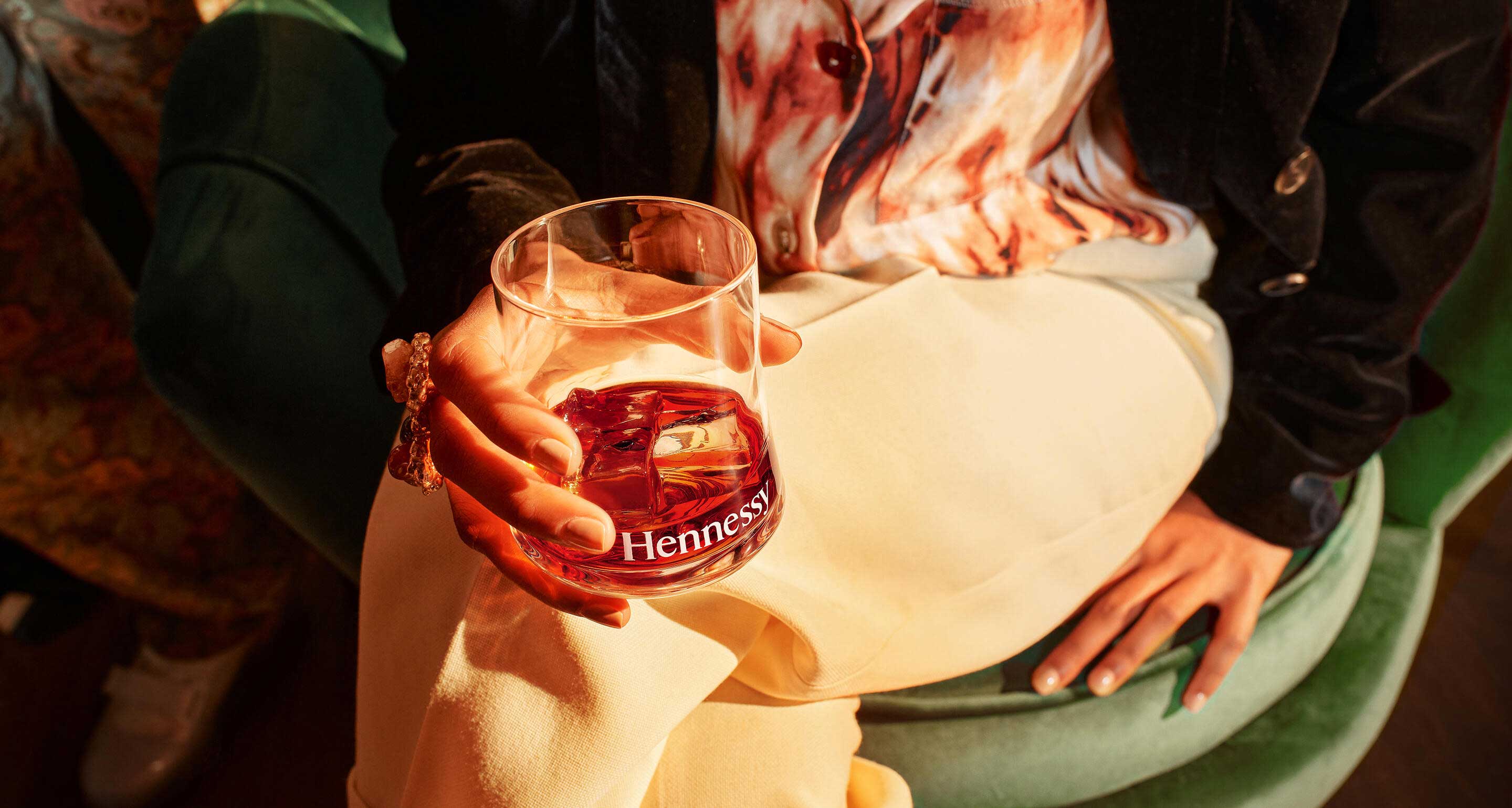
Most people who have heard of Cognac have heard of exactly one thing about it: that it comes in a bottle shaped like a question mark and gets poured into oversized glasses in films about people with more money than sense. This reputation is not entirely undeserved, and it is also doing the category a serious disservice. Cognac is one of the most rigorously regulated spirits in the world — a double-distilled brandy from a specific region of southwestern France, aged in French oak, governed by appellation rules nearly as strict as Champagne's. The fame obscures the craft.
Four houses account for the overwhelming majority of Cognac sold worldwide: Hennessy, Rémy Martin, Martell, and Courvoisier. Between them they represent more than two centuries of accumulated technique, and — more usefully for anyone trying to choose a bottle — four genuinely distinct house styles. Understanding the difference is the difference between picking a Cognac because the bottle looked expensive and picking one because you know what you're going to get.
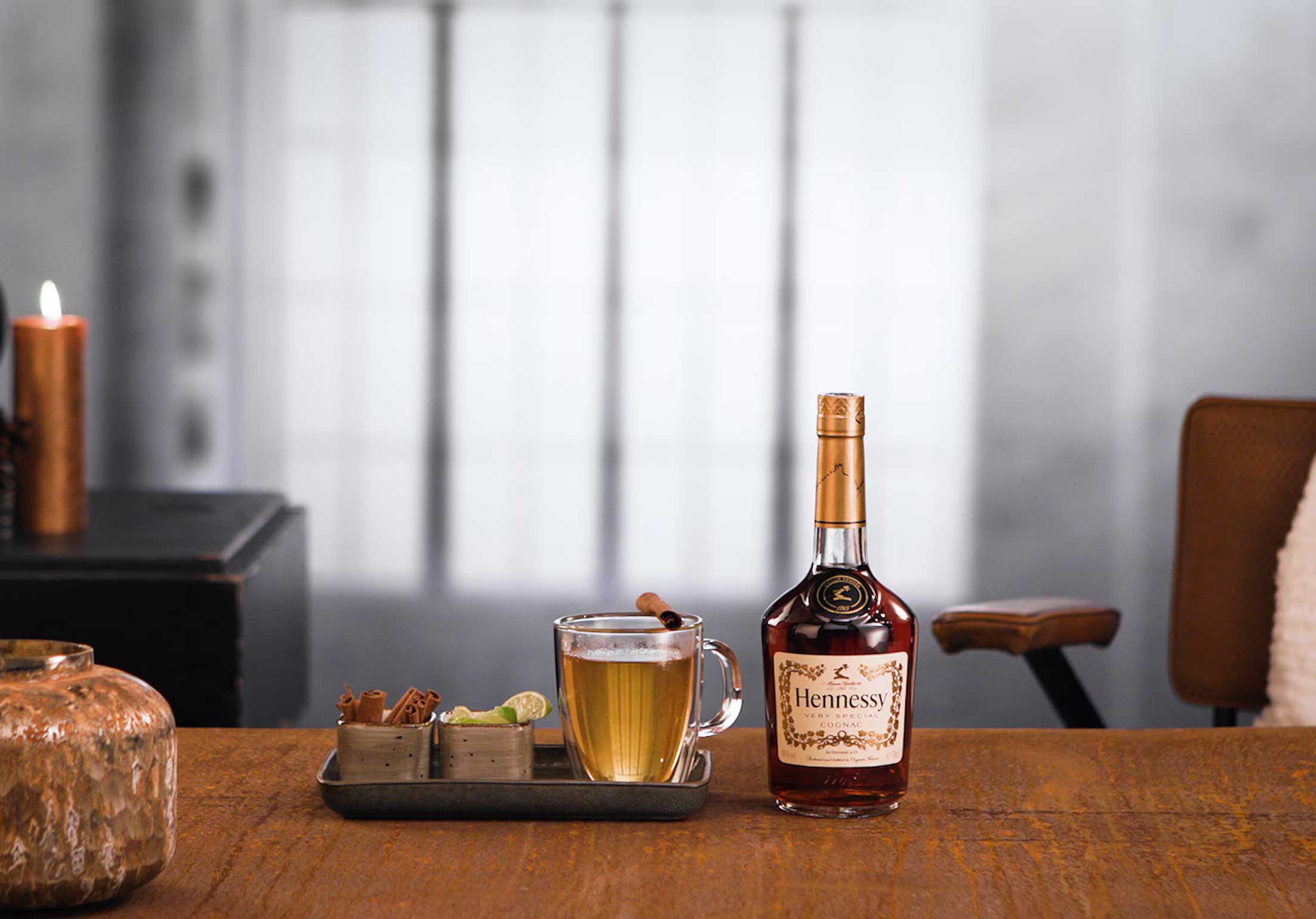
Hennessy is the largest Cognac house in the world by some distance, founded in 1765 by an Irish soldier named Richard Hennessy who settled in the town of Cognac after serving in the French army. That scale is sometimes held against the house by drinkers who equate size with dilution of quality — an assumption that doesn't survive contact with the actual liquid.
Hennessy's signature is consistency achieved through blending mastery. The house draws on an extraordinary reserve of aged eaux-de-vie — reportedly the largest stock of aged Cognac in the world — which allows their master blenders to construct expressions of remarkable precision, vintage after vintage, regardless of how any single year's harvest performed. This is industrial scale in service of craft, not instead of it.
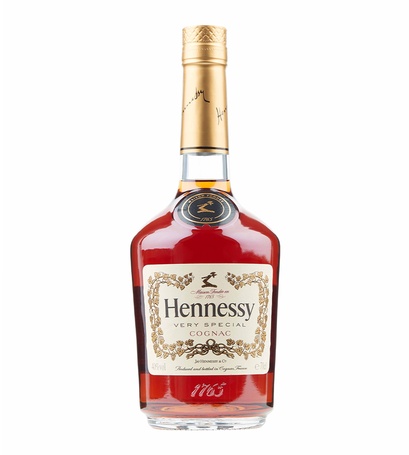
VS — Very Special — is Hennessy's entry point and the bottle most people have actually tasted, whether they realise it or not. Young, fiery, built more for mixing than contemplation: vanilla and dried fruit over a robust grape spirit character. Don't expect subtlety. Expect a Cognac that works in a Sidecar or over ice without apology.
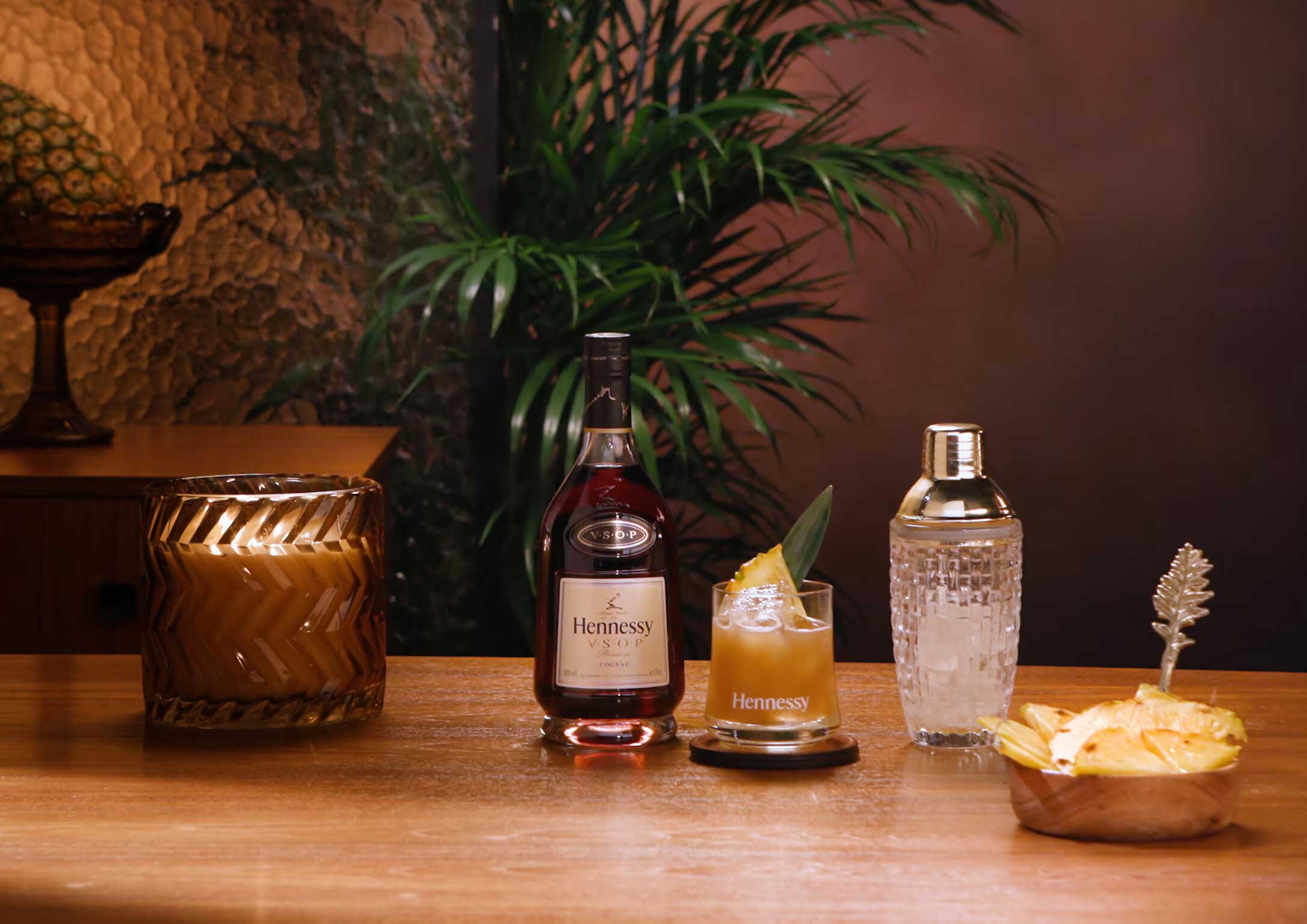
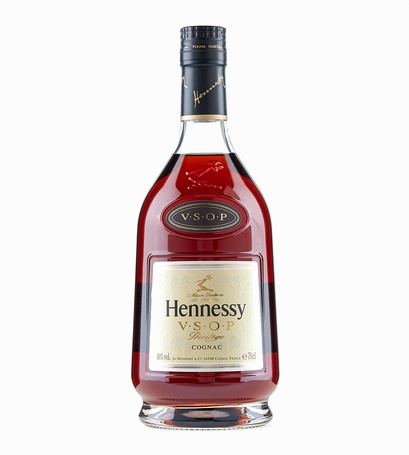
VSOP — Very Superior Old Pale — is where Hennessy's reputation actually lives. A minimum of four years in oak, though the house blend typically draws on considerably older eaux-de-vie alongside the legal minimum. The result is rounder and more complex than the VS: dried apricot, toasted oak, a gentle spice that builds through the finish. This is the bottle to drink neat, in a proper glass, with nothing competing for attention.
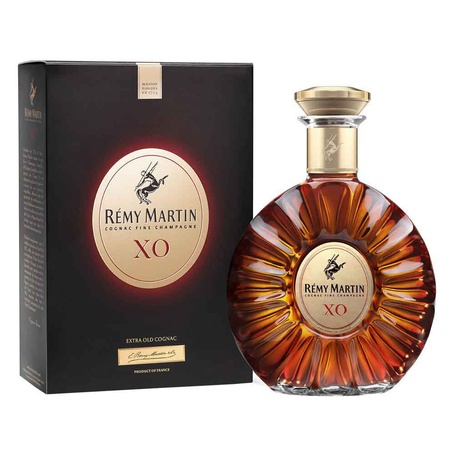
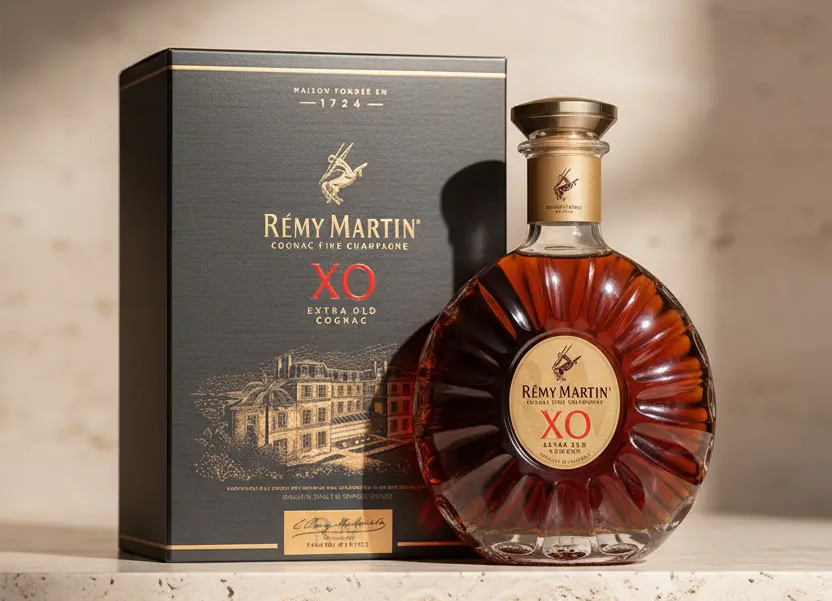
Rémy Martin makes a specific and defensible claim that none of the other three houses can match with equal rigour: every drop of Rémy Martin Cognac comes exclusively from Fine Champagne — the two most prized growing zones in the Cognac appellation, Grande Champagne and Petite Champagne, where the chalky soil produces eaux-de-vie of particular finesse and ageing potential.
This is not marketing language so much as a structural commitment that shapes everything the house produces. Where Hennessy and Martell blend across the full range of Cognac's six growing zones to achieve their house style, Rémy Martin restricts itself to the two best, which means a narrower stylistic range but a more immediately apparent quality ceiling.
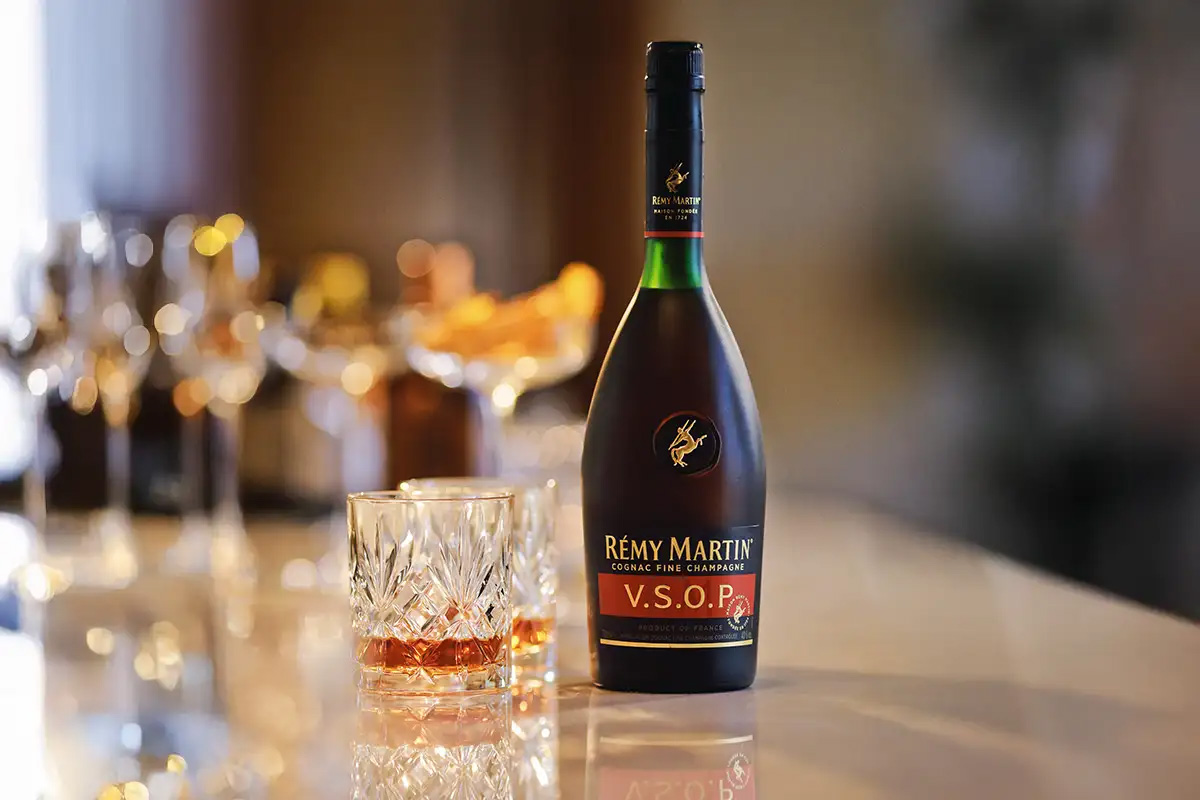
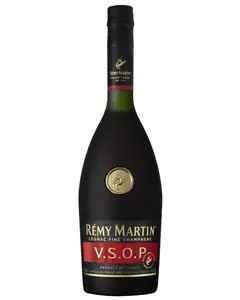
Rémy Martin's VSOP is widely regarded as one of the category's benchmark expressions at this level — floral and fruit-forward, with the chalky minerality that Fine Champagne fruit reliably produces. Apricot and fig over a base of toasted almond, finishing with a gentle warmth rather than the fierier edge that some house VSOPs carry. This is the most approachable serious Cognac on this list.
Rémy Martin's VSOP is widely regarded as one of the category's benchmark expressions at this level — floral and fruit-forward, with the chalky minerality that Fine Champagne fruit reliably produces. Apricot and fig over a base of toasted almond, finishing with a gentle warmth rather than the fierier edge that some house VSOPs carry. This is the most approachable serious Cognac on this list.
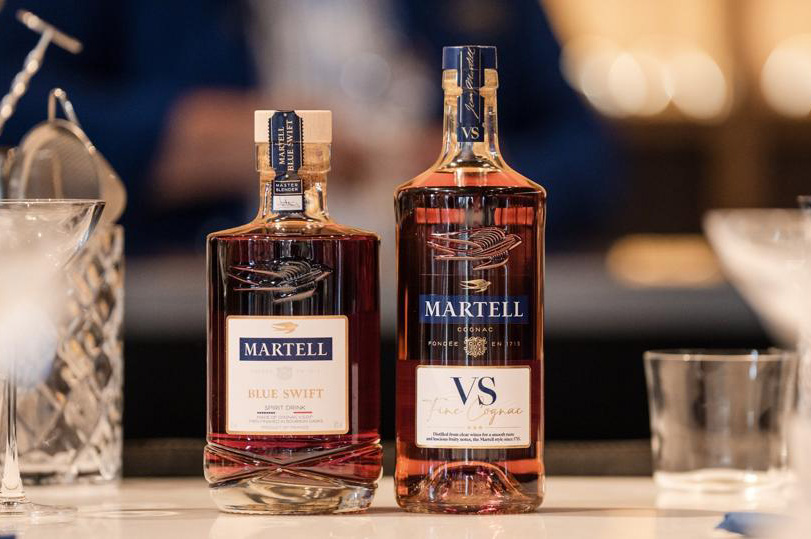
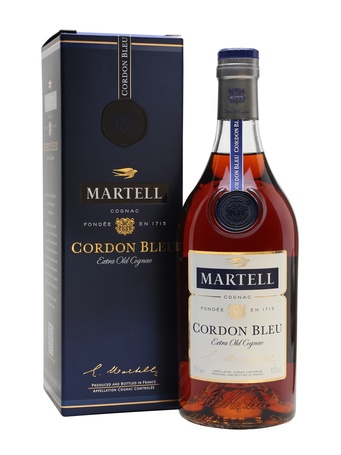
Martell has the distinction of being the oldest of the four great Cognac houses, founded in 1715 by Jean Martell — predating Hennessy by half a century. That history shows in the house's approach: Martell favours fruit from the Borderies growing zone more heavily than its rivals, a small appellation known for producing eaux-de-vie with a distinctive violet and nutty character that sets Martell apart on the palate.
Where Hennessy builds richness and Rémy Martin builds finesse, Martell builds elegance — Cognacs that are lighter on the palate, more aromatic, less reliant on the heavy oak and dried fruit notes that define the other houses. It is, in some respects, the most distinctly French of the four in style: restraint over assertion.
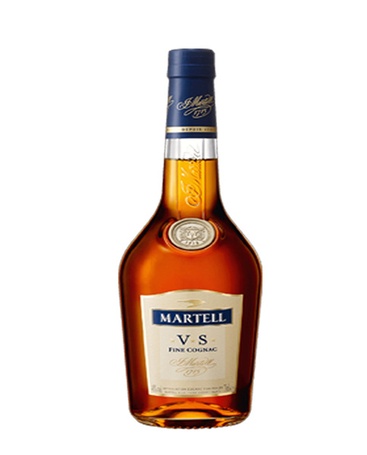
Martell's VS carries the Borderies signature even at entry level — a lighter, more floral character than Hennessy or Rémy Martin's equivalent expressions, with a fresh fruitiness that makes it noticeably easier to drink without ice. Useful evidence that 'entry level' need not mean 'characterless.'
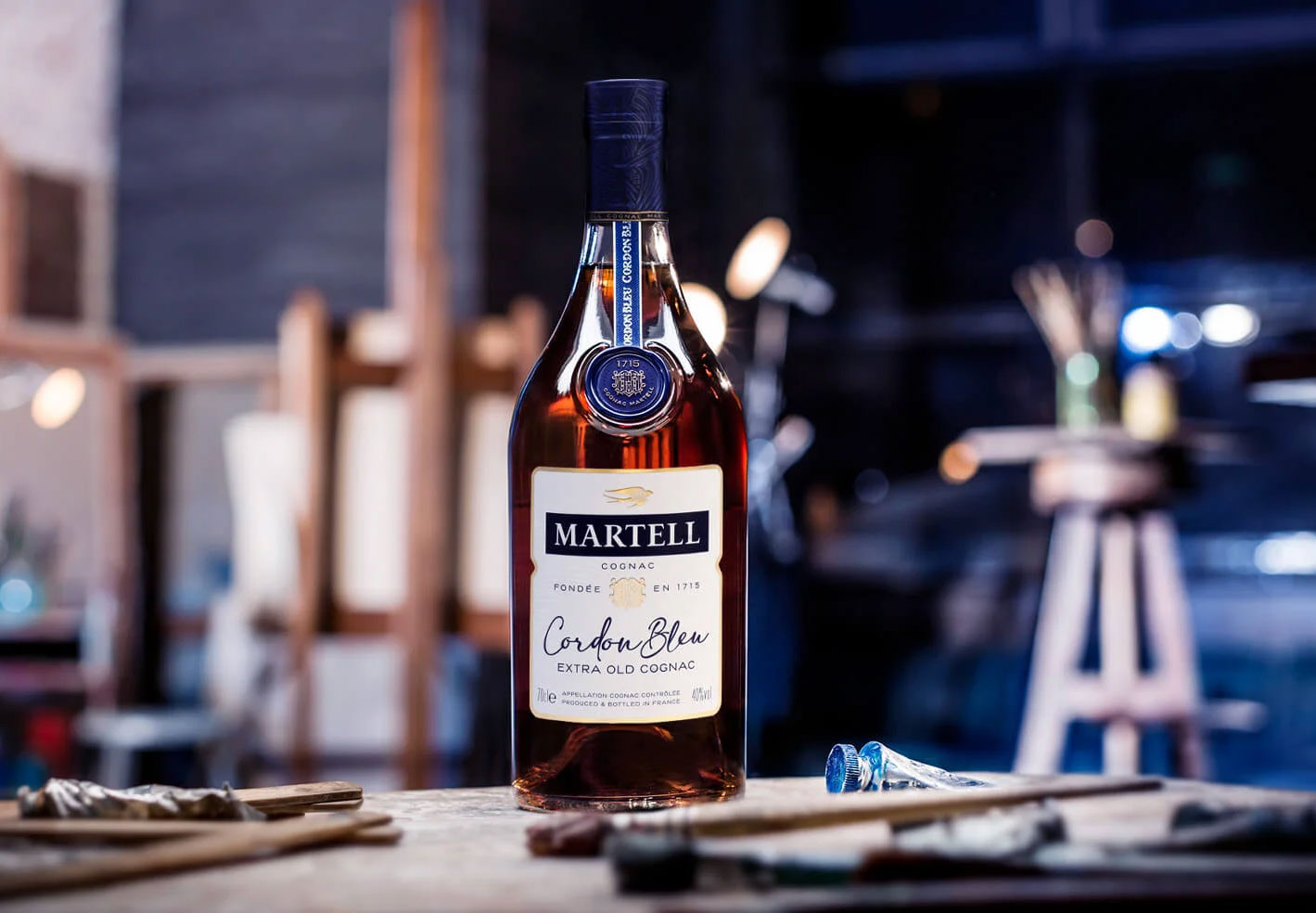
Cordon Bleu is Martell's most celebrated expression and has been since its creation in 1912 — a blend built around aged Borderies and Grande Champagne eaux-de-vie that delivers the house's signature elegance at genuine depth. Dried fruit, gentle spice, and a distinctive violet aromatic note that experienced Cognac drinkers learn to recognise as unmistakably Martell. One of the great classic expressions in the category, and arguably underrated relative to its quality.
Courvoisier built its reputation on an association with Napoleon Bonaparte — the house claims the emperor brought cases of their Cognac on his campaigns, and "The Cognac of Napoleon" has remained part of the brand's identity for two centuries. Whatever the precise historical accuracy of the claim, the marketing instinct behind it was sound: Courvoisier has positioned itself, consistently, as the house with imperial ambition.
In practice, Courvoisier's house style sits between Hennessy's richness and Martell's elegance — a balanced approach that draws on fruit from across the Cognac appellation rather than favouring any single growing zone as heavily as its rivals. The result is a versatile house character that performs well both in classic Cognac serves and in the cocktail applications that have become increasingly central to how younger drinkers encounter the category.
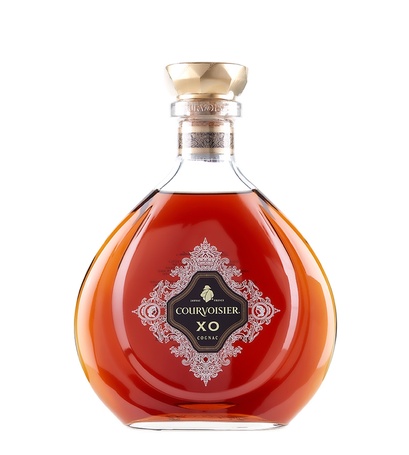
Courvoisier's XO is the house's flagship statement — a minimum of ten years in oak, with the blend typically drawing on considerably older reserves. Rich dried fruit, dark chocolate, a long warming finish with a characteristic note of toasted oak that distinguishes it from Hennessy or Rémy Martin's equivalent tier. A serious Cognac that rewards a proper glass and an unhurried evening.
The dominance of Hennessy, Rémy Martin, Martell, and Courvoisier in the popular imagination obscures a thriving ecosystem of smaller houses producing Cognac of genuine character, often at considerably better value than the famous names command.
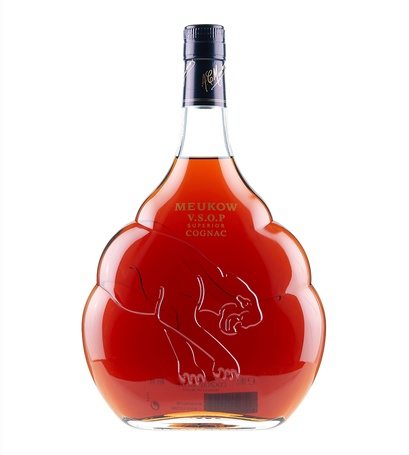
Meukow has operated since 1862 with a noticeably more contemporary approach to branding than its larger rivals — the distinctive black panther on the label signals a house unafraid to position itself differently. The VSOP underneath that branding is a genuinely well-made Cognac: dried fruit and vanilla, a smooth approachable character that offers excellent value against the big four's equivalent expressions.
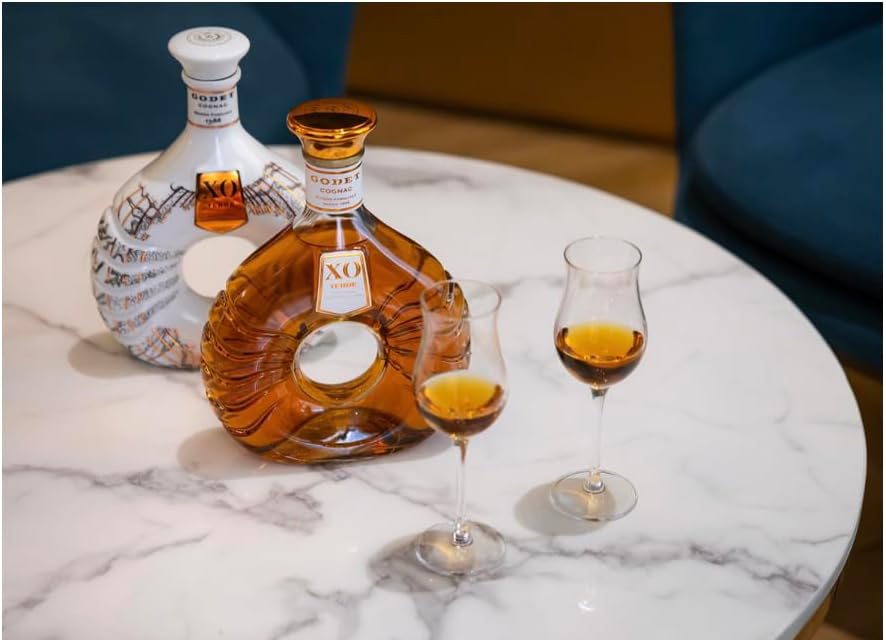
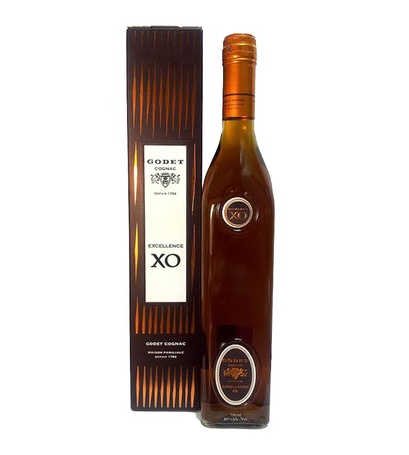
Godet is one of Cognac's more interesting smaller houses, founded in 1838 and still family-controlled — a rarity in a category increasingly consolidated under large luxury conglomerates. Their XO Excellence demonstrates what independent houses can achieve outside the scale demands of the big four: dried fruit and toasted spice with real depth, at a price that undercuts the equivalent Hennessy or Rémy Martin XO by a meaningful margin. Worth seeking out for drinkers who want serious Cognac without the premium attached to the most recognised names.
The big four houses did not arrive at their dominance through marketing alone, whatever the Napoleon stories might suggest. Each represents a genuine and defensible philosophy of what Cognac can be: Hennessy's blending mastery at scale, Rémy Martin's Fine Champagne purity, Martell's Borderies elegance, Courvoisier's balanced versatility. Knowing the difference doesn't just make you a more informed drinker. It makes the next bottle you choose an actual decision, rather than a guess dressed up as one.