Departments
 Departments
Departments
Departments

New to Slowsip? Create Account
The most revealing thing on a bottle of Champagne is printed so small that most people never find it. Down near the base of the label, in characters a few millimetres high, sit two letters and a number. NM. RM. CM. They are not a batch code. They tell you who actually made the wine — whether it came from a house that buys grapes from hundreds of farmers and blends them into a familiar style, or from a grower who tends a few hectares, watches them ripen, and bottles the result under their own name. For a century, the first kind ran Champagne. Lately, the second kind has become the most interesting thing in the glass.
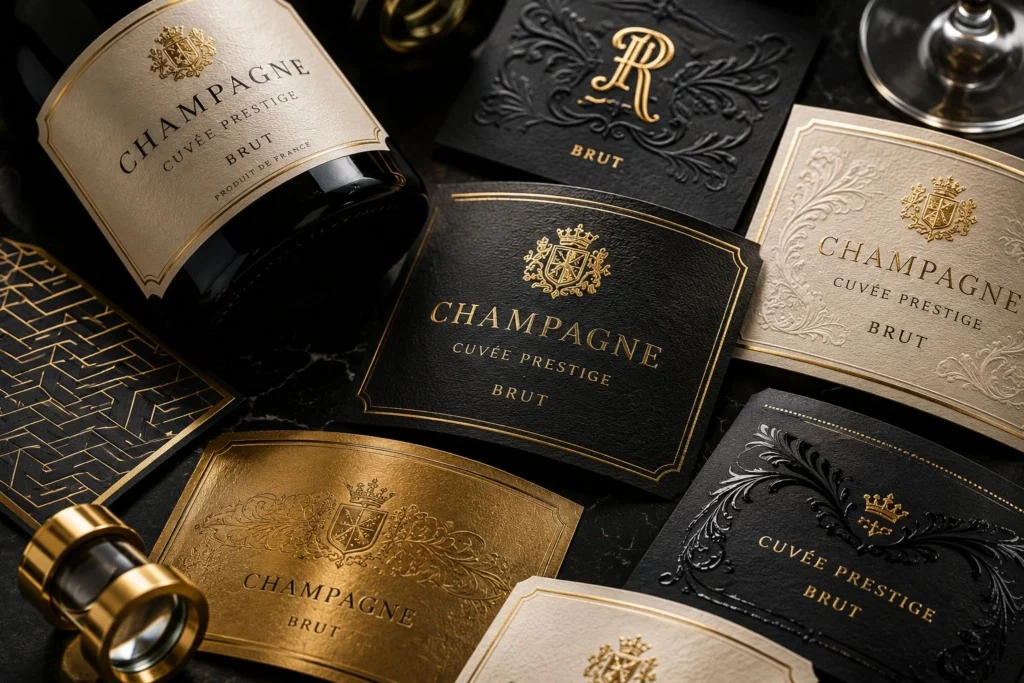
Those initials are a map of how Champagne works. NM stands for négociant-manipulant — a house that may own some vineyards but buys most of its fruit, then blends across villages and vintages to make the same wine, year after year, at scale. This is the model behind almost every name you already know. Consistency is the product: the bottle in front of you is engineered to taste like every bottle that came before it, which is both its great commercial achievement and, for some drinkers, its limitation.
CM means coopérative-manipulante, a collective that pools the harvest of thousands of small growers — which is how a widely poured, gently priced label reaches the shelf at all. RM, récoltant-manipulant, is the one to look for. It marks a grower who makes wine only from grapes they have farmed themselves. Fewer than a fifth of all Champagne is made this way, and very little of it ever leaves France. There are other codes — you will occasionally meet MA, a buyer’s own brand with no producer identity at all — but RM is the badge of authorship, and once you start looking for it the wine aisle quietly reorganises itself in front of you.
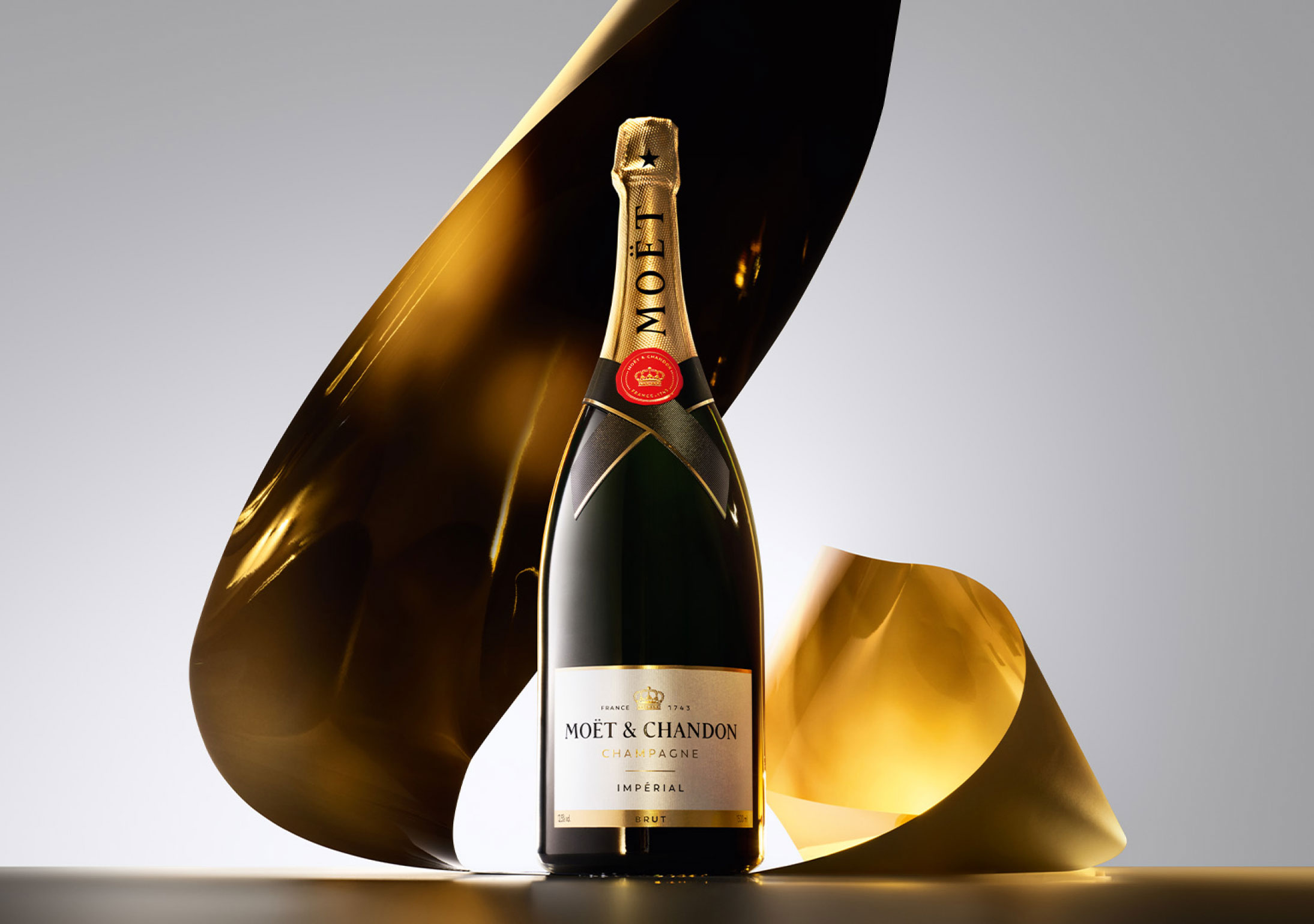
The grower idea is not new — French drinkers have bought farmer’s Champagne at the cellar door for generations — but its arrival on serious wine lists is recent, and it has changed the conversation. Champagne counts some sixteen thousand growers; for most of the last century the famous houses bought their fruit and took the credit. Where a house smooths terroir away in pursuit of a signature, a grower leans into it: a single village, sometimes a single plot, in a single year. The chalk of the Côte des Blancs tastes different from the heavier clay of the Aube, and grower Champagne lets you taste that difference rather than blending it into the background. What the growers offer in return for a little risk is singularity: no two are trying to taste like one another, let alone like a global brand. The geography is part of the romance, too. The scene is strongest in places the houses long treated simply as supply — the Aube, down towards Burgundy, and the southern slopes around Épernay — where farming families who once sold their grapes upstream now keep them, and the wines carry the unpolished accent of a single address.
Dosage — the sugar added just before the cork goes in — has fallen too, stripping away the sweetness that once papered over thin wine. The result is Champagne that behaves like wine: textured, mineral, occasionally austere, made to sit at a table rather than be sprayed from a podium. Sommeliers noticed first. The drinkers worth listening to followed.
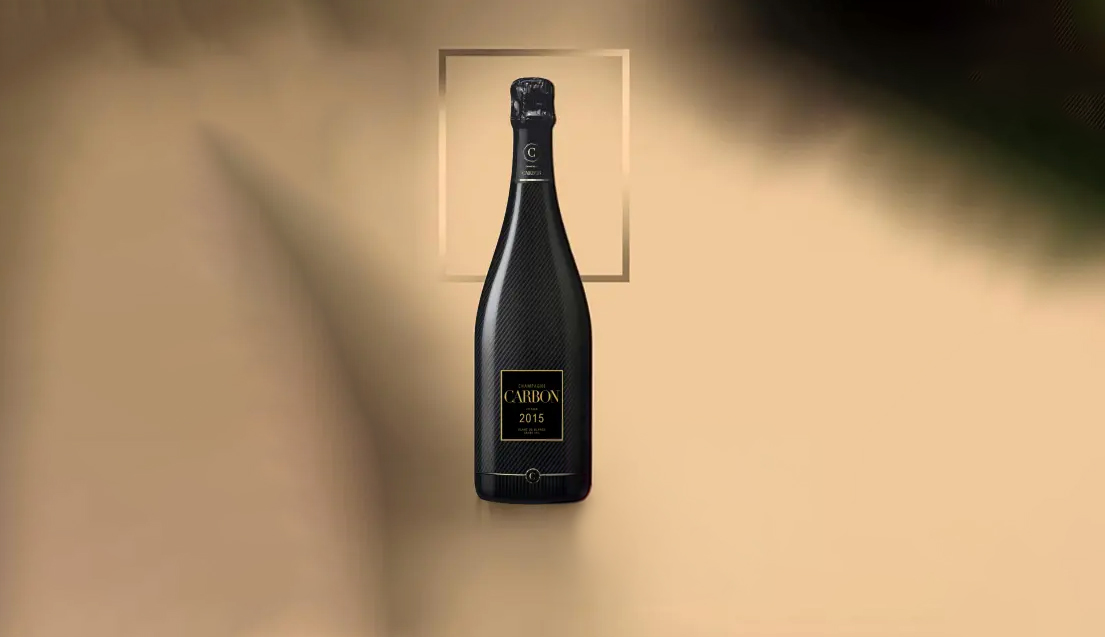
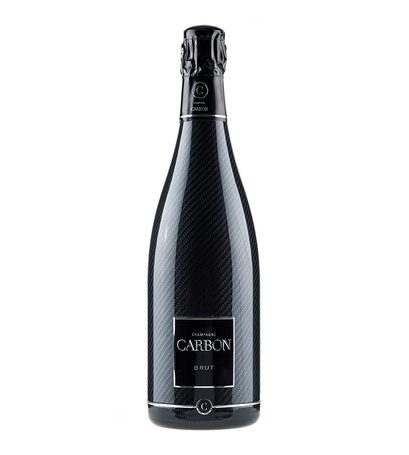
None of this means the houses have lost their nerve. If anything, the top end has doubled down on spectacle. Consider a Champagne sheathed in woven carbon fibre, a bottle built for the same world that gave us the Formula One podium and the superyacht ice bucket. It is genuinely well made, and at its loftier reaches — the marque finishes editions for Bugatti that run to several hundred pounds — it is as much an object as a drink.
There is nothing wrong with theatre; Champagne has traded on it since the nineteenth century. But spectacle and substance are not the same purchase, and the telling development of the past few years is how many drinkers have quietly decided they would rather have the second. A grower’s bottle makes no visual argument at all. It simply tastes of somewhere.
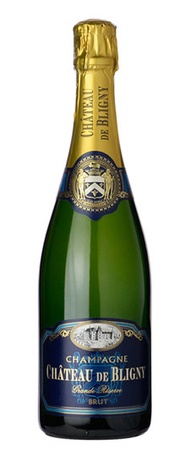
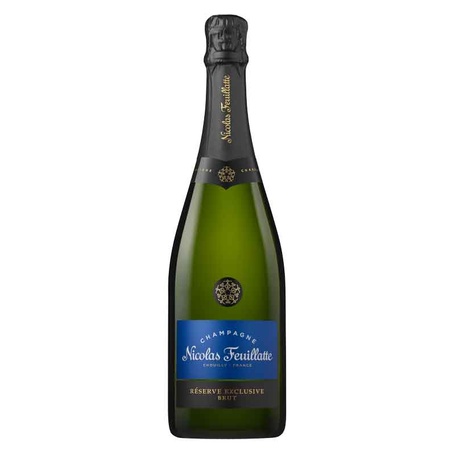
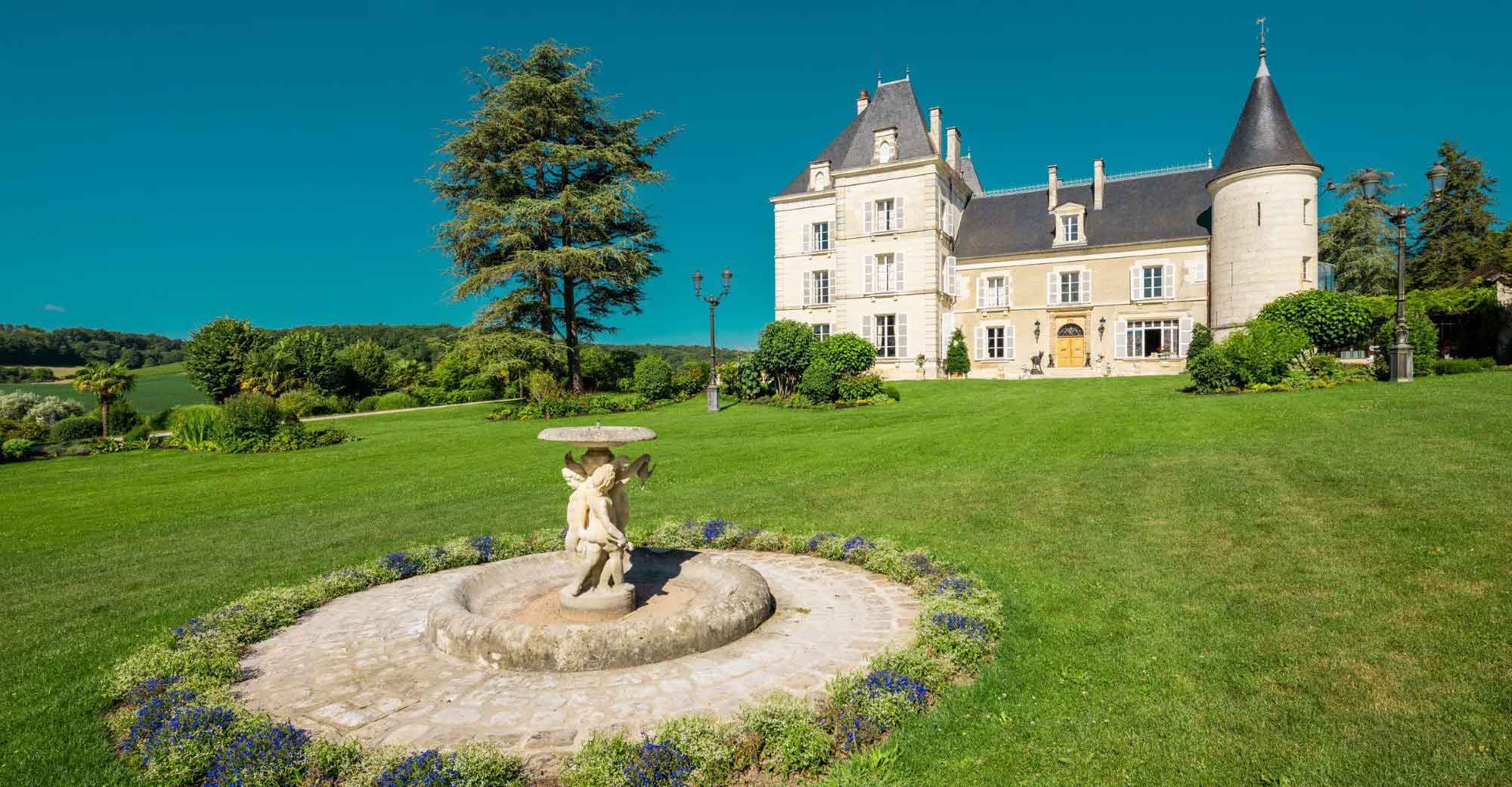
True grower bottles remain hard to find on a British shelf, which makes the next best thing worth knowing: the houses and estates that farm seriously and dress their wine plainly. Start with Château de Bligny, one of the few actual châteaux in Champagne — an estate in the Aube that grows and bottles its own fruit, about as close to the grower spirit as the mainstream market reaches, and a little under £40.
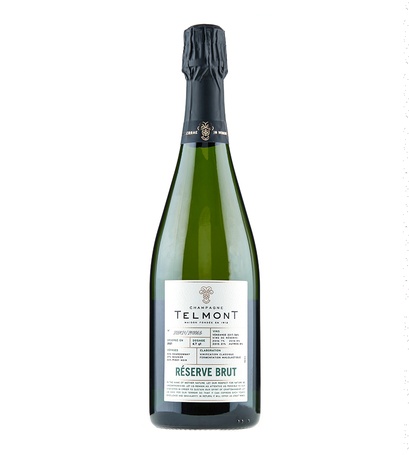
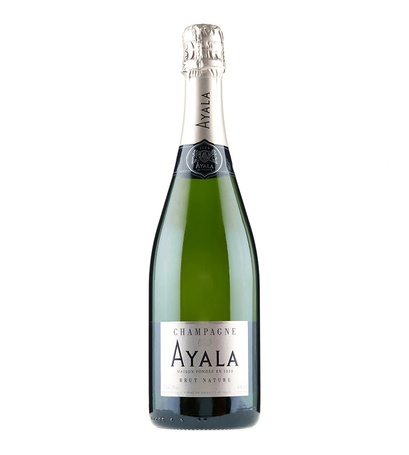
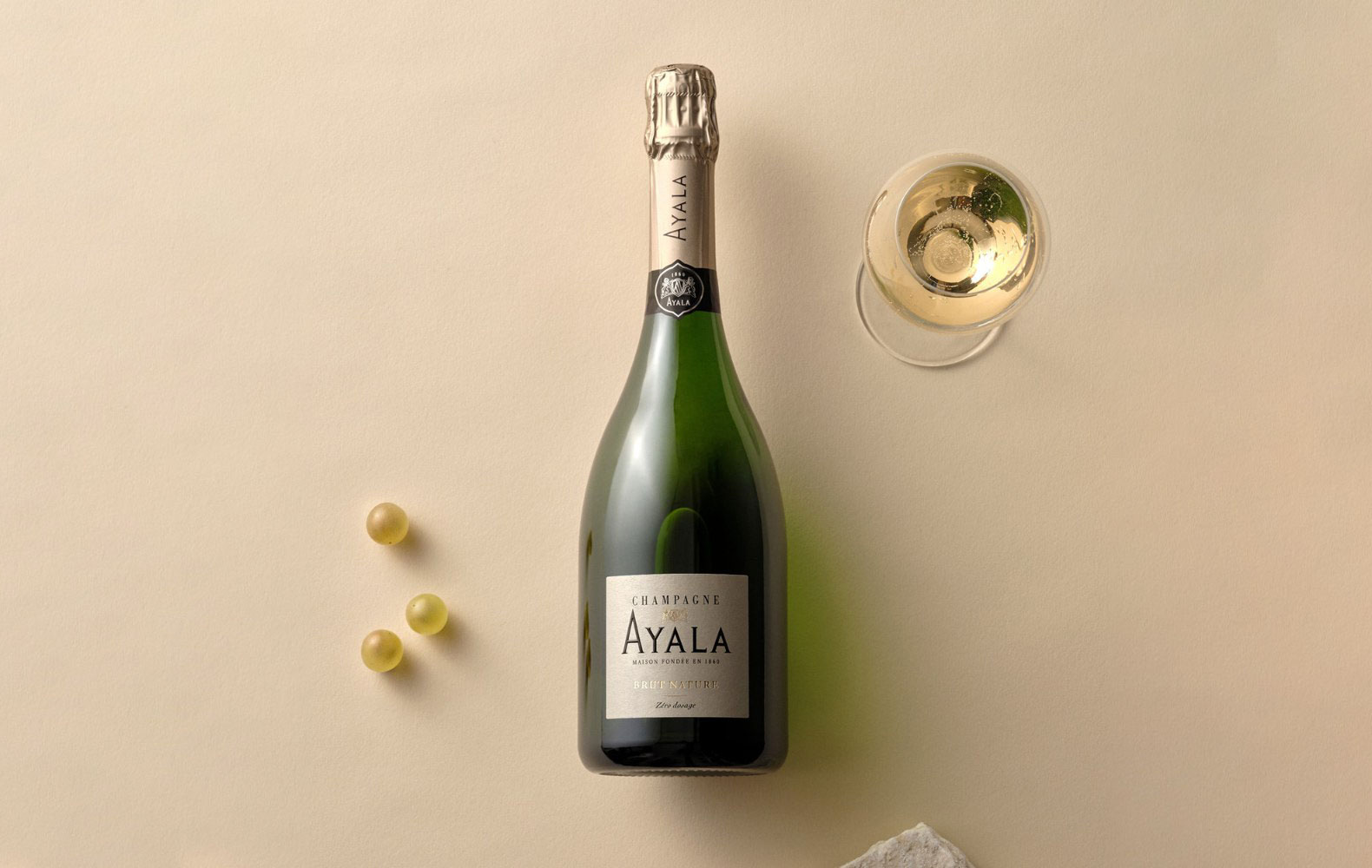
Telmont comes from an independent maison part-way through converting its vineyards to organic, a rare and public commitment in a region long built on chemistry; it sits around the £40 mark. For something drier and more revealing, Ayala’s Brut Nature is bottled with no dosage at all — no sugar to hide behind, which is exactly the point — and lands at thirty-five pounds. Each of these is better wine, and better value, than a famous label bought on its name alone. The arithmetic is plain enough: with a grande marque, a sizeable share of the price is the name on the label and the advertising behind it; with an estate wine, more of it is in the glass.
If the grower revolution has a lesson for the big names, a handful of houses learned it long ago — by owning and farming their own land rather than buying it in. Bollinger draws much of its fruit from estate vineyards held for generations, which is why its Special Cuvée tastes less like a brand and more like a place.
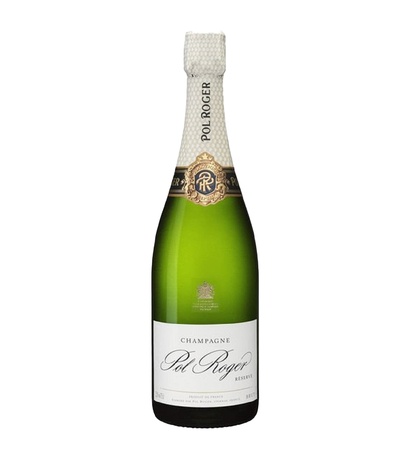
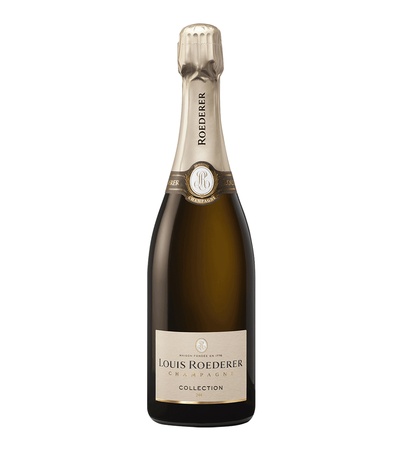
Louis Roederer comes from a family firm that began converting its holdings to biodynamics two decades ago, long before it was fashionable, and the wine has only deepened for it. Pol Roger stays stubbornly independent and family-run in an age of conglomerates, and pours with the quiet confidence that implies. These are not grower wines. But they are made by people who still farm, still own their vines, and still answer for what ends up in the bottle — which is the whole argument, scaled up.
Grower Champagne, and the estate wines alongside it, ask for slightly different handling than the party bottle. Serve them a touch warmer than instinct suggests — around ten degrees rather than fridge-cold — so the aromatics have room to speak; ice-cold Champagne tastes mostly of cold. Open them gently, a sigh rather than a bang; the theatre of the pop costs you aromatics and a little dignity besides. Reach for a white-wine glass rather than a flute, which traps the wine and flatters the bubbles at the expense of everything else. And put food on the table. The leaner, lower-dosage style that defines this new wave was built for eating: oysters and a squeeze of lemon, certainly, but also roast chicken, hard cheese, anything fried. These are wines that improve in company — with a plate, and with people paying attention.
The pleasure of grower Champagne, and of the estate wines that share its instinct, is not really about scarcity or fashion. It is about a bottle that means something specific — a year, a slope, a family that lives where the grapes grow. The big houses will always have the marketing budget and the podium. But the next time a cork comes out, it is worth asking a smaller question than which name impresses the room: whose hands actually made this, and where.