Departments
 Departments
Departments
Departments

New to Slowsip? Create Account
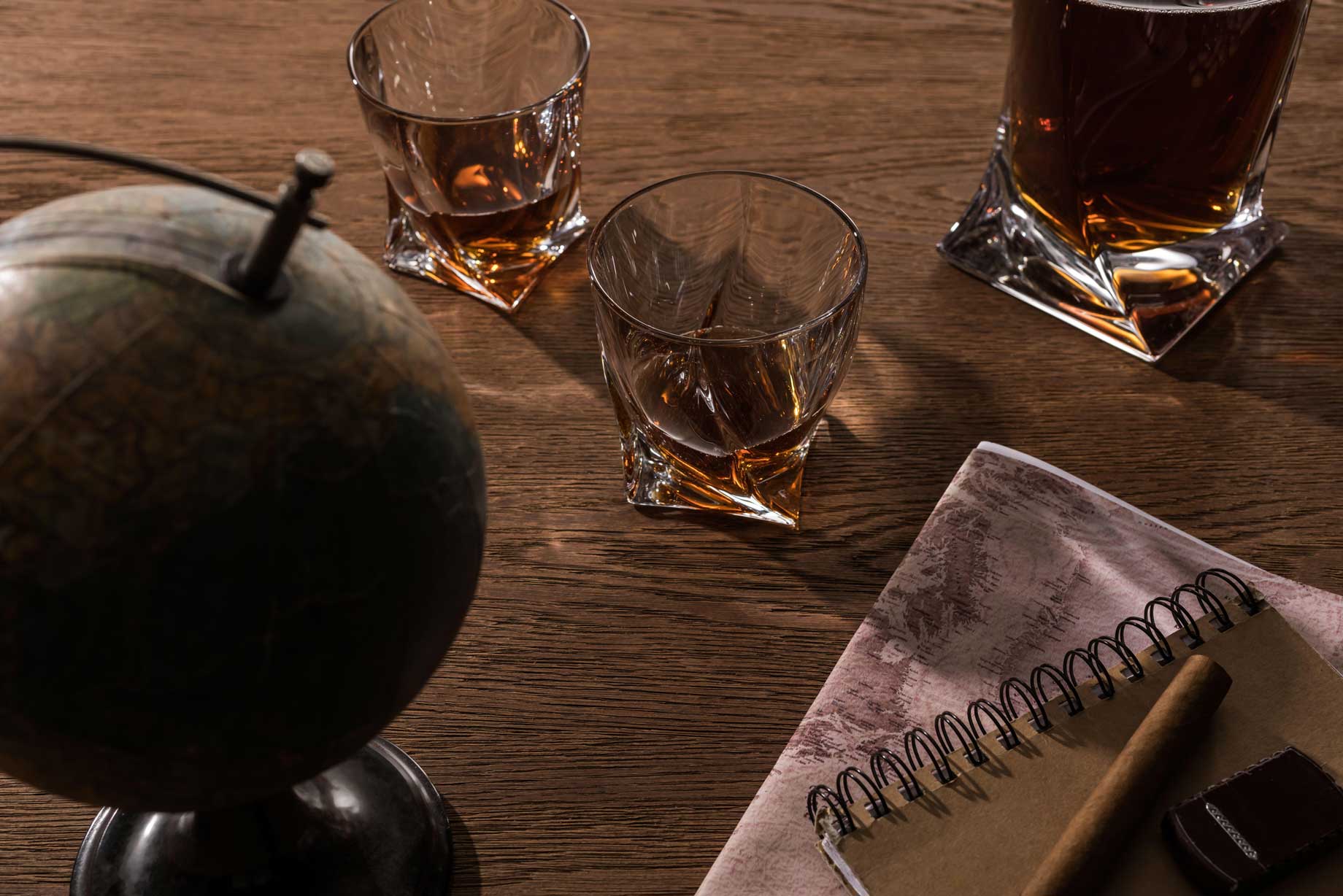
There is a particular quality to late July evenings that whisky drinkers recognise. The light is still long but something has shifted — a cooler edge to the air around nine o'clock, the suggestion that summer has turned the corner without quite admitting it yet. The gin and tonics and Daiquiris of June feel, suddenly, like they belong to a different season. The glass gets heavier. The choice gets more considered.
This is the moment whisky was made for: not the deep midwinter pour, which is its own occasion, but the transitional glass — the one that acknowledges the change without rushing toward it. The six bottles below are chosen for exactly that register. They range from £52 to £220 and from the Scottish coast to the hills of Taiwan. What they share is the quality of rewarding the attention of a drinker who is beginning, perhaps for the first time since March, to slow down.
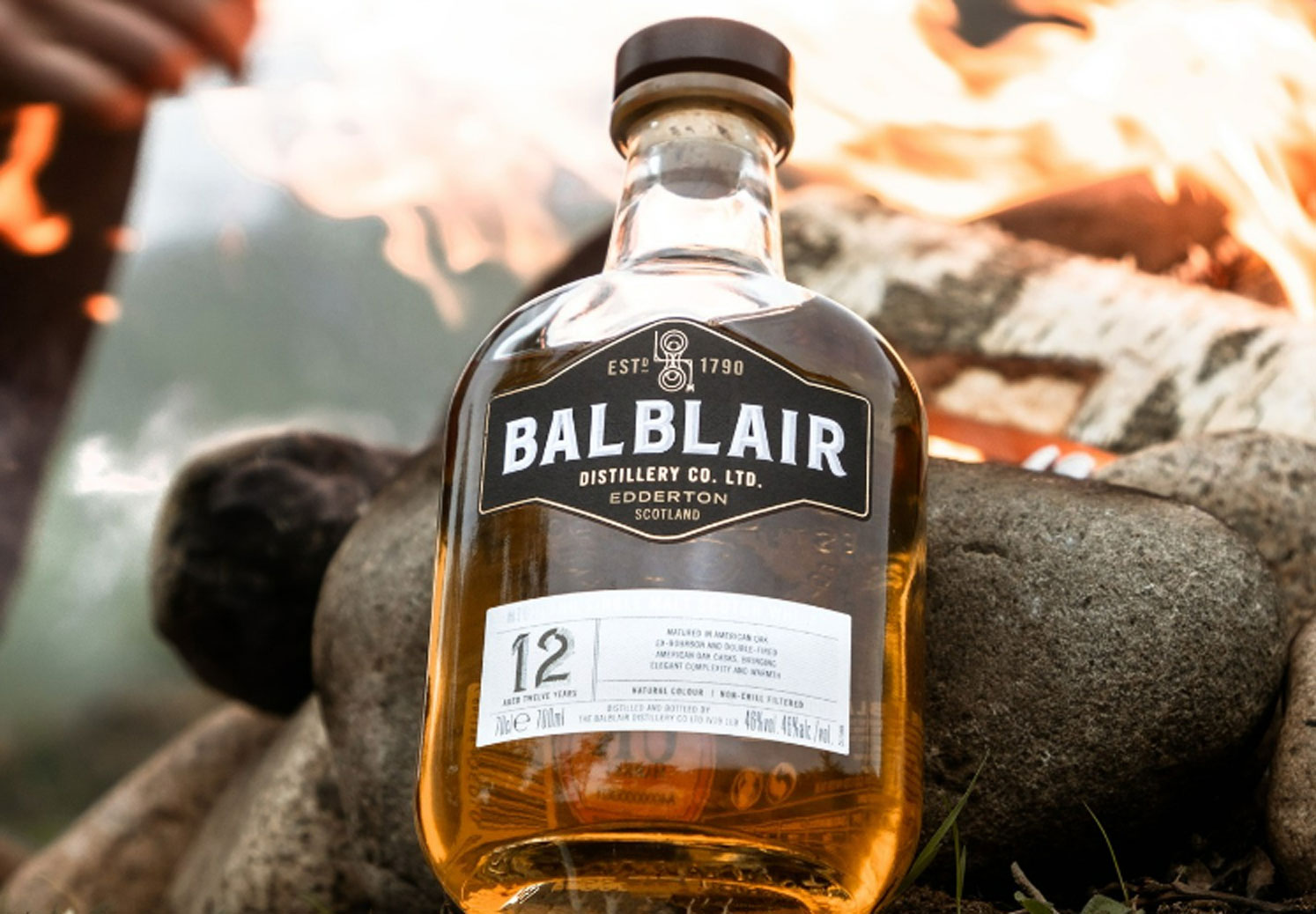
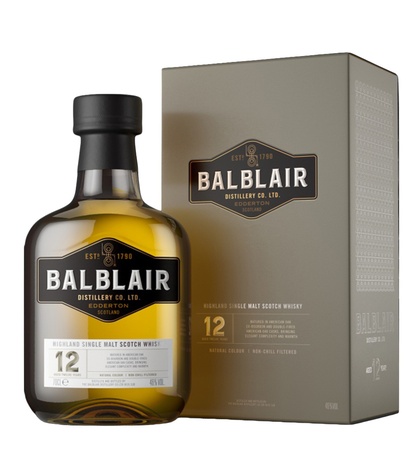
Balblair's 12 Year Old is one of the more undervalued bottles in the Highland canon — a distillery that makes good whisky without the marketing budget that makes its neighbours famous. The 12yr is matured in first-fill American oak ex-bourbon barrels and refill American oak hogsheads, producing a whisky of considerable freshness for its age: ripe fruit, vanilla, a light honey note that makes it immediately approachable without sacrificing structural interest. At £52 it sits at the accessible end of a category that can rapidly become expensive. A reliable autumn opener for those who haven't been drinking whisky all summer and want to ease back in.

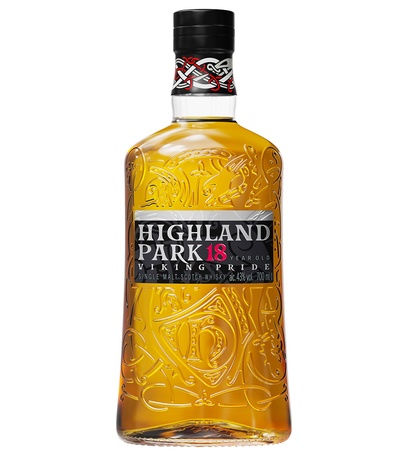
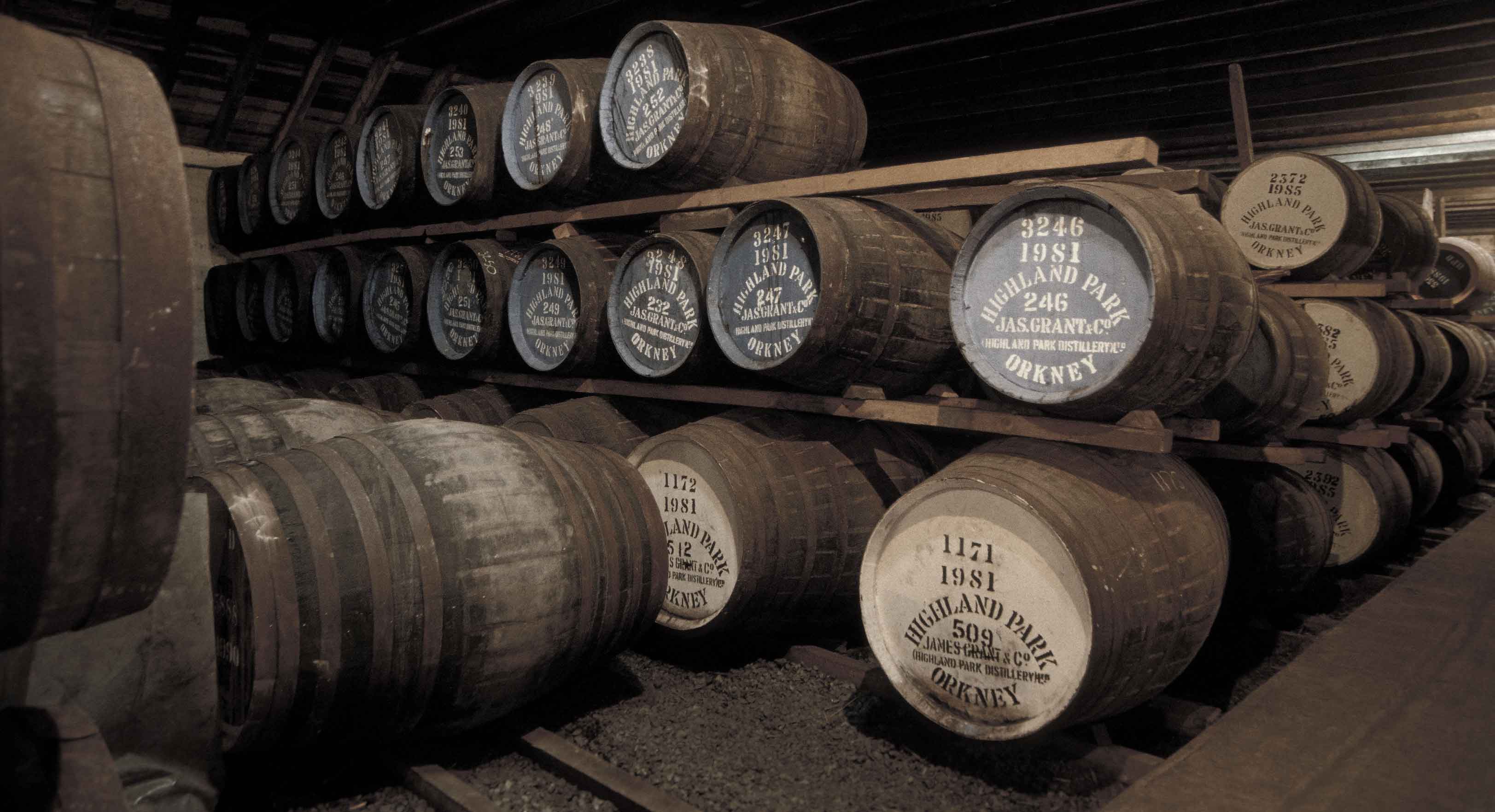
Highland Park on Orkney makes what is often described as the most complete whisky in Scotland — a claim that is both subjective and remarkably difficult to dispute. The 18 Year Old Viking expression is the house at something close to its best: aged in a combination of first-fill and refill sherry seasoned European and American oak casks, it carries the signature heather honey and dried fruit of the Orkney style alongside a subtle peat that is more suggestion than statement. The smoke is there the way fog is there on an October morning — present and atmospheric but not dominant. A whisky for the exact quality of evening this edit is describing.
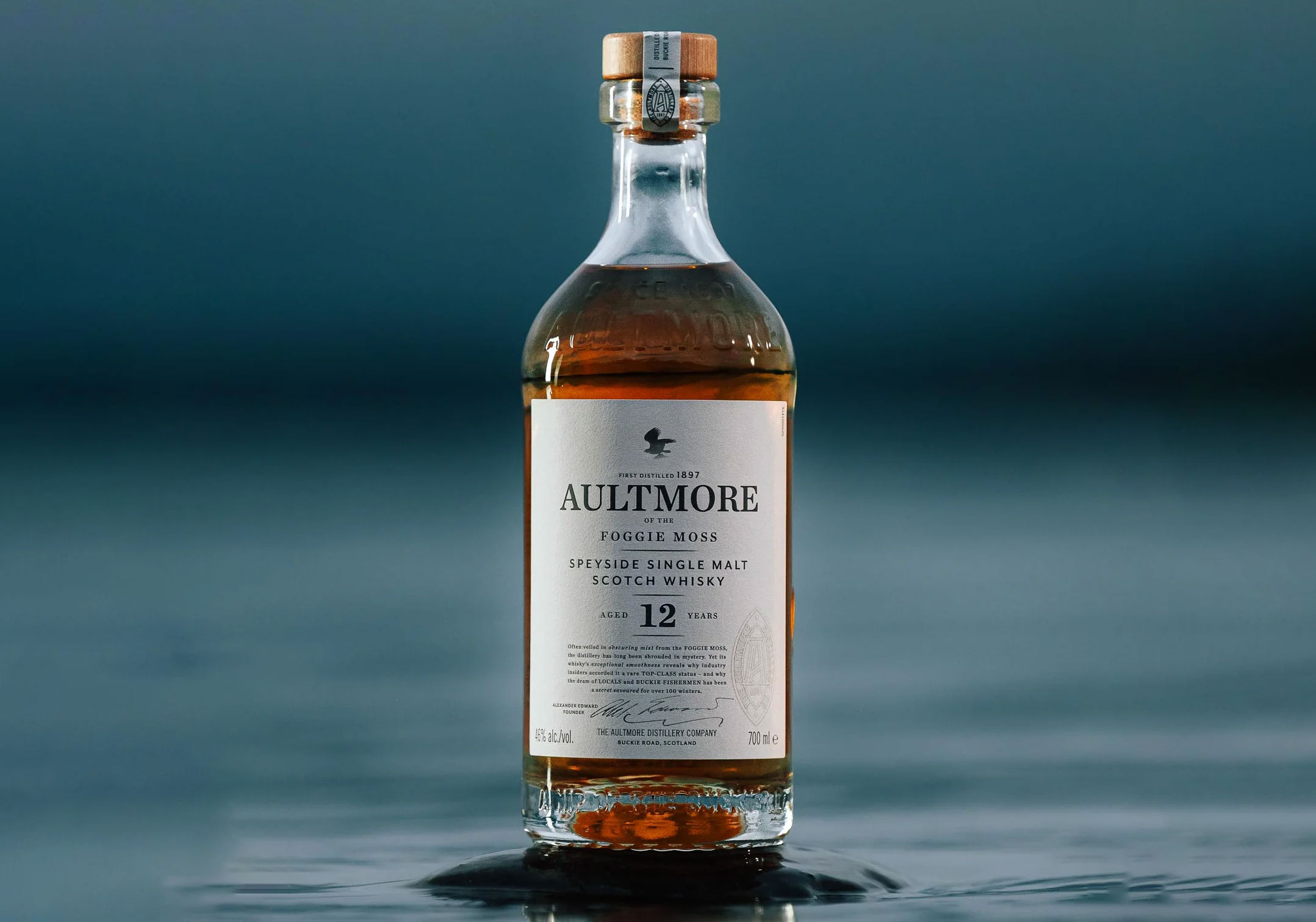
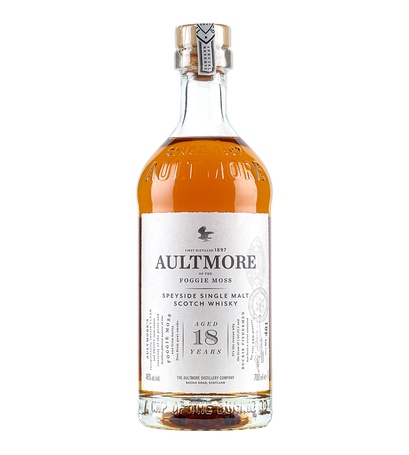
Aultmore is among the least famous distilleries in Speyside and among the most consistently excellent. The name means 'the great marsh' in Gaelic — the boggy ground surrounding the distillery in the Keith area of Speyside — and the 18 Year Old Foggie Moss carries something of that character: earthy, coastal, with a complexity that belies the distillery's relatively low profile. Eighteen years in hogsheads and first-fill American oak barrels have produced a whisky of genuine depth: dried fruit and beeswax on the nose, a slight maritime quality on the palate, a long finish with wood spice and a faint coastal salt that lingers. At £125, it is a serious bottle at a price that doesn't yet reflect the distillery's quality. That will change.
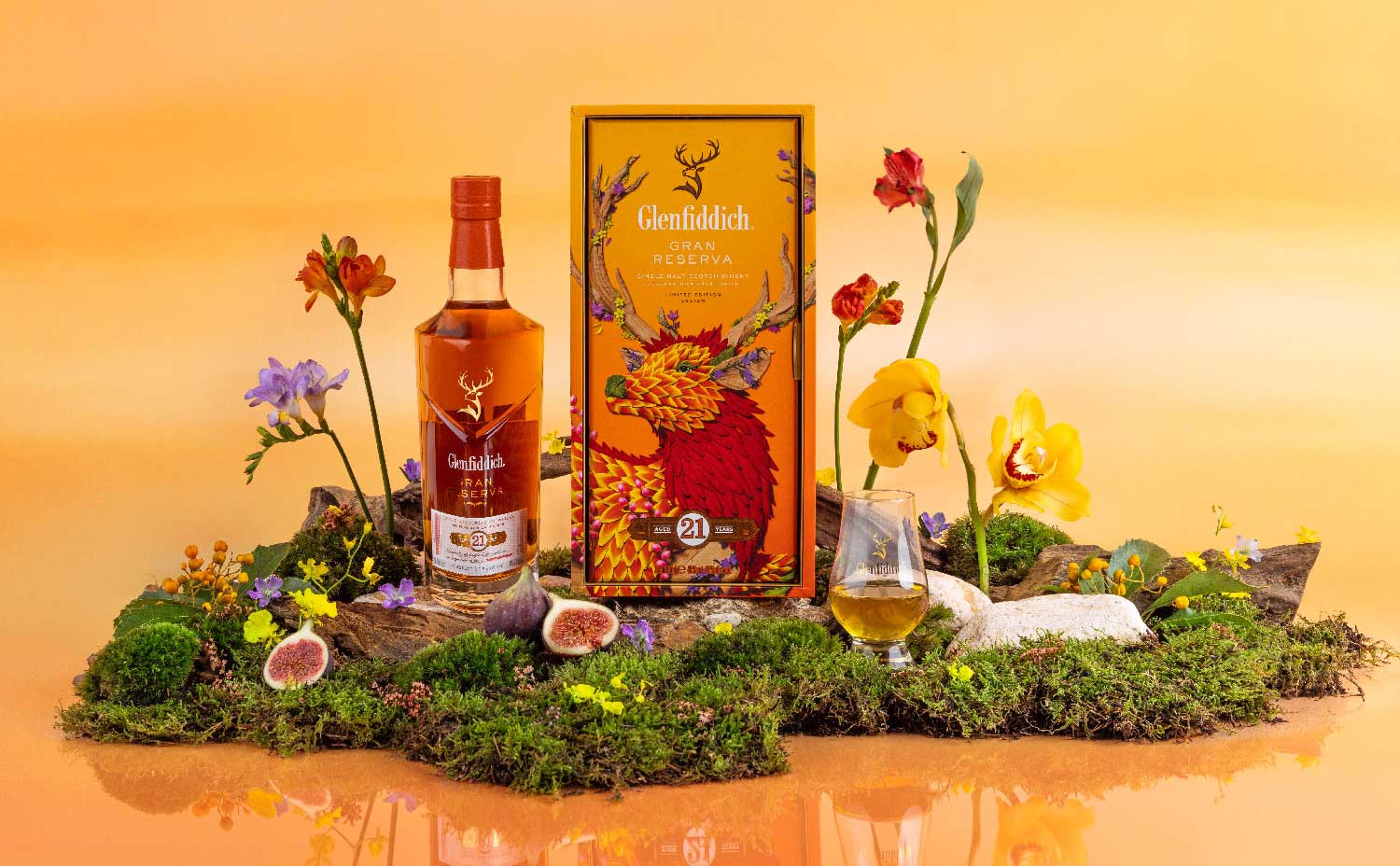
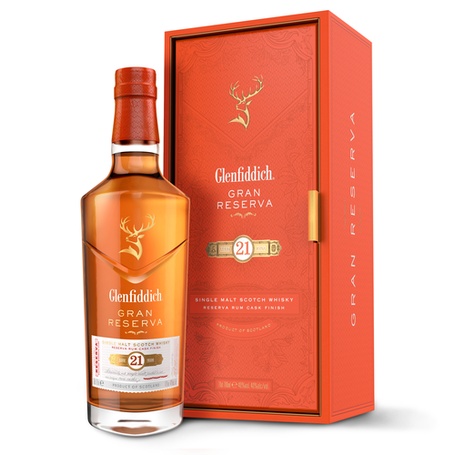
The Glenfiddich 21 Year Old Gran Reserva is the bottle that most people who drink Glenfiddich regularly have not yet tried — and should. The standard 12 and 15 year expressions are among the most reliable whiskies in the category; the 21yr Gran Reserva is a different proposition, finished in Caribbean rum casks after two decades in American and European oak. The rum finishing adds a warmth and tropical sweetness that sits in interesting counterpoint to the classic Speyside fruit and vanilla character. The result is one of the most immediately gratifying whiskies in the Glenfiddich range — not the most complex, but one of the most pleasurable to simply pour and drink without ceremony. At £170, it earns its position.
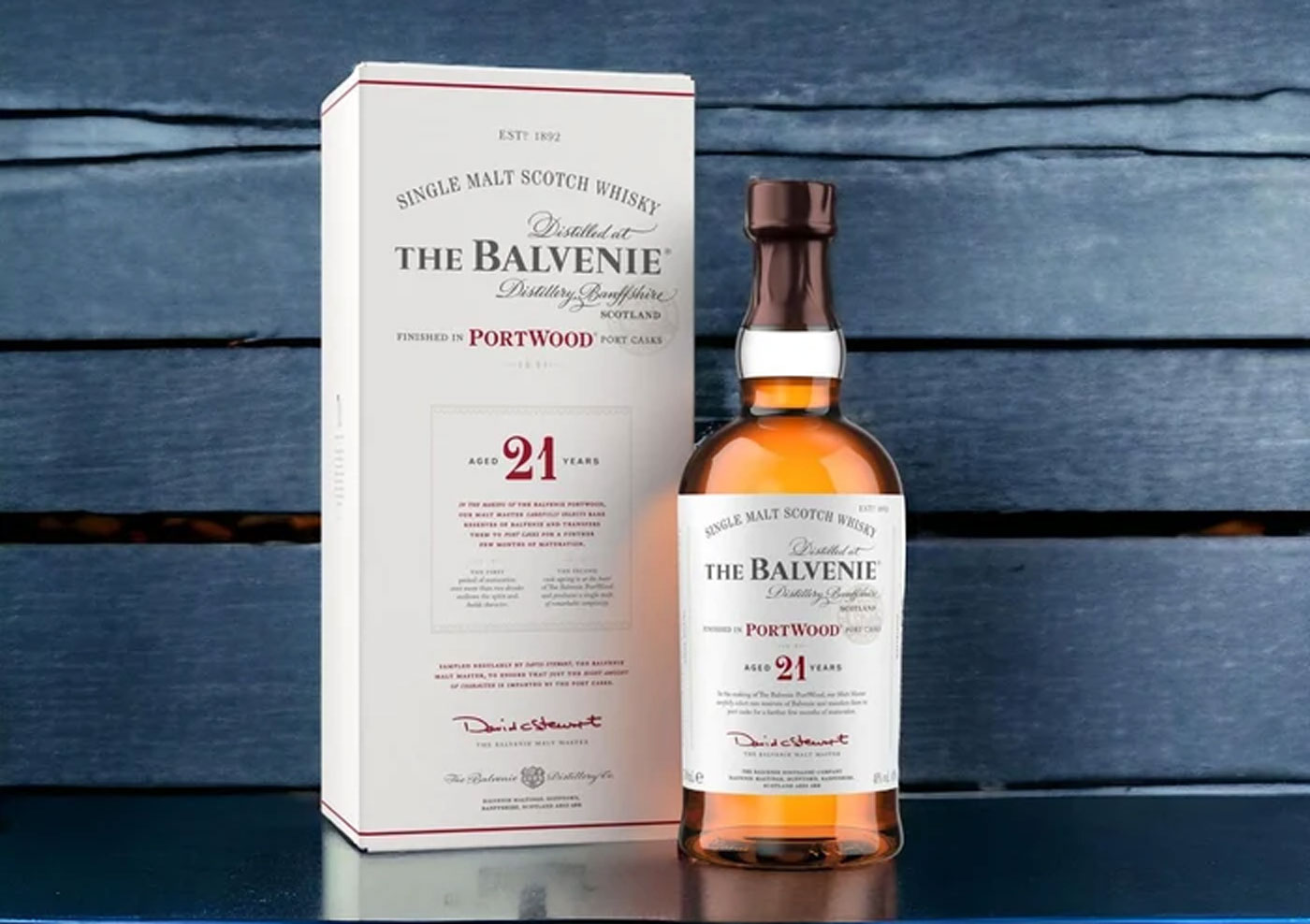
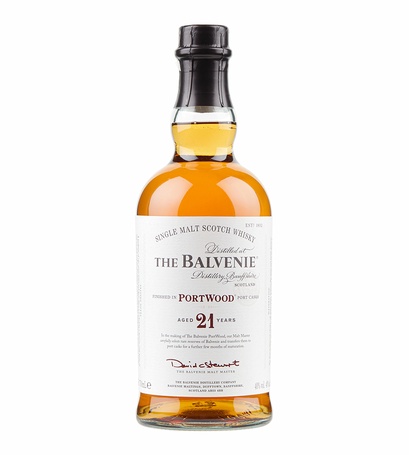
The Balvenie Portwood is one of the most celebrated expressions in the standard single malt range and one of the few bottles that regularly prompts the sort of silence that follows a particularly good glass. Twenty-one years in traditional oak whisky casks, then a further finishing period in port pipes — the large casks in which port wine was aged — which adds a richness of dried fruit, dark berry, and a sweetness that is deep and precise rather than cloying. The colour is extraordinary: a deep burnished mahogany that signals the extent of the port influence before the bottle is opened. At £220 this is the aspirational purchase in the edit — the bottle for the evening that warrants it. It always does.
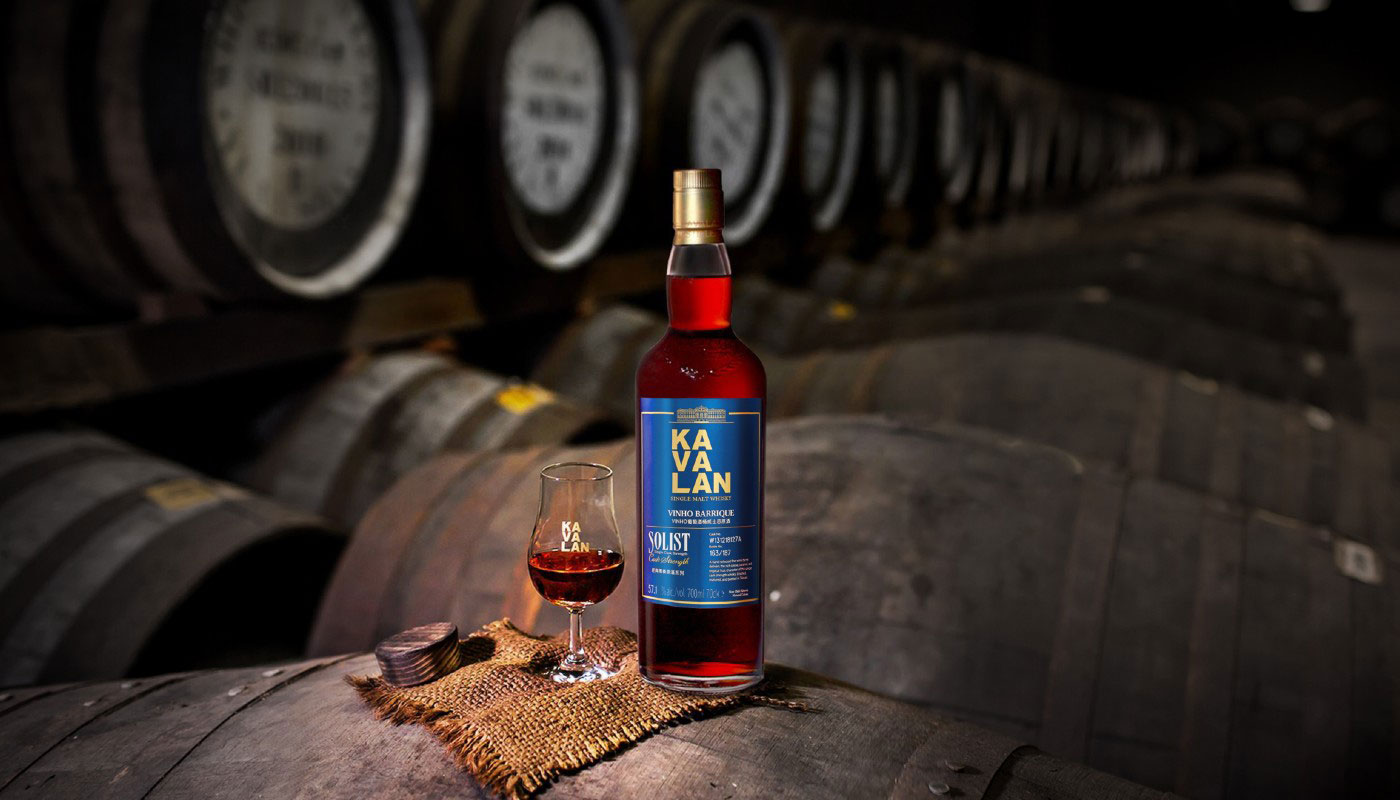
Kavalan from Taiwan has been making the case for world whisky for fifteen years, and the Solist range is where the case is made most decisively. The Solist expressions are single cask, cask strength bottlings — no water added, no blending, a direct expression of what the specific cask contains. The Sherry Cask is typically the most immediately impressive of the range: a whisky of extraordinary concentration, with dried fruit, dark chocolate, coffee, and a sweetness that builds slowly through the finish and stays for a very long time. The tropical climate of Taiwan accelerates the interaction between spirit and wood, producing aged character in a fraction of the time Scottish regulations would require. At £145 for a cask strength single cask, it represents among the best value in the premium category, world whisky or otherwise. Pour it at the end of an evening and give it time.
The range above covers every register the transitional season asks for: the approachable opener (Balblair), the island character (Highland Park), the underrated specialist (Aultmore), the pleasurable crowd-pleaser (Glenfiddich 21yr), the occasion bottle (Balvenie Port Wood), and the world whisky that earns the comparison with the best Scotland produces (Kavalan Solist). The common thread is quality — bottles chosen because the liquid justifies them, not because the label does. As August arrives and summer begins its proper retreat, any of these six will do exactly what the season requires.