Departments
 Departments
Departments
Departments

New to Slowsip? Create Account
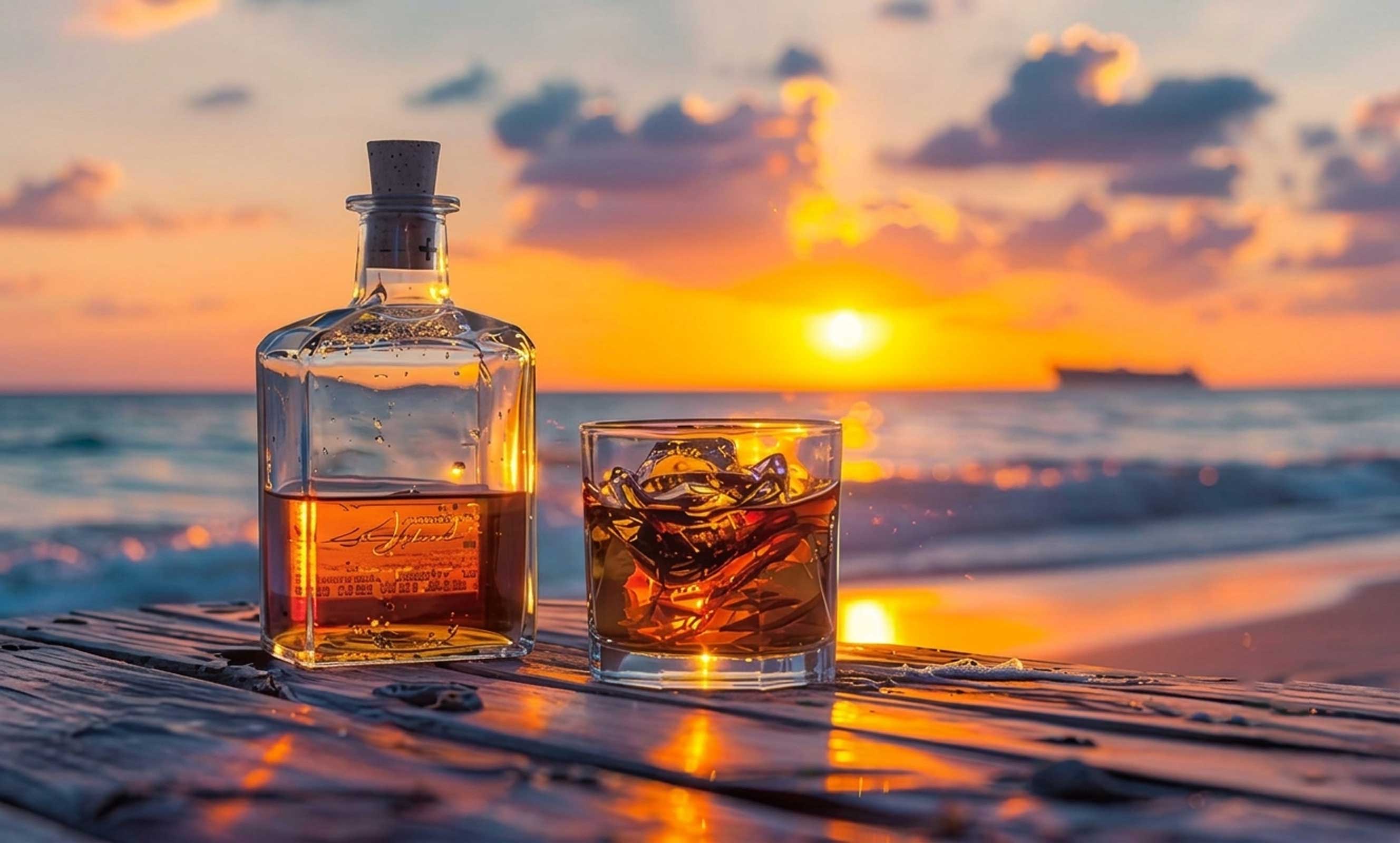
I want to be honest about where I was coming from: I was a rum dismisser. Not aggressively — I wasn't the kind of person who turned their nose up at it in public — but quietly, consistently, in the way that people dismiss a whole category of thing they've never really given a proper chance. Rum was what you drank at beach bars when there was nothing better. Rum was the spirit that made a Mojito drinkable and a Daiquiri necessary. Rum was, at some fundamental level, not serious.
I held this view for about fifteen years. Then someone poured me a fifteen-year-old Barbadian and I had to reassess rather urgently.
The bar was in Edinburgh, which is a city that takes whisky seriously and has consequently developed excellent taste in spirits more broadly. My friend — a food writer with better instincts than me about most things — had been ordering from the rum section of the back bar for an hour while I worked through the Scotch list. At some point he handed me a glass without comment. I assumed it was whisky. I asked what it was. He told me after I'd finished it.
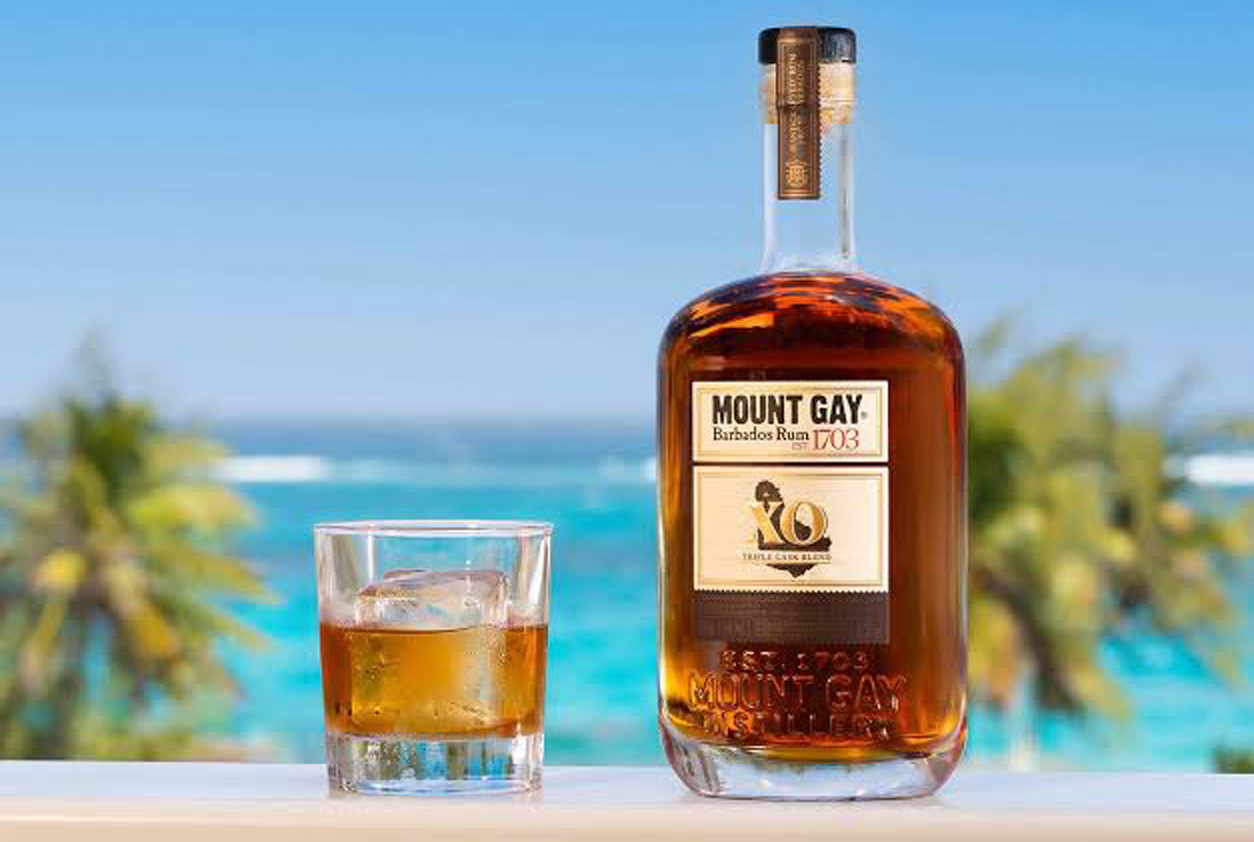
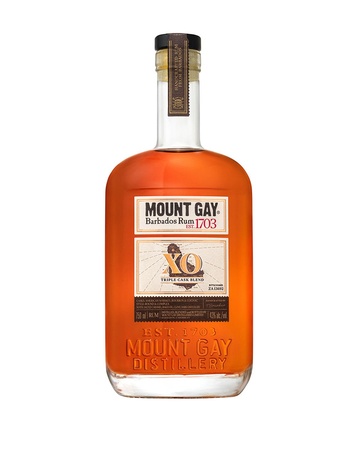
It was Mount Gay XO. Barbados. A blend of rums aged between eight and fifteen years in American and French oak, produced by the oldest commercial rum distillery in the world. I know all of this now. On the night, I knew none of it — I just knew that what was in the glass had a depth and complexity I hadn't expected, and that I'd been making a significant error of judgement for a long time.
The thing about Mount Gay XO is that it doesn't announce itself. There's no big tropical sweetness, no coconut, no obvious signal that you're drinking rum rather than something from a completely different category. What there is instead is a warmth that starts somewhere in the chest, dried fruit and vanilla from the oak, a long finish that keeps developing for several minutes after the glass is empty. It is, in retrospect, exactly what aged rum at its best tastes like. I just hadn't been paying enough attention to notice.
The dismissal of rum as a serious spirit is not irrational. It is, in fact, a fairly reasonable response to the evidence that most people encounter: the sweetened white rums in supermarket spirits sections, the spiced rums that taste of vanilla extract and industrial caramel, the beach-bar bottles that have been sitting in direct sunlight for three months. These are bad products. They are also a very small part of what rum actually is.
The category covers an extraordinary range — from the agricole rums of Martinique, made from fresh sugarcane juice with a grassy, funky character entirely unlike anything else, to the heavily aged pot still expressions of Barbados and Jamaica, to the solera-aged Colombian rums that carry a richness closer to Sherry than to anything beachy. Dismissing this as a category based on the worst examples is roughly equivalent to forming your opinion of Scotch whisky based on a supermarket blend.
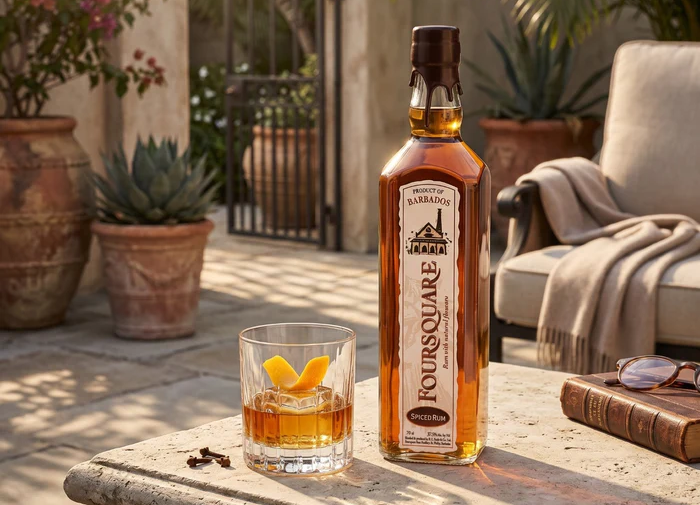
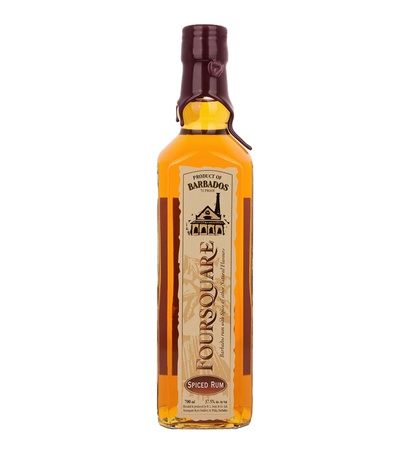
Foursquare is the Barbadian distillery that has done more than any other single producer to shift the critical conversation about rum. Master blender Richard Seale has spent decades making the argument — through the liquid rather than through marketing — that rum deserves the same serious attention as whisky or Cognac. The Spiced Rum is the most accessible entry in the range: made without artificial flavourings or colouring, the spice character derived from genuine botanicals rather than industrial shortcut. It is the bottle that has converted more of my friends than any other, because it makes the argument without requiring any prior commitment to the category.
Once you're past the dismissal, the category opens up in ways that can occupy a serious drinker for a long time. Here are the bottles that have kept me honest since Edinburgh.
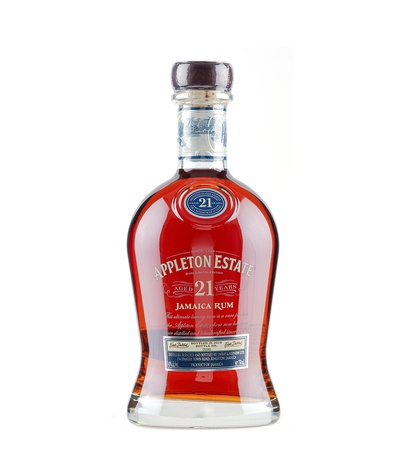
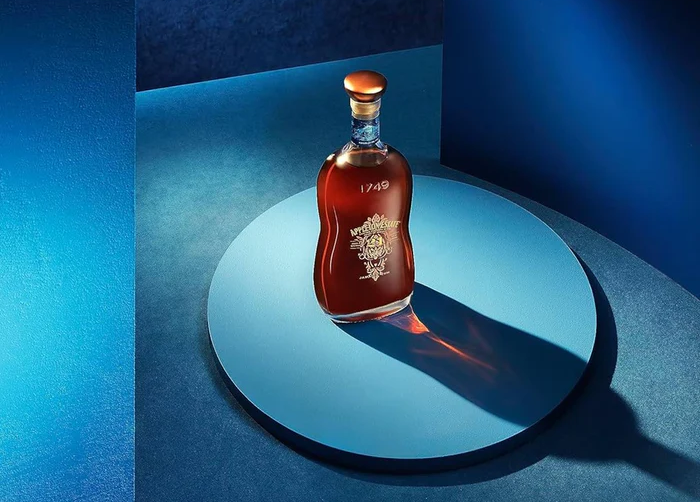
The Appleton 21yr is the bottle I reach for when I want to make the rum argument to someone who needs convincing at the premium end. Two decades in oak in Jamaica's Nassau Valley, a blend of pot and column still rums that produces something of extraordinary depth — dark fruit, roasted coffee, chocolate, a complexity that develops over the full length of a very long finish. At £160 it's in the territory of aged single malt or XO Cognac. The comparison holds up in both directions.
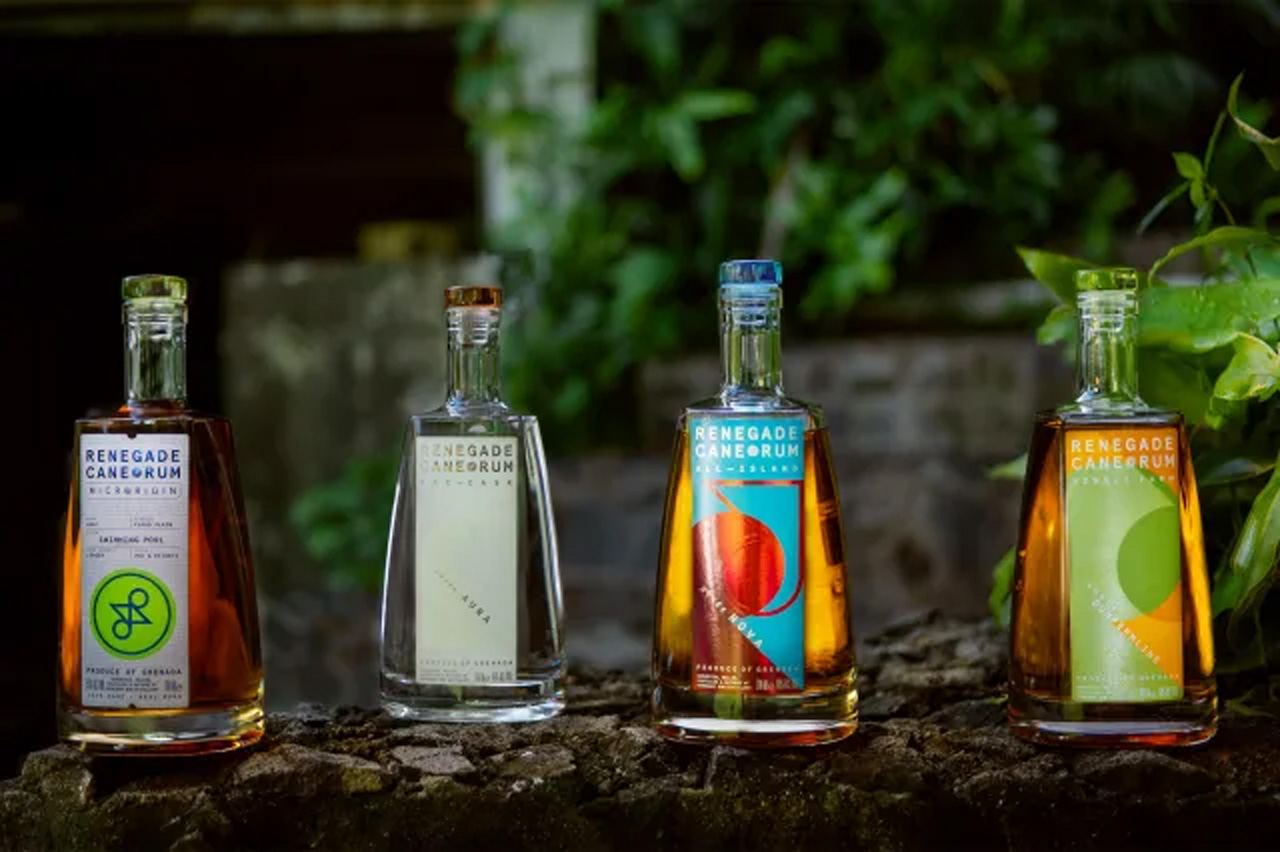
Renegade is doing something in Grenada that nobody else in the category is quite attempting: single-estate sugarcane, harvested and pressed within hours, fermented with wild yeasts, distilled in a hybrid still. The Cuvée Nova is their most accessible expression — fresh, aromatic, with a sugarcane character that reads almost floral. It is rum as a product of place in the strictest possible sense, and it is unlike anything else I've tasted in the category. Not because it's trying to be different, but because the commitment to agricultural provenance produces genuine distinctiveness without effort.
Stop ordering the Scotch and look at the back bar. Not because rum is better than whisky — it isn't, and it isn't trying to be — but because the category is doing things right now that are genuinely exciting, and the people who got there early will have better evenings than the people who arrive late.
The fifteen-year-old Barbadian that changed my mind cost about the same as a mediocre single malt. It was incomparably better than any mediocre single malt I've had. I've been trying to catch up since.