Departments
 Departments
Departments
Departments

New to Slowsip? Create Account
The Heart of Speyside: Why the Valley Still Has Secrets Worth Finding
The River Spey runs for 107 miles from the Cairngorm plateau to the Moray Firth, and for most of that journey it passes through or near distilleries. More than half of Scotland's malt whisky distilleries are in Speyside — around fifty, depending on how you draw the regional boundaries — and between them they produce the style of whisky that most people mean when they order a single malt without specifying anything further. Fruity, approachable, elegant. The Speyside house style is the default setting for Scotch, and it has earned that position over two centuries of accumulated craft.
The problem with defaults is that they become invisible. Glenfiddich and The Glenlivet — the two most widely distributed single malts in the world — are both Speyside whiskies, and their ubiquity has given the region an oversaturated quality in the minds of drinkers looking for discovery. Why explore Speyside when you already know Speyside? The answer is that the two names above represent a fraction of what the region produces, and that the distilleries sitting quietly in their shadow are, in several cases, making whisky of greater interest than their famous neighbours. You just have to know where to look.
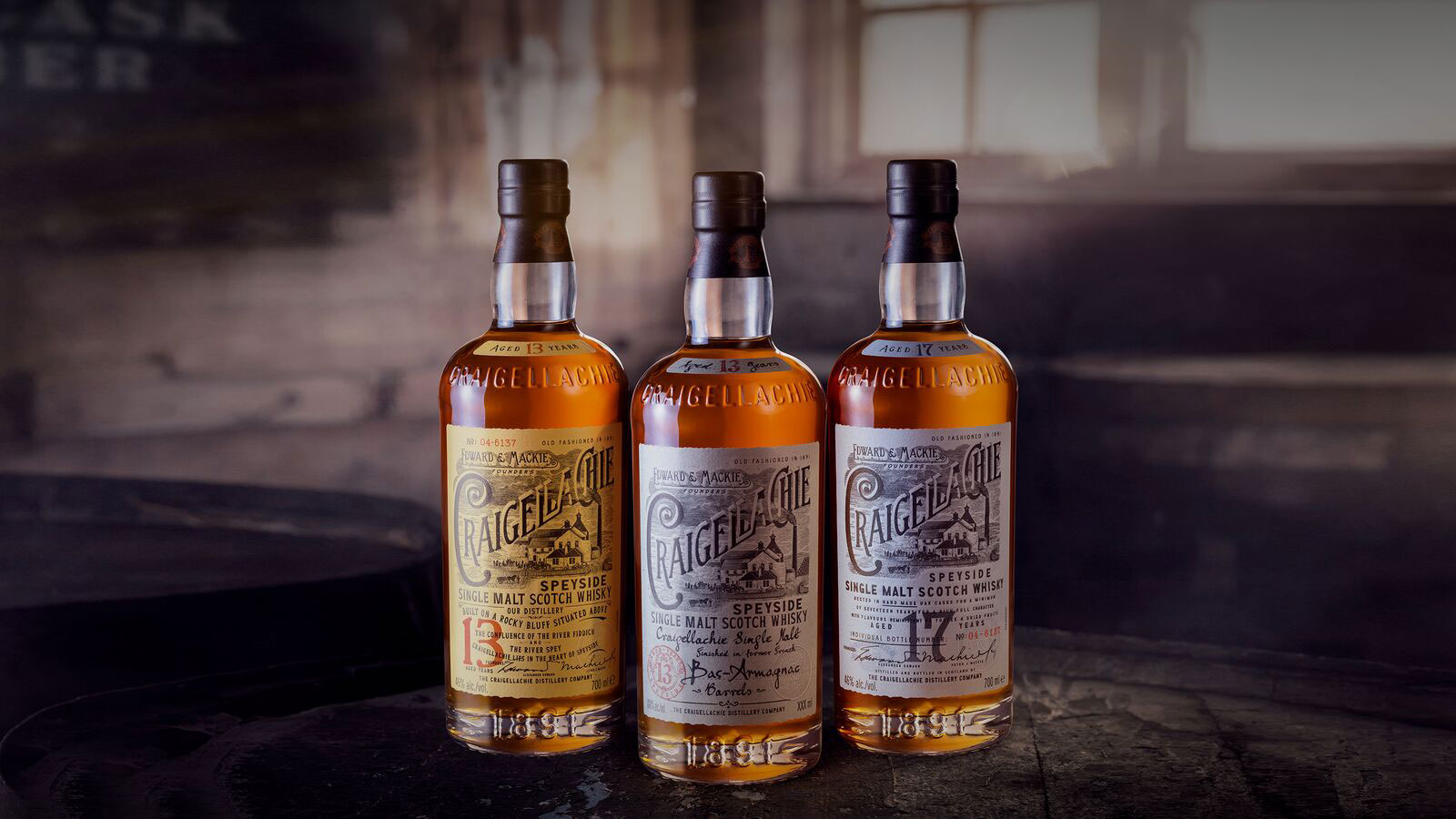
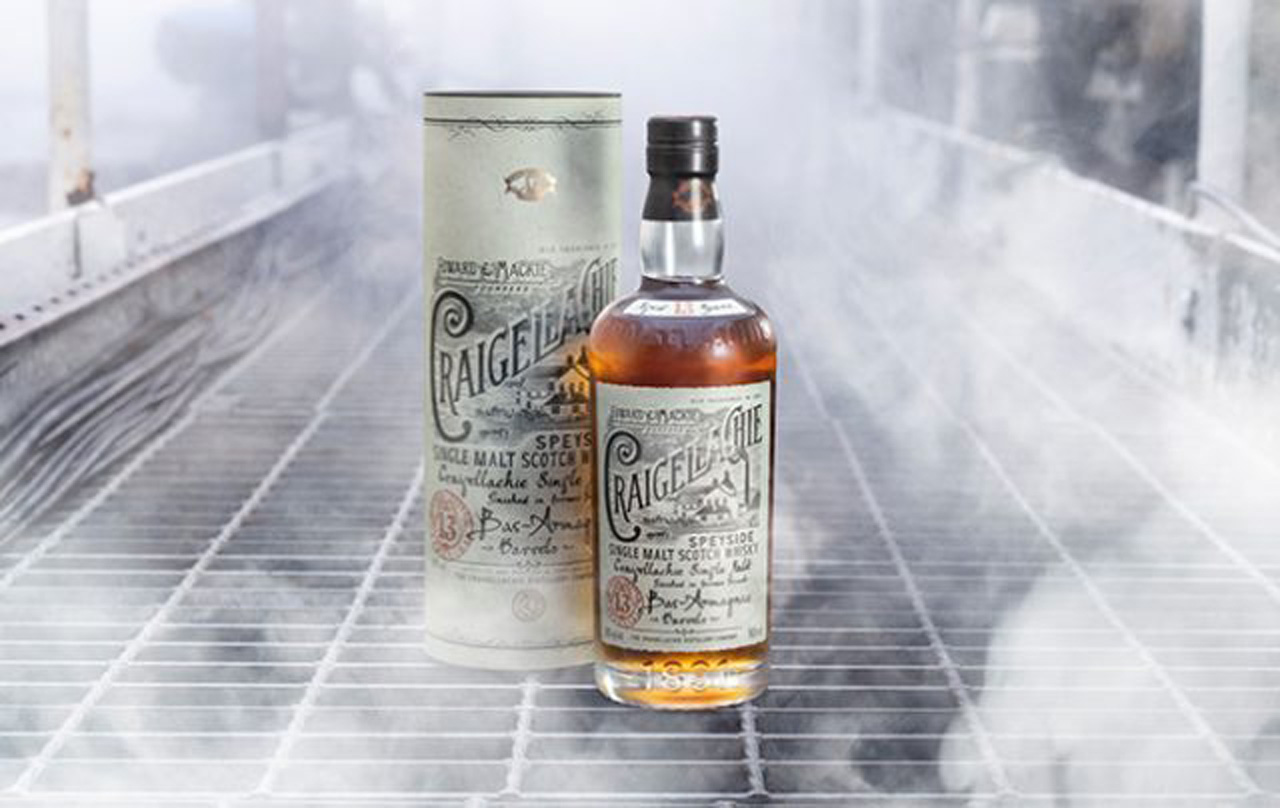
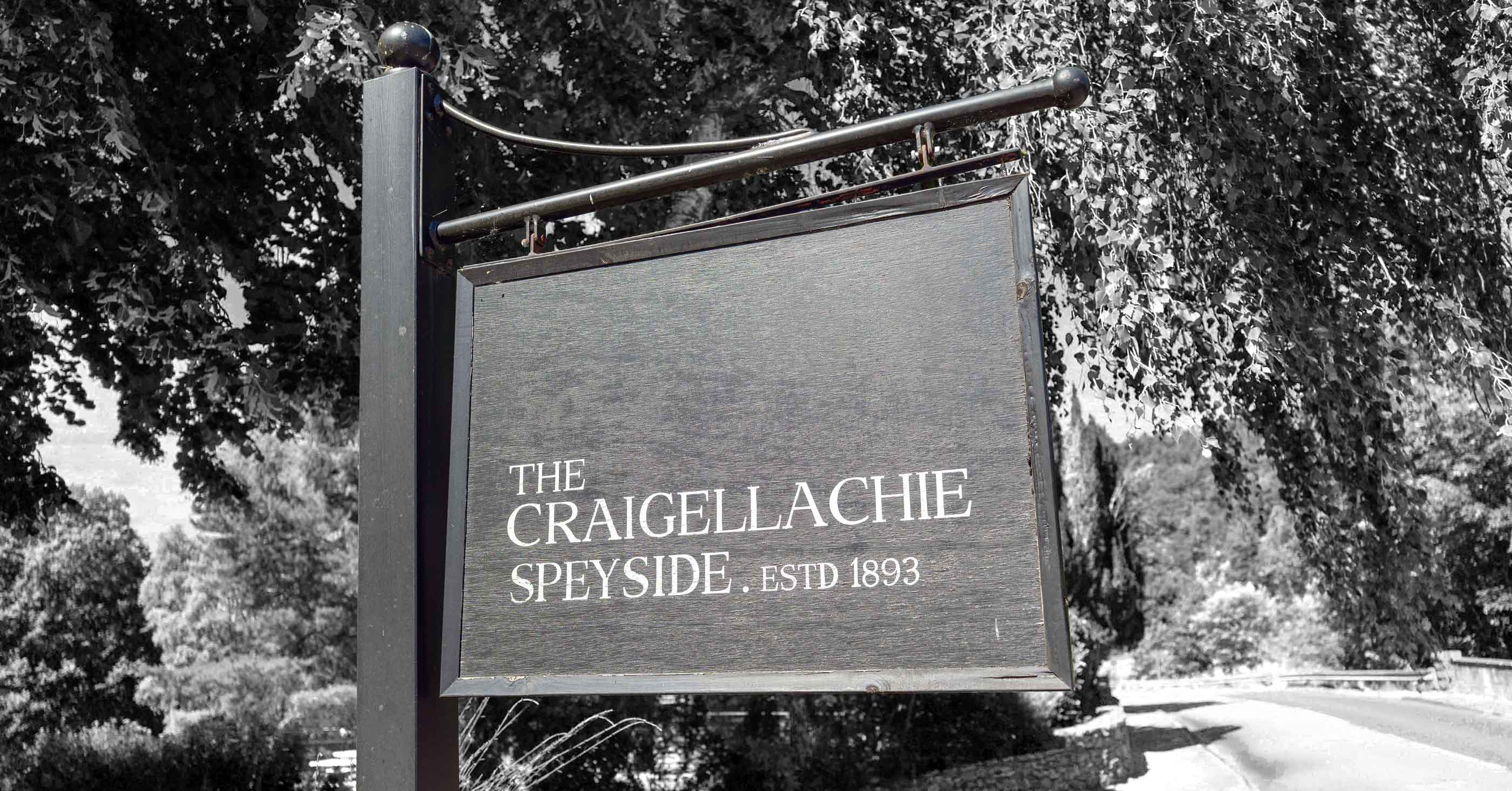
Craigellachie sits on the confluence of the Spey and the Fiddich, in the village that gives the Fiddich its name — though it is the other distillery in that village, not Craigellachie, that has the worldwide recognition. The distillery was founded in 1891 and has been producing whisky almost continuously since, most of it destined for the blending vats of Dewar's and other major houses rather than for single malt bottlings. This is, in the whisky world, a mark of quality: distilleries whose spirit is valued by blenders tend to be producing something that rewards the patience of maturation rather than something that's impressive young and forgettable old.
Craigellachie uses the last remaining worm tubs in Speyside — the old-fashioned condensation coils that produce a heavier, more characterful spirit than modern shell-and-tube condensers. The result is a Speyside whisky that doesn't quite taste like other Speyside whiskies: meatier, more sulphurous in its youth, with a complexity that develops over time into something quite distinct. The style is an acquired taste in the best sense — it rewards the drinker who gives it attention.
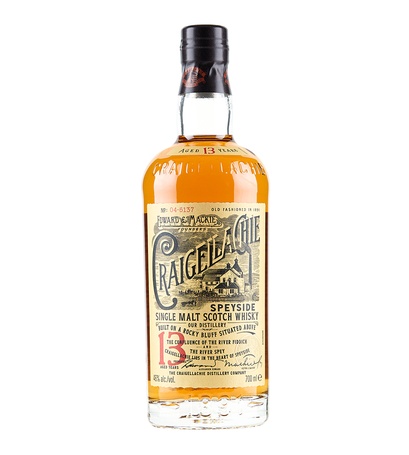
The 13 Year Old is the most accessible expression in the standard Craigellachie range and the right starting point for first acquaintance. Thirteen years in a combination of American and European oak have softened the worm tub character considerably without eliminating it: there's still a meatiness underneath the honey and dried fruit, and a slight sulphurous edge on the finish that is the house signature. It's a whisky that tastes like it knows something the others don't.
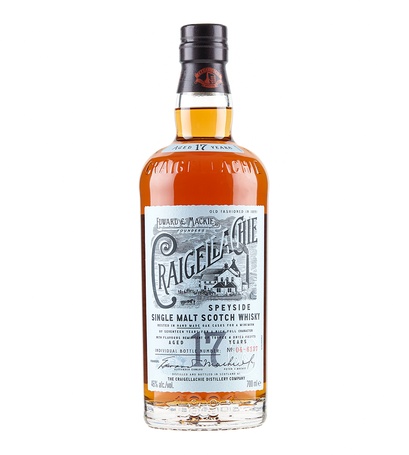
The 17 Year Old steps up the time in oak and the result is a marked deepening of complexity — the fruit becomes drier, the spice more prominent, the finish longer and more considered. At £85 it sits comfortably in the same territory as expressions from more famous distilleries that offer less in return. This is the bottle to open when you want to make the argument for Speyside's overlooked names to someone who thinks they already know the region.
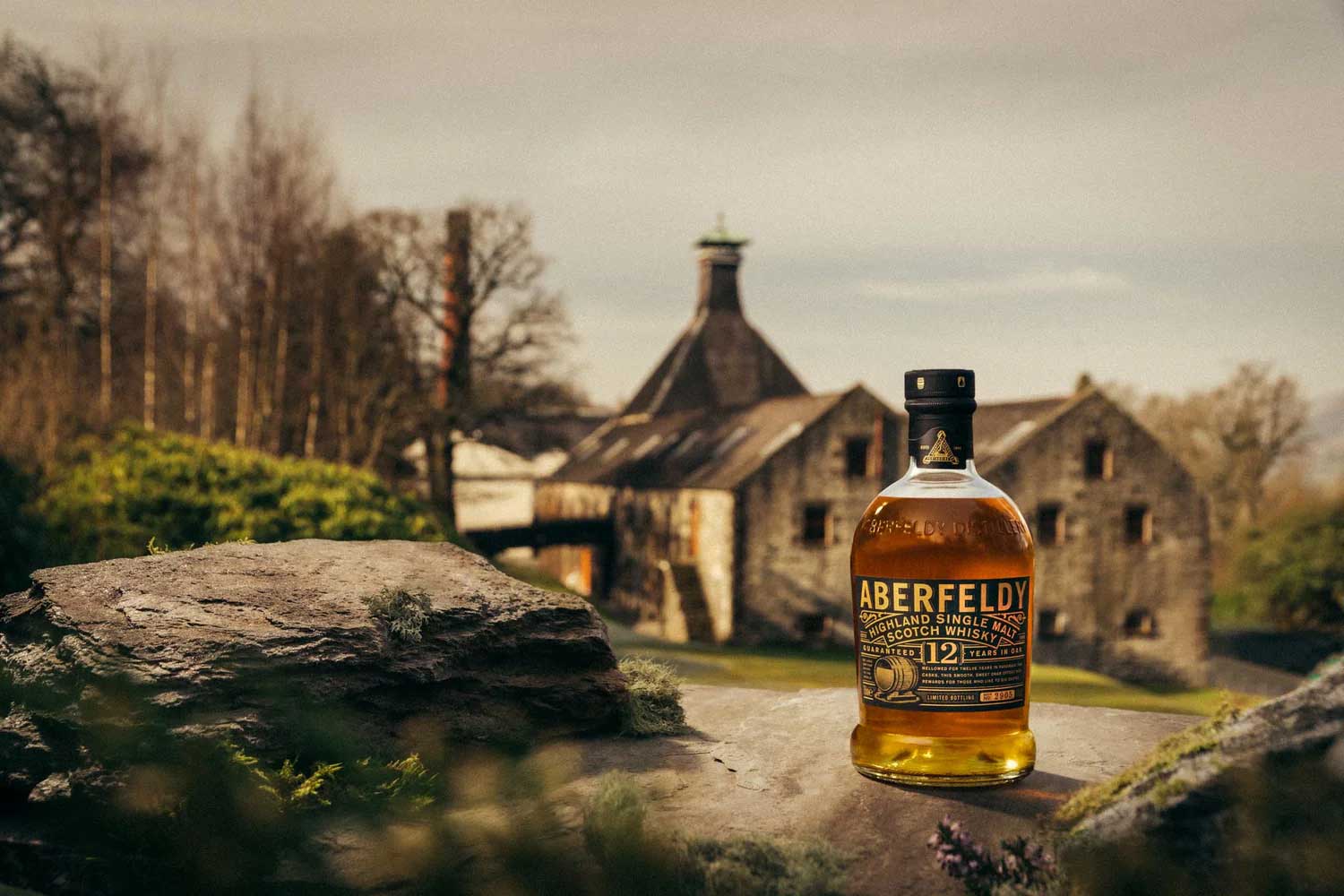
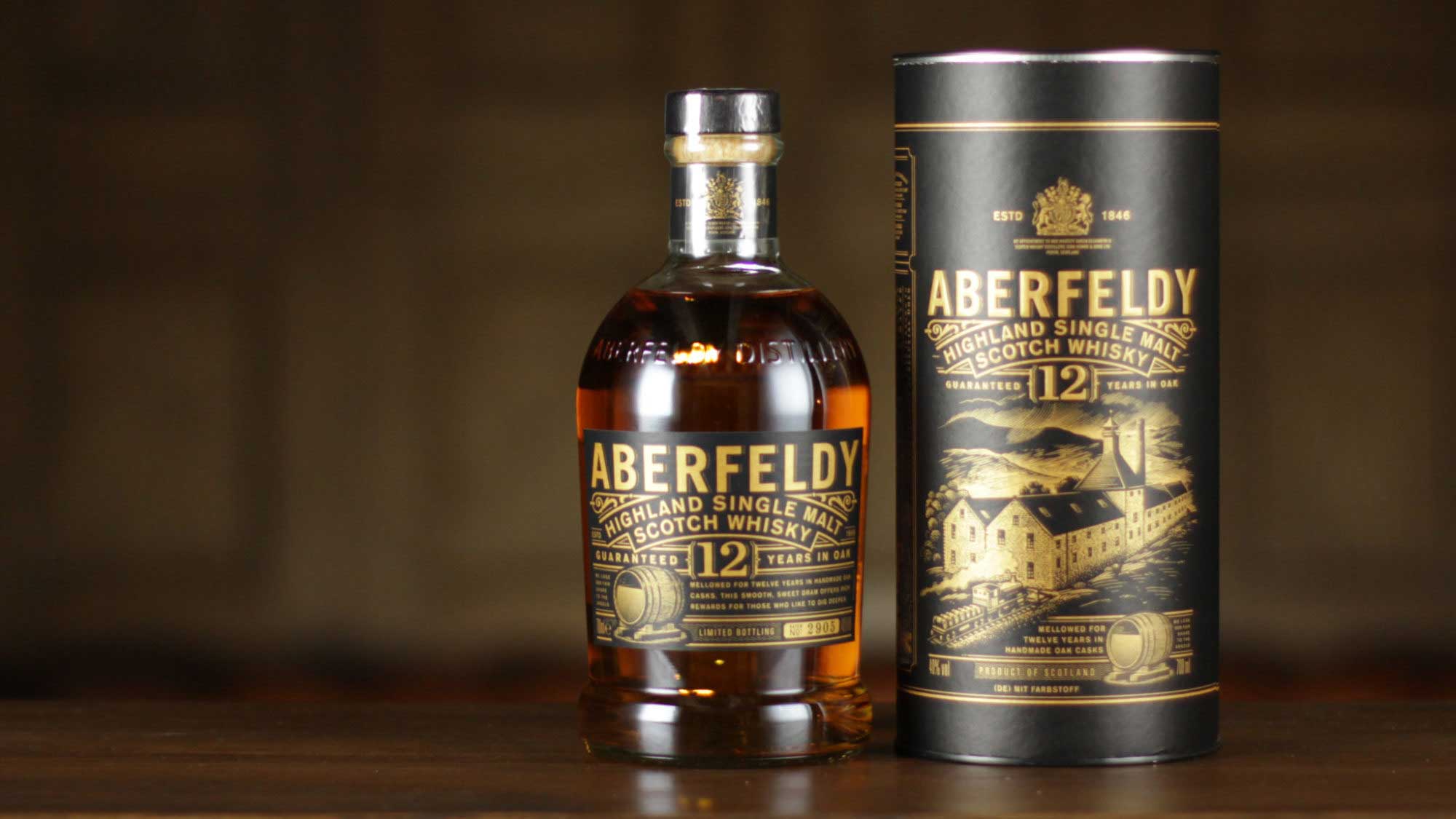
Aberfeldy sits at the southern edge of Speyside, on the River Tay rather than the Spey proper — a geographical distinction that places it in the Highland region by some classifications but in Speyside's cultural orbit by every practical measure. The distillery was built in 1898 by John Dewar & Sons, and like Craigellachie it has spent most of its history providing the backbone of a major blended whisky rather than standing alone as a single malt. Dewar's White Label, one of the world's most widely sold Scotch whiskies, is built around Aberfeldy spirit. What that means for the single malt expression is that the distillery has been maintaining consistent quality for over a century with very little public pressure to do so — a situation that tends, in whisky, to produce interesting results.
The Aberfeldy style is distinctively honeyed — a sweetness that comes from the combination of soft Highland water, relatively short fermentation, and predominantly American oak maturation. It's Speyside in register but with a warmth that gives it more presence than many more celebrated neighbours.
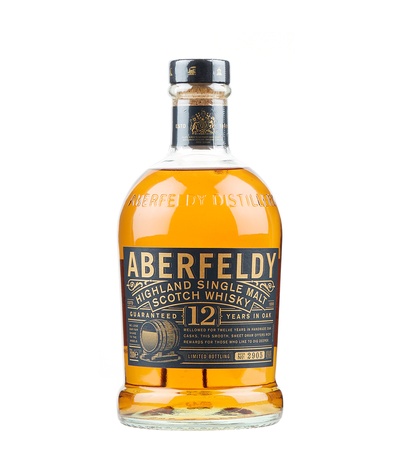
The 12 Year Old is where to begin — a straightforwardly pleasing whisky that makes the honey character immediately apparent without requiring any patience or adjustment. Vanilla, dried apricot, a warming finish. At £38 it is among the better value bottles in the Speyside category, and one of the more reliable expressions of the honeyed Highland style.
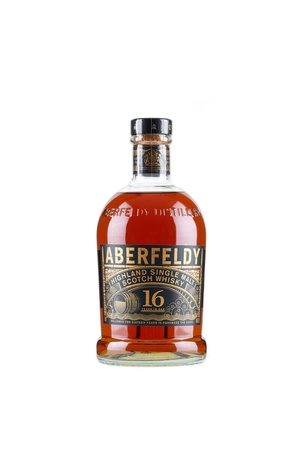
The 16 Year Old Madeira Cask finish adds a dried fruit complexity to the house's honey character — the Madeira wine influence bringing dark grape and gentle spice alongside the existing vanilla and apricot notes. It is a more ambitious bottle than the 12 Year Old and a more interesting one, though both are worth knowing.
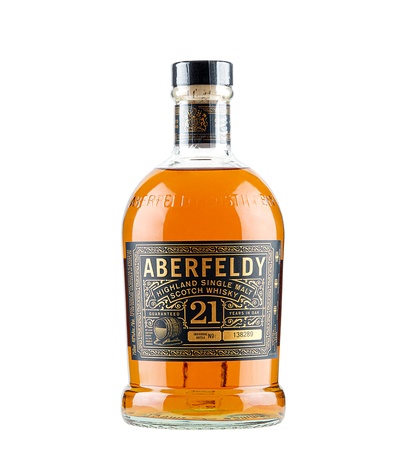
The 21 Year Old is the serious statement from Aberfeldy — two decades in oak that have produced a whisky of considerable depth and richness. The honey is still there but deeper, the fruit darker, the finish long and complex with wood spice and a warmth that builds gradually. At £120 it is a premium purchase, but one that earns its position against single malts from far more famous addresses at similar prices.
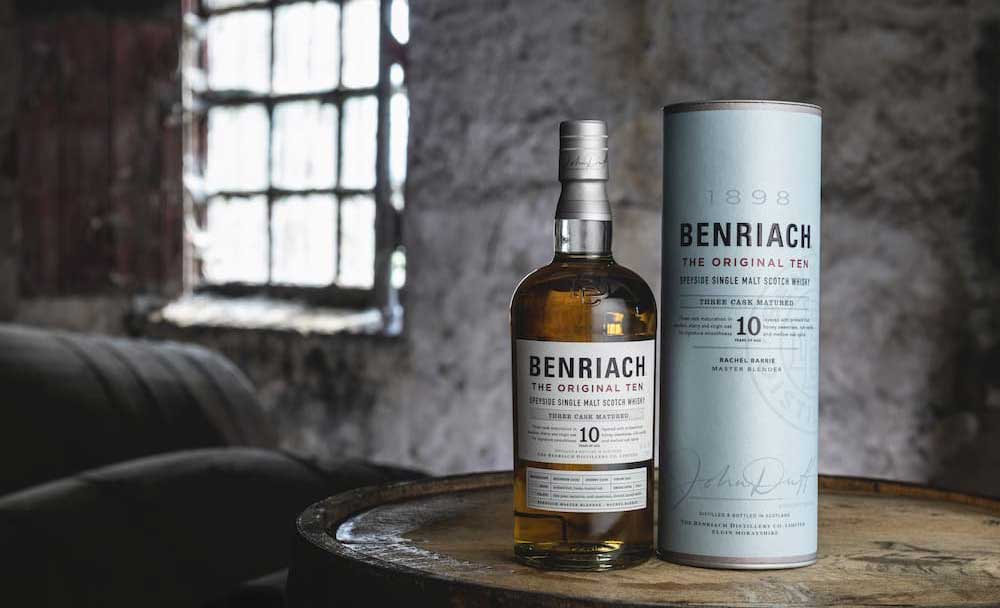
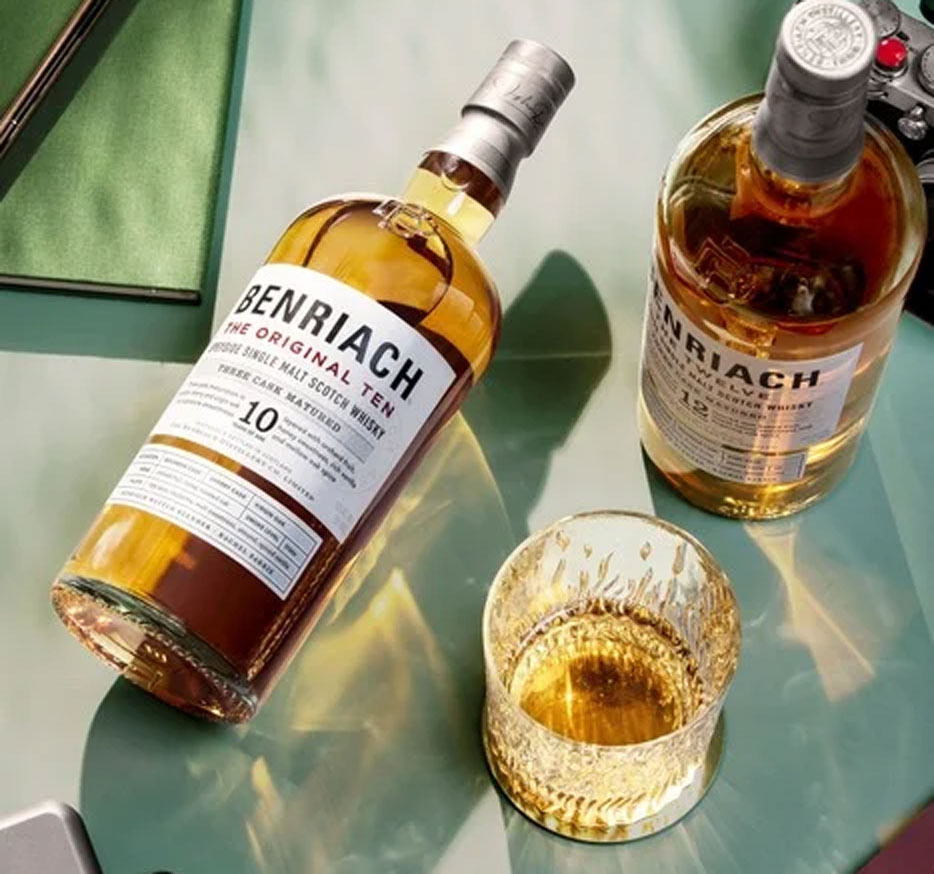
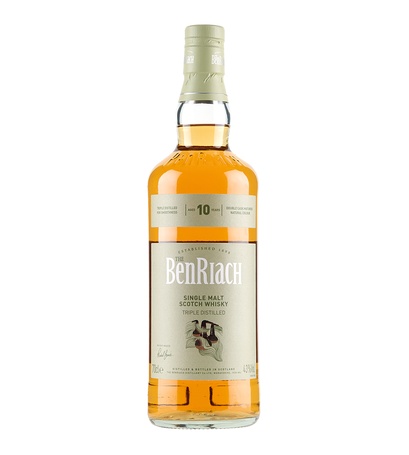
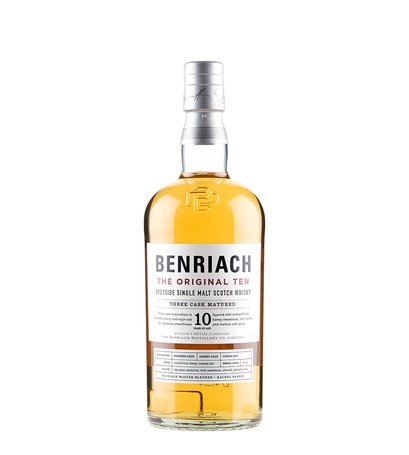
Benriach's story is unusual in the context of Speyside's generally conservative history. The distillery, founded in 1898 and mothballed for most of the twentieth century, was reopened in 2002 by a group of independent investors who proceeded to experiment with production in ways that most Speyside distilleries would consider eccentric. Peated spirit — the smoky style associated with Islay rather than Speyside — was produced alongside the standard unpeated expression. Triple distillation was introduced. Unusual cask types were explored. The result is a range of single malts that spans a broader flavour territory than almost any other Speyside distillery, and that gives drinkers coming from the peated Islay style a way into Speyside that doesn't require abandoning what they already know they like.
The standard 10 Year Old is the unpeated house expression — fruity, light, with the apple and vanilla character that defines the accessible end of the Speyside style. A useful benchmark for the distillery's base character and a reliable daily dram at £40.
The Triple Distilled expression is one of Benriach's more distinctive bottlings — the additional distillation run producing a lighter, cleaner spirit that emphasises floral and citrus notes over the fruit-forward character of the standard expression. If Benriach's standard 10yr is approachable, the Triple Distilled is elegant. A whisky for drinkers who find standard Speyside slightly heavy.
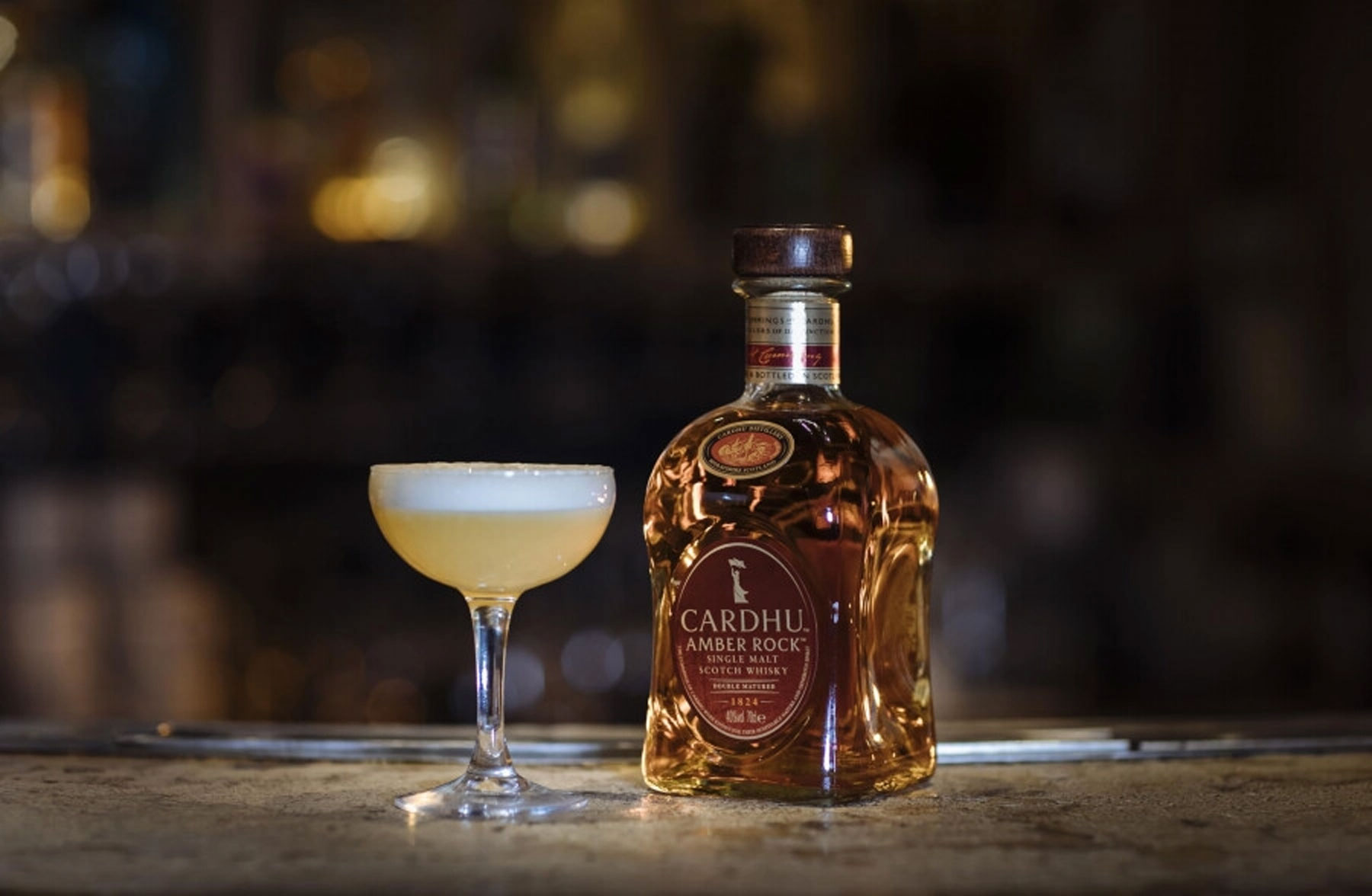
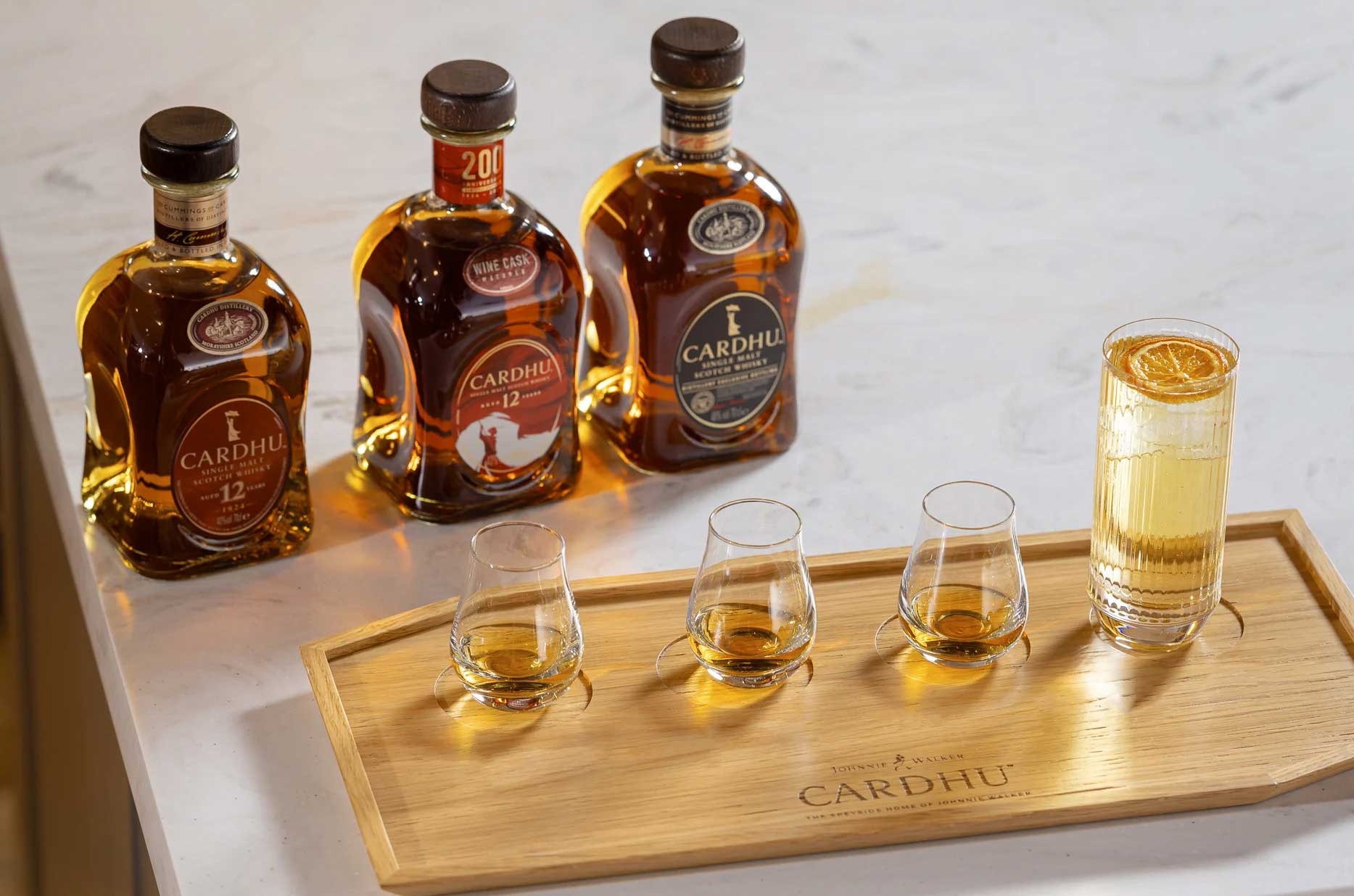
Cardhu's contribution to the global whisky industry is out of all proportion to its name recognition as a single malt. The distillery, founded illegally in 1811 by John and Helen Cumming on a farm in the Knockando area of Speyside, became one of the first licensed distilleries in the region when regulations were relaxed in 1824. In 1893 it was purchased by John Walker & Sons, who used Cardhu malt as the cornerstone of what would become Johnnie Walker — still, by volume, the world's most widely sold Scotch whisky. The single malt expression has existed alongside this blending role for decades but has never quite attracted the attention it deserves from a whisky audience more interested in the independent and esoteric.
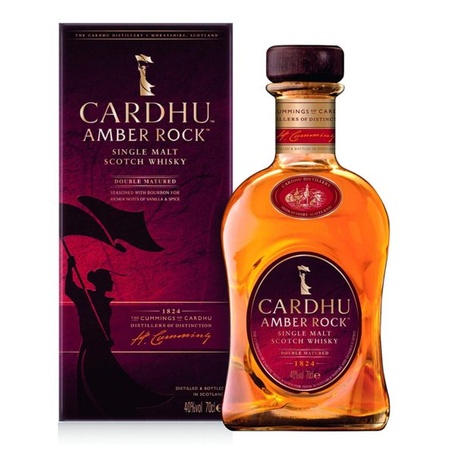
The Amber Rock is Cardhu's no-age-statement core expression — a combination of matured and re-matured whiskies that produces the house's characteristic light, sweet, accessible style. Honey, vanilla, light citrus: a whisky that makes no demands and rewards exactly the level of attention you give it. At £32 it is among the more approachable bottles in the edit and a useful demonstration that the distillery behind one of the world's great blended whiskies is, in its own right, worth knowing.
Tomatin sits at the southern edge of the Speyside region, high in the Monadhliath mountains above the Findhorn valley, at an elevation that makes it one of the highest distilleries in Scotland. Founded in 1897, it spent much of the twentieth century as one of Scotland's largest distilleries by volume — at its peak in the 1970s producing over ten million litres of spirit annually — before falling into receivership in 1985 and being purchased by a Japanese consortium, making it the first Scottish distillery to pass into Japanese ownership. The current owners have steadily developed the single malt range while continuing to supply spirit for blending, and the results at aged expression level are quietly impressive.
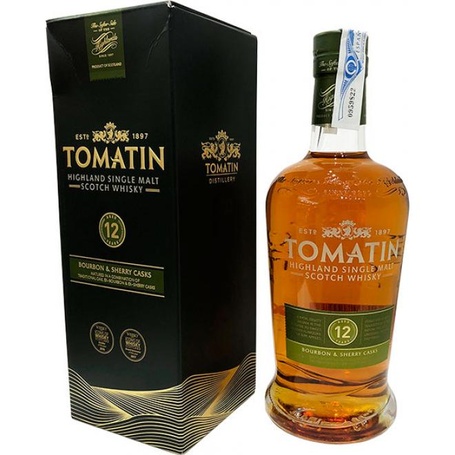
The 12 Year Old is the distillery's standard expression and the right starting point: aged in American oak ex-bourbon barrels, it carries a light, approachable character — vanilla, soft fruit, a gentle spice on the finish — that makes it immediately likeable without being demanding. At £38 it competes comfortably with better-known Speyside expressions at the same price point and frequently outperforms them. A distillery that deserves more attention than it receives.
Glenfiddich and The Glenlivet will continue to define Speyside for most of the world, and there is nothing wrong with that — both are reliably made whiskies from distilleries with long histories of consistent quality. But the five distilleries above represent a different kind of engagement with the region: less famous, more specific, and in several cases making whisky that rewards the serious drinker more generously than the names they've displaced. Speyside's reputation was built on the consistent excellence of its least celebrated as much as its most famous distilleries. The region still has secrets. They're not particularly well hidden — you just have to look for them.