Departments
 Departments
Departments
Departments

New to Slowsip? Create Account
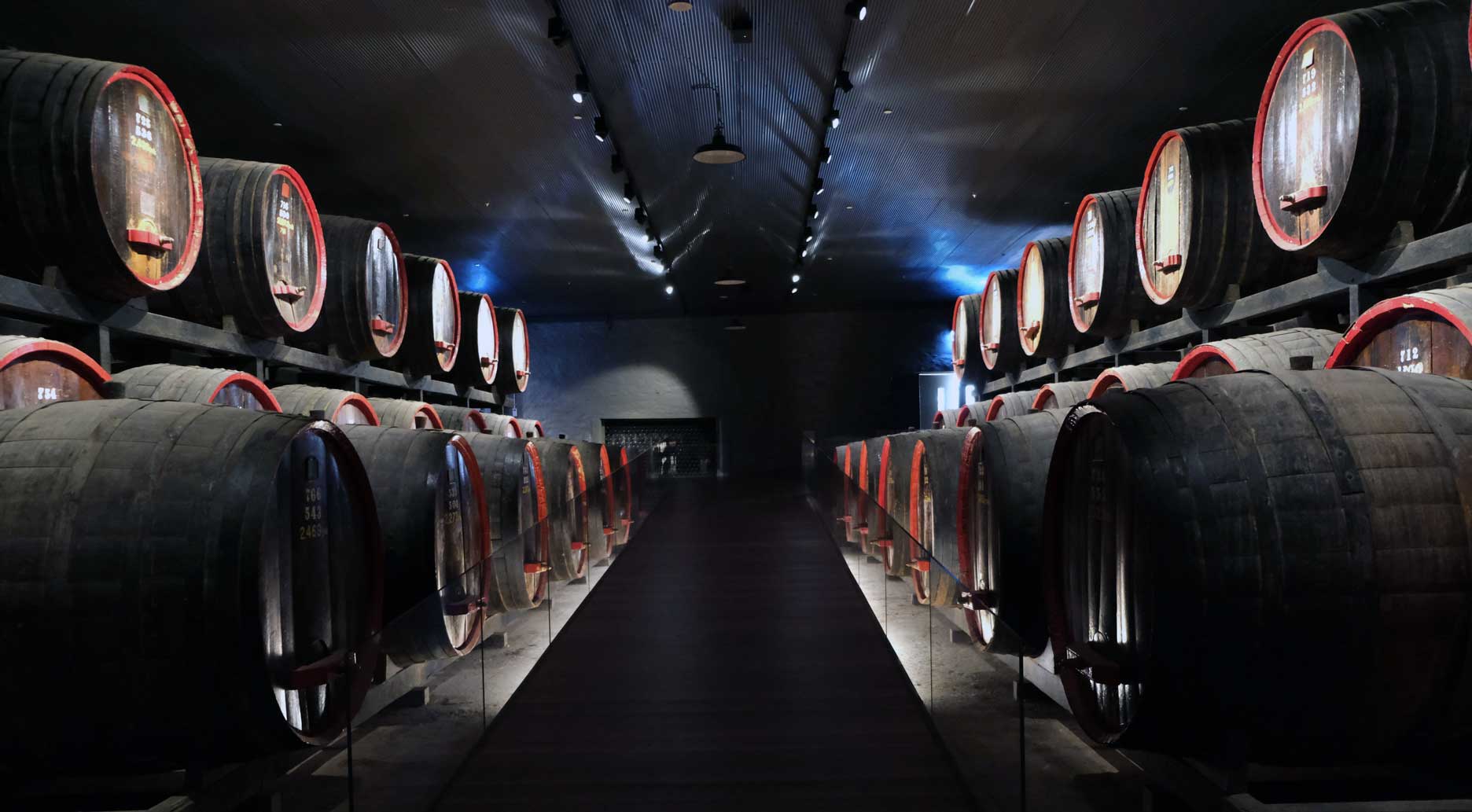
The wines of France and Italy have defined the conversation about serious red wine for two centuries, and they have earned that position. But the conversation has widened, and the most thoughtful drinkers know it. Australia produces Shiraz of extraordinary depth and longevity from vines that predate most of the Napa Valley. South Africa has a grape variety — Pinotage — that grows nowhere else on earth with the same character. Chile has a valley running perpendicular to the Andes where red wine grapes ripen with a precision that Bordeaux would envy. Julian Mercer on three regions making the New World argument with renewed seriousness.
The Old World versus New World framing has been a fixture of the wine conversation for thirty years, and it has run its course. The argument — that European wines are more restrained and terroir-driven while New World wines are riper, more fruit-forward, and more immediately accessible — was always a simplification, and it is now barely useful at all. The best wines from Australia, South Africa, and Chile have long since moved past the need to make arguments about fruit versus structure. What they are doing now is something more interesting: making wines that only their specific places can produce, from varieties and in climates that Europe does not have, with results that don't require comparison with Burgundy or Barolo to justify their quality.
That is the New World argument worth making in 2026. Not that Australian Shiraz is as good as Rhône Syrah, but that old-vine Barossa Shiraz is a different thing entirely — older vines, warmer days, cooler nights, a depth of colour and concentration that the northern hemisphere produces in different and less extreme form. Not that South African Pinotage is a substitute for anything, but that it is a variety unique to the Cape that produces wines of genuine character found nowhere else. Not that Chilean Cabernet Sauvignon is cheaper Bordeaux, but that the Maipo Valley's combination of Andean meltwater and maritime influence produces a Cabernet profile that is specifically and irreducibly Chilean.
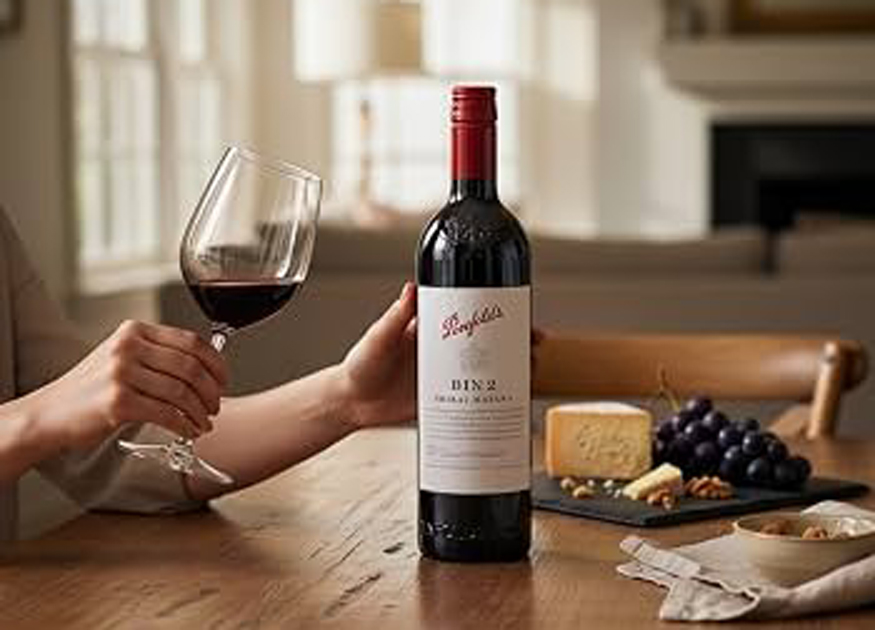
Australia: The Old Vines Argument
Australia's wine story is inseparable from Penfolds, and Penfolds' story is inseparable from Shiraz. The winery, founded in 1844 near Adelaide, has been making multi-regional blended Shiraz under the Grange label since 1951 — a wine that is now one of the most collected and critically lauded reds in the world. The Grange is aspirational territory; the Bin series that sits below it is where the Australian Shiraz argument becomes accessible, and where the SlowSip catalogue is particularly well stocked.
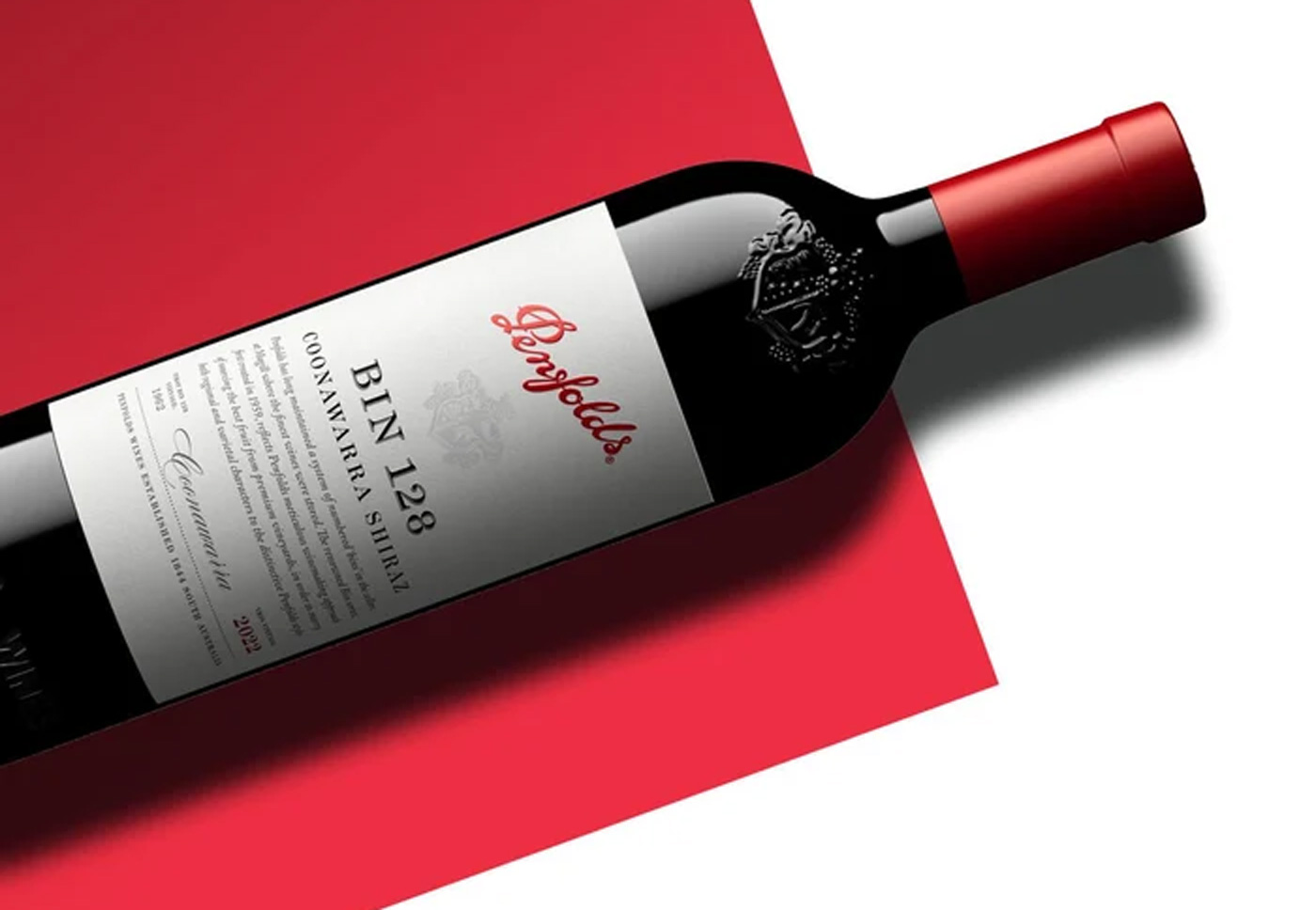
Penfolds Bin 128 is sourced exclusively from the Coonawarra region of South Australia — the terra rossa limestone-rich soils that produce a Shiraz of unusual elegance for the variety. Where Barossa Shiraz is typically rich, dense, and opaque, Coonawarra Shiraz tends toward a more restrained style: still deeply coloured, still powerful, but with more structure and a longer finish that rewards patience in the cellar. At £38 it is the most affordable expression of single-region Penfolds Shiraz and the right starting point for understanding what Australian wine looks like when it stops trying to impress and starts trying to say something specific.
Bin 28 is the older sibling — sourced from the Kalimna vineyard in the Barossa Valley, where some of the vines date to the 1880s. This is the richer, denser, more immediately gratifying style of Australian Shiraz: dark plum and blackberry, Christmas spice, a warmth that comes from both the high alcohol and the character of old Barossa fruit. The antique Kalimna vines produce a concentration of flavour that younger plantings cannot replicate. At £35 it is exceptional value for a Shiraz with genuine pedigree.
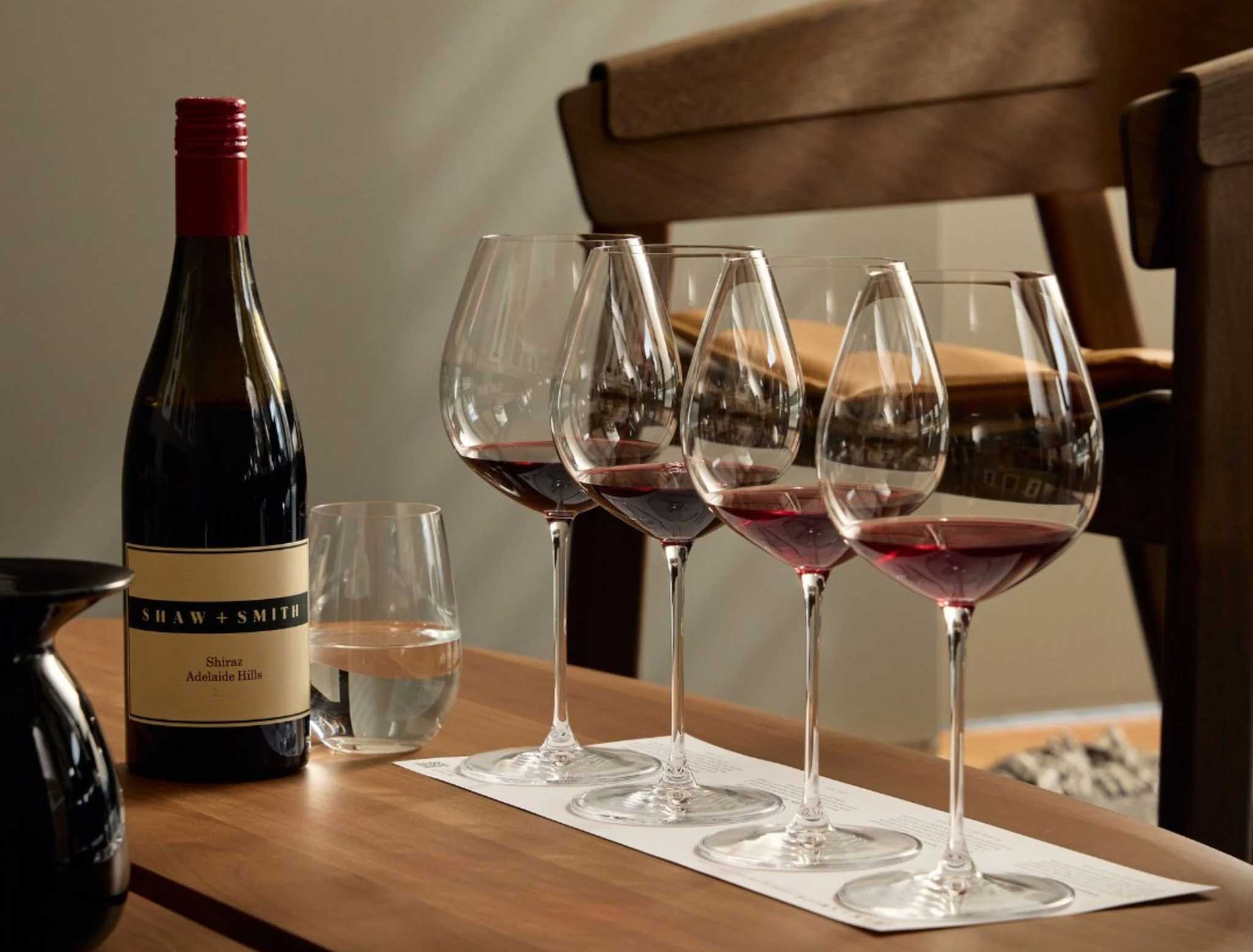
Shaw + Smith operates from the Adelaide Hills — a cooler, higher-altitude region than the Barossa that produces a very different style of Australian Shiraz. The Hills expression is more restrained: dark pepper, olive tapenade, a savoury quality closer to the northern Rhône style than to the Australian mainstream. For drinkers who find Barossa Shiraz too much, Shaw + Smith demonstrates that Australia has cooler-climate alternatives of genuine quality. At £30 it is one of the more interesting bottles in the Australian tier of the catalogue.
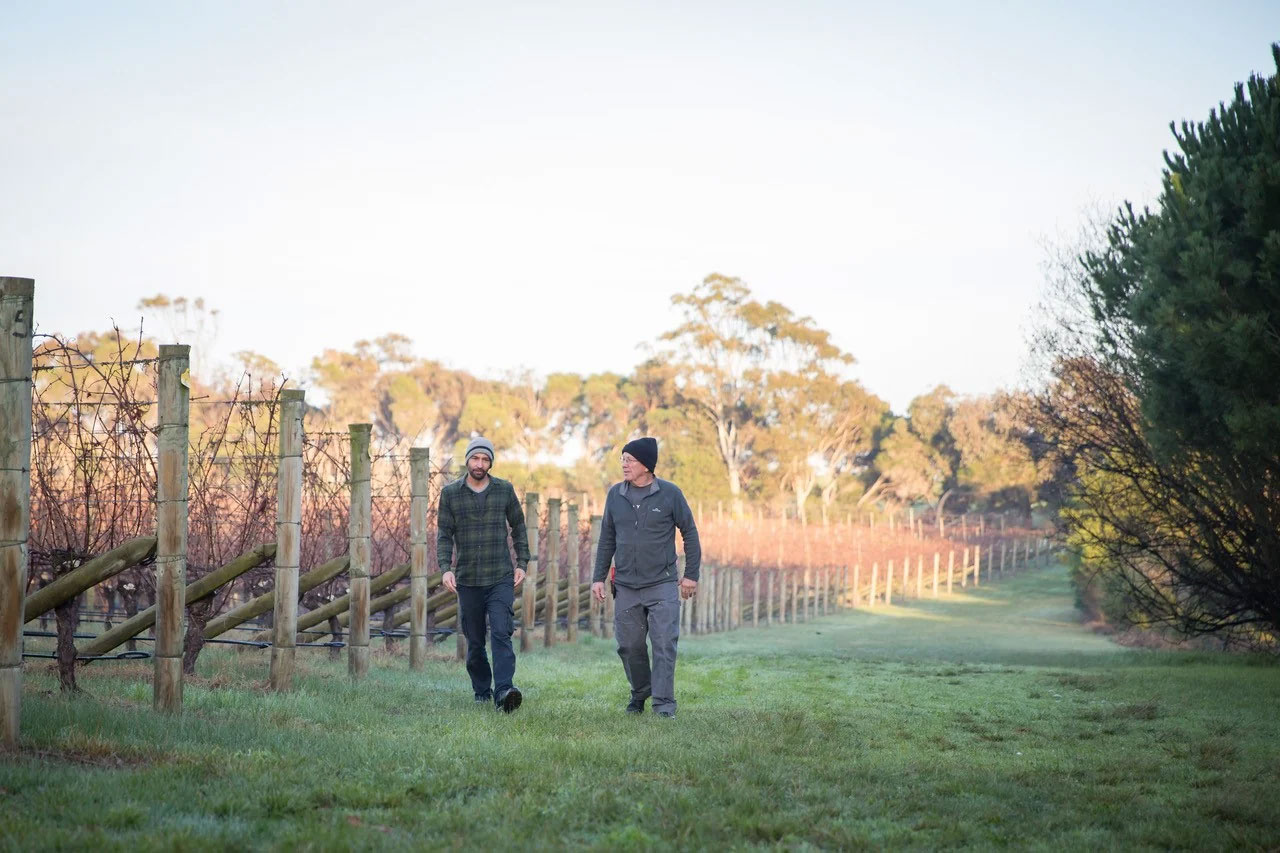
Moorooduc Estate is a small, quality-focused producer on the Mornington Peninsula — Victoria's cool coastal wine region, two hours south of Melbourne. The McIntyre Shiraz is their single-vineyard expression: fine-boned, elegant, with a floral quality and fine-grained tannin structure that reads more like Crozes-Hermitage than anything from the Barossa. Australia's premium wine scene has been moving in this direction for two decades, and Moorooduc is one of its more convincing addresses. At £45 it is a serious bottle from a serious producer.
South African wine has spent twenty years recovering from the isolation of the apartheid era, during which its wine industry was largely cut off from international markets and technical exchange. The recovery has been remarkable: the Cape now produces some of the southern hemisphere's most interesting wines, from a combination of old European varieties brought by French Huguenot settlers in the seventeenth century and the indigenous Pinotage — a cross of Pinot Noir and Cinsaut developed at Stellenbosch University in 1925. The variety is imperfect — in inferior hands it produces coarse, acetone-heavy wines that explain the resistance some drinkers have to it — but in the best hands it produces something genuinely distinctive, with a dark fruit and earthiness that is found nowhere else.
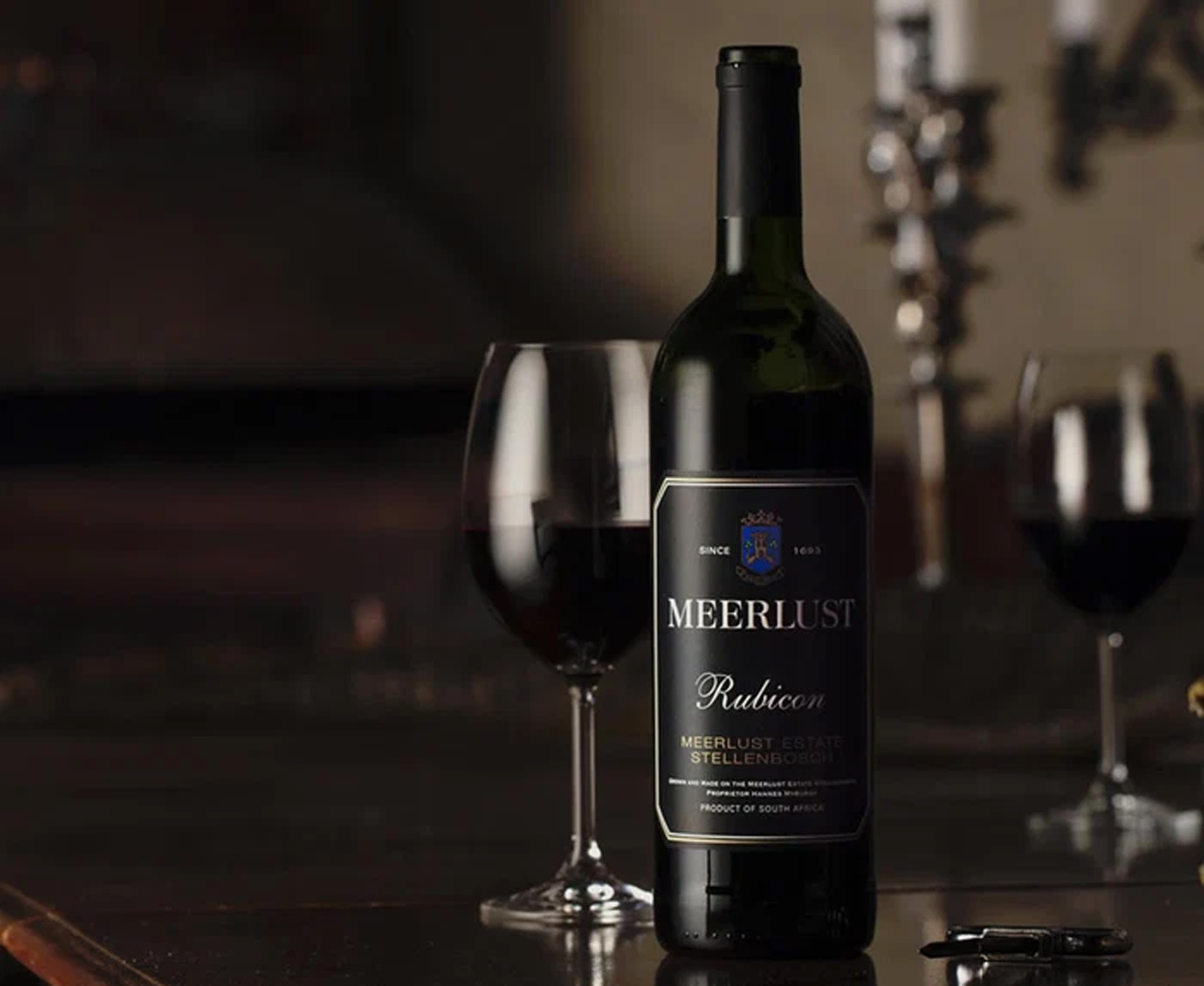
Meerlust is one of the oldest wine estates in South Africa — the farm dates to 1693 — and the Rubicon is its flagship red: a Bordeaux blend of Cabernet Sauvignon, Merlot, and Cabernet Franc from some of the Cape's oldest planted vines. The style is classic rather than modern: structured, age-worthy, with the dark fruit and cedar character that defines good Stellenbosch Cabernet. At £35 the Rubicon is one of the better-value serious reds in the catalogue — a wine that would cost considerably more if it wore a Saint-Émilion or Pomerol label.
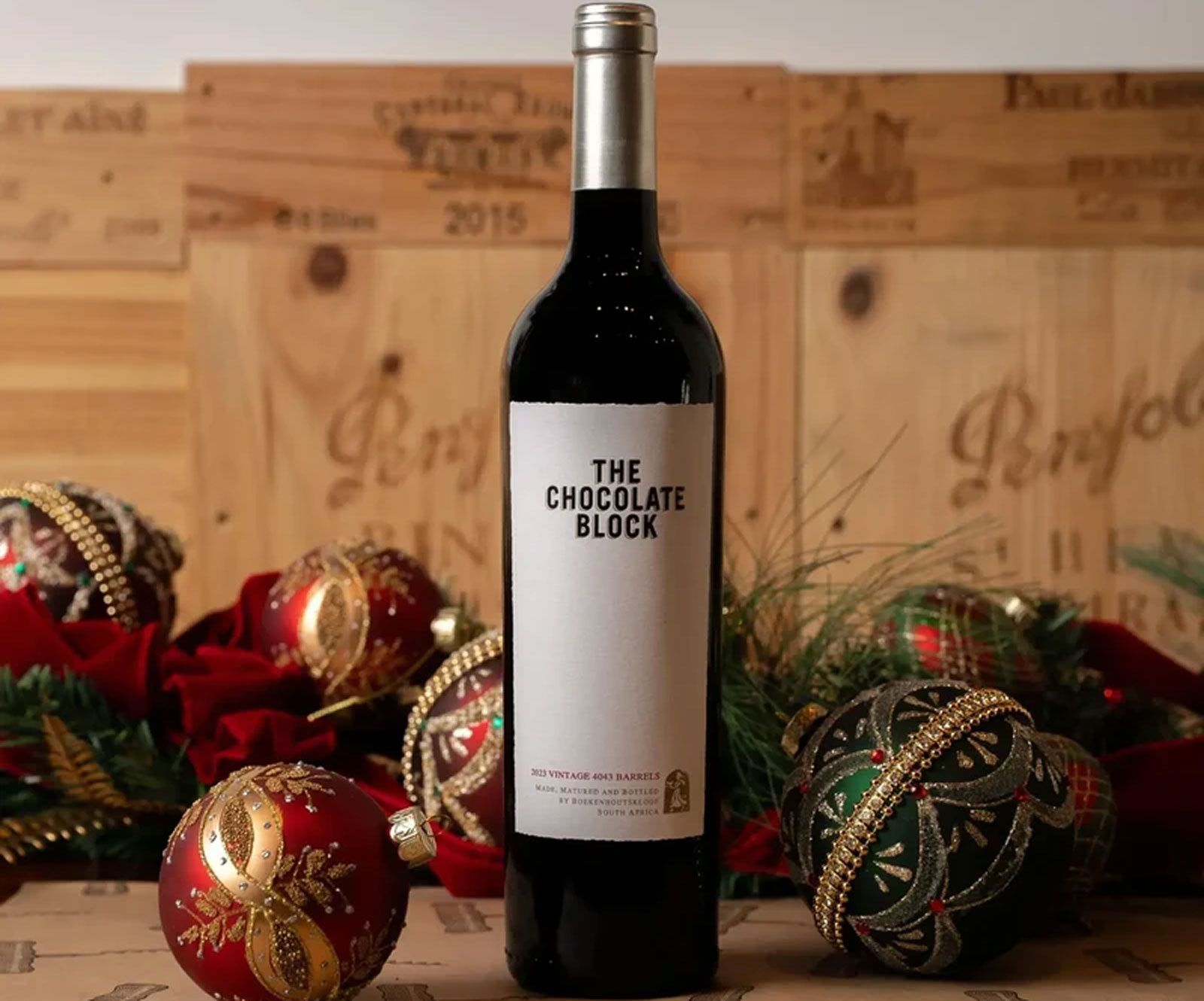
The Chocolate Block from Boekenhoutskloof is the Cape's most recognisable premium red blend — a GSM-style mix of Syrah, Grenache, and Cinsaut with a small percentage of Cabernet Sauvignon and Viognier. The name refers to the soils of the Franschhoek valley where the fruit is sourced: deep, dark, and rich with iron. The wine carries that character: dark fruit, fynbos spice, a warmth that comes from the Cape's Mediterranean climate. At £28 it is priced for regular drinking from a producer capable of considerably more expensive ambitions — a wine that consistently overdelivers at the price.
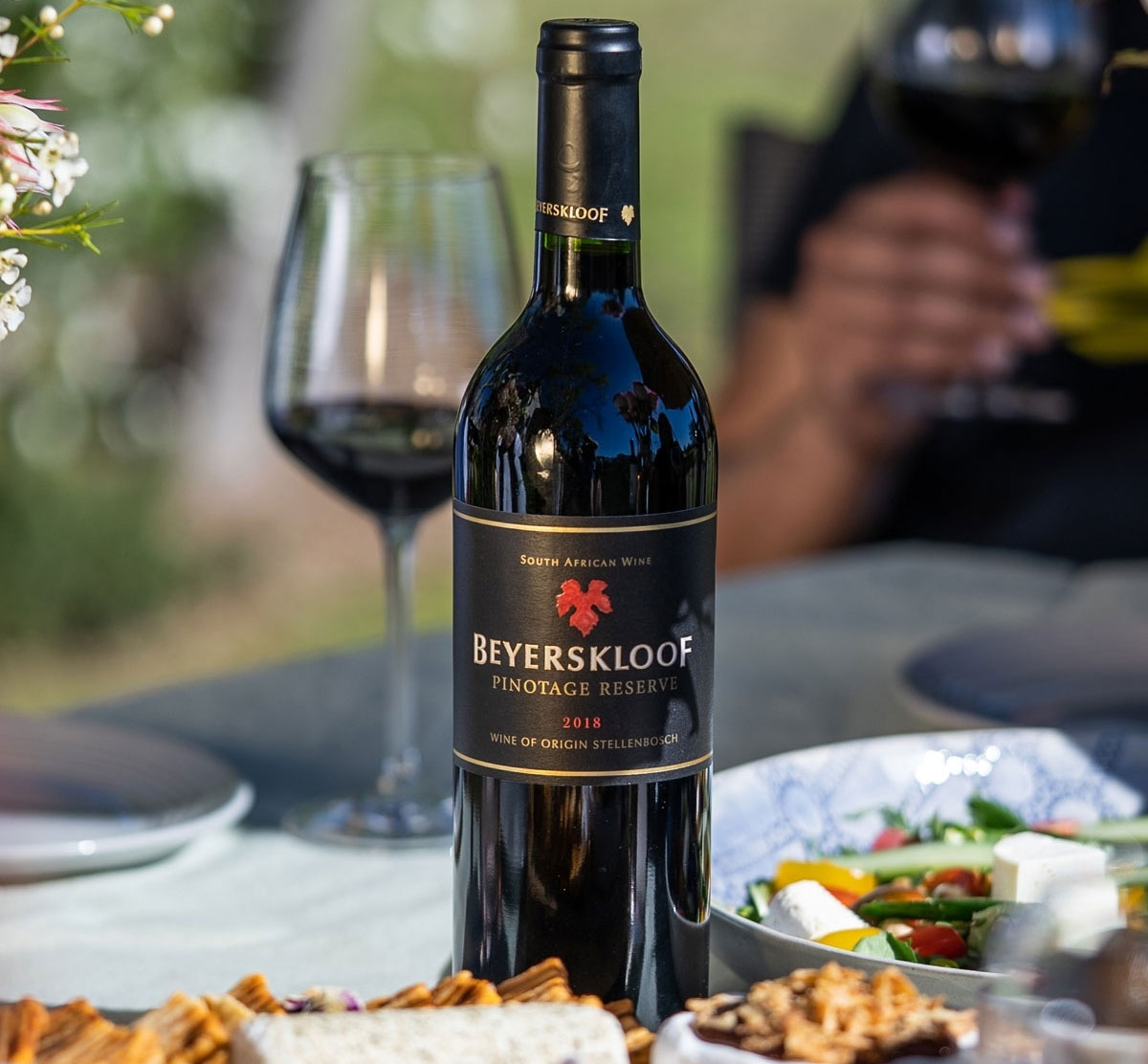
Beyerskloof is the Cape's most celebrated Pinotage specialist — the estate founded by Beyers Truter, who has done more than any other producer to demonstrate what the variety is capable of when treated seriously. The Reserve Pinotage is the estate's premium expression: dark cherry and mulberry fruit, coffee and chocolate notes that give the variety its reputation, and a structural firmness from the tannins that separates it from the more approachable standard expression. At £18 it makes the Pinotage argument at a price that removes the risk from the experiment. The variety is worth knowing. This is where to start.
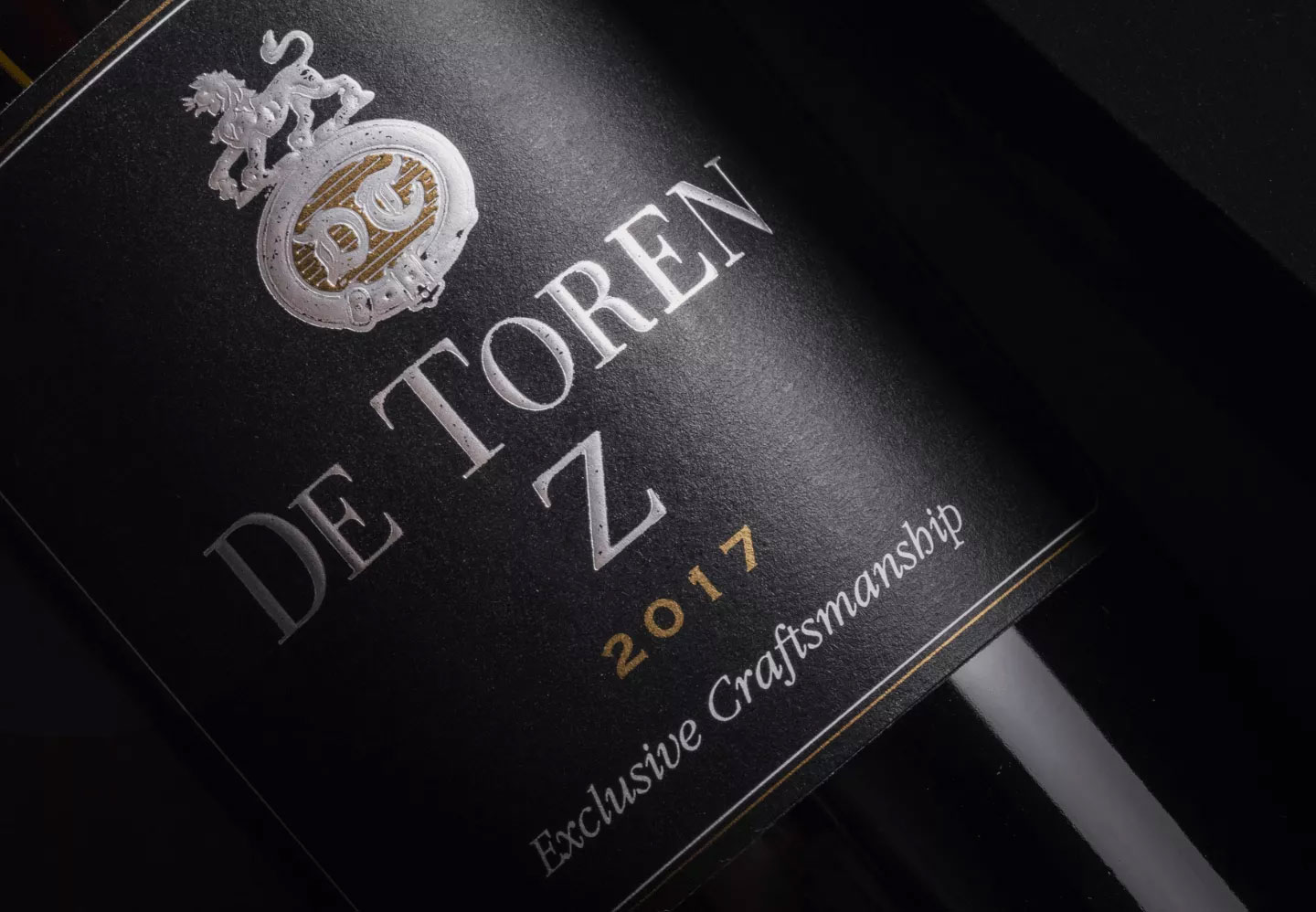
De Toren Z is the top expression from one of Stellenbosch's most ambitious estates — a five-variety Bordeaux blend of Cabernet Sauvignon, Merlot, Cabernet Franc, Petit Verdot, and Malbec from low-yielding, hand-harvested vines. The 2017 vintage was excellent in Stellenbosch: warm, dry, producing wines of concentration and precision. At £55 it is the premium anchor in the South African section of the catalogue and the bottle to open when the argument about Cape wine's ceiling needs to be settled. The ceiling is higher than most people assume.
Chile's geographical position is one of the most wine-friendly on earth: a long, narrow country running between the Andes to the east and the Pacific to the west, with a climate moderated by cold Humboldt Current upwellings on one side and the altitude of the cordillera on the other. The result is a viticulture zone of remarkable climatic diversity — from the cool, fog-influenced coastal valleys that produce delicate Pinot Noir and Sauvignon Blanc, to the warm inland valleys where Cabernet Sauvignon achieves a ripeness and structure that has earned repeated comparison with Bordeaux.
The comparison with Bordeaux is no longer merely aspirational. Almaviva — the joint venture between Baron Philippe de Rothschild (of Mouton Rothschild) and Concha y Toro — has been producing Cabernet Sauvignon-dominant blends from the Maipo Valley since 1997 that are now assessed by international critics against the classified growths of the Médoc without embarrassment on either side.
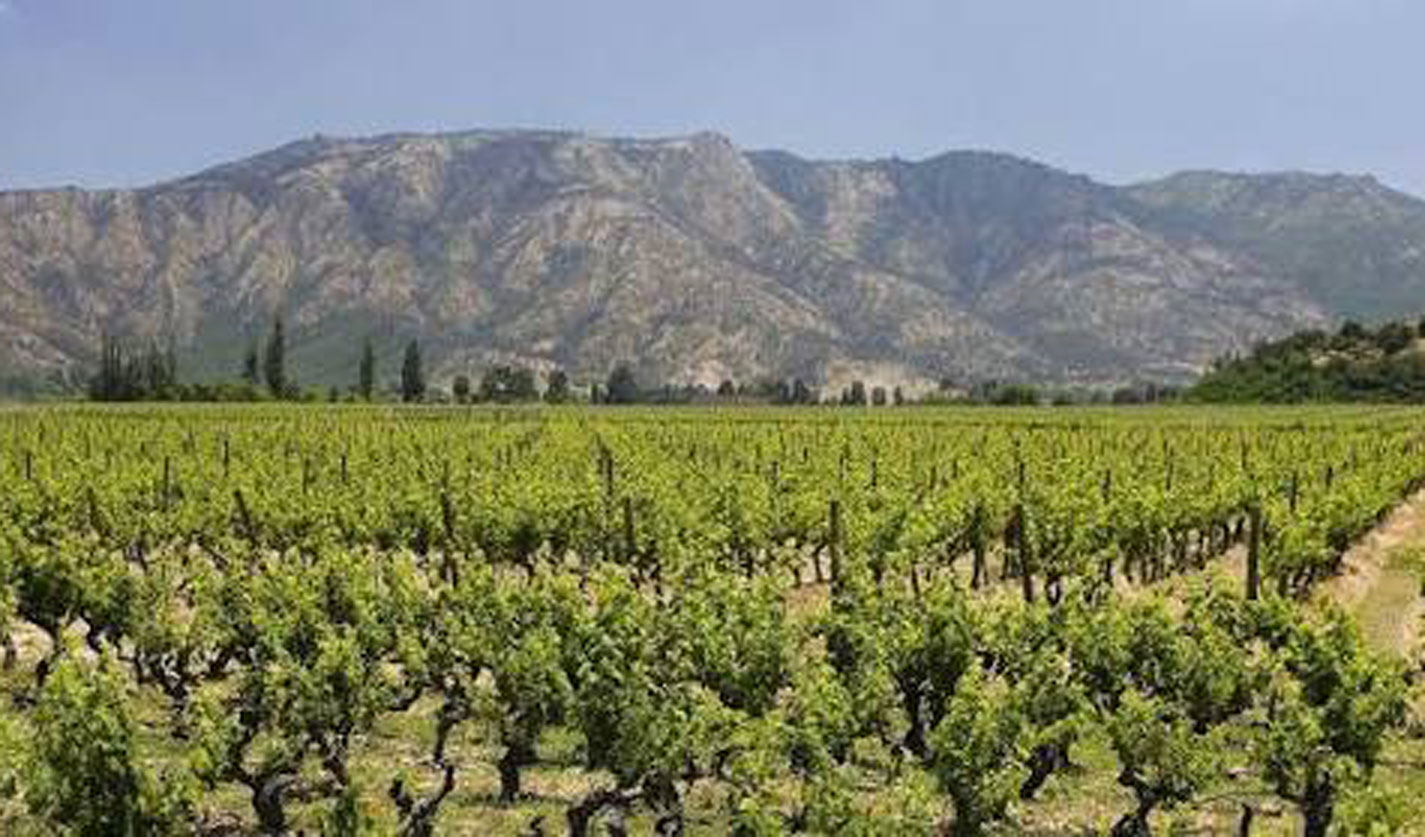
The Almaviva 2016 is the most prestigious bottle in the Chilean section of the catalogue and one of the most significant reds across all origins. A blend of predominantly Cabernet Sauvignon with Carmenère, Cabernet Franc, and Petit Verdot from the Puente Alto estate in the Maipo Alto, it carries the full expression of what Chile's flagship appellation looks like at its best: dark cassis and blackcurrant, cedar, graphite, and a structural precision that will continue to develop over the next decade. At £150 it is premium territory, but the comparison with classified Bordeaux at equivalent prices makes the value argument easy to construct. This is a great wine.
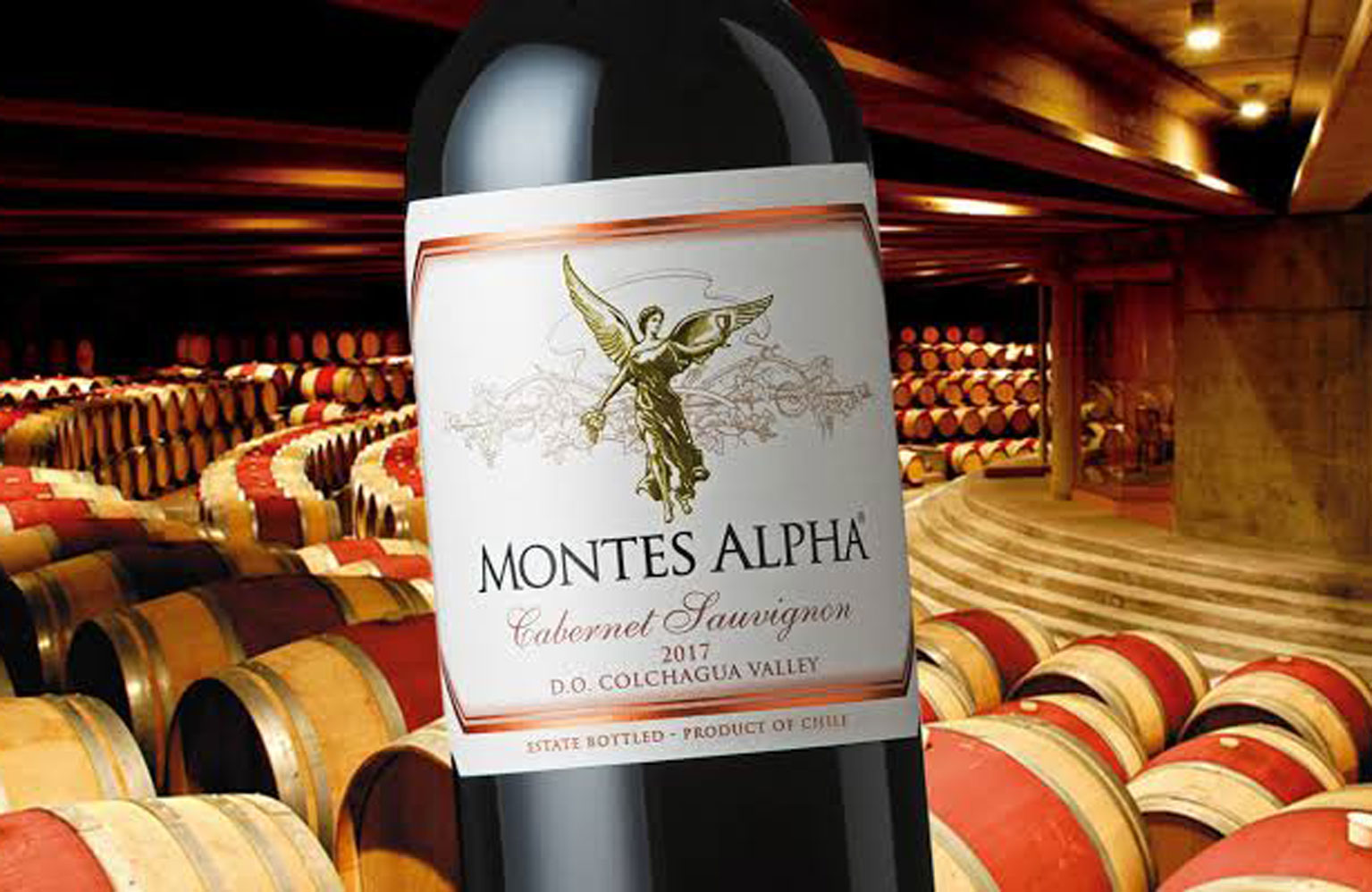
Montes Alpha is the accessible entry point to serious Chilean Cabernet — a wine from the Colchagua Valley that has spent two decades as the benchmark for the £18 price point in the category. Dark fruit, vanilla and oak, the warmth of a well-handled Chilean growing season, and enough structure to work alongside food rather than just alongside itself. At £18 it is the bottle to reach for when the argument is about value rather than prestige — and Chilean Cabernet at this price makes a more convincing case than almost anything else in the red wine section at the same price.
El Principal is a smaller, quality-focused estate in the Maipo Valley that tends to fly below the radar of drinkers who default to the bigger Chilean names. The principal expression is a Cabernet Sauvignon-dominant blend of genuine ambition: structured, mineral, with a restraint that distinguishes it from the fruitier, more immediately accessible Chilean mainstream. At £35 it sits between the approachable Montes and the prestige Almaviva, and it makes a convincing case for a middle tier that Chilean wine has historically struggled to develop. A producer worth watching.
The New World argument is no longer about catching up with Europe. The best wines from Australia, South Africa, and Chile are not approximations of something more established — they are specific expressions of specific places, made from varieties and in climates that produce results unavailable anywhere else. Penfolds Kalimna Shiraz from a vine planted in 1888. Pinotage from the only country that grows it seriously. Almaviva from a valley where the Baron de Rothschild invested his own reputation. These are wines with their own authority. The detour is worth taking.