Departments
 Departments
Departments
Departments

New to Slowsip? Create Account
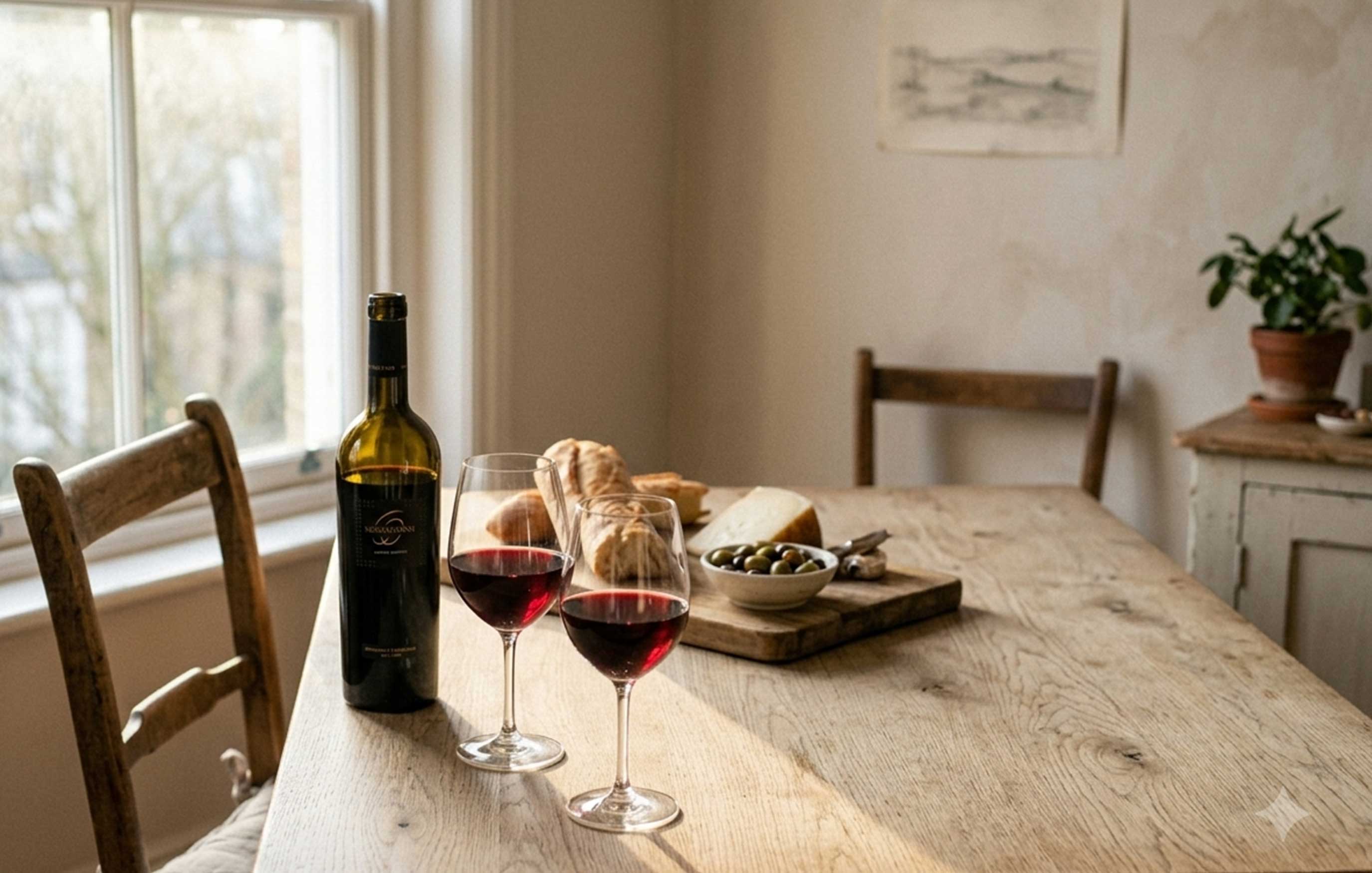
Wine and food pairing is not a code to be cracked. It is a conversation between two things — the structure of what's in the glass and the flavours and textures of what's on the plate — and like any conversation it goes better when both parties are paying attention. The rules that get cited most often (red with meat, white with fish) are not wrong so much as insufficient: they describe the most common versions of a much broader principle. Understanding the principle is more useful than memorising the rules, and considerably more interesting.
The five pairings below all work — reliably, repeatably, without requiring obscure ingredients or professional technique. Each one includes a specific bottle from the SlowSip catalogue and a brief explanation of why the combination succeeds. The explanation is the point: once you understand why Barolo works with braised lamb, you can apply the same logic to a dozen other combinations. The wine changes. The principle doesn't.
Slow-braised lamb shoulder, rosemary, garlic. Or osso buco. Or any long-cooked meat with deep umami.
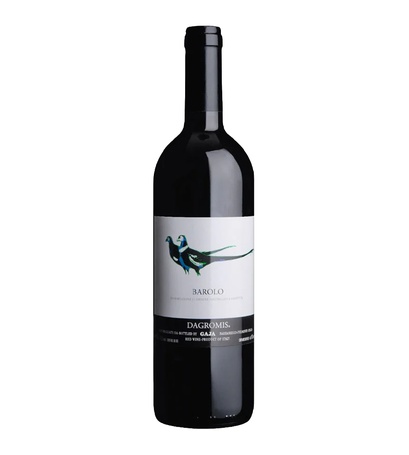
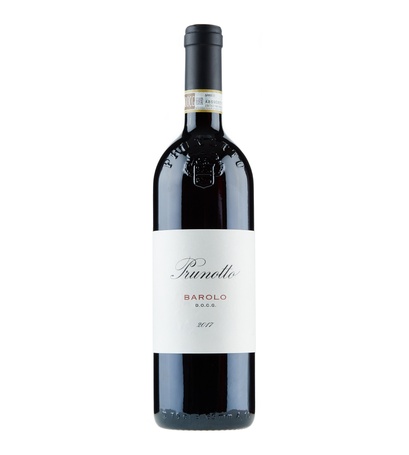
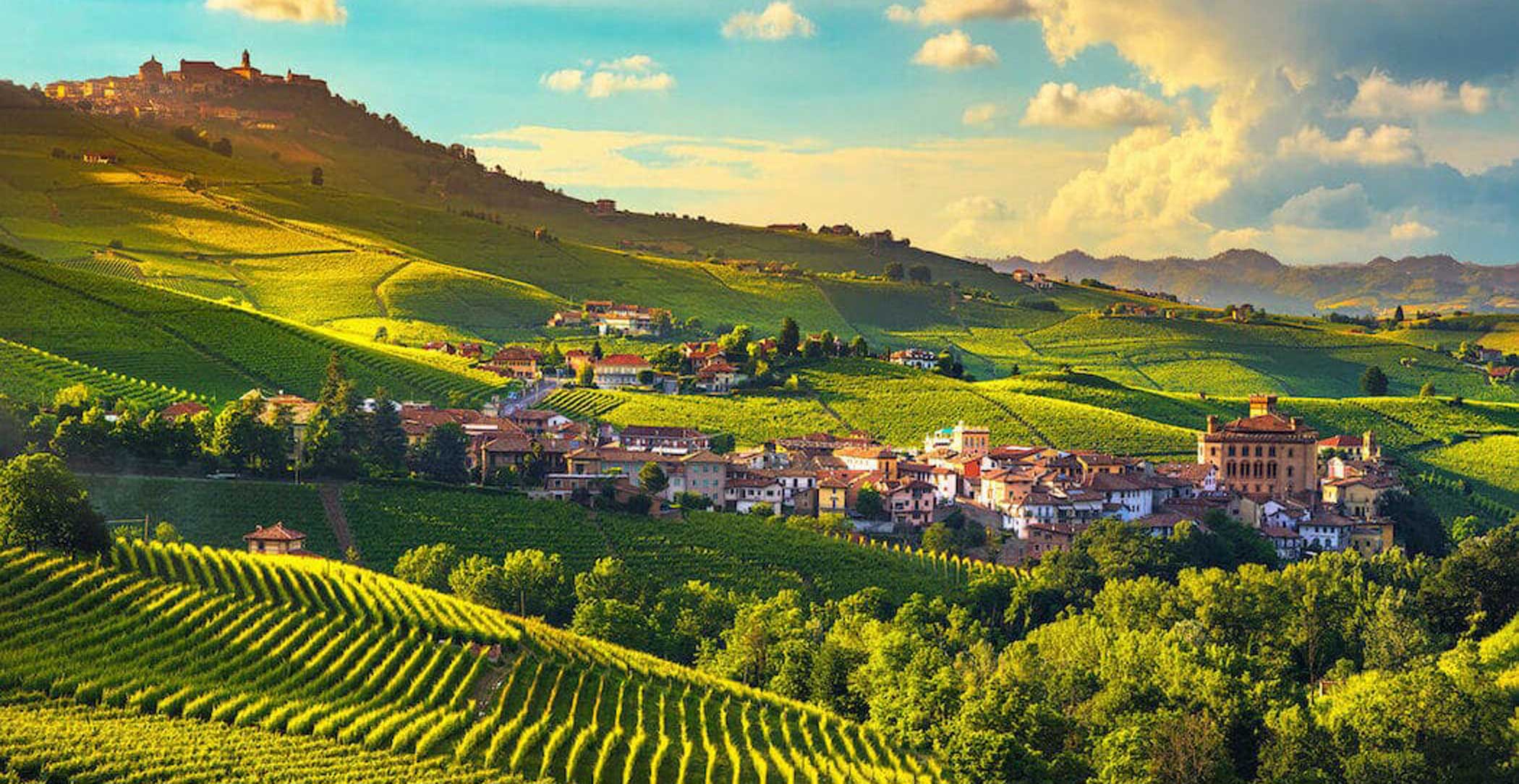
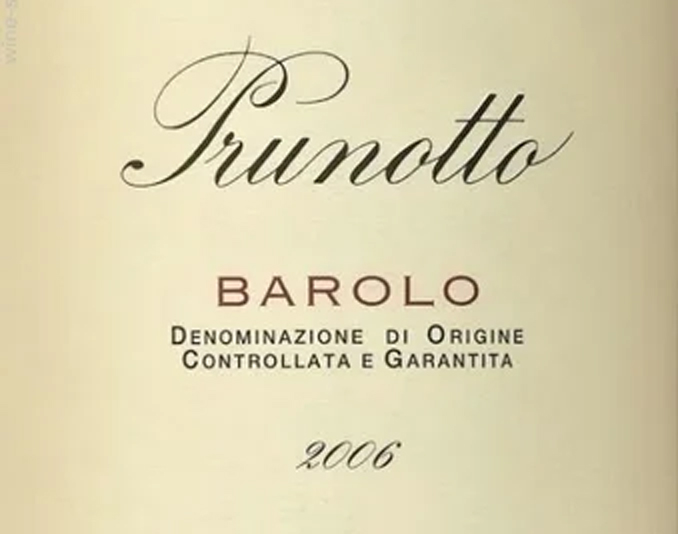
Barolo — Nebbiolo-based, high in both tannin and acidity — needs food with fat and protein to show at its best. Young Barolo served alone can taste astringent; the same wine alongside braised lamb has its tannins softened by the meat's fat, while the wine's acidity cuts through the richness and lifts the whole dish. The rosemary and dried herb notes in the wine echo the aromatics in the braise. This is not a coincidence — the wine and the dish evolved in the same landscape over the same centuries.
The 2017 Prunotto has the ripe tannins and forward fruit of a warm vintage — more approachable than a cooler-year Barolo and therefore better matched to the lamb without requiring hours of decanting first. Open it an hour before the meal.
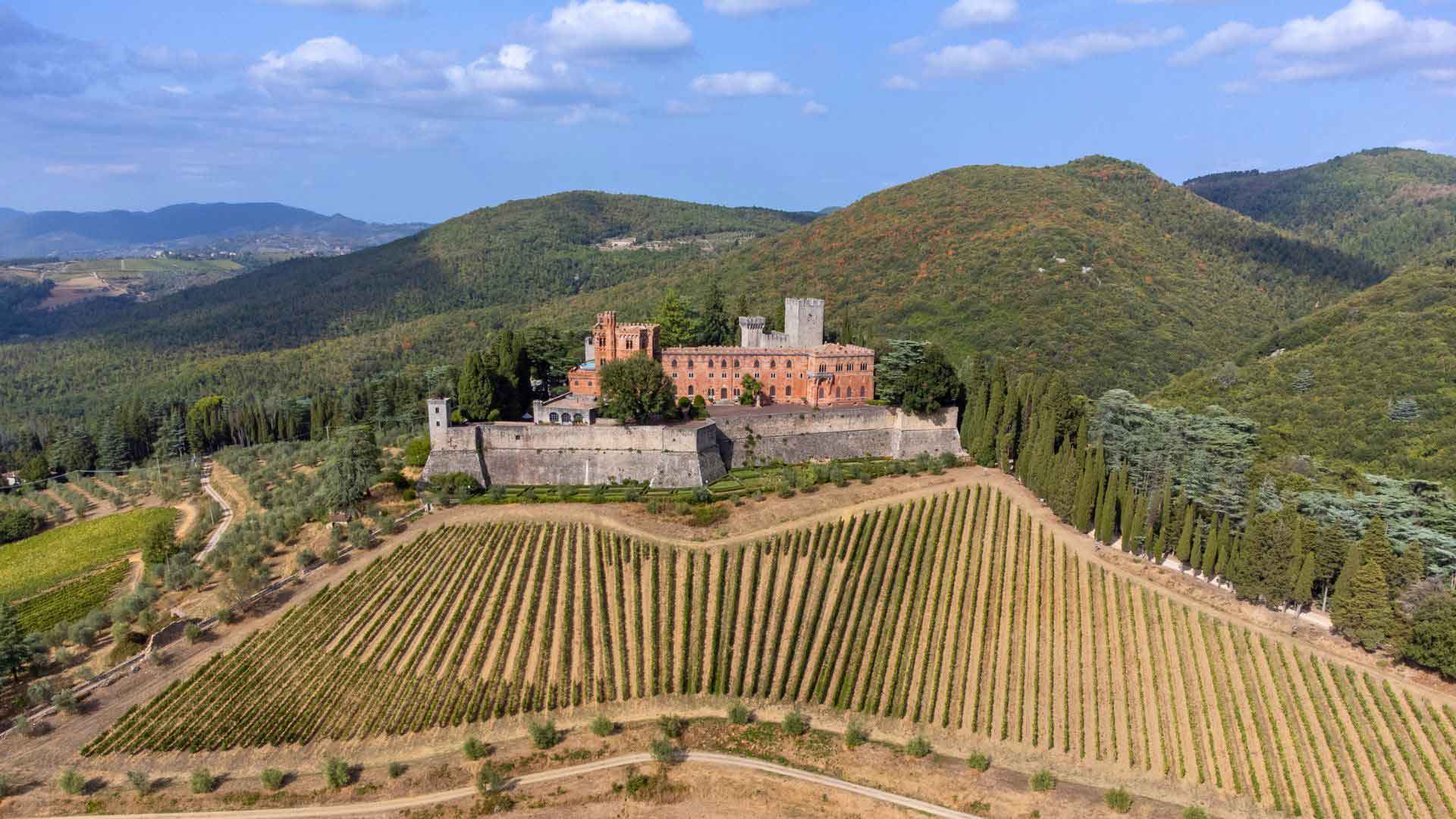
Margherita pizza, penne arrabbiata, spaghetti bolognese, lasagne. Any dish where tomato is the structural element.
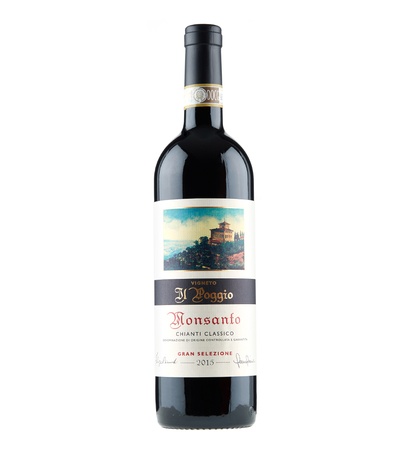
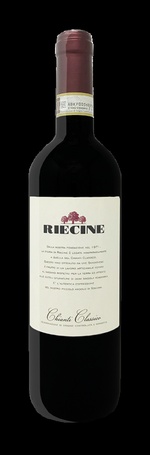
Sangiovese — the grape of Chianti — has a natural affinity with tomato that goes beyond the obvious regional connection. The grape carries a characteristic acidity and cherry fruit that mirrors the acidity of tomato sauce, creating a harmony of flavour rather than a clash. High-acid wine with high-acid food: the two elements align rather than compete, and the food tastes brighter and the wine tastes more complete. A tannic red with tomato sauce, by contrast, produces a metallic harshness that satisfies nobody.
Recine's biodynamic Chianti has a freshness and acidity that makes it particularly well suited to tomato-based dishes — the mineral quality in the wine picks up the savouriness of a reduced tomato sauce and amplifies it. Serve at room temperature or very slightly cool (16°C). This is a wine that benefits from a small chill in summer.
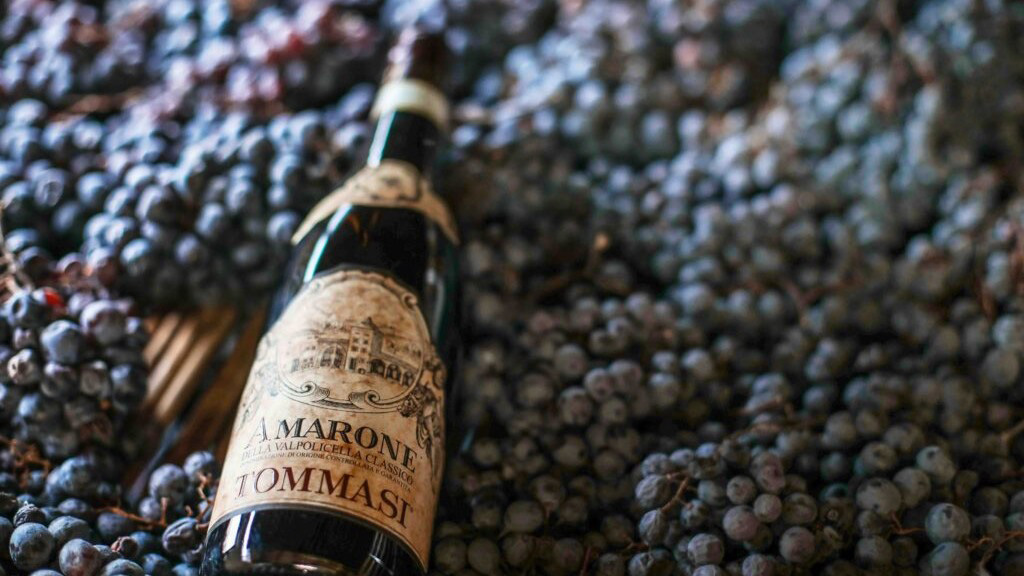
Parmigiano Reggiano aged 36 months or more. Aged Pecorino. Grana Padano. Strong blue cheese (Gorgonzola naturale).
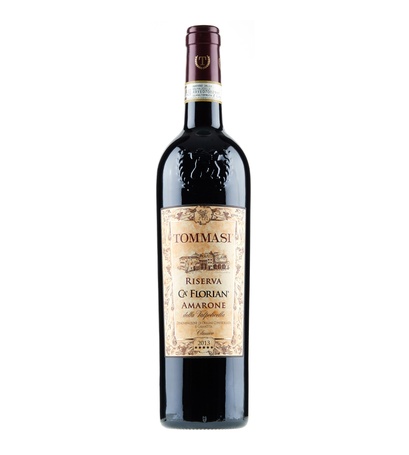
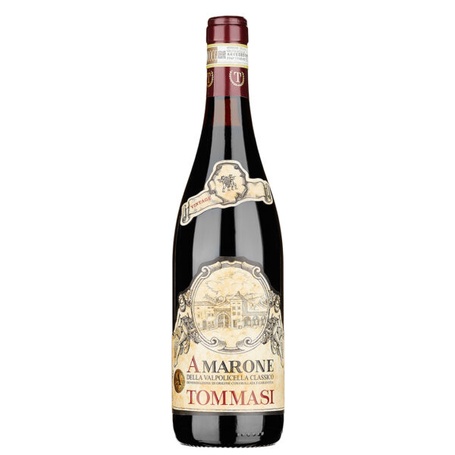
Amarone is the most concentrated red wine in this guide — dense with dried fruit, chocolate, and spice, typically 15% alcohol or above. Food pairing for very rich, very powerful wine requires either matching weight (aged hard cheese with its umami intensity and fat content) or deliberate contrast (strong blue cheese, where the salt and sharpness of the cheese cuts the wine's sweetness). Both approaches work. The key is avoiding lighter dishes that will be completely overwhelmed by what's in the glass.
The Tommasi Amarone is a more approachable entry to the style than the Ca' Florian Riserva — fractionally less concentrated, equally well-made. Serve it at full room temperature (18–20°C) with a 36-month Parmigiano at the end of a meal in place of dessert. The combination is one of the most satisfying things you can do with an autumn or winter evening.
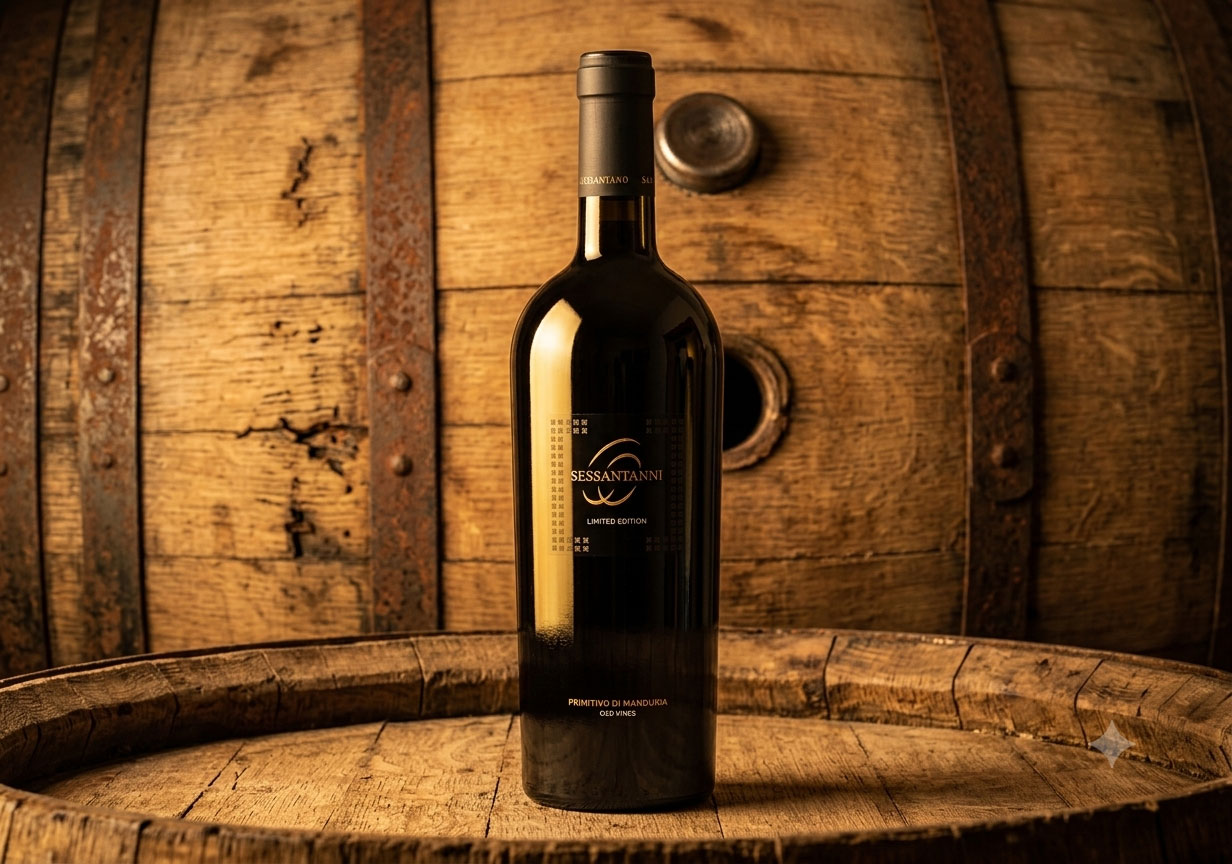
Grilled rib-eye. Barbecued lamb chops. Spiced sausages. Anything with char.
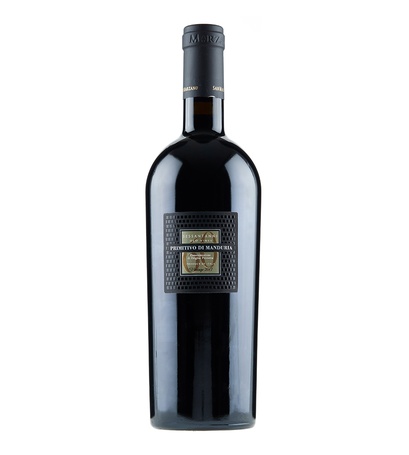
Primitivo — Puglia's signature grape, genetically identical to California's Zinfandel — produces wines of deep colour, ripe dark fruit, and warmth that make them natural partners for anything coming off a grill. The char on grilled meat produces bitter, smoky notes that need a wine with enough fruit and body to meet them; lighter reds disappear against that kind of flavour intensity. Primitivo's natural sweetness of fruit balances the bitterness of char without obscuring the meat's character.
Manduria is the most prestigious DOC for Primitivo in Puglia — the appellation where the variety produces its fullest and most structured expressions. The Sessanni version is a textbook example: deep ruby, dark plum and blackberry fruit, a warmth on the finish that suits the outdoor, firelit register of barbecued meat. At £22 it represents excellent value for a Primitivo at this quality level.
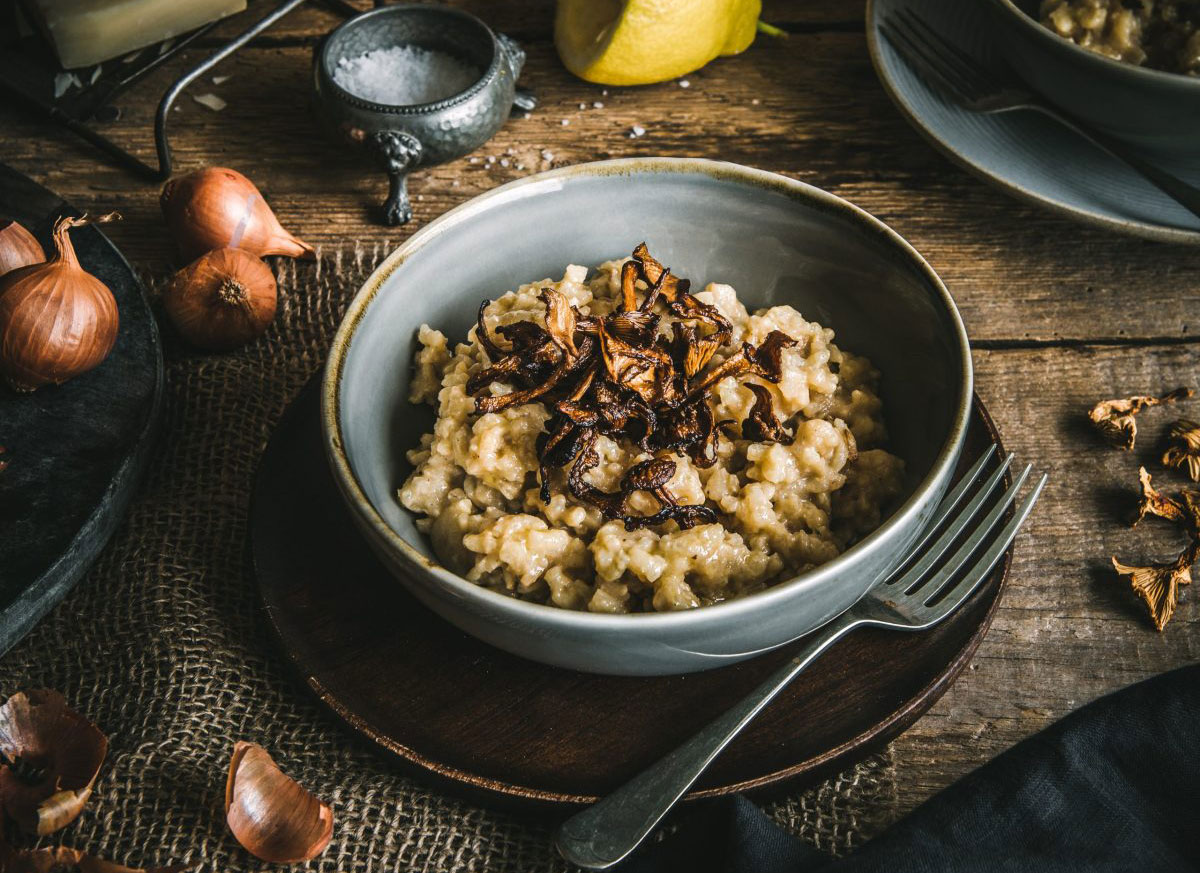
Porcini risotto. Truffle pasta. Mushroom-based sauces. Roasted root vegetables with herbs.
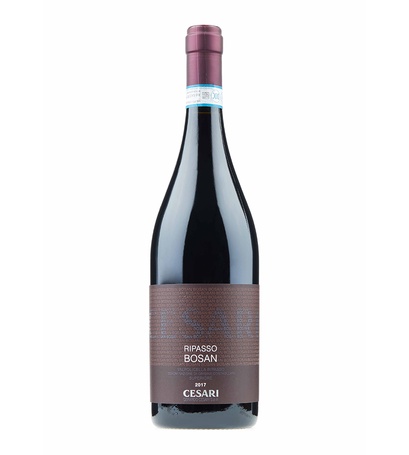
Ripasso — made by re-fermenting Valpolicella on the dried grape skins left over from Amarone production — occupies a useful middle ground between the lightness of straight Valpolicella and the concentration of Amarone. The brief contact with those dried skins adds dried fruit character, some extra tannin, and a slight savoury depth that makes Ripasso particularly well suited to earthy, umami-rich dishes. Mushrooms are one of the highest naturally occurring sources of glutamate — the compound responsible for umami — and the savouriness of a porcini risotto elevates the wine's best qualities while the wine's structure prevents the dish from feeling heavy.
Cesari's Bosan Ripasso is one of the better-value bottles in the Valpolicella category — the dried fruit character from the Amarone skin contact is well integrated, the tannins are present but not demanding, and the finish carries the earthy savouriness that makes it so useful alongside mushroom dishes. Open it fifteen minutes before serving; it needs very little time to show its best.