Departments
 Departments
Departments
Departments

New to Slowsip? Create Account
The problem with vodka's reputation is embedded in its own definition. European Union regulations specify that vodka should have 'no predominant aroma, taste or colour' — which is, if you examine it closely, a legal requirement to be as unremarkable as possible. For several decades, the industry took this seriously. The result was a race to the bottom dressed up as premiumisation: increasingly expensive bottles containing increasingly indistinguishable liquids, differentiated primarily by advertising spend and celebrity endorsement.
The drinkers who grew up in this era — roughly everyone who came of age between 1985 and 2010 — absorbed the lesson accordingly. Vodka was not a spirit to think about. It was a spirit to put things in. Red Bull. Cranberry juice. Lime cordial and ginger beer. The vodka itself was irrelevant; what mattered was that it didn't get in the way.
This is changing. Not dramatically — there are no headlines, no cultural moment equivalent to the gin revival or the tequila premium shift. What's happening is quieter and more interesting: a generation of distillers who have decided that the regulatory requirement for neutrality is a floor, not a ceiling, and that the pursuit of clean, precise, characterful vodka is as demanding and as rewarding as any other category of serious spirits production.
The word 'neutral' does considerable damage to vodka's reputation, because it implies that producing a clean, pure spirit requires no particular skill or intention. The opposite is true. Removing impurities from a distilled spirit — the congeners, the fusel alcohols, the organic compounds that develop during fermentation and carry flavour both desirable and otherwise — is technically demanding work. A cheap vodka doesn't taste neutral; it tastes of the things that weren't removed. A genuinely clean vodka tastes of almost nothing, which sounds unremarkable until you understand how difficult almost nothing is to achieve.
The more interesting argument, and the one that premium producers have been making with increasing confidence, is that neutrality and character are not mutually exclusive. A vodka can be clean — free of harsh or unpleasant congeners — while still expressing the subtle characteristics of its base ingredient, its water source, and its production method. Rye vodka tastes different from wheat vodka. Polish water produces different vodka from French water. These differences are not loud; they are not the character of an aged Scotch or a barrel-aged rum. But they are there, and the drinkers who are paying attention can taste them.

Polish vodka is the category's most defensible tradition. The country has been distilling rye vodka since at least the 8th century, and the combination of Polish rye, local water sources, and accumulated generational knowledge produces spirits of genuine distinction — drier and more textured than wheat-based vodkas, with a subtle spice character that becomes apparent when you drink it correctly (neat, very cold, in a small glass).
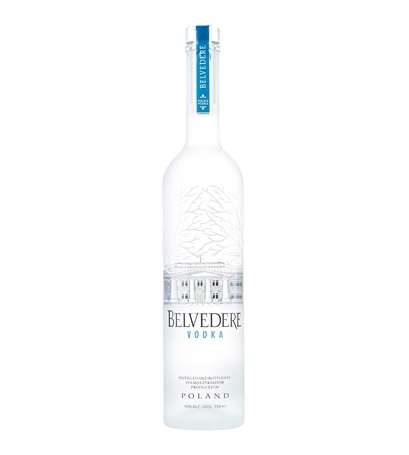
Belvedere is made from Dankowskie Gold Rye — a single variety grown in Poland's Mazovian Plains — distilled four times in copper pot stills and filtered through charcoal and cellulose. The result is one of the cleaner vodkas available at this price point: a faint creaminess on the palate, the dry rye character present but restrained, a finish that is longer and more interesting than the category's default. It is a vodka that rewards drinking neat, which is the highest compliment the category allows.
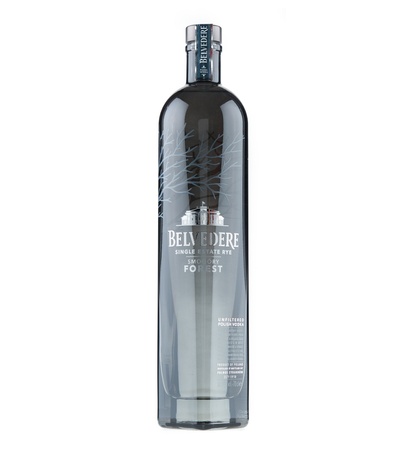
The Smogory Forest is where Belvedere's single estate argument becomes genuinely compelling. Rye grown in a specific forest microclimate in western Poland, processed separately from the house's standard production, producing a vodka of noticeably different character from the core expression — earthier, with more texture, a faint mineral quality that reflects the particular soil and water of its origin. At £150 it occupies a territory that demands comparison with single malt whisky or aged rum rather than other vodkas. The comparison holds up. This is a spirit that has terroir, and it tastes like it.

Grey Goose arrived in 1997 with a simple proposition: French wheat, French spring water, French production. The marketing was American and the price point was deliberately provocative, but the liquid made a coherent argument. Wheat vodka — particularly wheat grown in the Picardy region of northern France, where Grey Goose sources its grain — produces a softer, rounder spirit than rye, with a subtle sweetness on the palate that makes it more immediately approachable neat and more neutral as a mixer.
Grey Goose's original expression remains the most coherent version of its own argument: clean, soft, with a very faint bread note from the wheat and a finish that is longer than the category's cheaper entries. Its ubiquity has made it easy to take for granted — it appears on every premium back bar as a matter of course — but blind tasted against its peers it consistently holds its position. The 1 litre format on the SlowSip catalogue represents good value for a vodka that earns its premium.

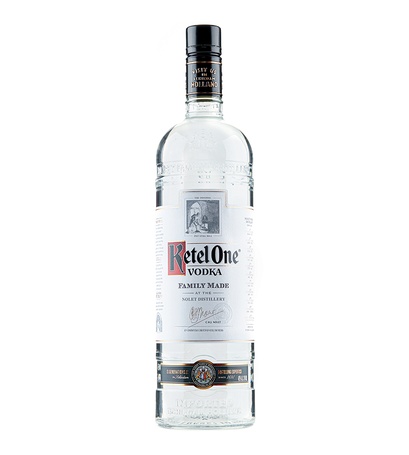
Ketel One is the least glamorous of the premium vodkas and arguably the most serious. Made by the Nolet family in Schiedam since 1691 — the name refers to the original coal-fired pot still, Distilleerketel #1, still used in production today — it combines traditional copper pot still distillation with modern column distillation, producing a vodka of unusual complexity for the category. There is a citrus crispness on the nose, a slight viscosity on the palate, and a clean finish with a faint botanical quality. This is a vodka made by people who have been thinking carefully about the same question for three centuries.
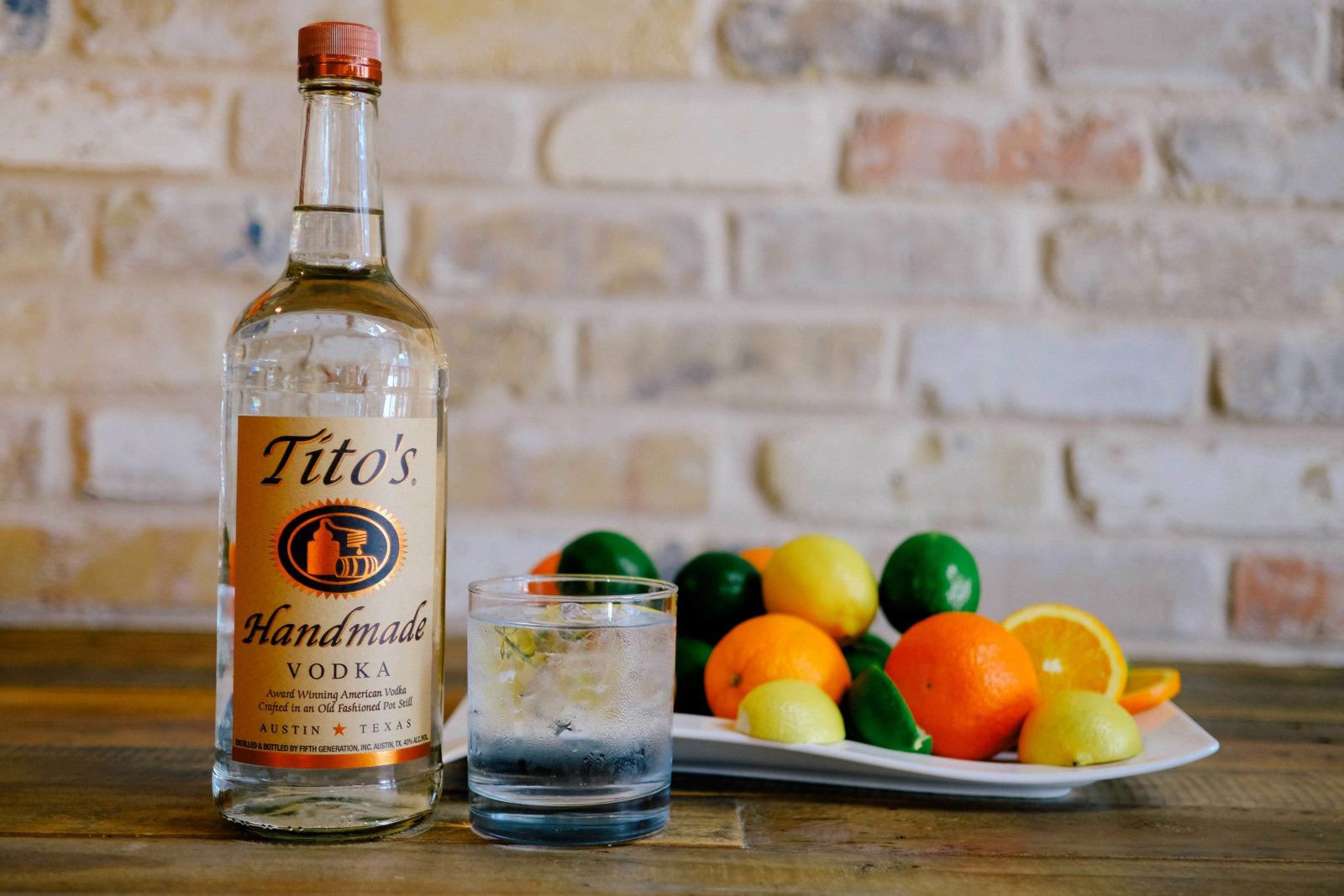
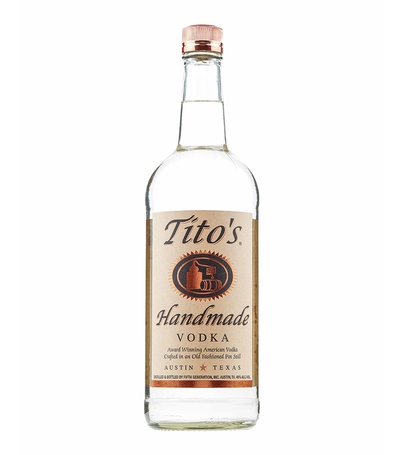
Tito's occupies a different position in the premium vodka conversation from everything else on this list. Made from corn in Austin, Texas, in pot stills by a founder who started with a single homemade still and a credit card, it is craft in the most literal sense — and it has built a following on the strength of the liquid rather than marketing spend, which in the vodka category is genuinely unusual. The corn base gives it a natural sweetness and a slight weight that distinguishes it from wheat or rye expressions. Neat, it is approachable and clean. In a cocktail, it holds its presence better than most at the price point.
The premium vodka conversation in the UK tends to orbit the same four or five names — Belvedere, Grey Goose, Ketel One, Tito's — because they are the bottles that appear on every back bar as a matter of course. The more interesting question is what sits behind them: the Eastern European producers who have been making serious vodka for considerably longer than the premium category has existed, and whose names appear less often on cocktail menus than their quality warrants.
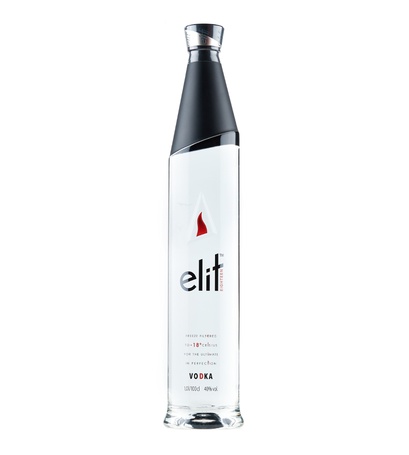
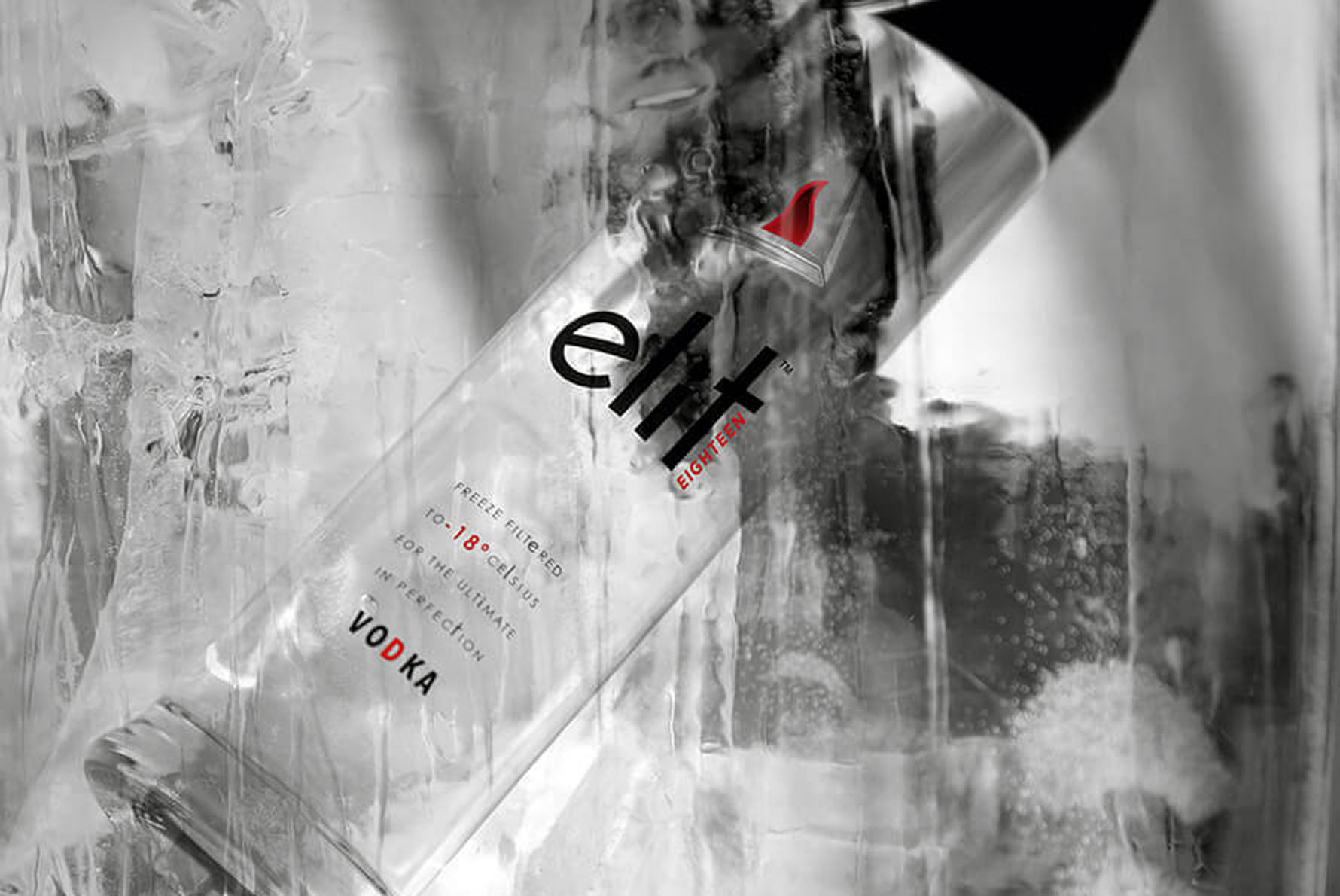
Stolichnaya Elit is the premium tier of Russia's most recognisable vodka name — freeze-filtered at sub-zero temperatures to remove residual impurities, producing a spirit of exceptional smoothness. The freeze-filtration process was pioneered by Stolichnaya and remains the house's primary technical differentiator: the result is almost frictionless on the palate, with none of the warmth or harshness that cheaper vodkas carry. At £70 for a litre it represents serious value relative to the quality delivered, and it makes a compelling argument for the Eastern European tradition on its own terms.
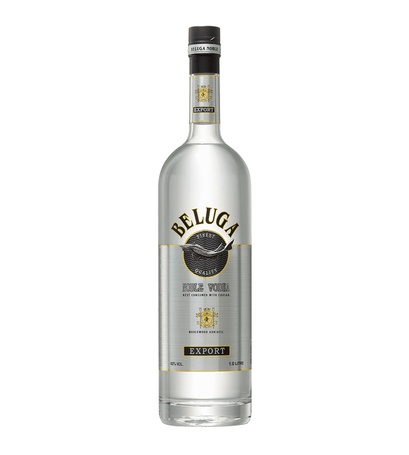
Beluga comes from Mariinsk in Siberia, where the distillery uses malt spirit and artesian water drawn from underground sources that have been filtering through natural rock for decades. The Noble expression is the entry point to the range: smooth, slightly sweet, with a honey and oats character that reflects the malt spirit base. Not a household name in the UK. Should be.
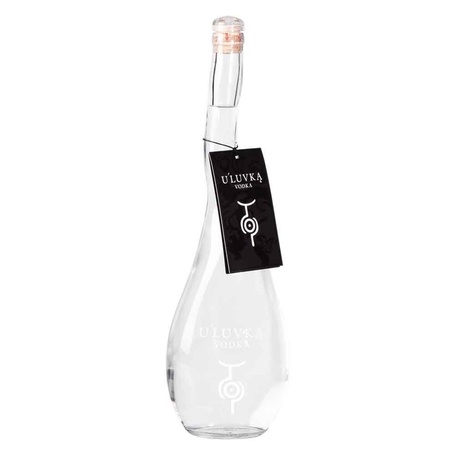
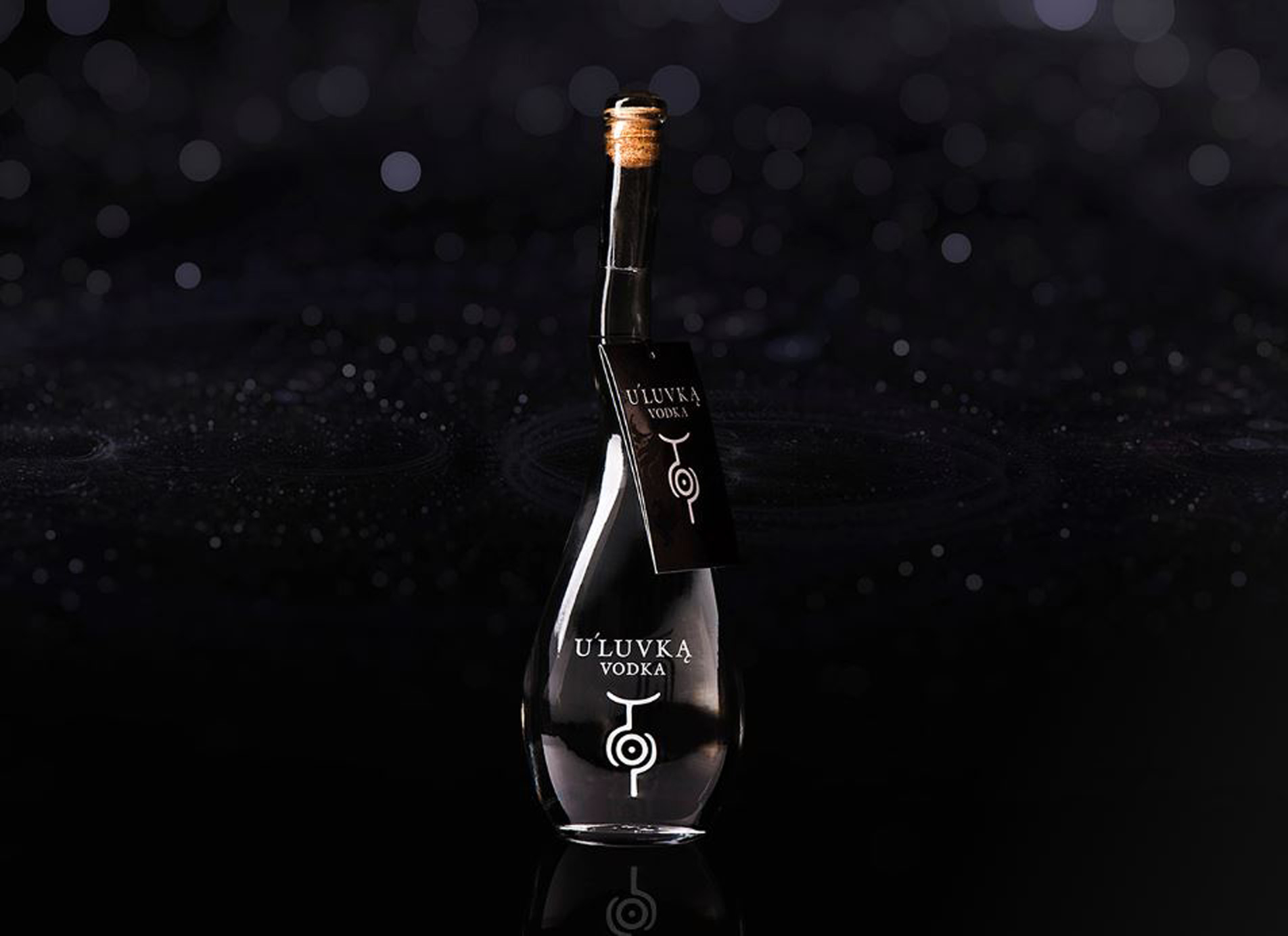
Uluvka is the least well-known bottle on this list and possibly the most interesting. A blend of three cereals — rye, wheat, and barley — using a traditional 200-year-old Polish recipe, triple distilled and filtered through quartz sand. The result is a vodka of unusual texture and complexity: slightly viscous, with a cereal sweetness and a lingering finish that most premium vodkas don't attempt. This is a bottle for vodka drinkers who want to think about what they're drinking.